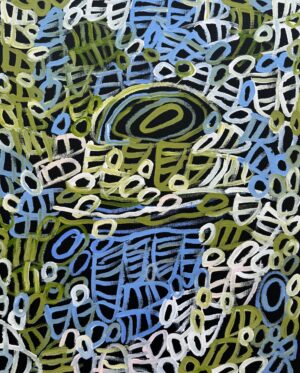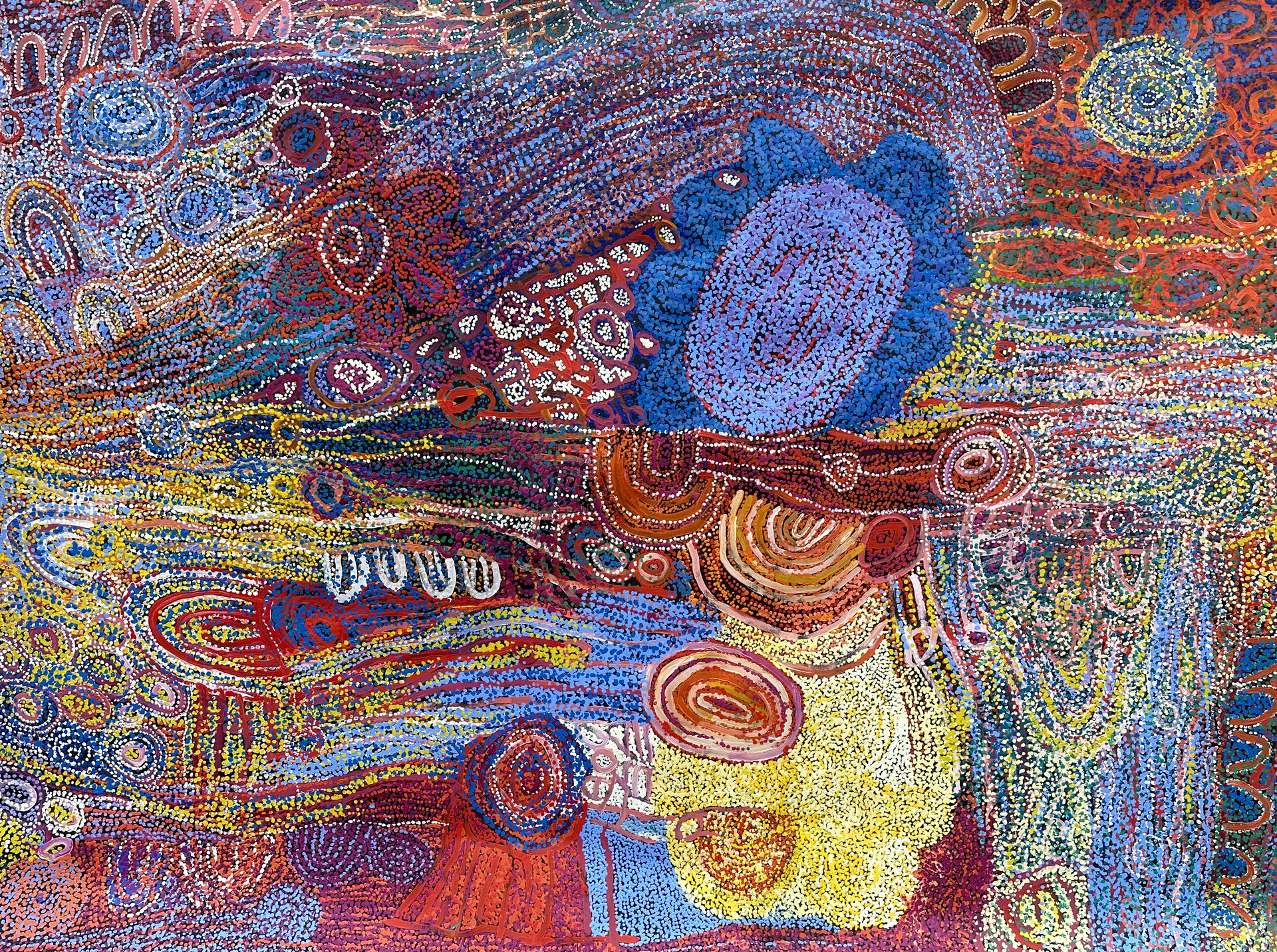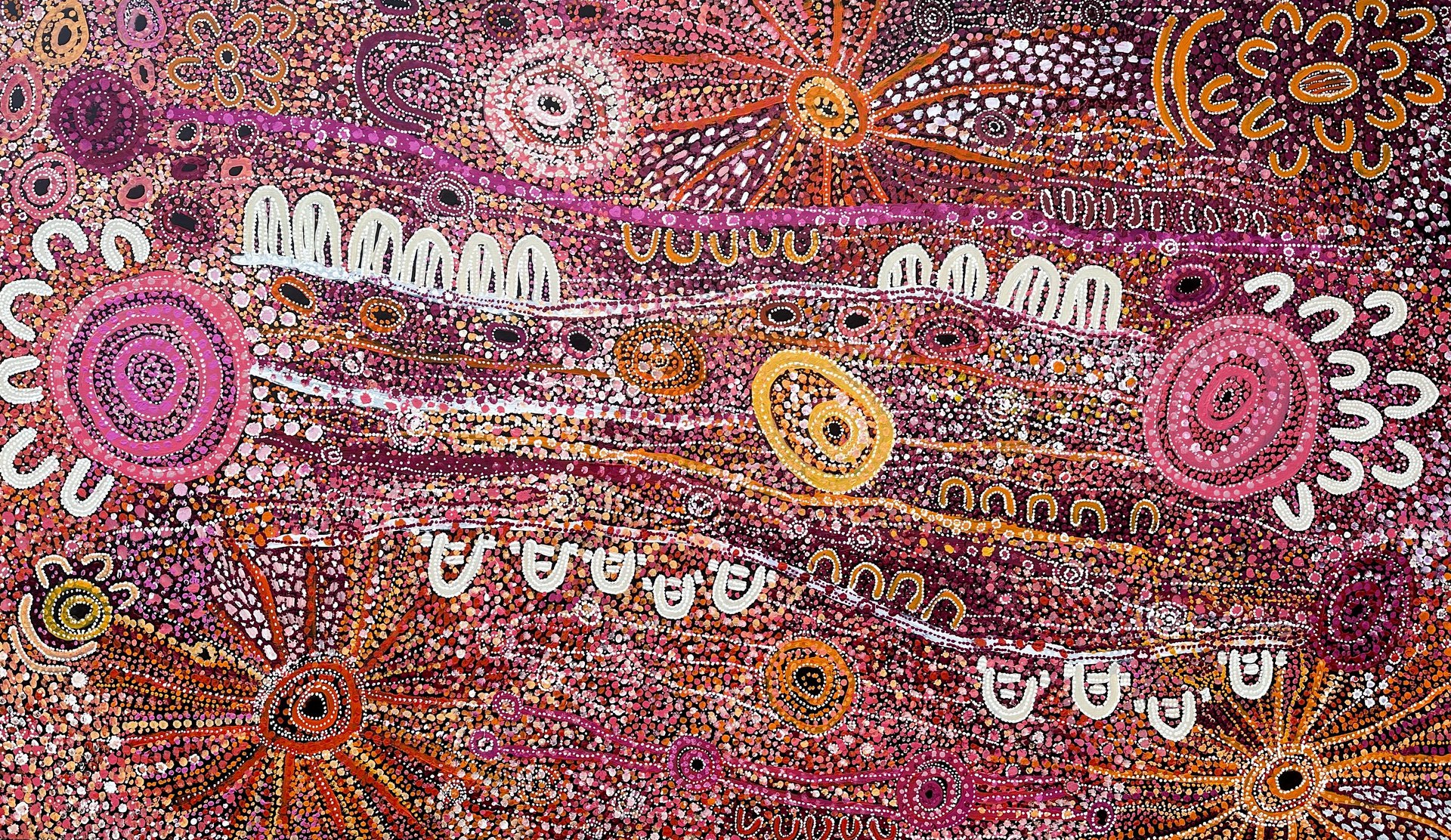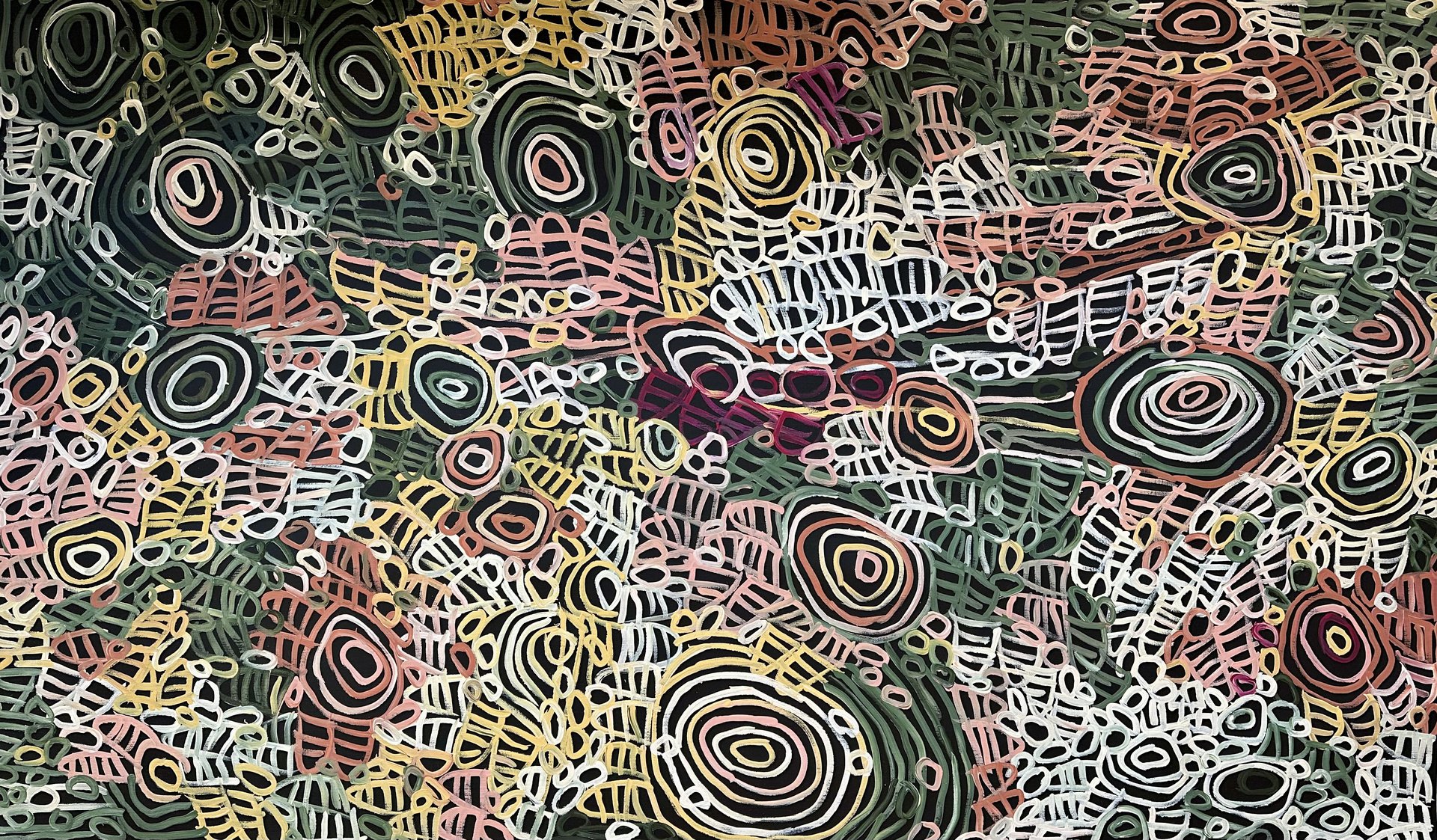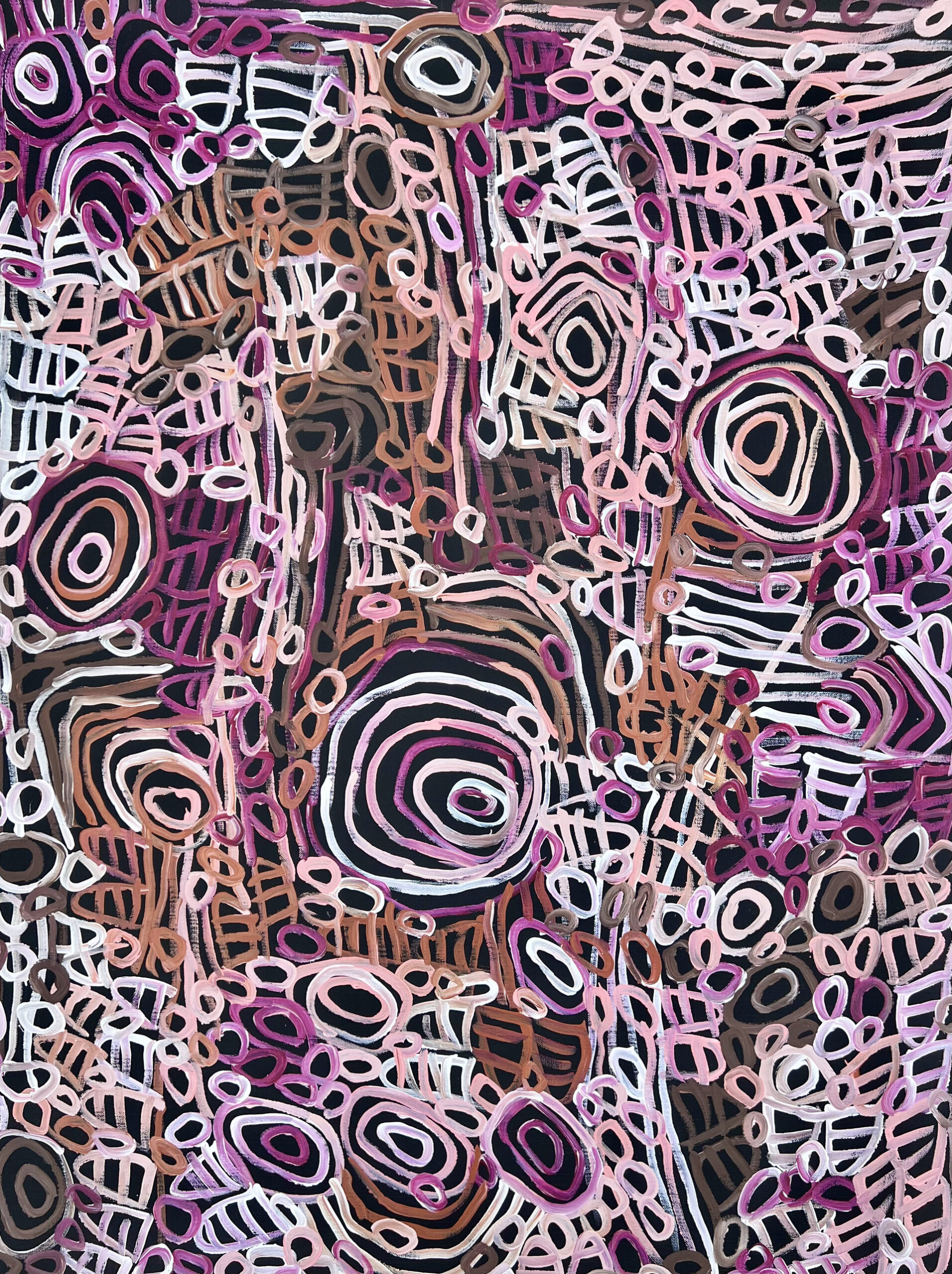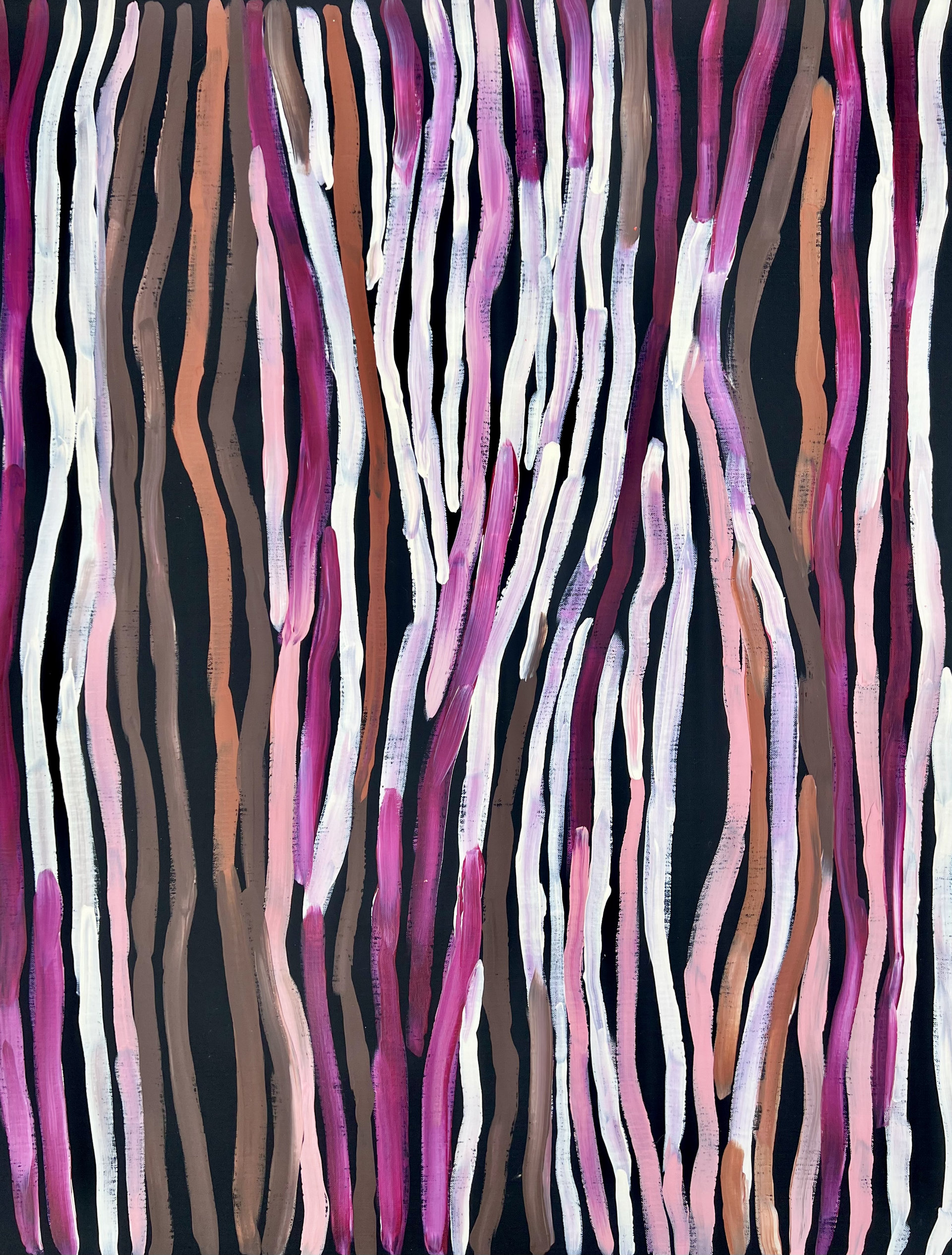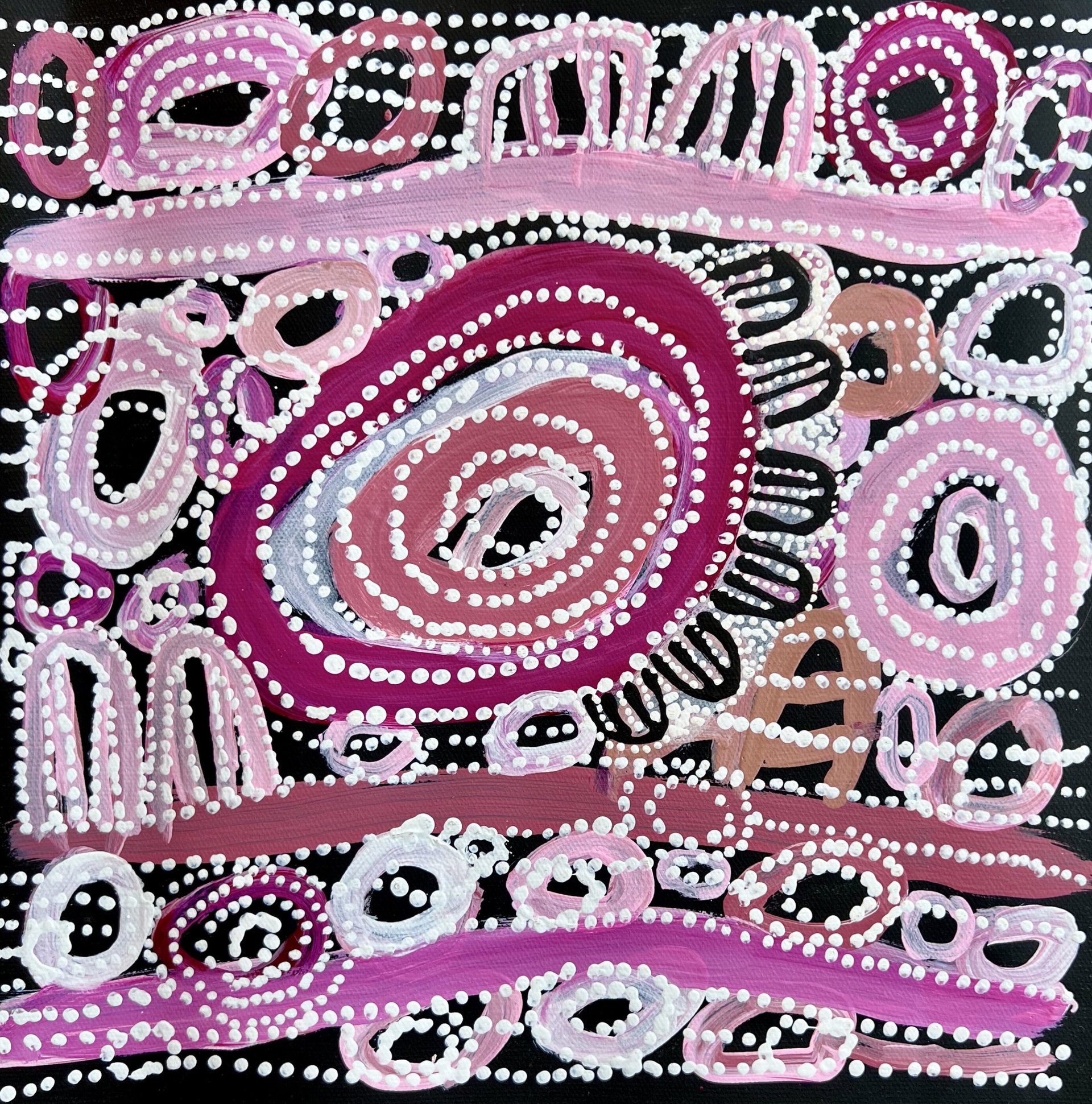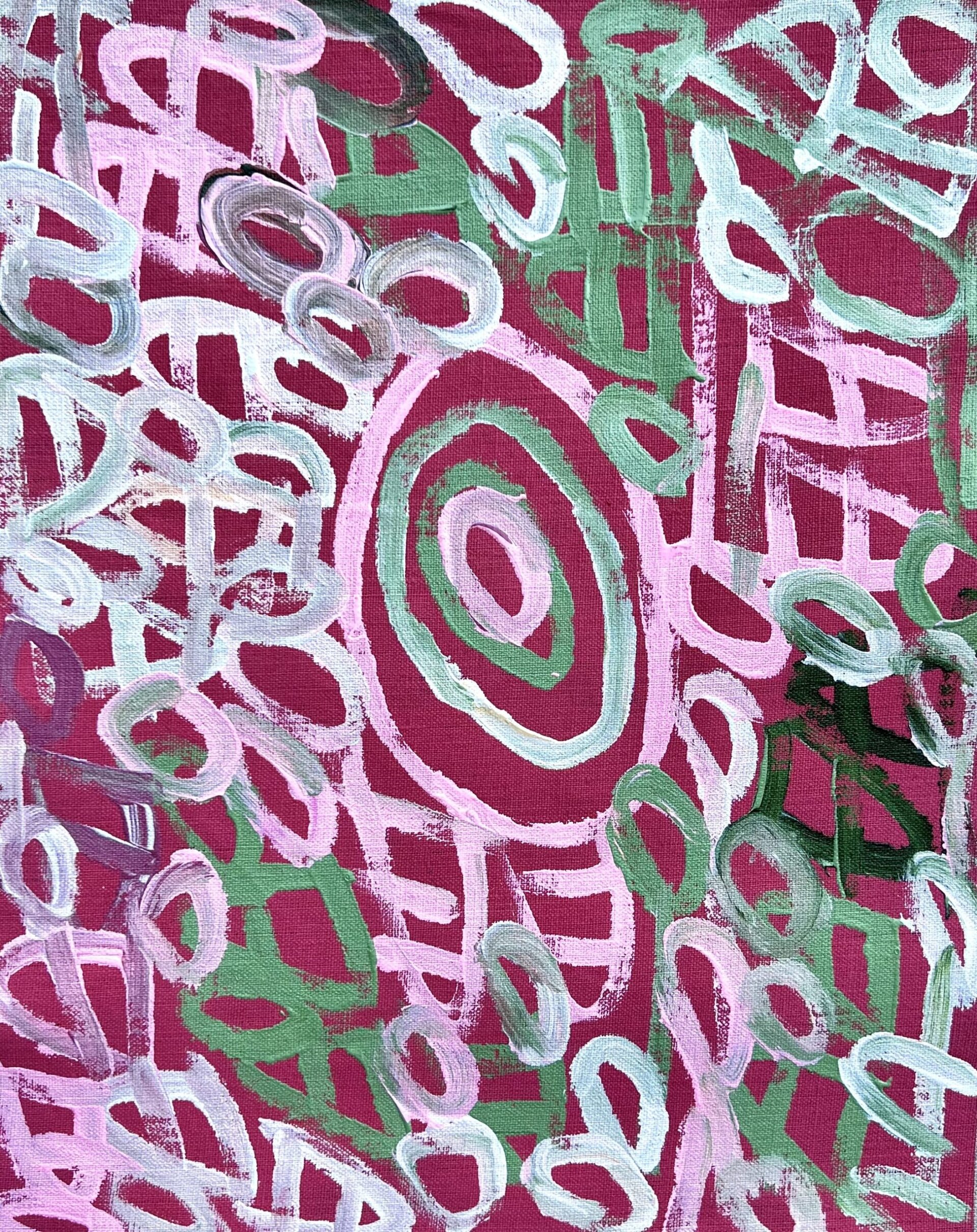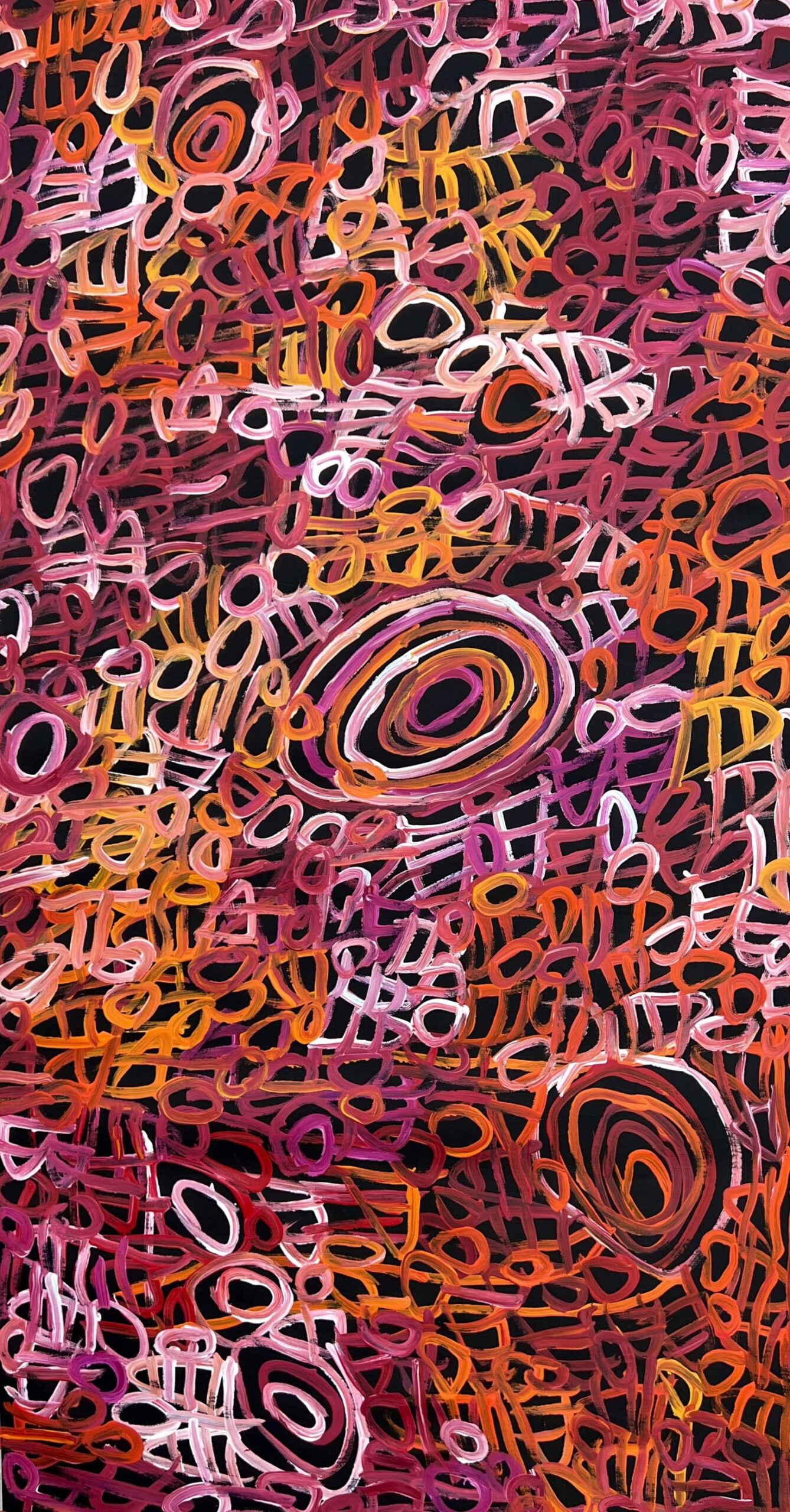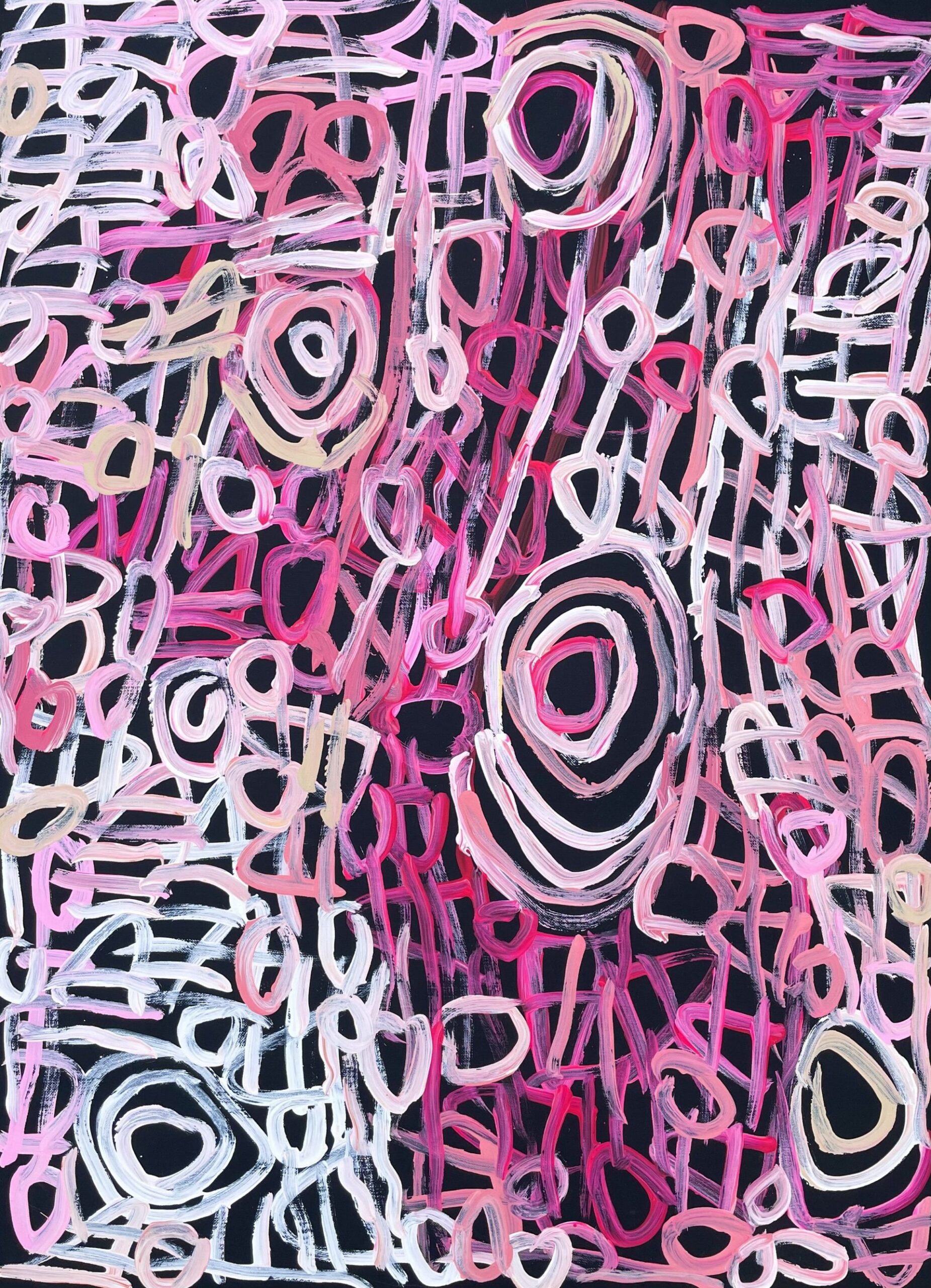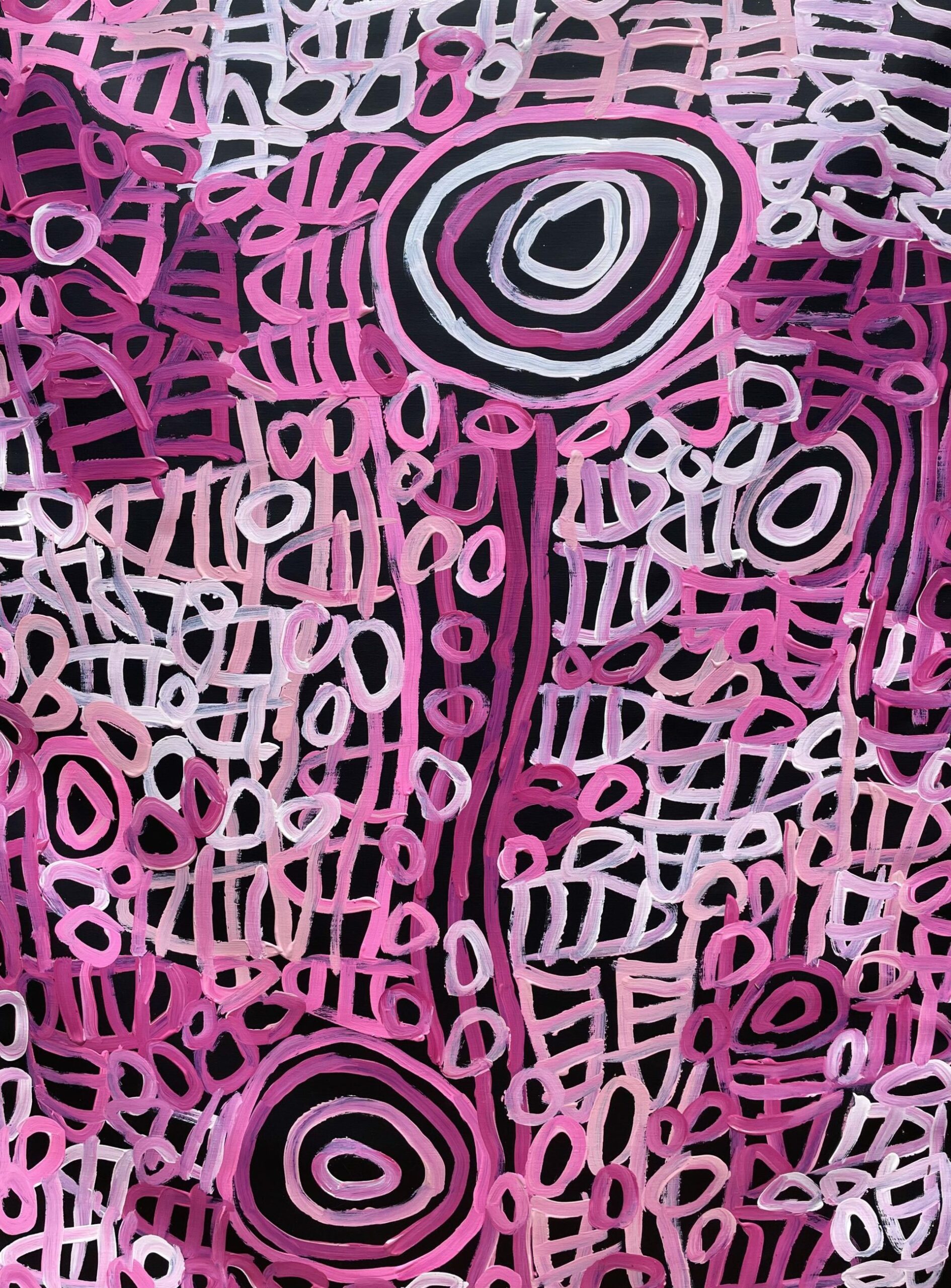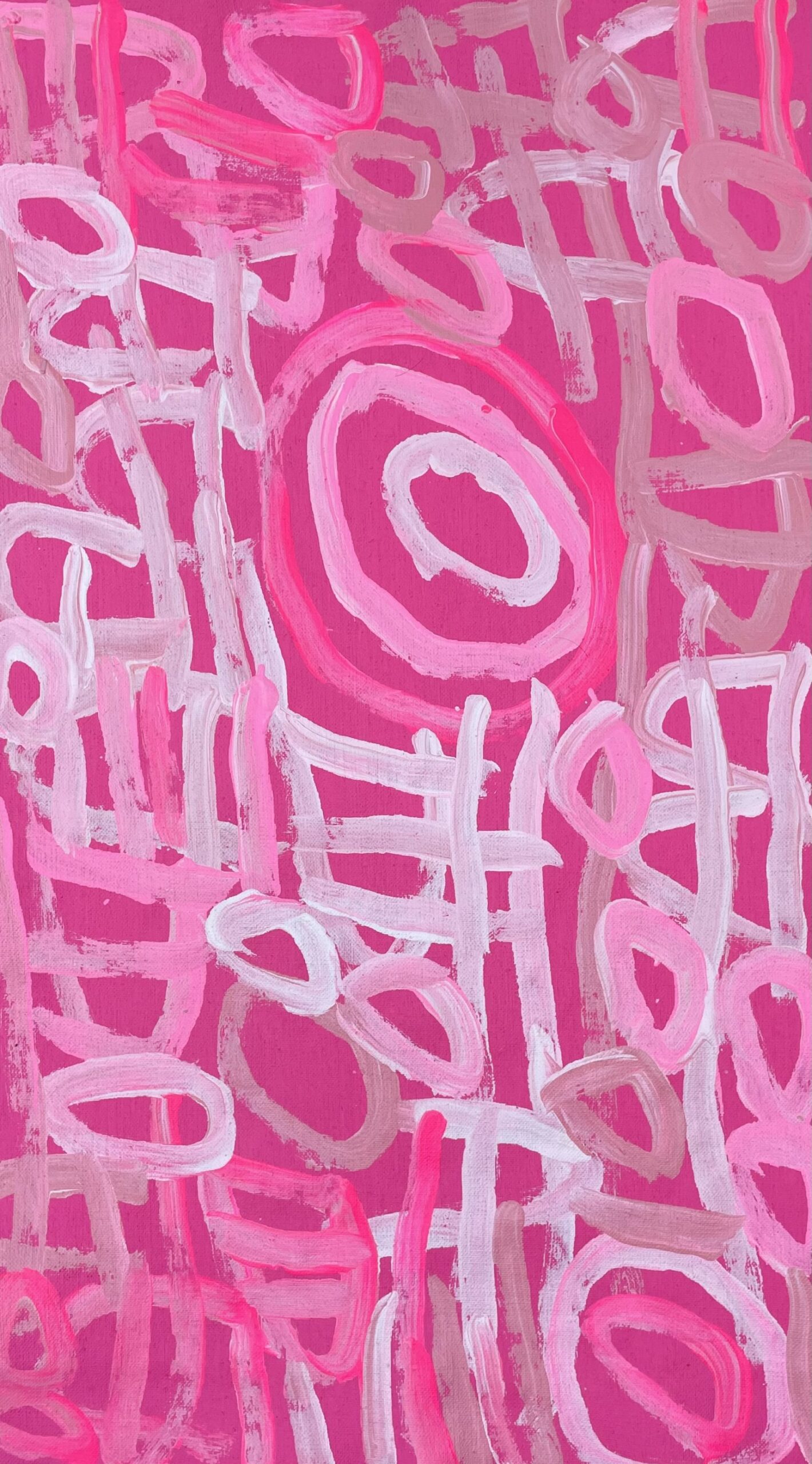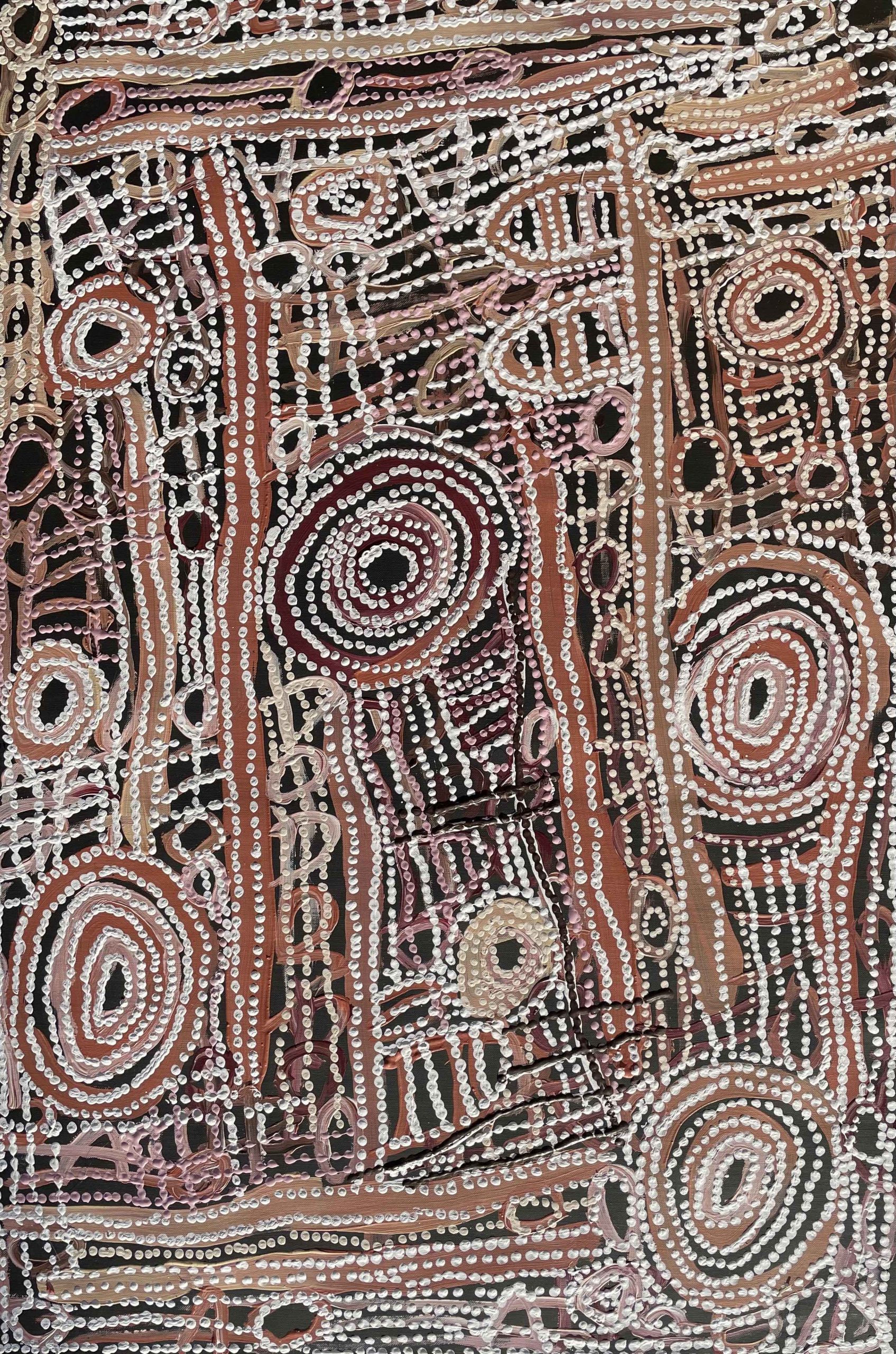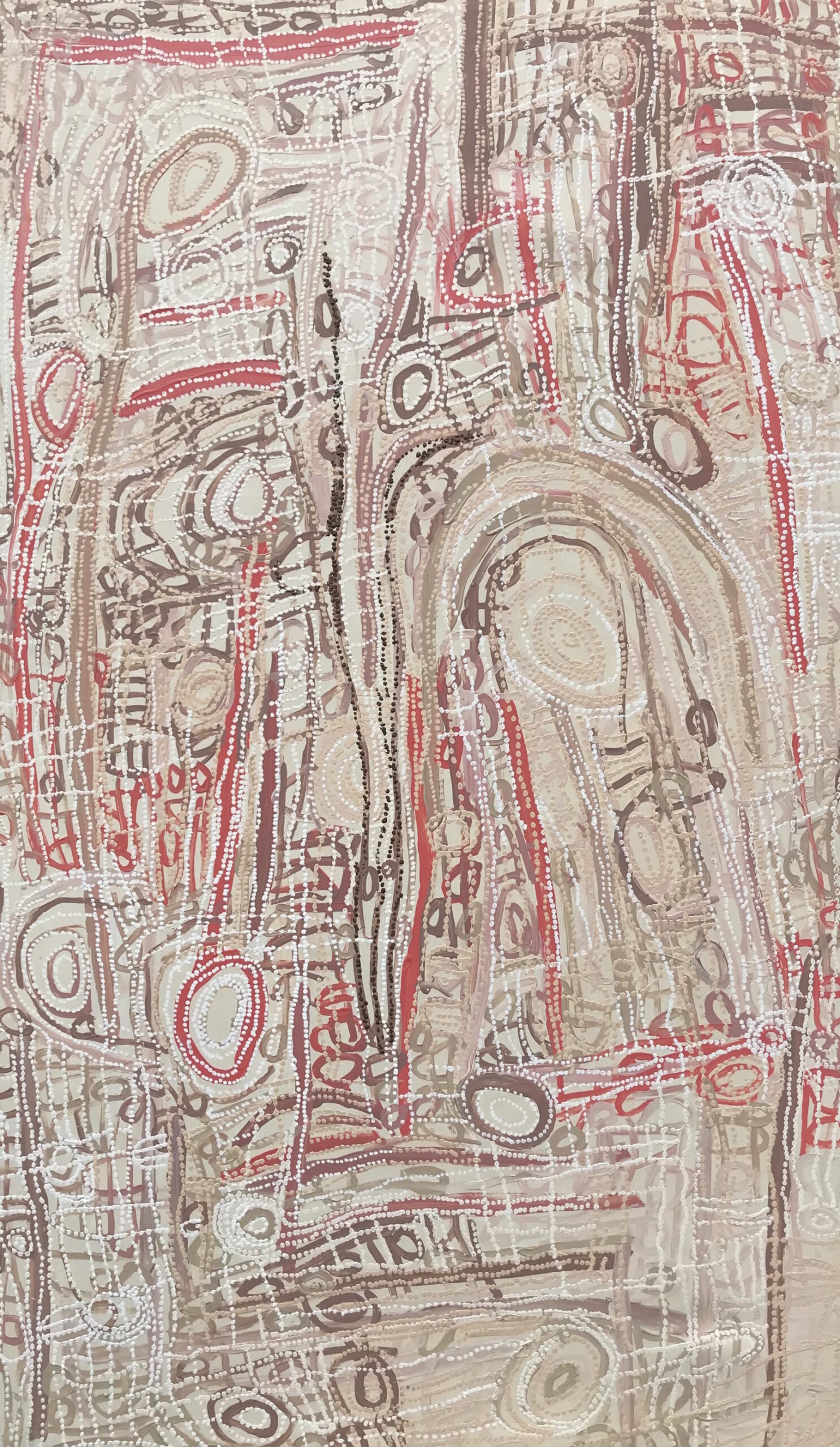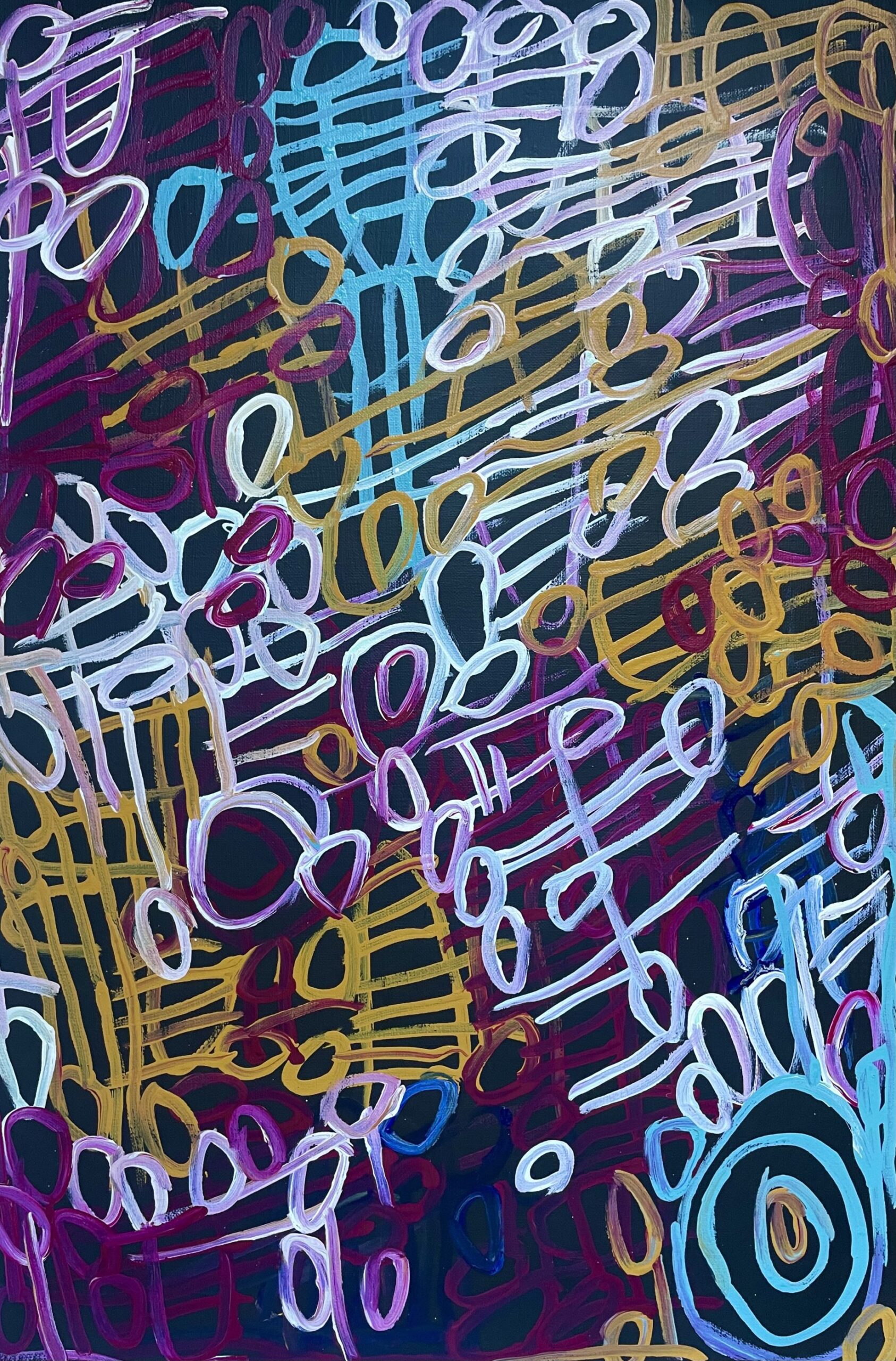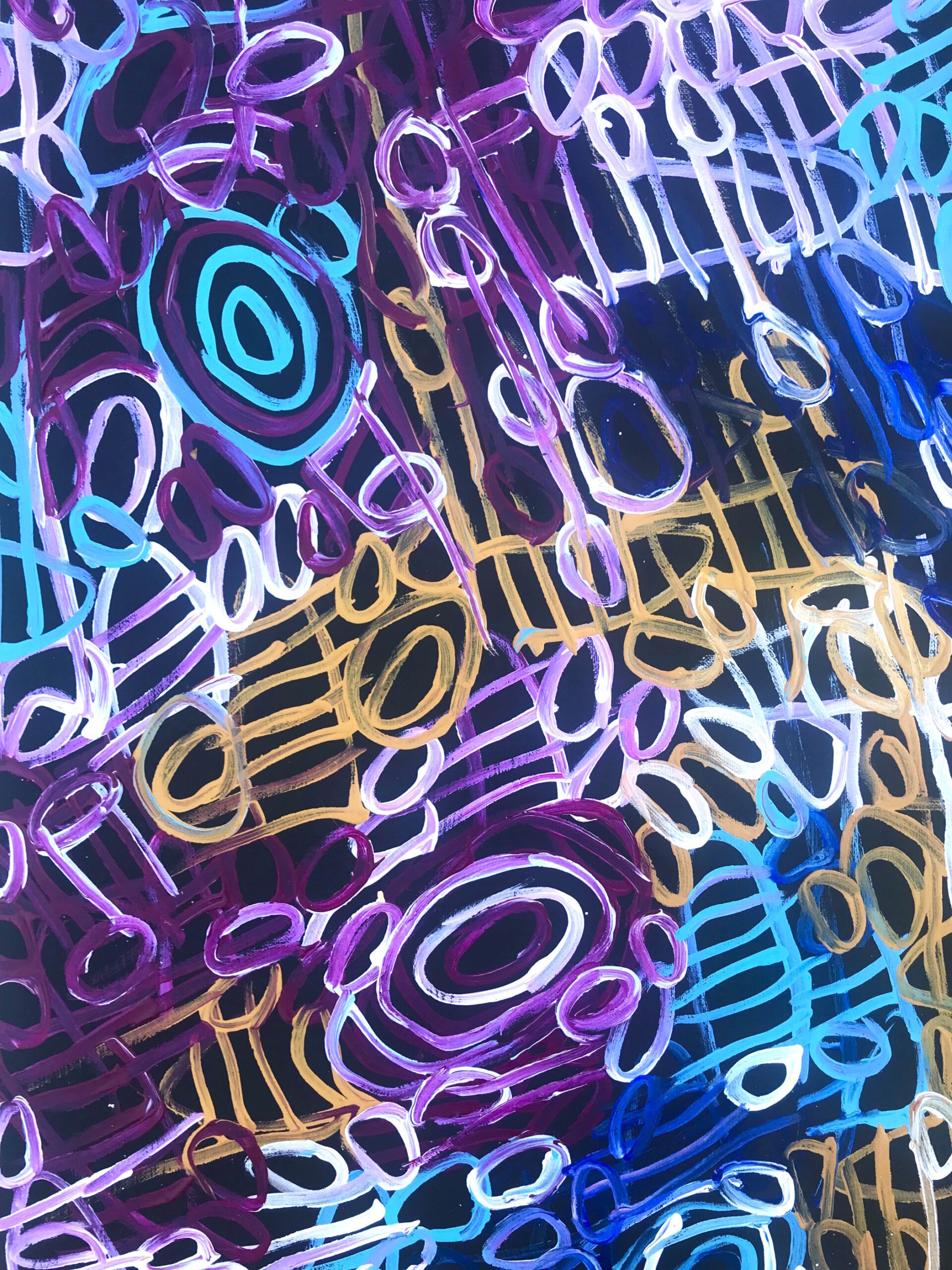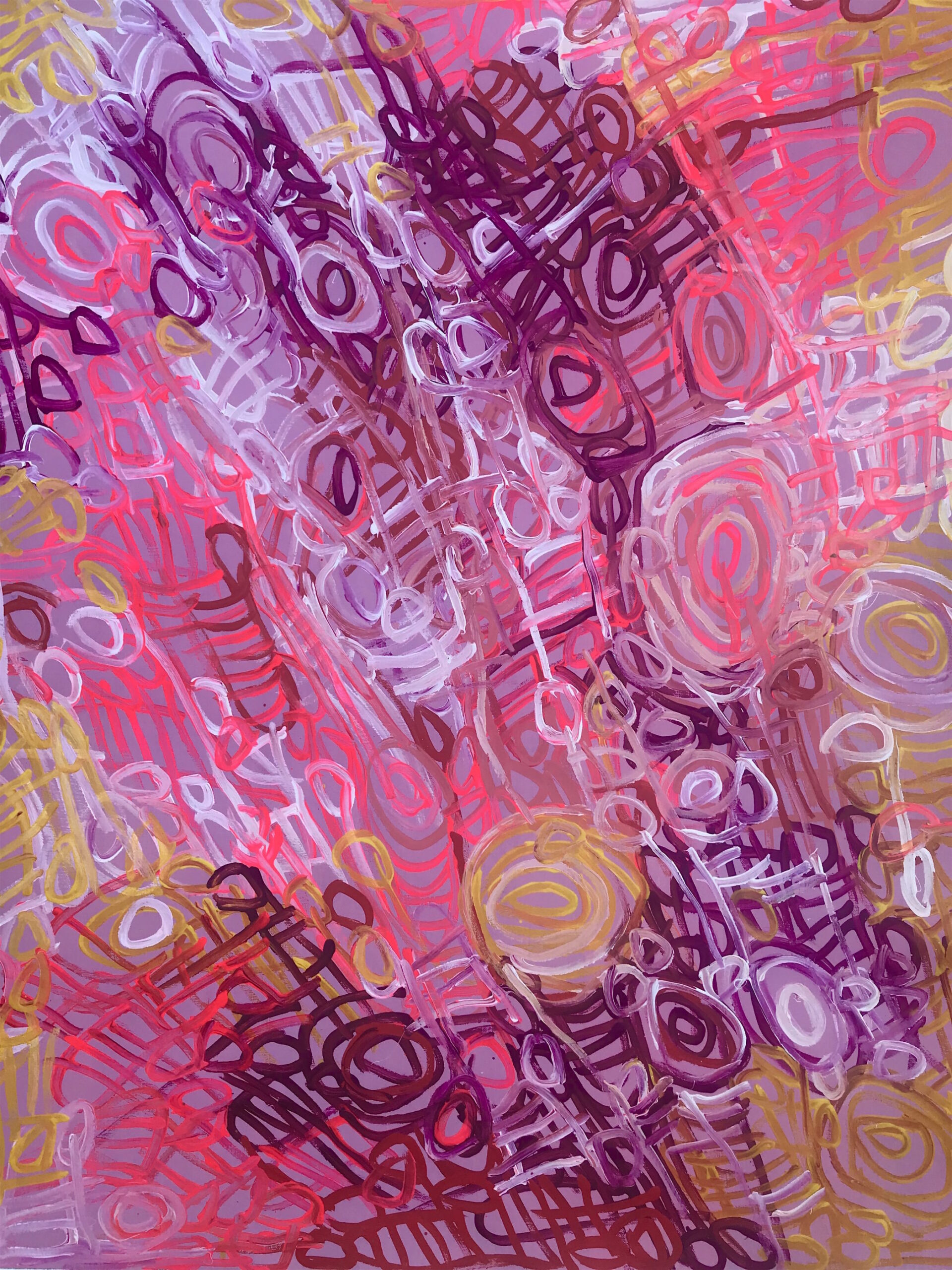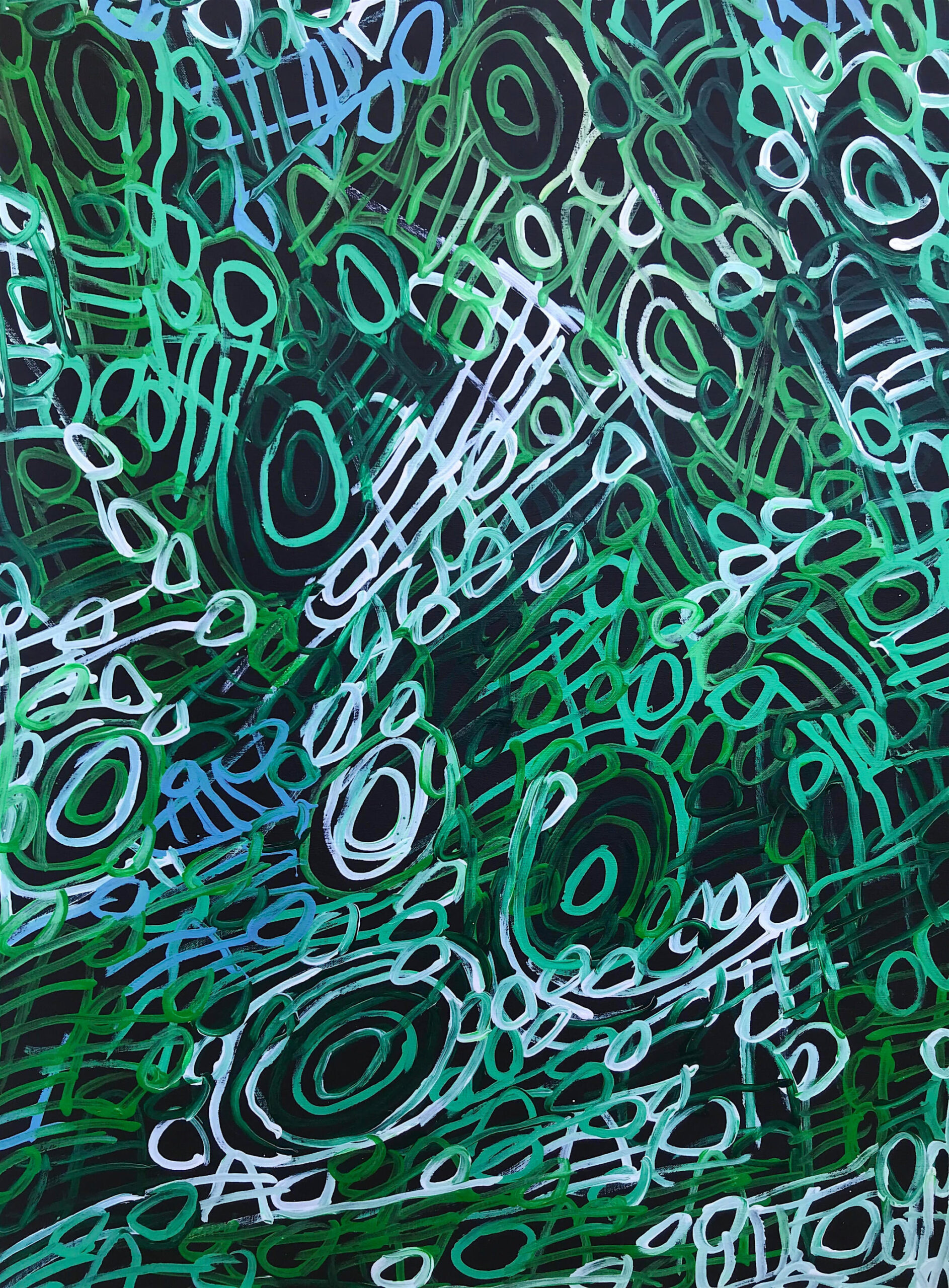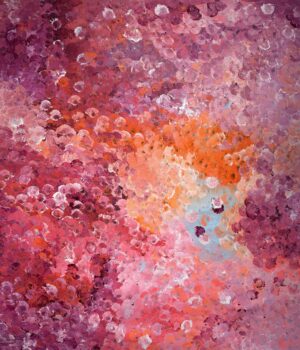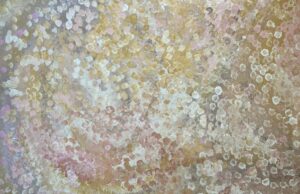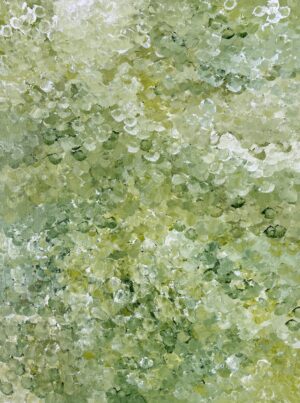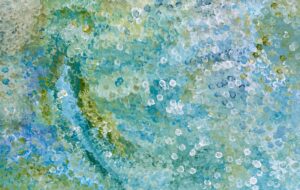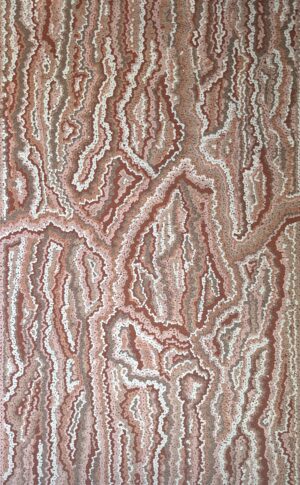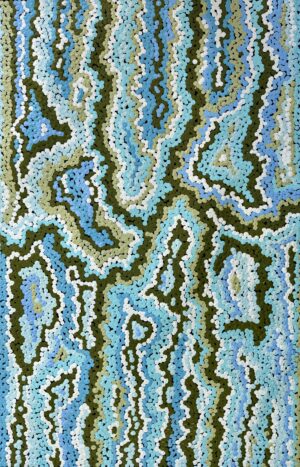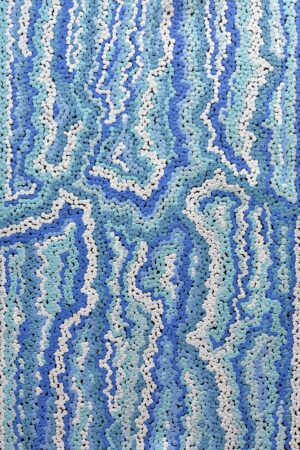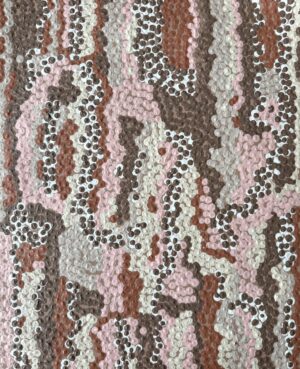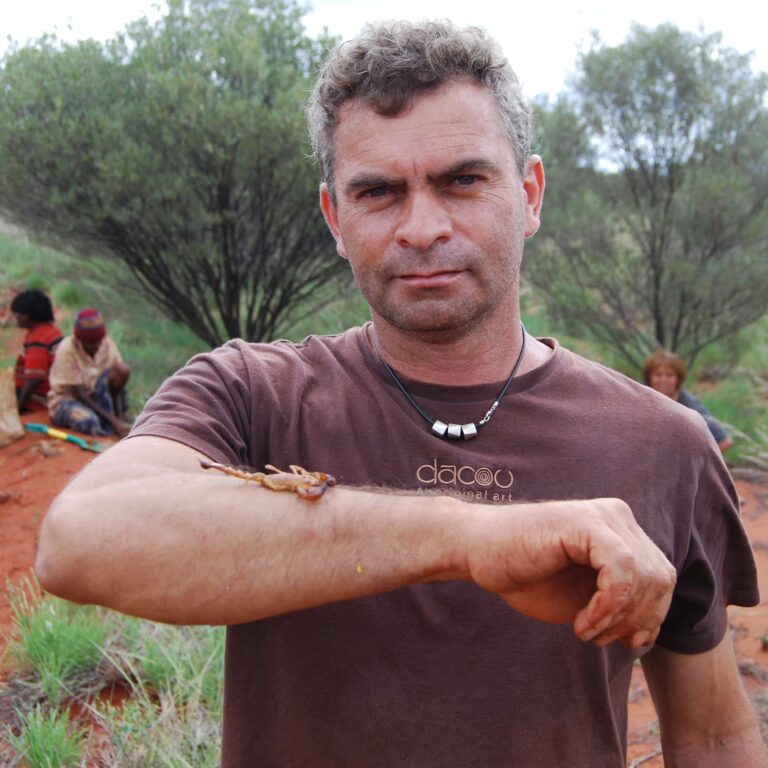
Freddy Purla known in the art world under his painting name, and known as Fred Torres in his role as founder of DACOU and senior curator at Pwerle Gallery, is both a practising artist and one of the most significant figures in the modern history of Aboriginal art representation. Born in 1968 in Darwin, he is the son of celebrated Utopia artist Barbara Weir, grandson of the late Minnie Pwerle and the nephew of Emily Kame Kngwarreye under Aboriginal Lore. He began painting in 1989 in Alice Springs, and in 1993 founded DACOU, the Dreaming Art Centre of Utopia, the gallery that would go on to bring his family's work and the wider Utopia art movement, to international attention.
Learn more abour Freddy Purla below.
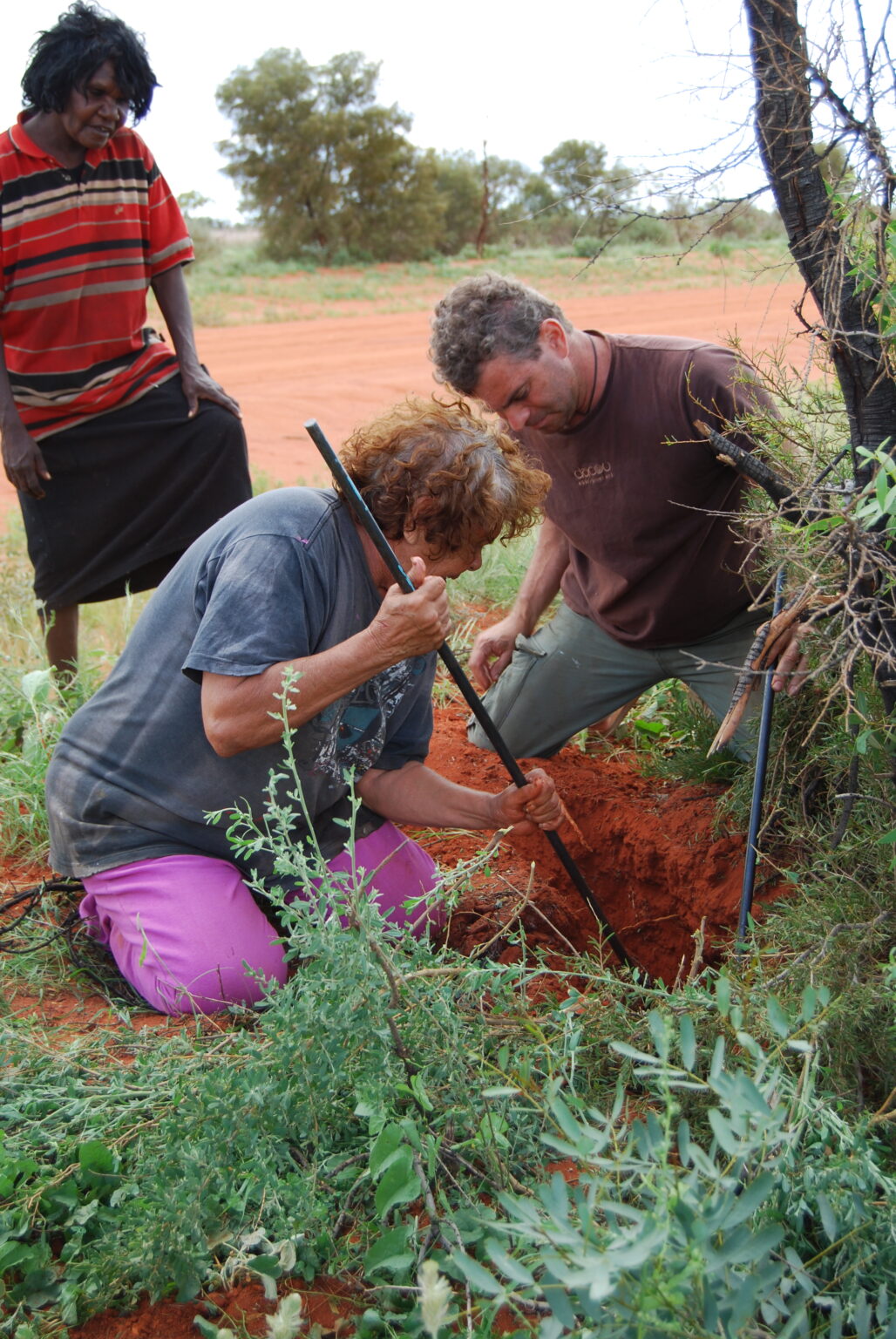
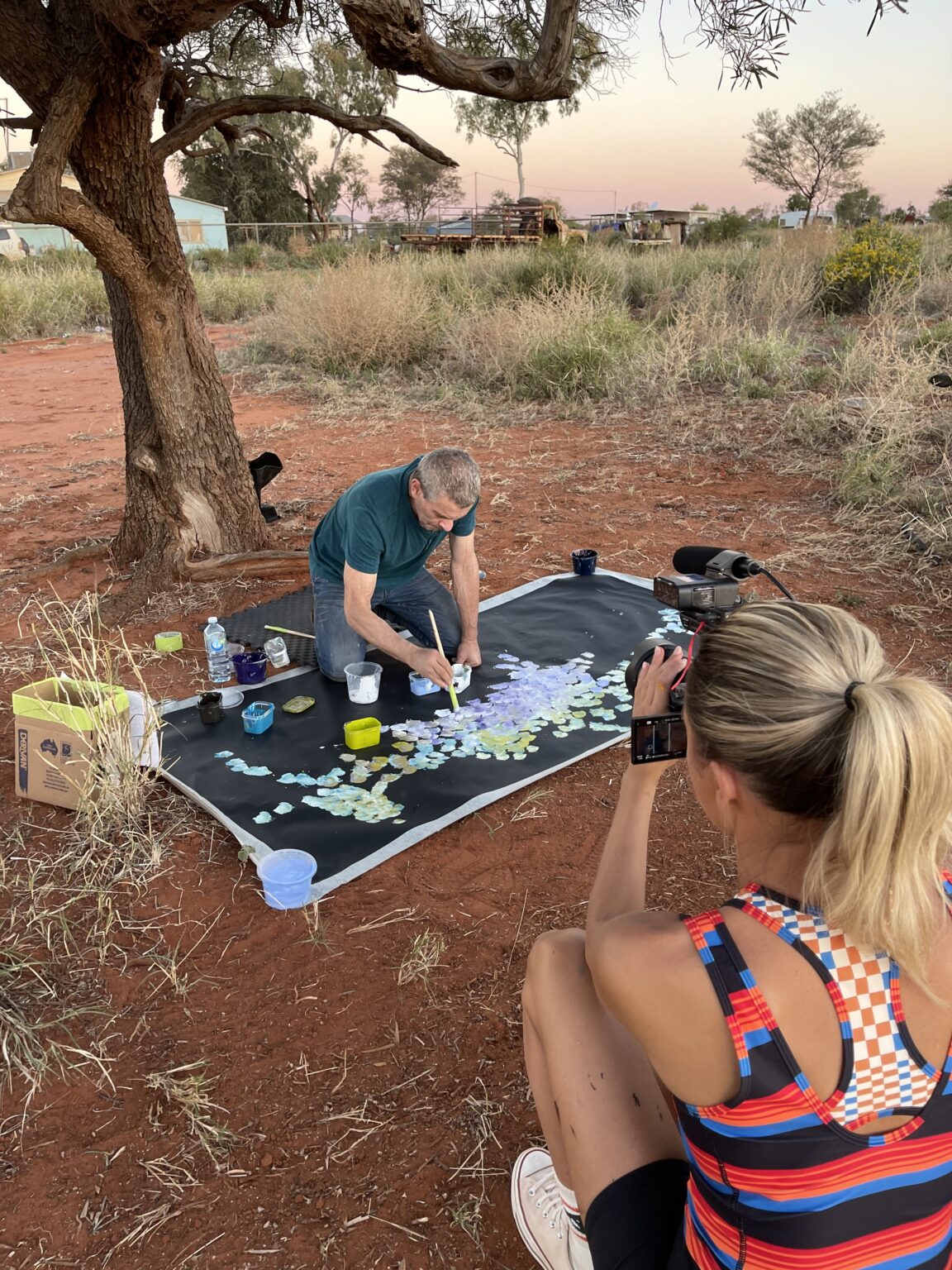
Freddy Purla spent much of his childhood visiting Utopia with his family, often staying for extended periods before travelling on to Alice Springs or Adelaide. That connection to Country has never left him, today he keeps a house in his community of Irrultja and returns regularly to spend weeks at a time there, immersing himself in the land that continues to shape his work.
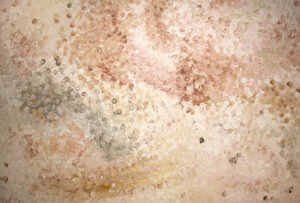
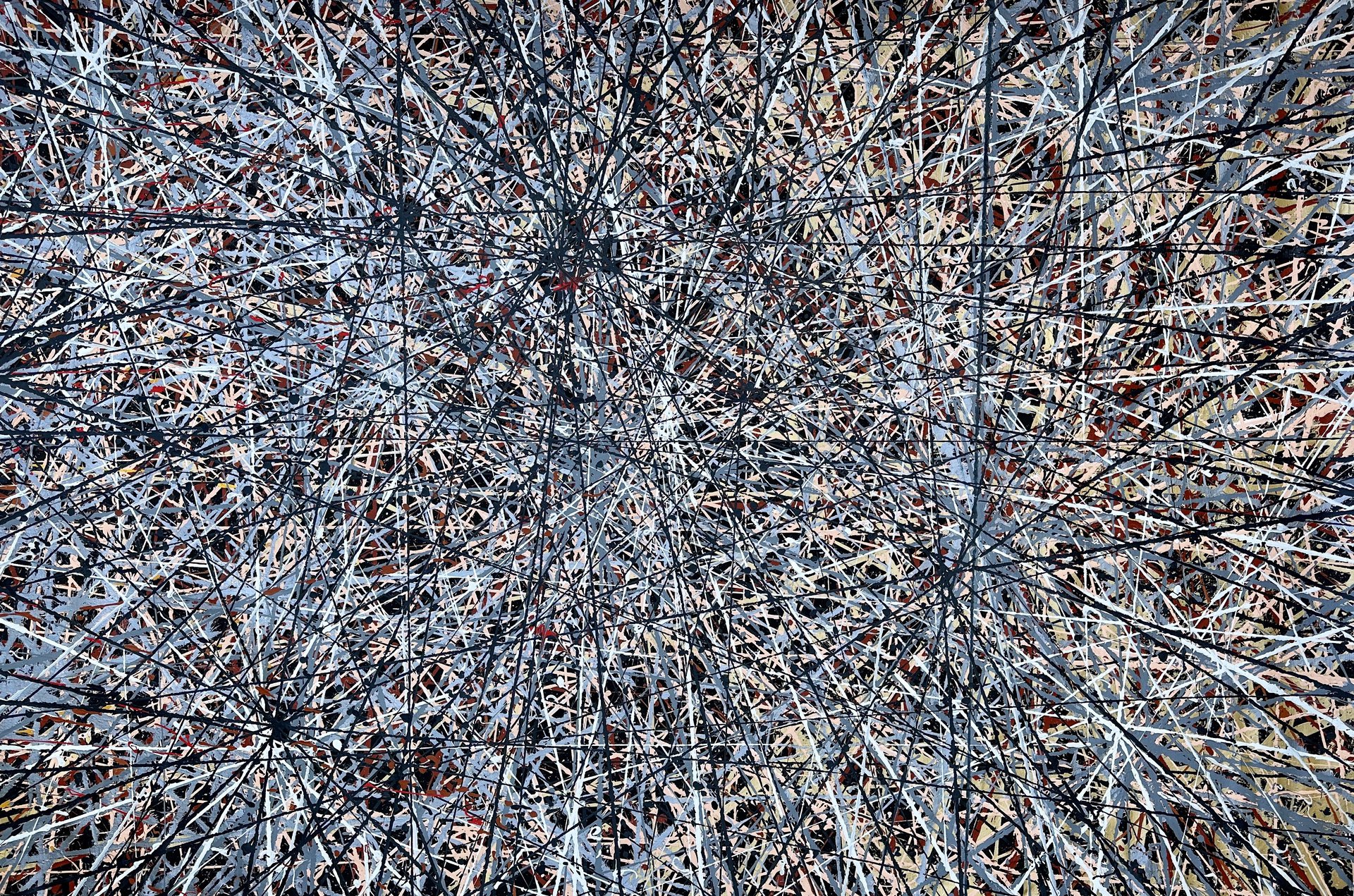
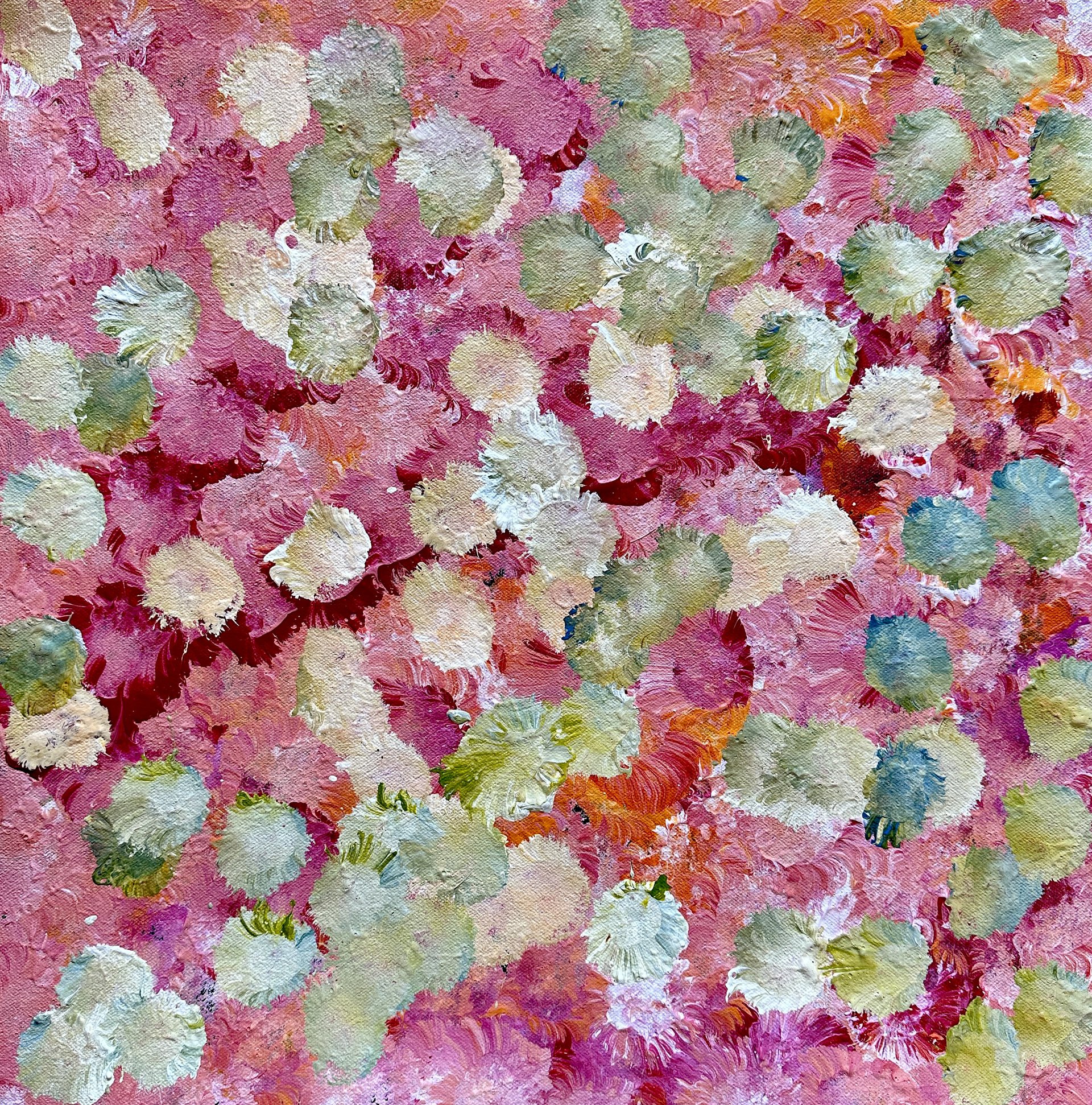
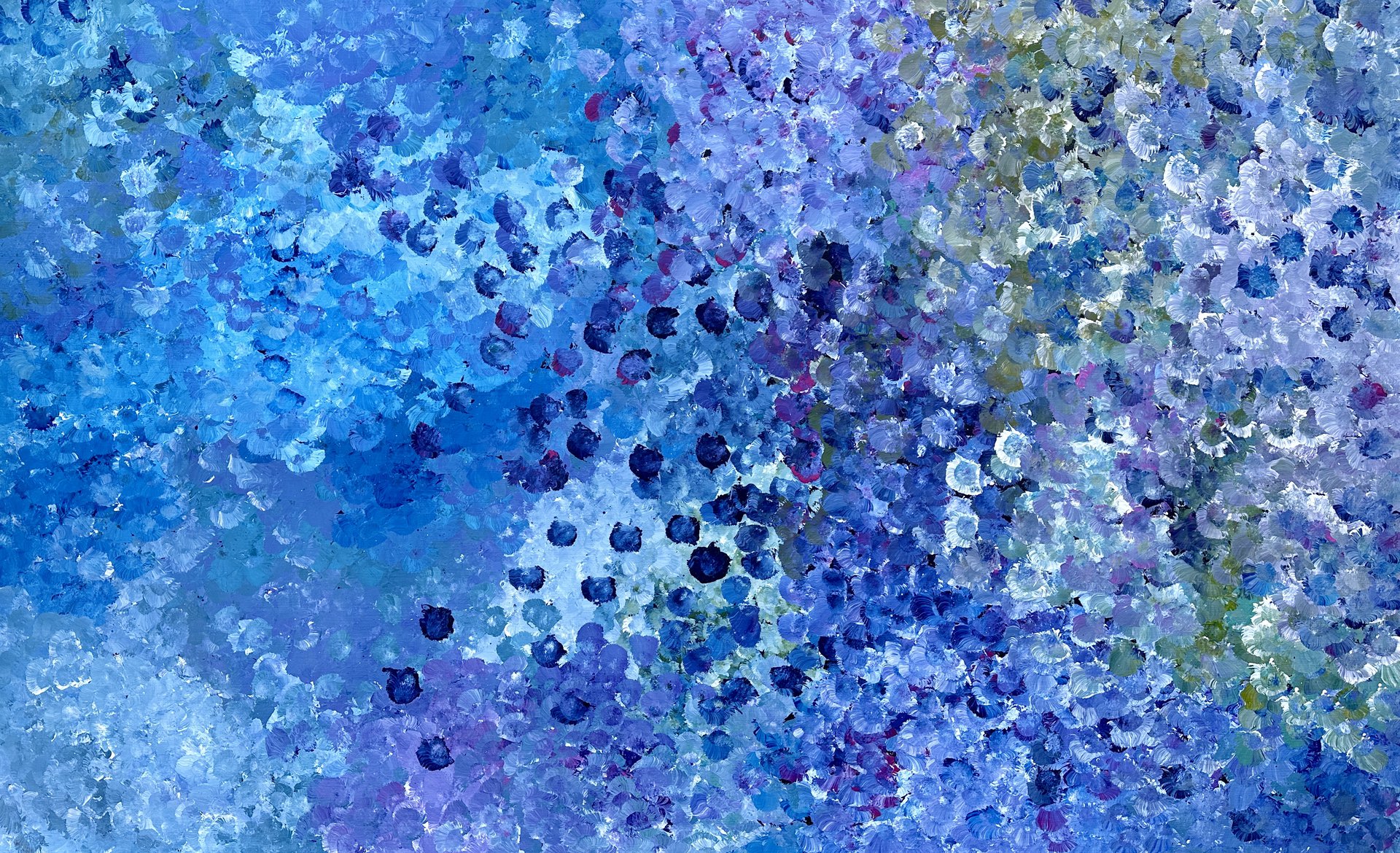
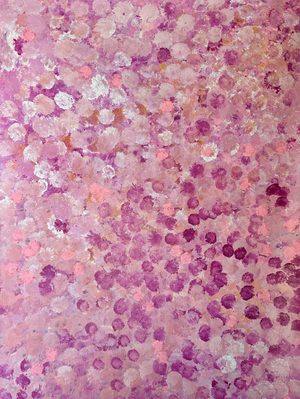
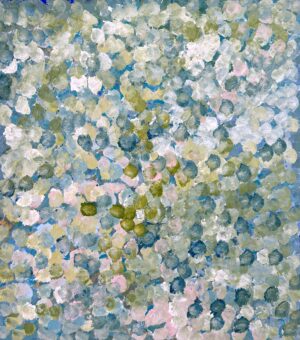
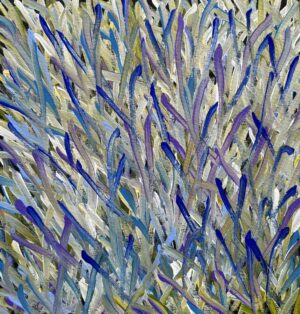
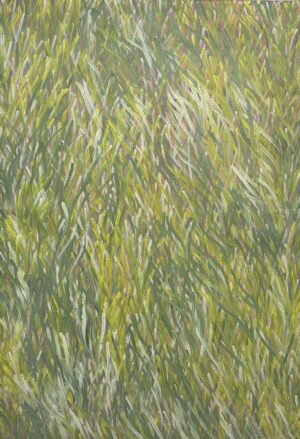
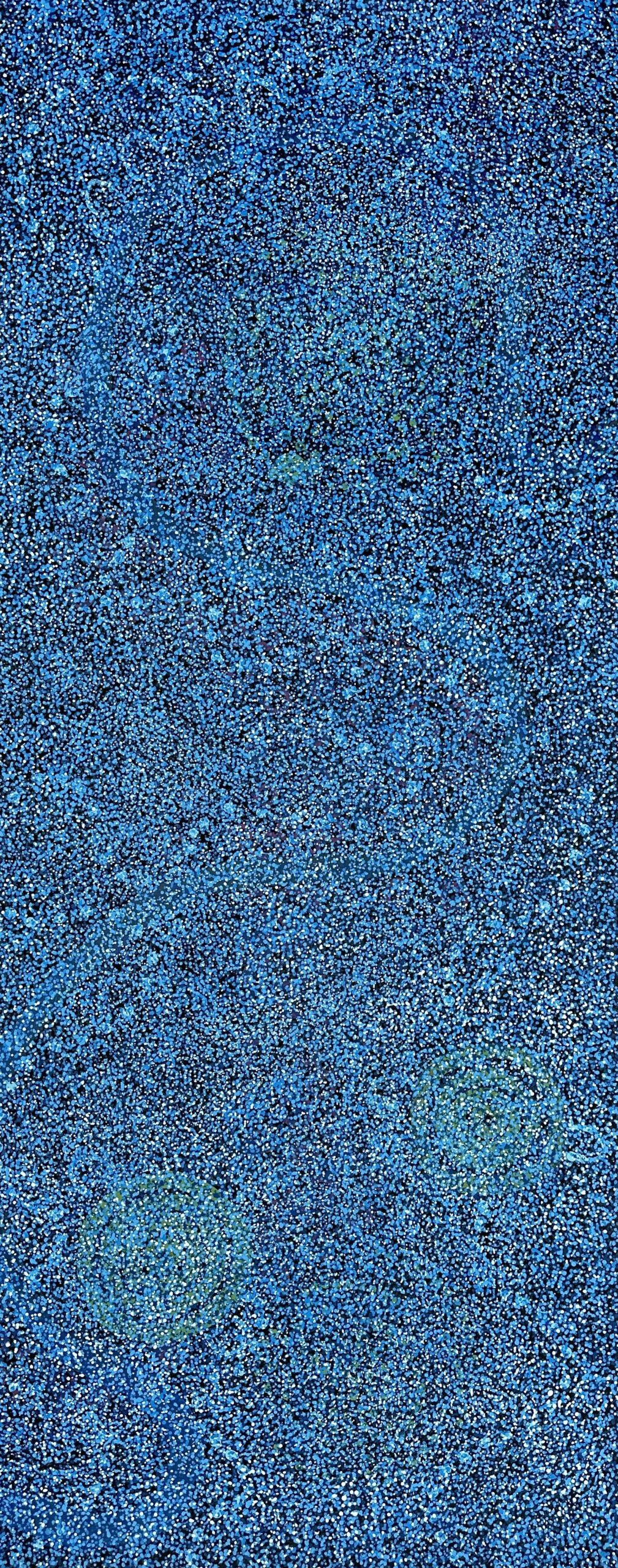
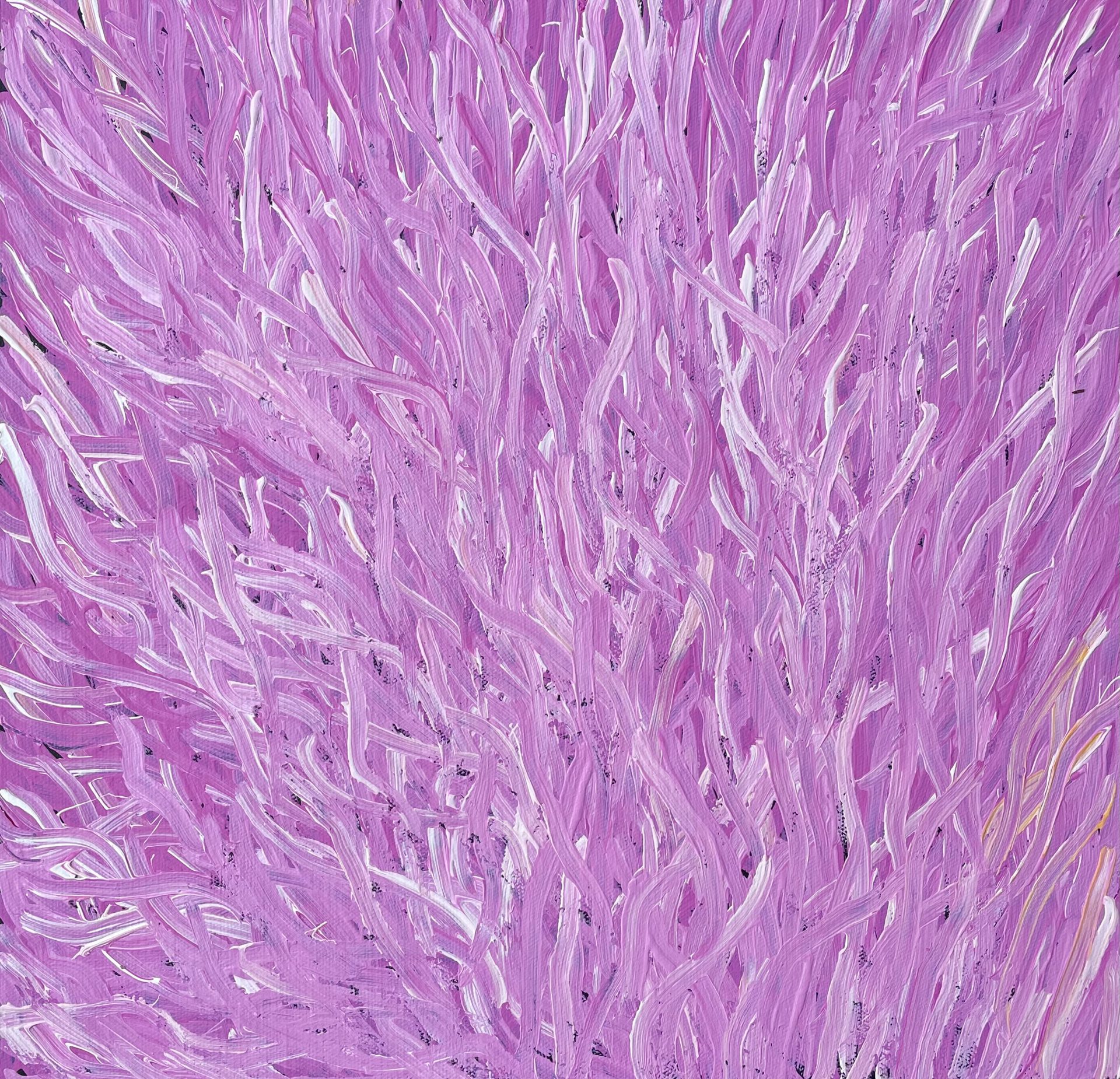
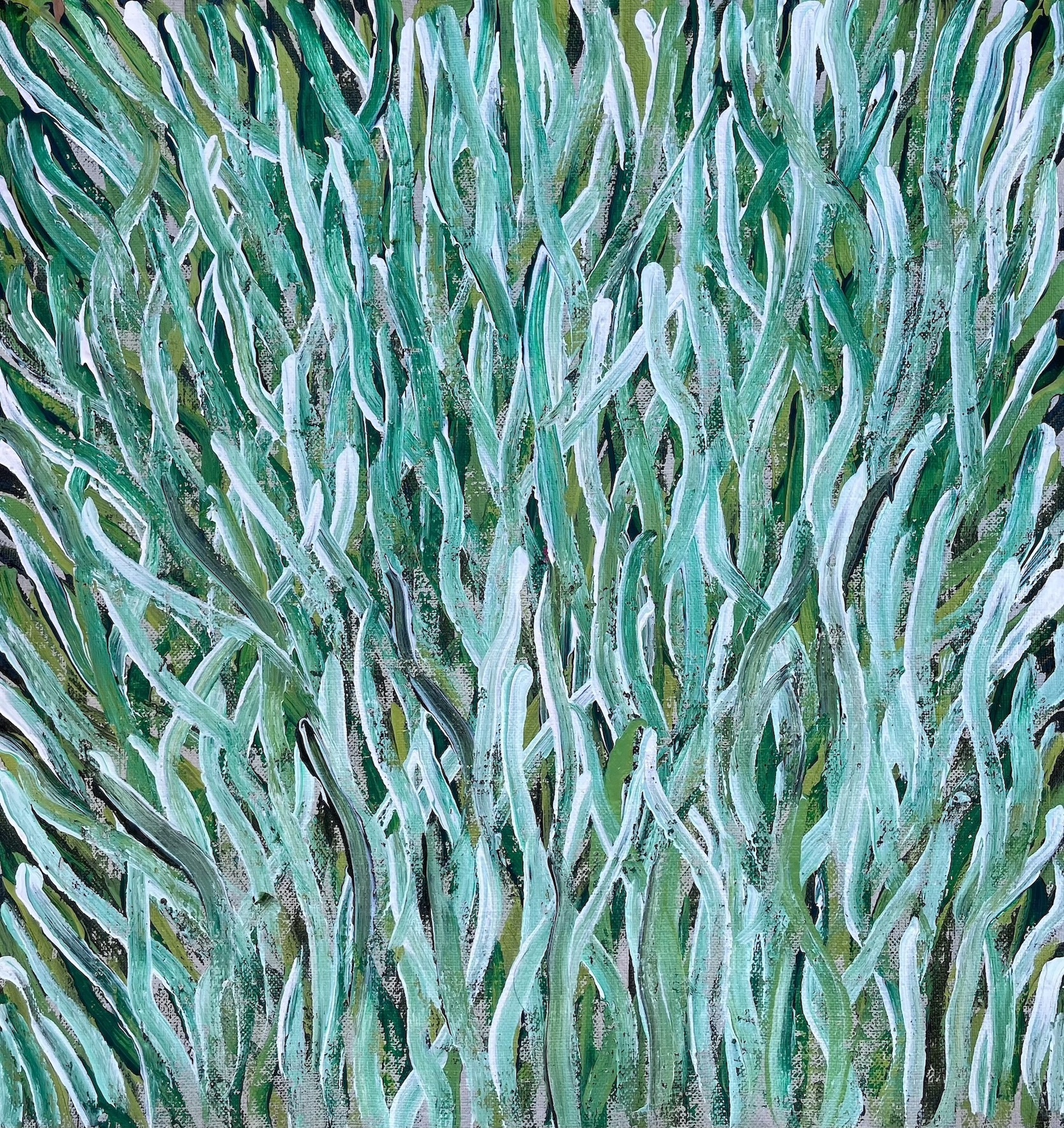
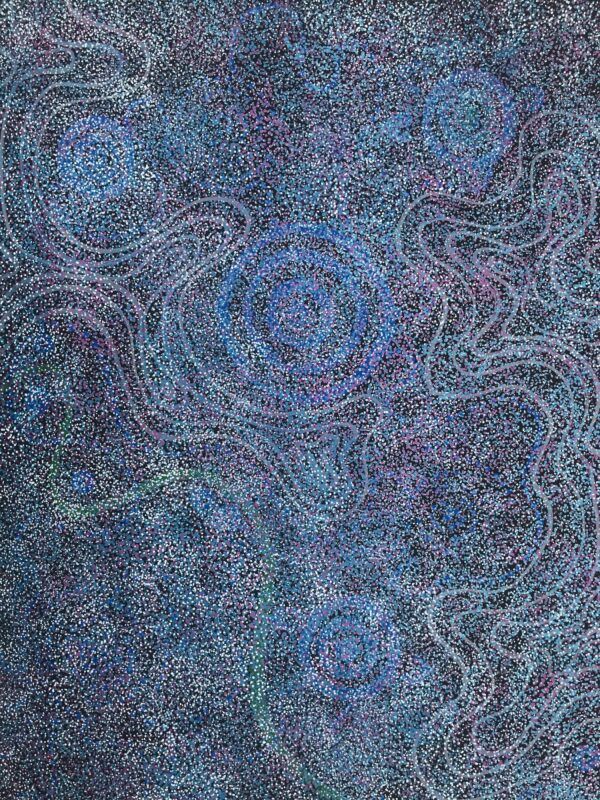
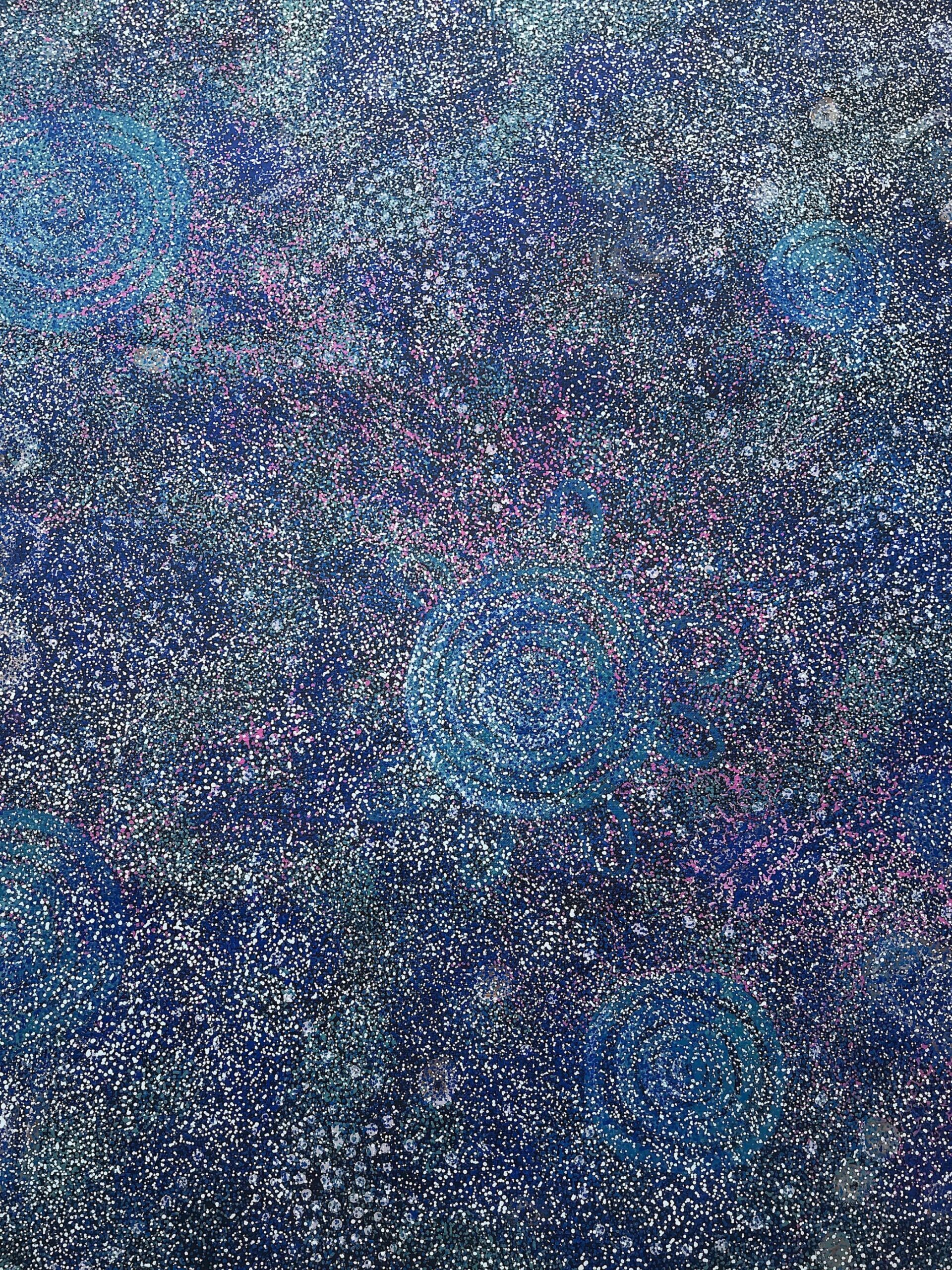
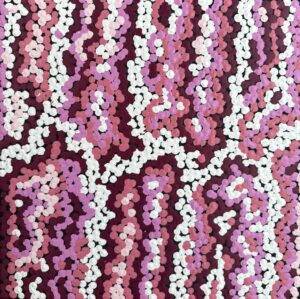
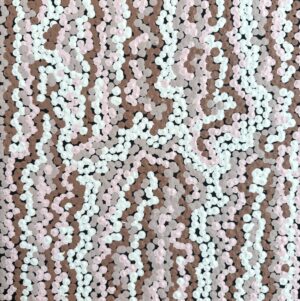
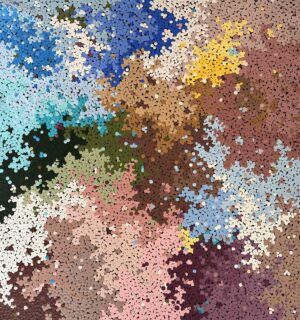
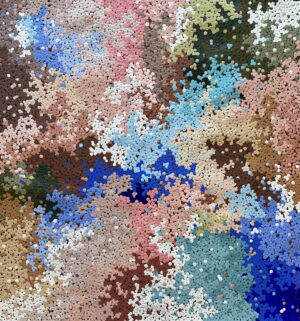
Purla has developed several distinct painting styles across his career. Sand Dunes, nominated for the Telstra Awards in 2003, captures the flow of wind across the sands of Atnwengerrp and the Sandover River, rendered as rippling, undulating lines. His Scorpion Dreaming series, developed from a totem passed down through his grandmother's family, depicts the courtship dance of the male and female scorpion, a creature respected and left undisturbed for its painful sting, rarely seen except for the tracks it leaves criss-crossed across the desert floor over hours of movement. More recently, Purla introduced My Grandmother's Country, a body of work paying tribute to the landscape that raised him and has continued to experiment with new directions in his practice since.
Purla's work has sold into collections across Germany, Amsterdam, Paris, Switzerland and New York and continues to appear at auction across major Australian auction houses.
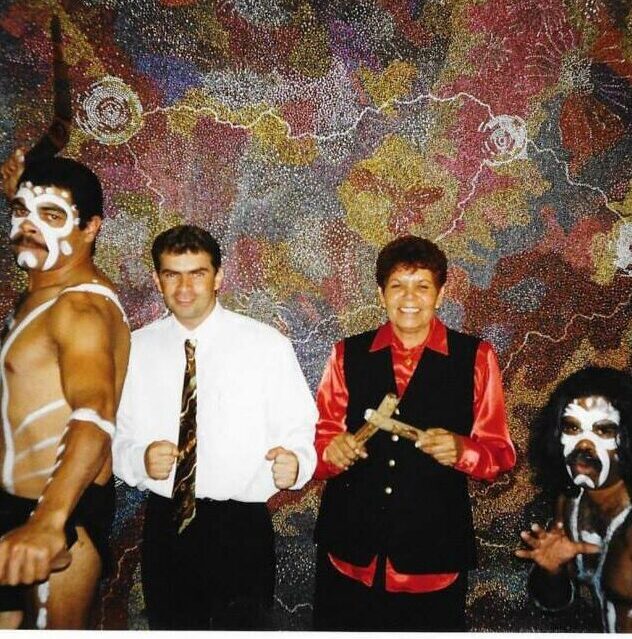
In 1993, Fred Torres founded DACOU - the Dreaming Art Centre of Utopia, not simply as a gallery, but as what has since been described as a movement. The name itself set out its purpose: a space where the stories, Dreamings and cultural knowledge of the Atnwengerrp community and the wider Utopia region could be shared, honoured and preserved through art.
With direct family ties to many of Utopia's most significant artists including his mother Barbara Weir, his grandmother Minnie Pwerle, his great-aunt Emily Kame Kngwarreye, and Gloria and Kathleen Petyarre - Fred built a model of representation grounded in kinship rather than commerce alone. Long before industry standards existed around it, he advocated for cultural authority, fair pay, first-hand provenance and the protection of Dreamings. He achieved all of this without a single dollar of government funding, DACOU was a wholly privately owned and operated Aboriginal gallery, at a time when the market was dominated by institutions and dealers far removed from the artists themselves.
Over three decades, Fred curated more than 300 exhibitions, reaching New York, London, Paris, Copenhagen, Seoul, Singapore and across Australia introducing the world to Utopia not as a remote desert region, but as a genuine creative powerhouse.
Fred was instrumental in bringing his great-aunt Emily Kame Kngwarreye's work to international attention. Emily began painting in her eighties and produced over 3,000 works in just eight years, many of them facilitated, documented and placed into major collections directly by Fred. He was present during the creation of her masterpiece Earth's Creation and her revered Final Series, ensuring their provenance and cultural context were properly protected and contributed major works to her landmark 1998 national retrospective, exhibited across every major Australian state gallery.
Fred was also the first to recognise and support the painting career of his grandmother, Minnie Pwerle, who like Emily began painting in her eighties. Under his encouragement, Minnie's vibrant Awelye works took the art world by storm within a matter of years.
Fred championed the voices of the women artists in his family at a time when the market heavily favoured male names - helping re-centre matriarchal stories, symbols and sacred sites in the commercial conversation, a genuinely necessary shift at the time.
In late 2009, Fred curated Emily Kame Kngwarreye: The Person and Her Paintings in Melbourne, a family-curated exhibition bringing together more than 80 original works across Emily's major series and the most comprehensive showing of her work staged by her own family since her passing in 1996. The exhibition was attended by John Morse AM, former Managing Director of Tourism Australia and Margo Neale, senior Indigenous curator at the National Museum of Australia, who had curated Emily's major international retrospective the year before. Morse, opening the exhibition, described DACOU as the most eminent Aboriginal owned gallery in Australia, achieved entirely without government support. Fred himself spoke about the personal nature of the show pulling from DACOU's own private stock, surrounded by family, including his mother, who travelled several days to attend.
Although DACOU is no longer operational, its legacy continues through Pwerle Gallery, founded by Fred's daughter, Jade Akamarre, in 2015 an Aboriginal-owned, non-government funded gallery built on everything DACOU stood for. Fred remains a central part of Pwerle Gallery today, working as a full-time artist, global art advisor and senior curator, with relationships across institutions, curators and collectors worldwide that continue to open doors for the artists the gallery represents.
Buying Freddy Purla's work through Pwerle Gallery is about as close to the source as collecting original art can get. He isn't a name the gallery represents at a distance, he is the gallery's own founder and today its senior curator and global art advisor. Every piece carries not just the family lineage that runs through the entire Pwerle Gallery collection, but the direct authority of the person who spent three decades building the very infrastructure of trust, provenance and cultural protocol that the rest of the Aboriginal art market has since had to catch up to.
Where other artists in this collection are represented by their family, Freddy Purla represents himself, he is present, he is verifying and he is the same person whose judgement placed works by Emily Kame Kngwarreye and Minnie Pwerle into major collections around the world. Few collectors anywhere have the opportunity to buy directly from an artist with this level of personal history inside the market itself.
This isn't a case of buying through a gallery that happens to have a connection to the artist. The artist built the gallery. There is no distance between the work and its provenance - only the artist's own hand, twice over.
Original works by Minnie Pwerle are available to view and purchase through Pwerle Gallery, by private appointment. Every piece is sold with full, direct family provenance.
Enquire about available works | Book a private viewing | hello@pwerle.com.au