pwerle-logo

STOLEN GENERATION

Barbara Weir’s Story

Survival, Return, and Cultural Reconnection

From the late 1800s through to the 1970s, Aboriginal and Torres Strait Islander children were forcibly removed from their families as part of a government policy now known as the Stolen Generations. Under the guise of “protection” and assimilation, thousands of children were taken from their homes—often without warning, consent, or explanation—and placed in missions, foster homes, or institutions. The goal was to erase Aboriginal identity, language, and culture.

Children were cut off from their families, forbidden from speaking their native languages, and taught to feel ashamed of their heritage. Many never saw their parents again. This policy inflicted intergenerational trauma that continues to affect Aboriginal communities to this day.

One of those children was our grandmother, Barbara Weir.
Born in 1940 on Bundy River Station in the Utopia region of Central Australia, Barbara was the daughter of Aboriginal artist Minnie Pwerle and Irish station owner Jack Weir. Because of her mixed ancestry, she became a target of these removal policies. When she was just nine years old, despite her family’s efforts to protect her, she was taken by authorities. Her family believed she had died.

What followed was over a decade of forced separation. Barbara was placed in a series of non-Indigenous foster homes in Alice Springs, Victoria, and Darwin. She was cut off from her language, her Country, and her people. Like many stolen children, she grew up without knowing where she truly came from, and without any understanding of the culture she had been taken from.

It wasn’t until many years later that Barbara found her way back to Utopia. She returned as a grown woman and mother of six children, determined to reclaim her heritage—but the pain of her removal had left deep scars. Her family didn’t recognise her. Her language had been lost. Her identity had been fractured.

But Barbara was strong.
With the support of her aunt, the renowned artist Emily Kame Kngwarreye, she began the long journey of reconnection—learning her Anmatyerre and Alyawarre languages, participating in ceremony, and earning back her place within the community she had been taken from. She eventually became the first female president of the Urapuntja Council, a key voice in land rights, and later an acclaimed international artist.

Barbara’s story is not an isolated one—but it is a deeply personal reminder of what the Stolen Generations did to so many families, including ours. Her journey from stolen child to cultural leader is both painful and powerful, and we carry her truth with us in everything we do at Pwerle Gallery.

Understanding the history of the Stolen Generations is essential to understanding Aboriginal art, identity, and resilience. It is not just history—it is lived experience. It shaped who Barbara was. It shaped who we are.

Her story must be remembered. Her survival must be honoured.

→ Learn more about Barbara Weir and her art here.

introducing: STORIES OF MY PEOPLE - BARBARA WEIR

A four-part documentary series capturing the life, resilience, and cultural legacy of acclaimed Aboriginal artist Barbara Weir.

This powerful series traces Barbara’s journey from her days in Utopia as a young child, through the trauma of being removed as part of the Stolen Generations, and into her reclamation of identity, language, and community. It continues with her emergence as an artist, acclaimed nationally and internationally, and concludes with her role as a cultural leader, mentor, and bridge between worlds.

The documentary was produced by a dedicated film team chosen to thoughtfully share Barbara’s story—highlighting not only her personal experiences but the broader history of Aboriginal survival and artistic expression. Their work ensures that Barbara’s voice remains central, her story preserved, and her impact celebrated for generations to come.

To learn more, visit redearthmarket.com.au
STORIES OF MY PEOPLE - PART 1

Taken – A Childhood Disrupted

In the first segment, Barbara introduces herself and begins by sharing her early childhood in the Utopia region, describing growing up under the care of her great-aunt, Emily Kame Kngwarreye, to protect her from welfare authorities. She recounts being taken at age nine as one of the Stolen Generations and placed in various non-Indigenous foster homes far from her family and Country—a traumatic separation that shaped her identity. Throughout her narrative, Barbara speaks with grace and strength, laying the foundation for the rest of her deeply moving story.

STORIES OF MY PEOPLE - PART 2

Lost and Found – Reclaiming Language and Identity

In this part, Barbara shares her experience of being taken from her family and placed in foster homes across Australia. Forbidden to speak her languages and told her mother had died, she spent years disconnected from her culture and identity.

Later, after marrying and moving to Papunya, she discovered her mother was alive. Barbara returned to Utopia with her children and slowly rebuilt her connection to family, Country, and language—relearning Anmatyerre and Alyawarre with the guidance of her aunt, Emily Kame Kngwarreye. This chapter of her life reflects strength, healing, and cultural reclamation.

STORIES OF MY PEOPLE - PART 3

Art, Identity, and Cultural Revival

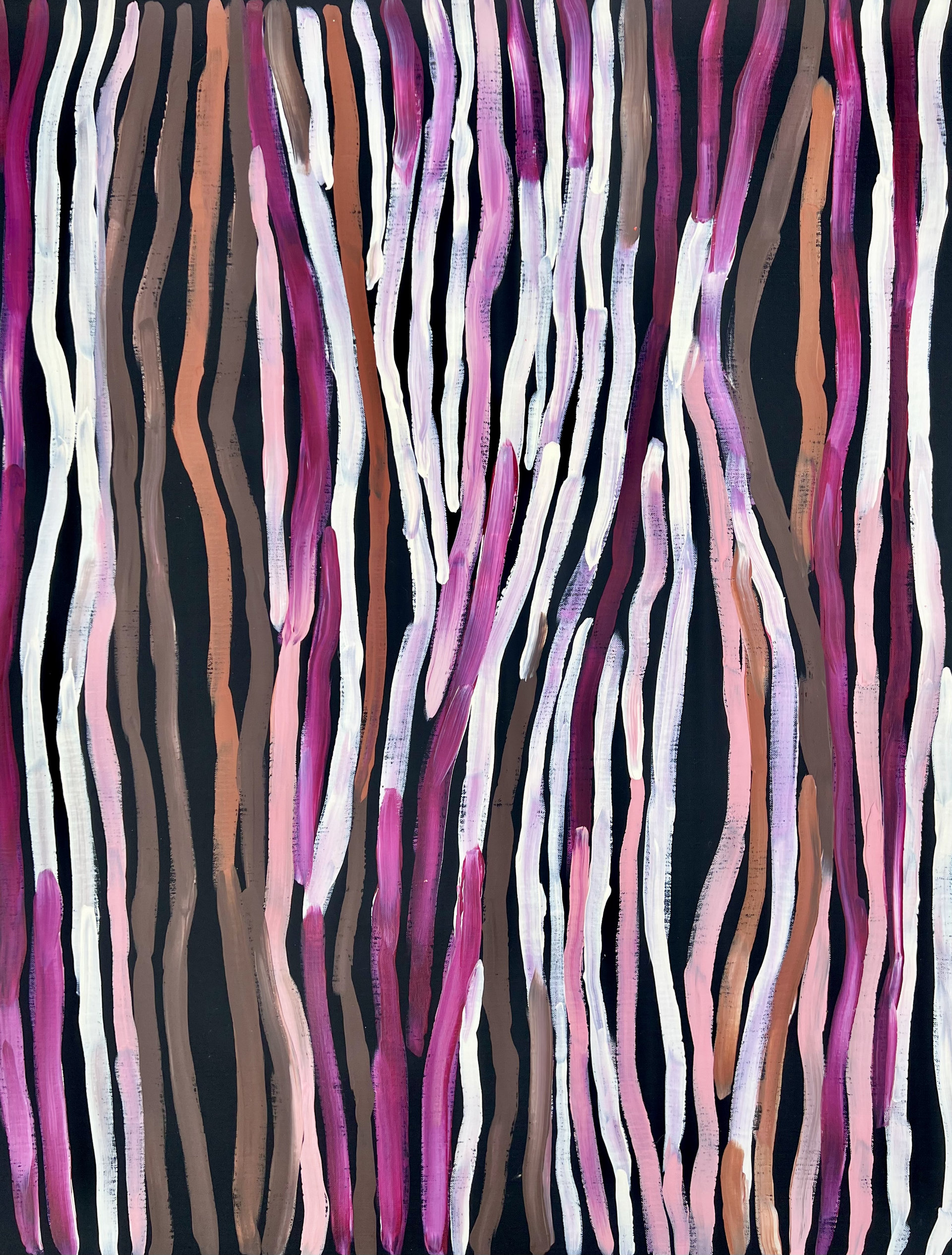
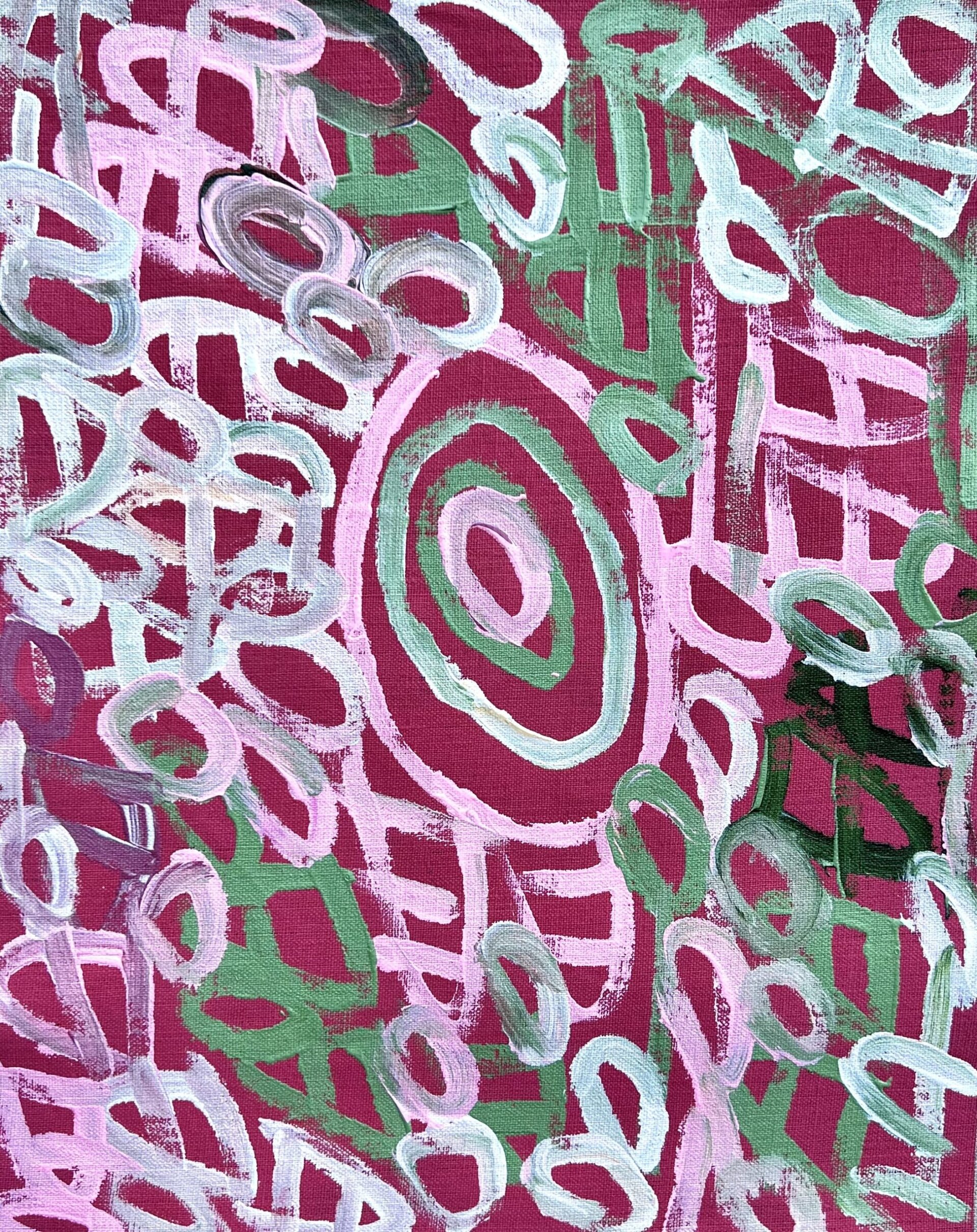
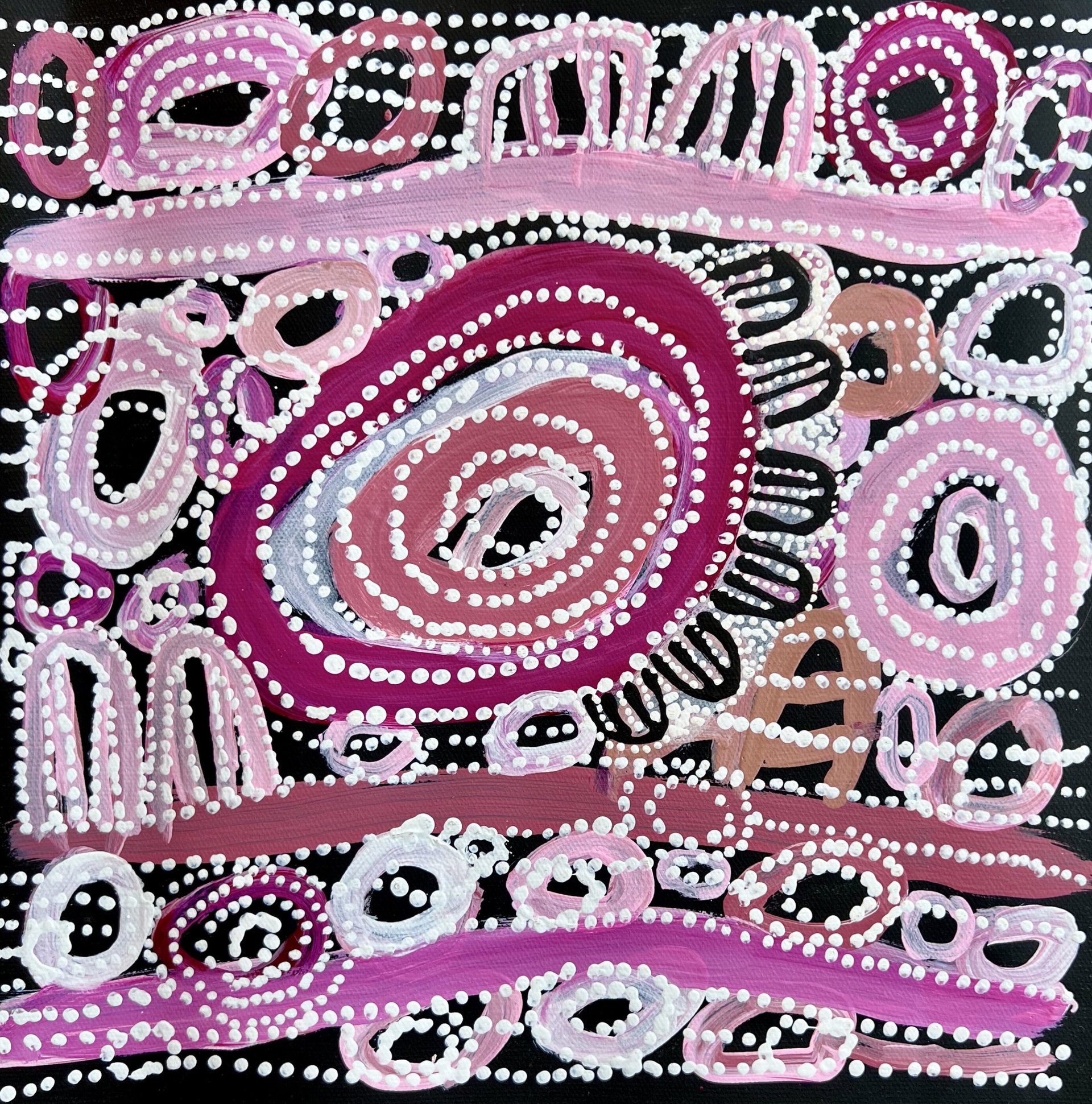
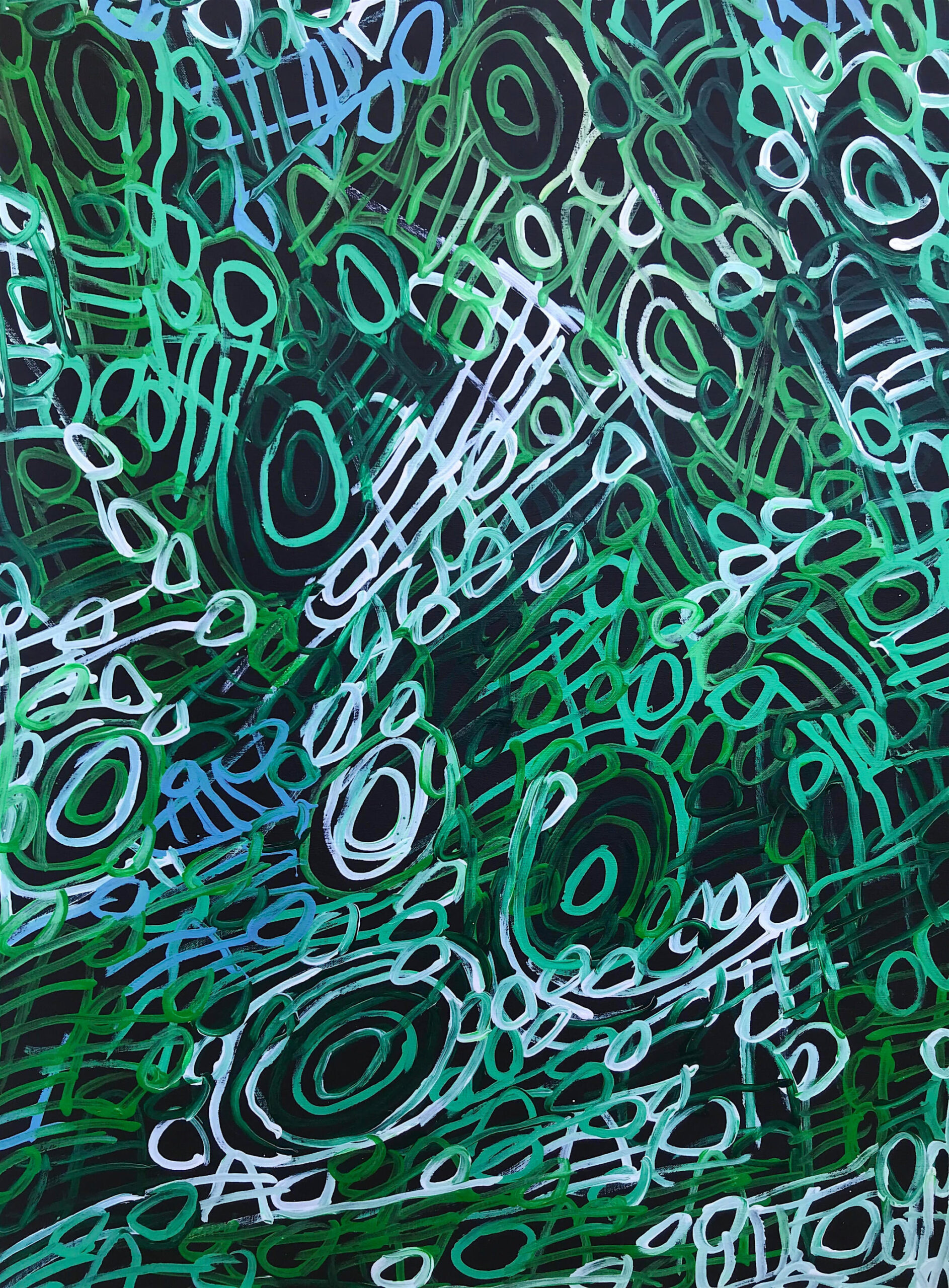
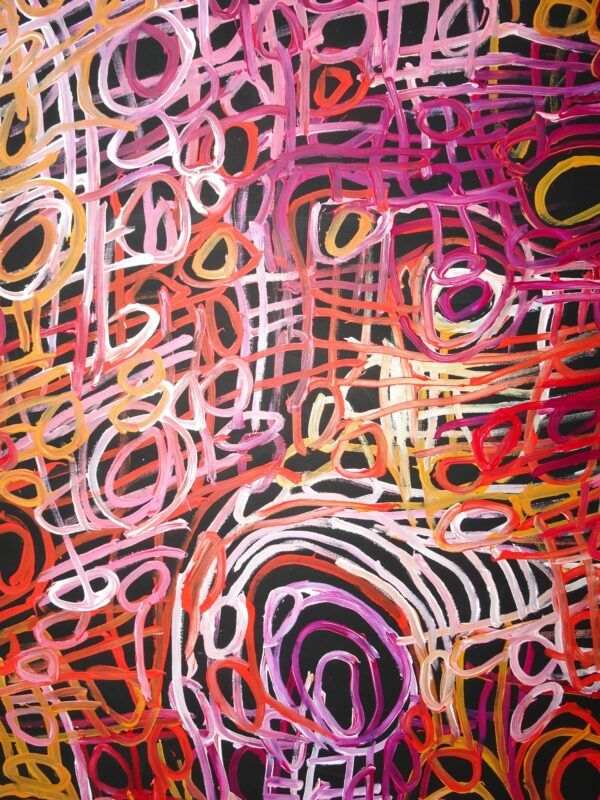
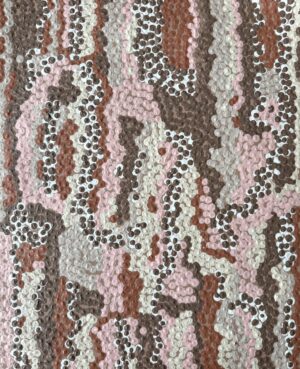
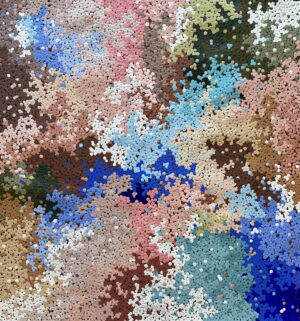
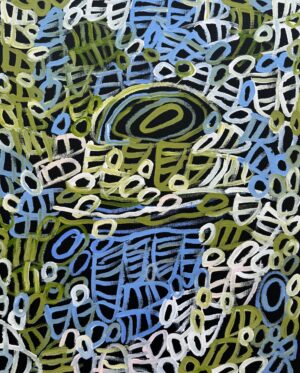
In Part 3, Barbara Weir delves into how her healing journey and reconnection with family spurred the start of her artistic career. Inspired by her aunt, Emily Kame Kngwarreye, and the vibrant artistic community in Utopia, Barbara began exploring painting in the late 1980s. The segment highlights her experimentation with styles—merging traditional ceremony, natural ochres, and her own contemporary voice—and reflects on how art became a pathway to strengthen her cultural identity and share her story with the world. Her work, including renowned series like “Grass Seed” and “My Mother’s Country,” emerged during this period and were soon celebrated both in Australia and internationally.

STORIES OF MY PEOPLE - PART 4

Art as Voice – Workshops, Travel & Legacy

In this final part, Barbara Weir reflects on how embracing her artistic path allowed her to share culture, strengthen community ties, and find her own voice. She recalls travelling to Indonesia in the early 1990s to study batik—a journey that transformed her style and sparked creative exploration. Returning home, Barbara engaged deeply in mentoring others; she led workshops in Utopia and internationally—empowering new generations and passing on her skills.

Barbara also reflects on her solo exhibitions in Europe, Japan, the US, Mexico, and Australia, noting the unbelievable response to her work. These travels not only affirmed her place in the global art world but also allowed her to reclaim and share the cultural narratives of  Country. In this chapter of her story, art becomes both a personal expression and a bridge between worlds: culture and commerce, tradition and innovation, community and the wider world.

subscribe to our newsletter

follow
© Copyright - Pwerle Gallery | Website Designed & Developed by Tangible.