pwerle-logo

DACOU GALLERY

DREAMING ART CENTRE OF UTOPIA:
The Legacy of DACOU and Fred Torres

A Family Story That Transformed the Global Aboriginal Art Market

Pwerle Gallery is built upon the extraordinary legacy of DACOU – the Dreaming Art Centre of Utopia – and its founder, Fred Torres. What began as a deeply personal and culturally driven initiative has since become one of the most significant chapters in the history of Aboriginal art, both in Australia and around the world.

Founded in 1993, DACOU was not just a gallery. It was a movement. The name itself – Dreaming Art Centre of Utopia – spoke to its purpose: to be a sacred space where the stories, Dreamings, and cultural knowledge of the Atnwengerrp community and wider Utopia region could be shared, honoured, and preserved through art.

Fred Torres, son of celebrated artist Barbara Weir and great-nephew of the legendary Emily Kame Kngwarreye, created DACOU from a place of kinship, obligation, and vision. With direct family ties to many of Utopia’s most revered artists – including Minnie Pwerle, Gloria and Kathleen Petyarre, Ada Bird, Nancy Petyarre and others – Fred established a new and ethical model of representation. Long before industry standards existed, he advocated for cultural authority, fair pay, first-hand provenance, and Dreaming protection.

Crucially, Fred achieved all of this without a single dollar of government funding. DACOU was a 100% privately owned and operated Aboriginal gallery at a time when the market was dominated by institutions, dealers, or organisations far removed from the artists themselves. Fred broke that mould. He built relationships directly with artists, invited them into DACOU’s studios in Alice Springs and Adelaide, facilitated workshops, and documented their processes in ways that safeguarded authenticity and heritage. He helped his family not only paint but also understand their value in a global art context.
Over the span of three decades, Fred curated more than 300 exhibitions. These were not just local showcases. They reached across the globe – to New York, London, Paris, Copenhagen, Seoul, Singapore, and throughout Australia. Through DACOU, Utopia became recognised internationally not as a remote desert region, but as a creative powerhouse, home to some of the world’s most important contemporary painters.

Fred was instrumental in bringing the work of his great-aunt, Emily Kame Kngwarreye, to international attention. Emily, who began painting in her 80s, produced over 3,000 works in a mere eight years – many of which were facilitated, documented, and placed into collections by Fred himself. He was present during the creation of her masterpiece Earth’s Creation and her revered Final Series, ensuring their provenance and cultural context were protected. He also contributed major works to the 1998 national retrospective of Emily’s art, exhibited across every major Australian state gallery.

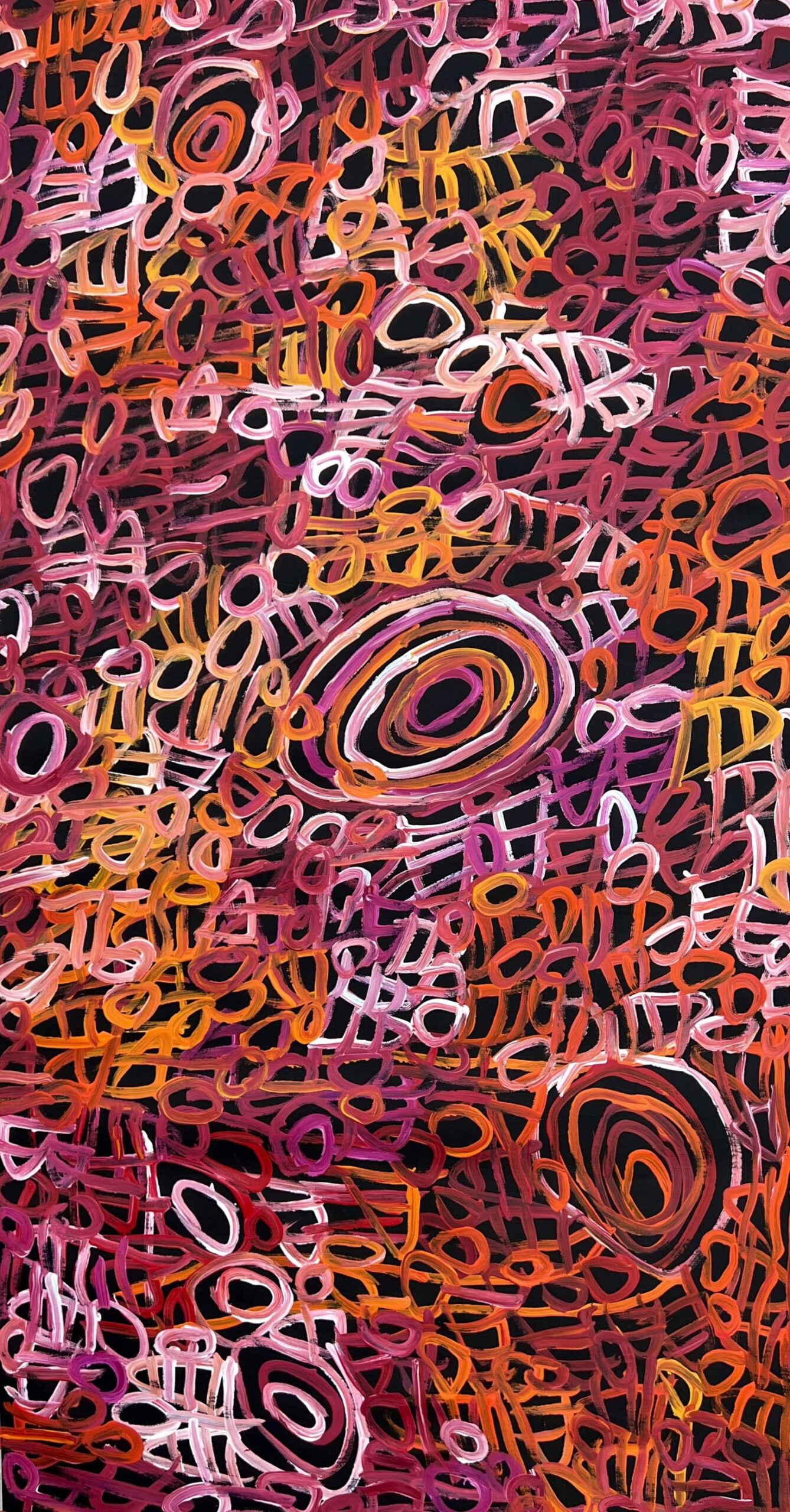
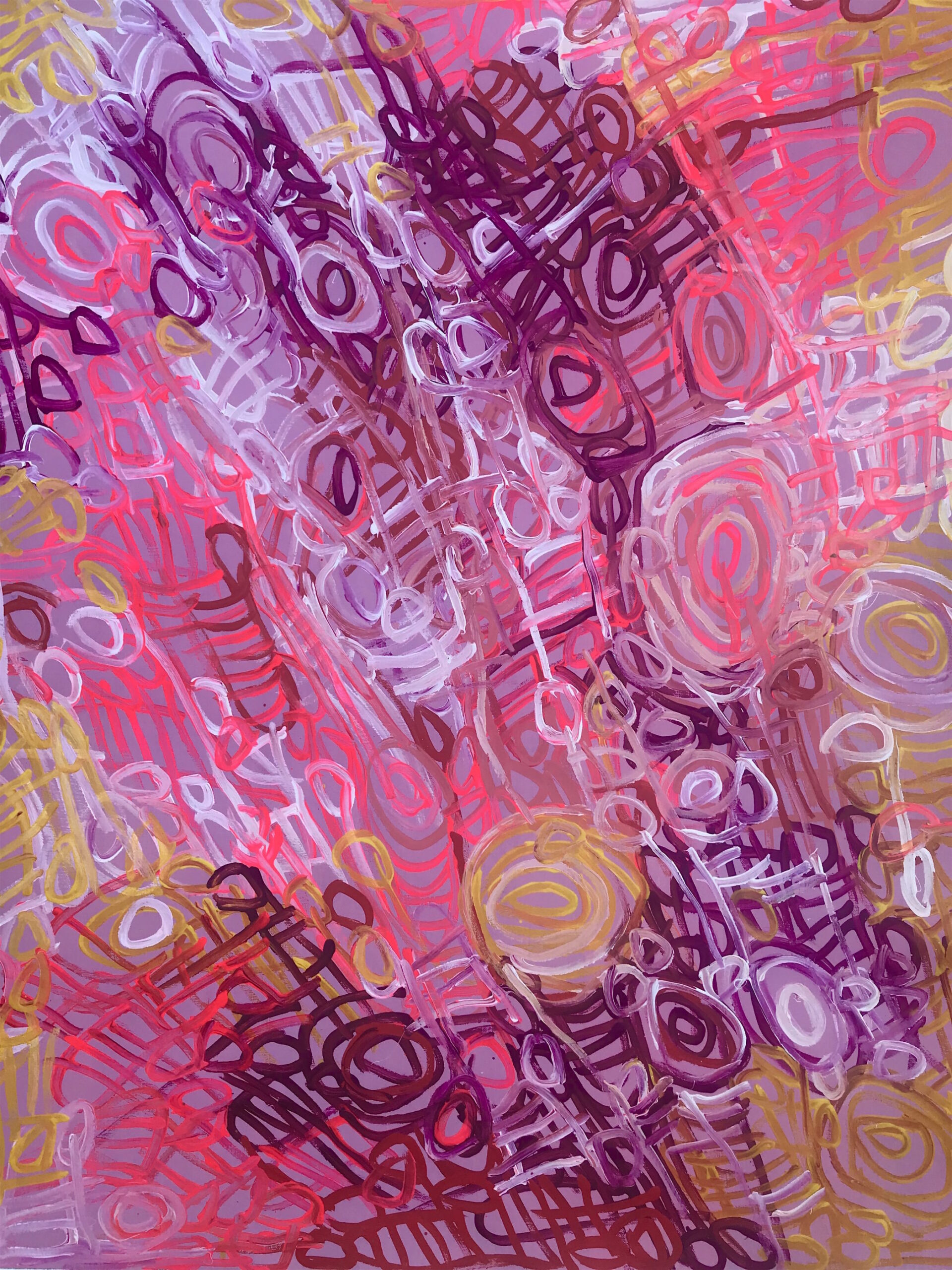
Fred’s impact didn’t stop there. He was the first to recognise and support the painting of his great-aunt Minnie Pwerle, who began her career in her 80s. Under Fred’s encouragement, Minnie’s vibrant Awelye works took the art world by storm. He championed the voices of many other women artists in a market that, at the time, heavily favoured male names. In doing so, he helped re-centre matriarchal stories, symbols, and sacred sites in the commercial conversation – a radical and necessary shift.

What distinguished DACOU most of all was its grounding in cultural respect and lived experience. Fred’s proximity to the artists – not just professionally but personally – meant that every painting sold through DACOU was imbued with integrity. He knew the Dreamings. He knew the Country. He knew the stories behind the dots. And he ensured that every collector, curator, or institution that acquired work from DACOU understood the importance of what they were receiving.

He was a true gatekeeper in the best sense – not restricting culture, but protecting it.
Beyond his curatorial and commercial accomplishments, Fred has been a mentor, educator, and advisor to artists, institutions, and collectors alike. His influence spans generations, and many within the Aboriginal art sector today have been guided by his example – whether directly or indirectly. His commitment to artists' rights, cultural protocols, and ethical representation helped shape the framework of the contemporary Aboriginal art market as we know it.
Although DACOU is no longer operational, its legacy is very much alive – carried forward through Pwerle Gallery, founded by Fred’s daughter, Jade Akamarre Torres, in 2015. Pwerle Gallery represents the next generation of the family’s artistic and curatorial journey. It honours everything DACOU stood for: integrity, cultural continuity, and family-first representation. And just like DACOU, Pwerle is an Aboriginal-owned, non-government-funded gallery, driven by deep ties to Country and kin.

Fred remains a vital part of Pwerle Gallery. Today, he is a full-time artist, global art advisor, and senior curator. His experience and cultural insight continue to guide our gallery’s direction, collection, and collaborations. His relationships with institutions, curators, and collectors around the world still open doors for the artists we represent.
Fred Torres didn’t just help Aboriginal art enter the global market – he changed the way it was understood, valued, and respected. He protected sacred Dreamings, uplifted women’s voices, nurtured artists into international icons, and built a blueprint for what a culturally grounded and commercially successful Aboriginal art gallery could be.

His legacy is not just a part of our story – it is the foundation of everything we do.

Through Pwerle Gallery, that legacy continues to evolve. We walk in his footsteps, honouring the path he created, and proudly share our family’s stories with the world – just as he did, and still does.

subscribe to our newsletter

follow
© Copyright - Pwerle Gallery | Website Designed & Developed by Tangible.