The choice to identify as Alyawarre or Anmatyerre is often cultural and relational, connected to family, community and ceremony. While these two languages dominate locally, families in Utopia also maintain links to non-local languages such as Pitjantjatjara, Warlpiri and Arrernte, particularly through intermarriage or extended family networks. This multilingualism reflects the rich, interconnected web of Aboriginal identity.
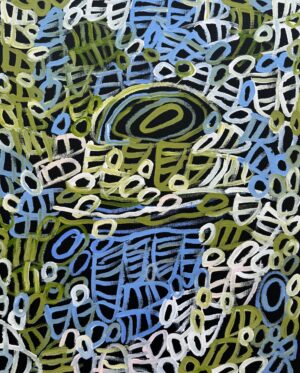
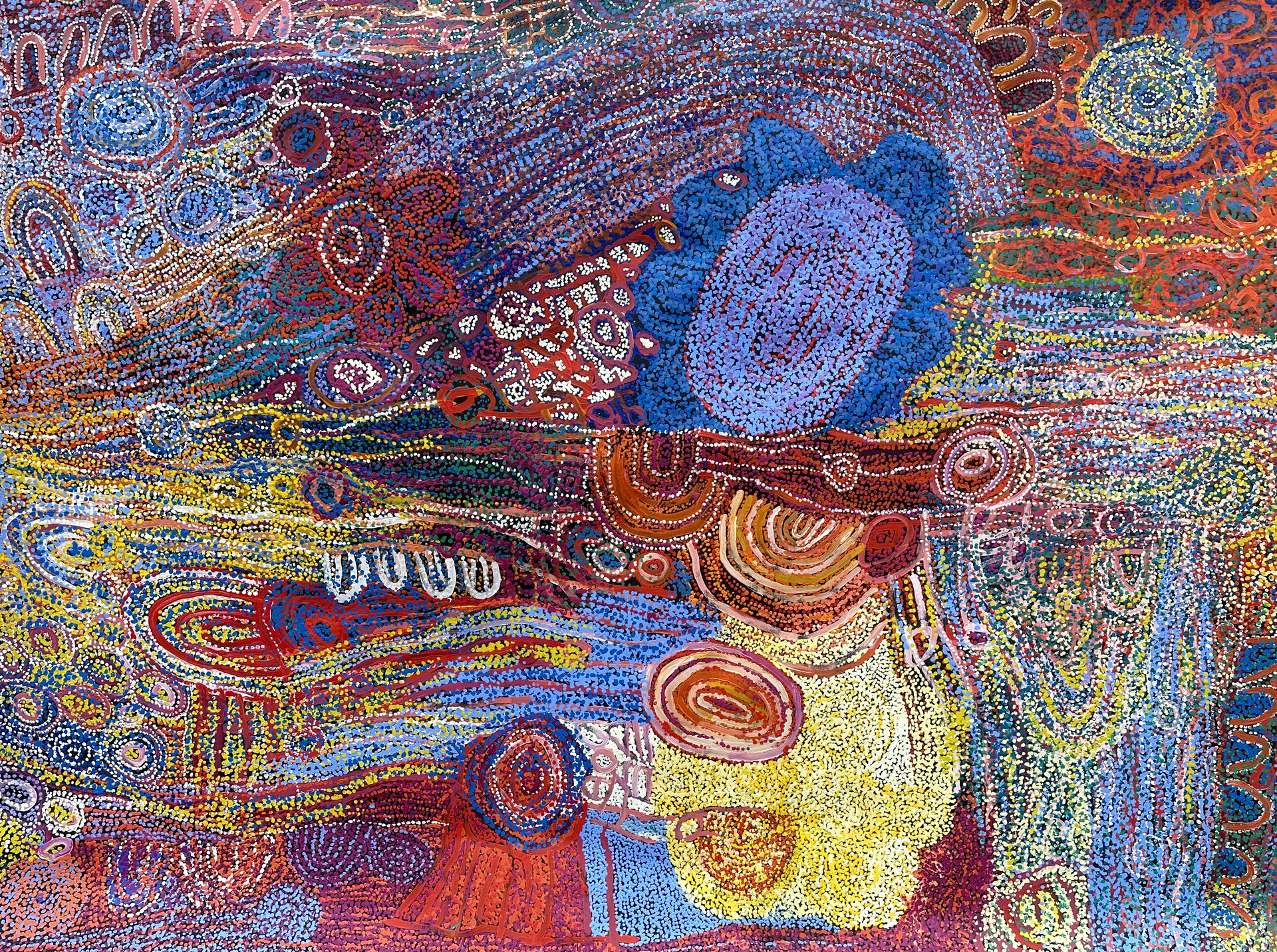
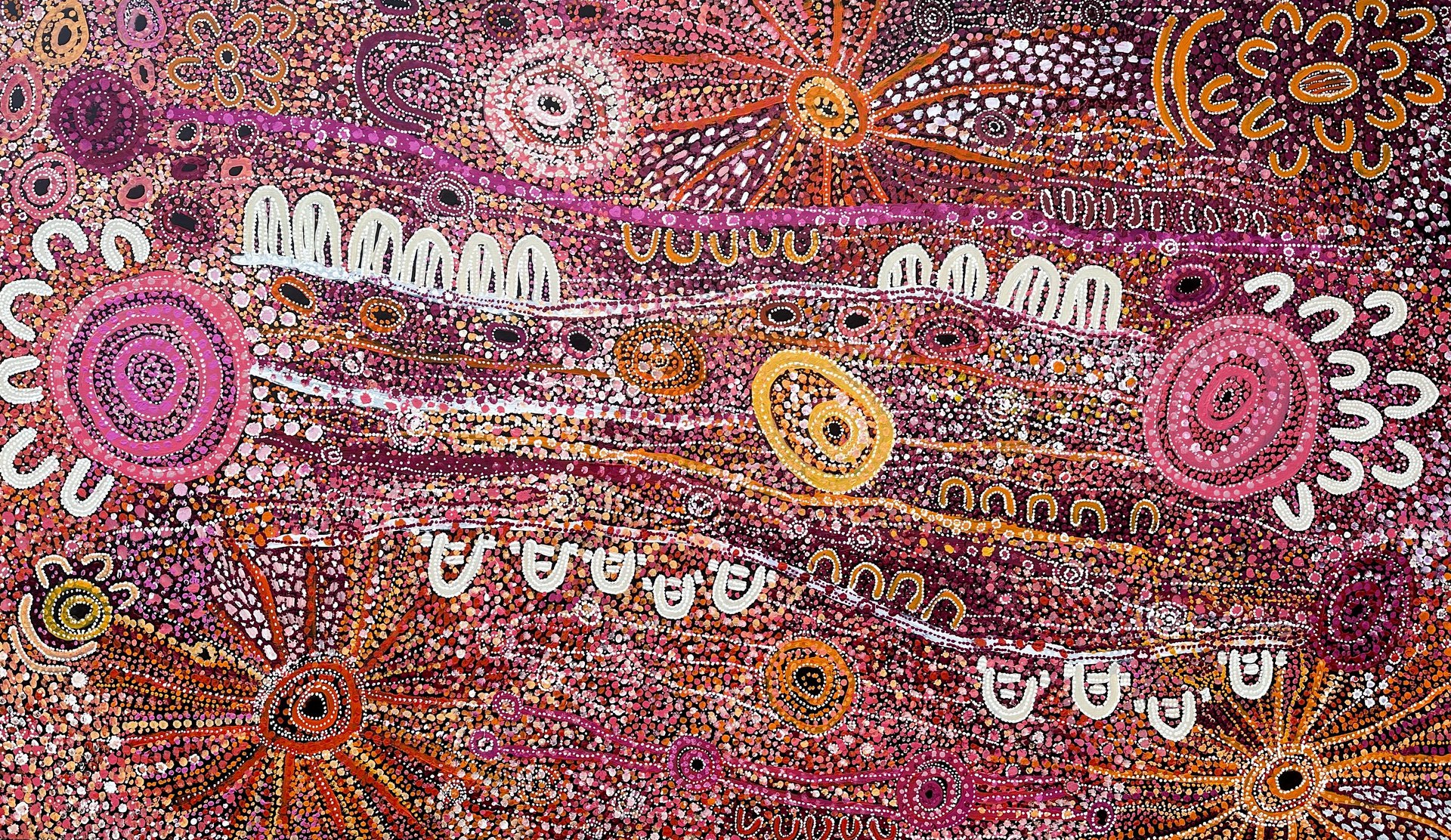
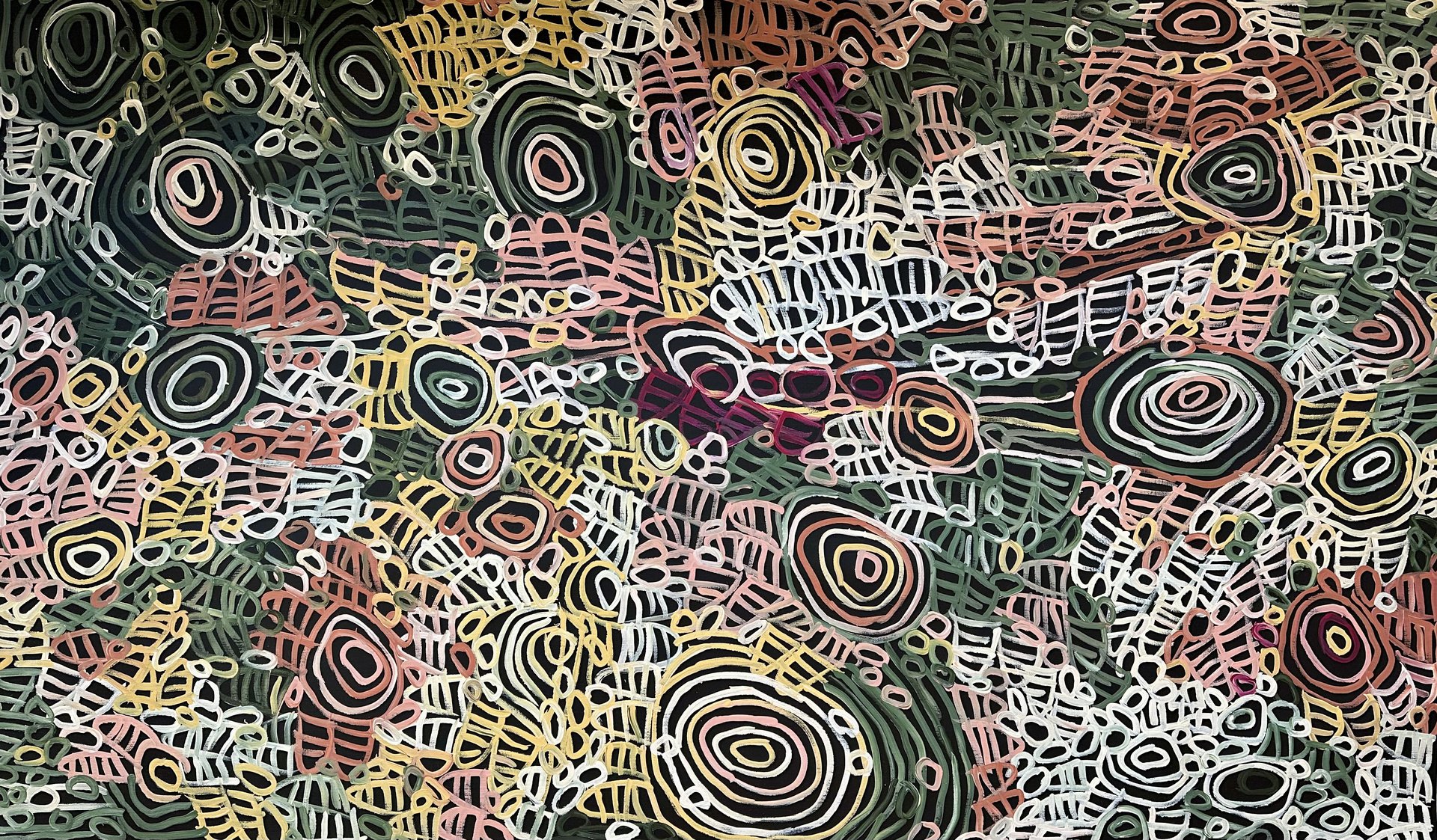
Crucially, language is not just spoken; it is sung, danced, painted and embodied. It lives in the Dreaming stories, in ceremonial songlines and in the body paint designs (Awelye) that form the basis of many Utopian artworks. Even when English is used in everyday life, these traditional expressions continue to carry the essence of language forward.
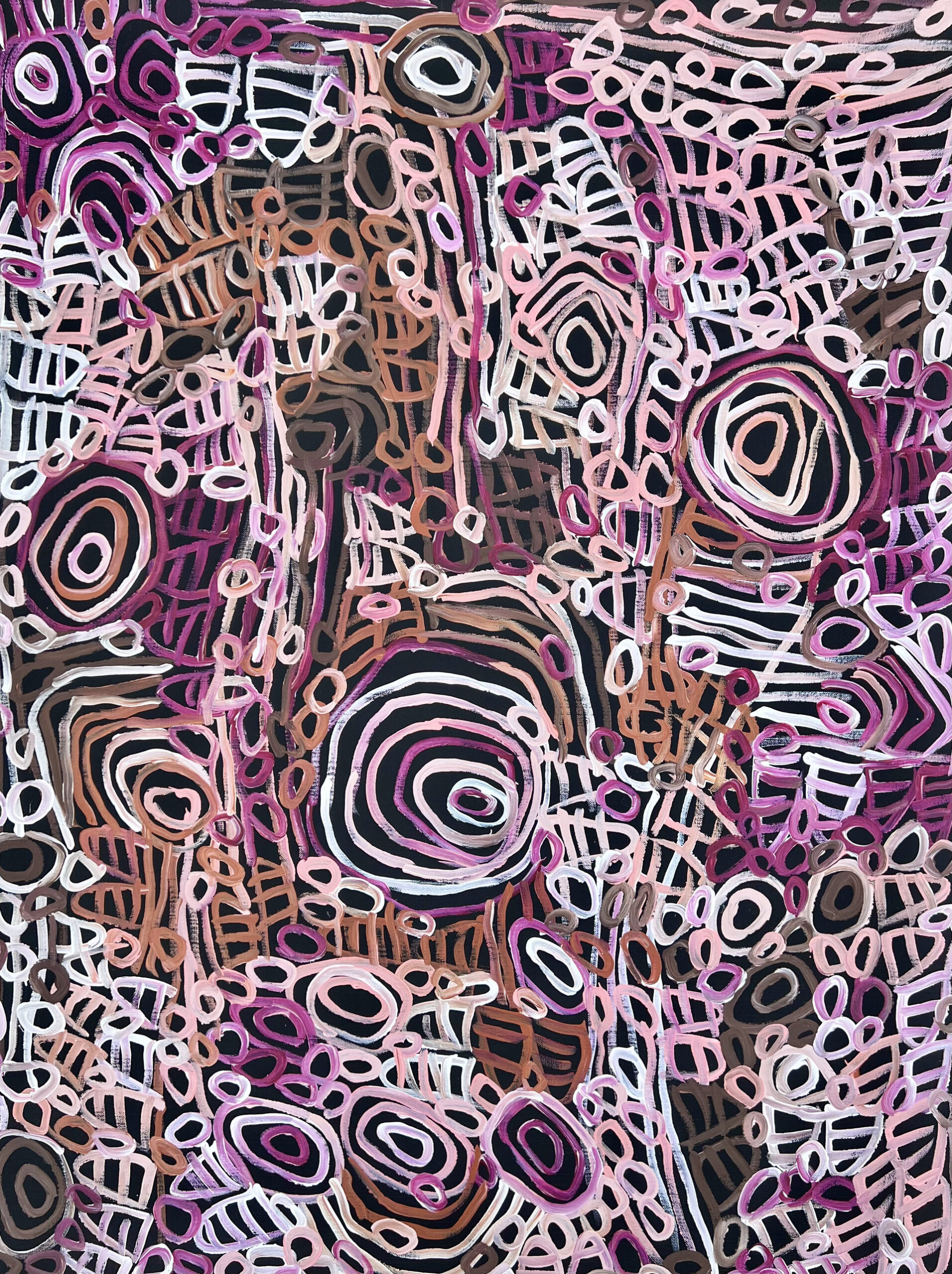
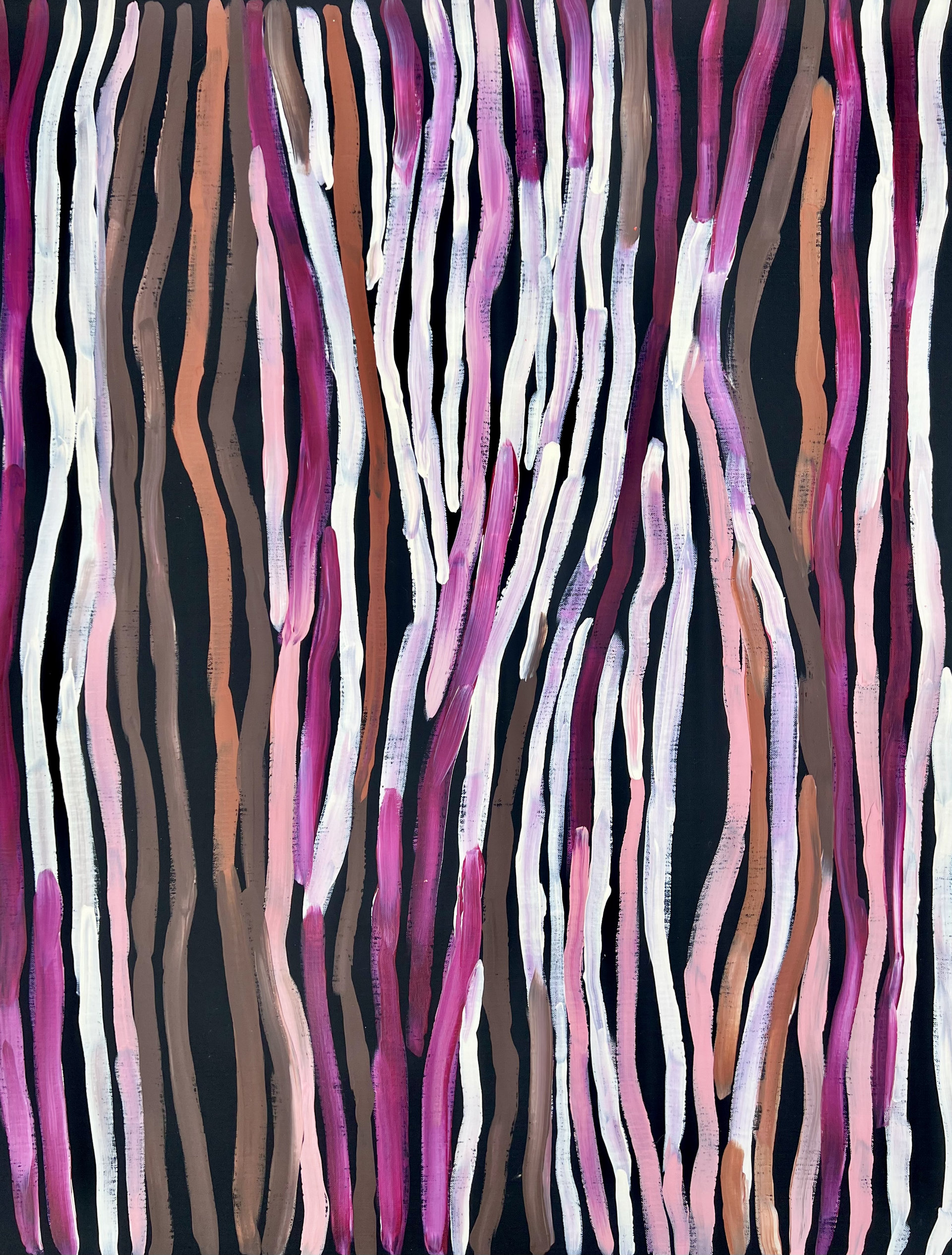
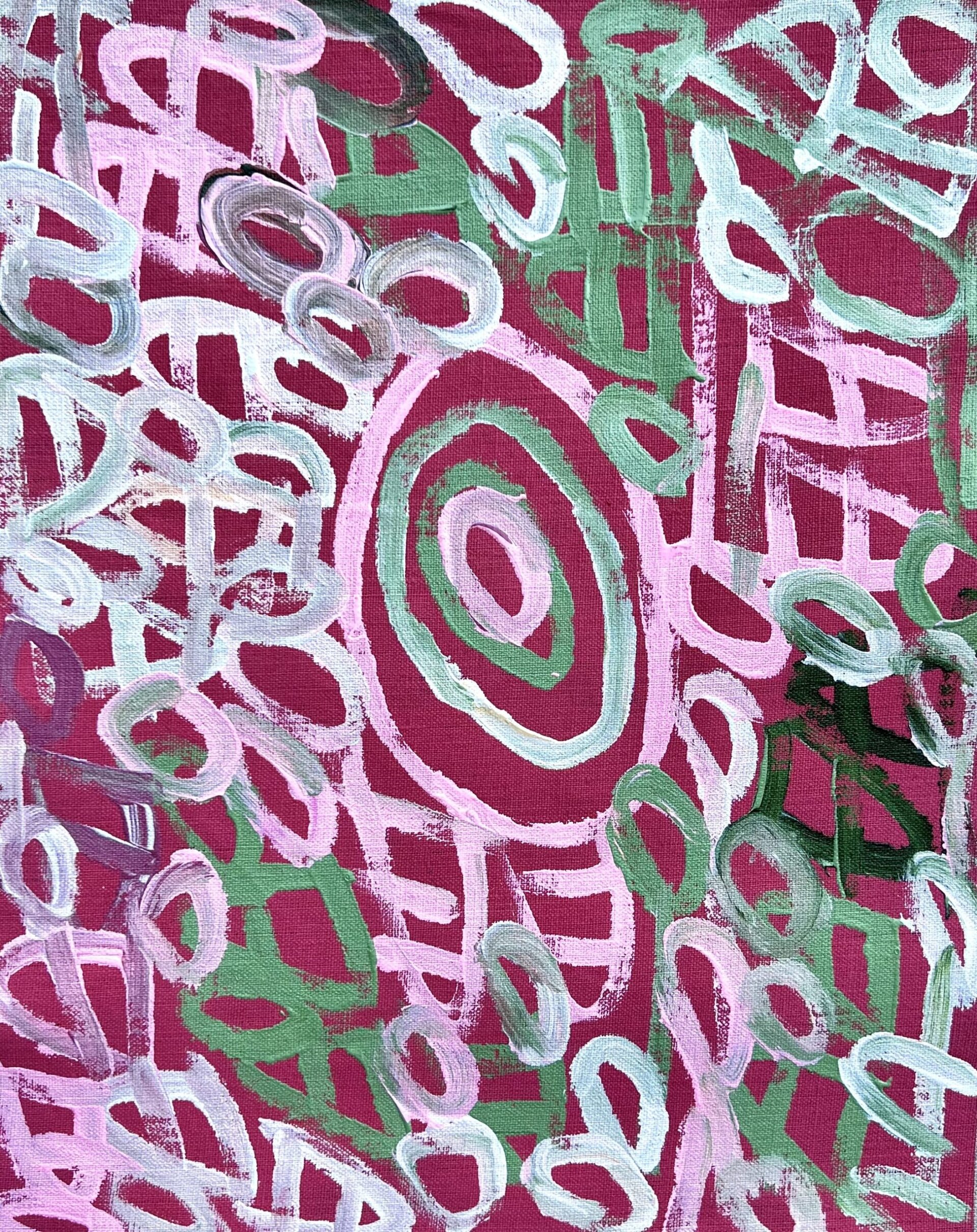
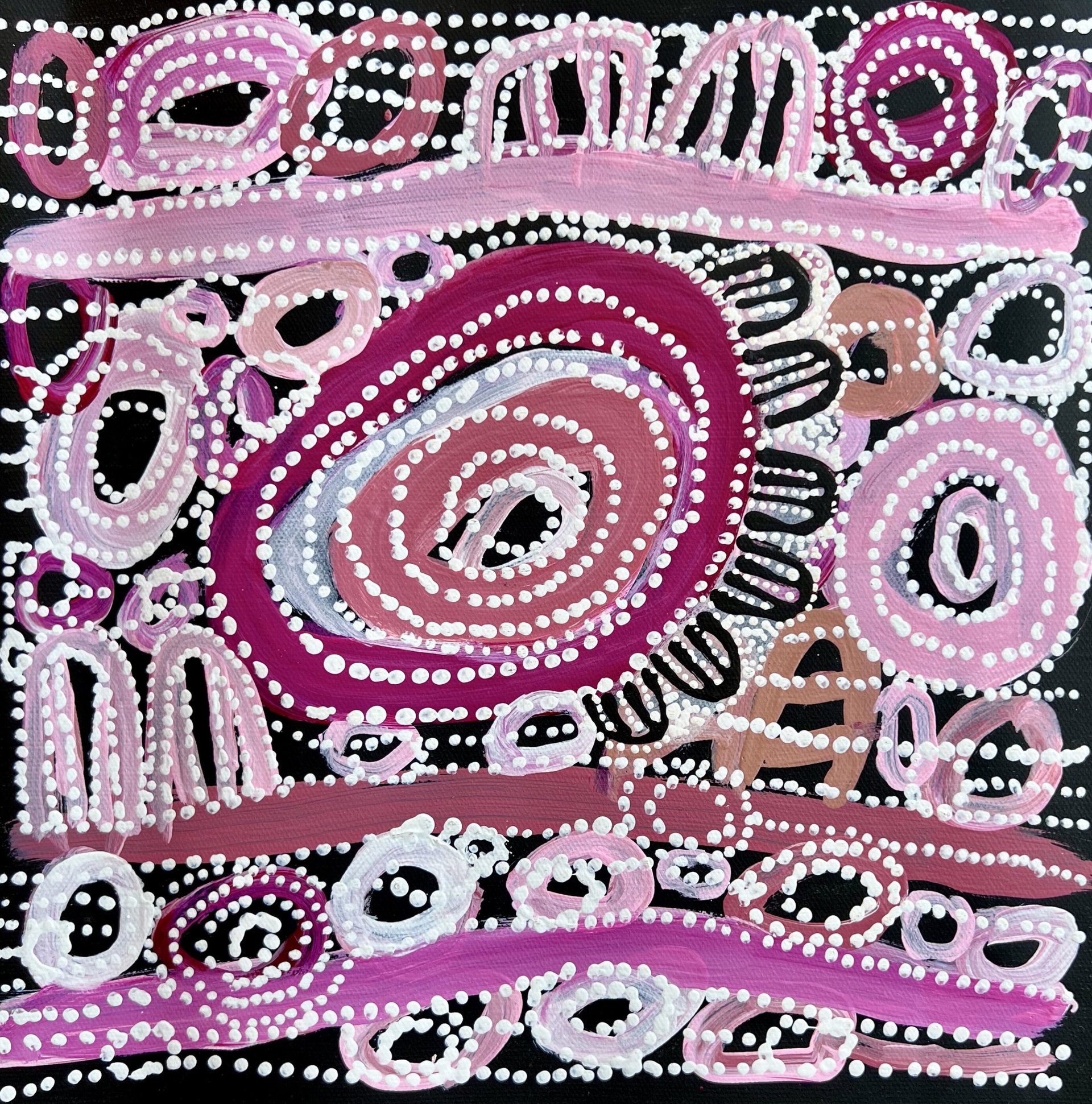
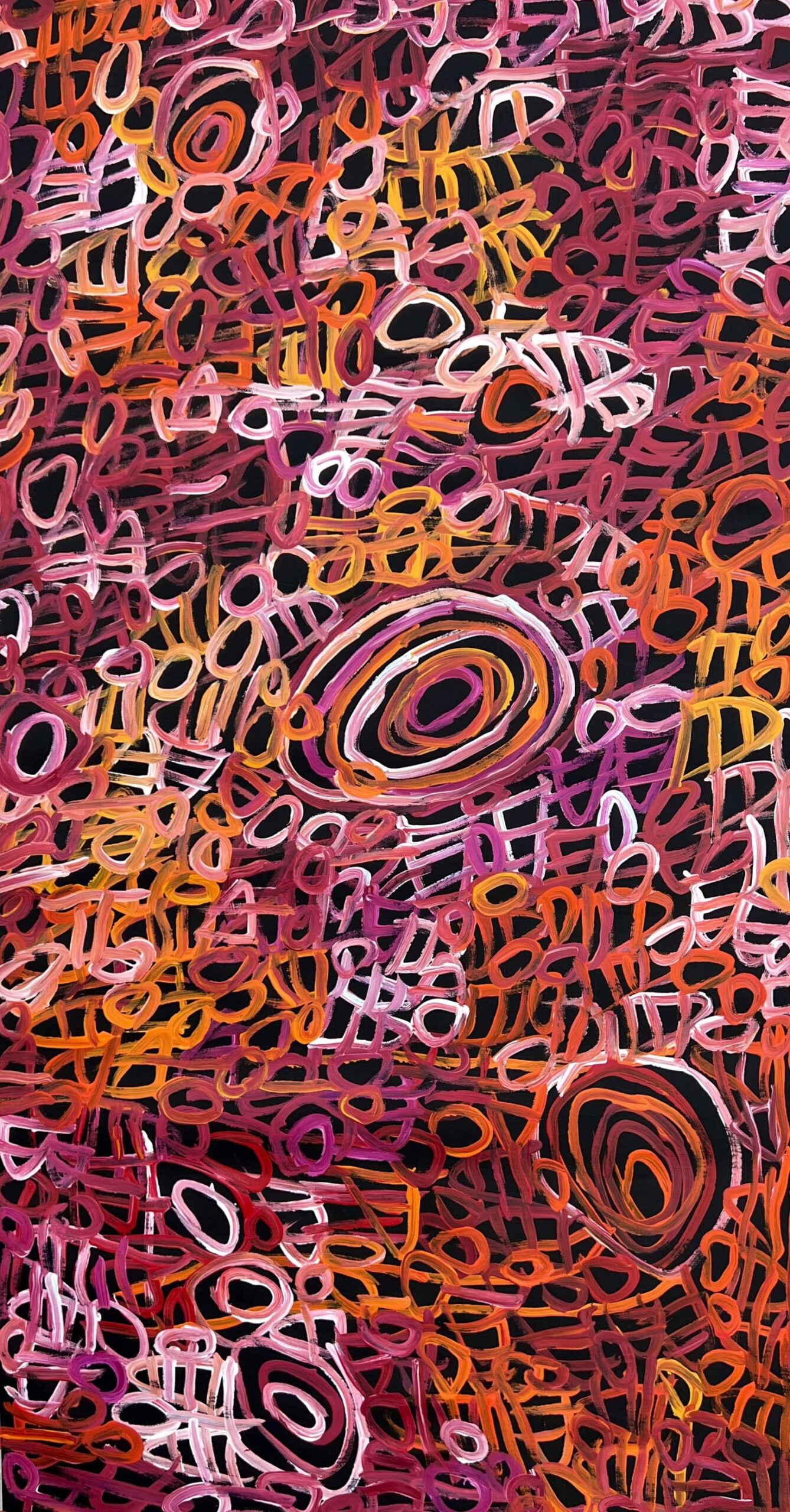
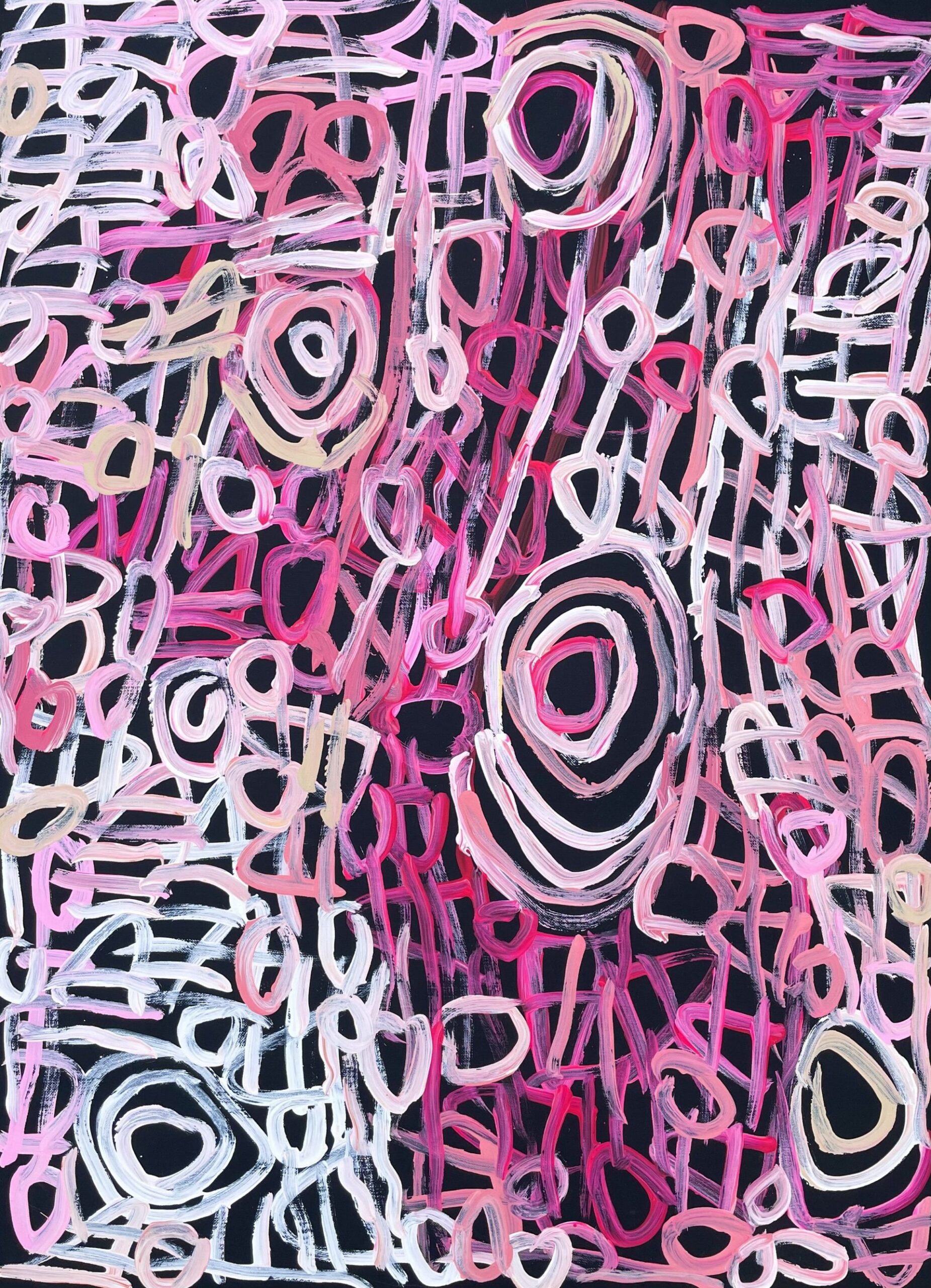
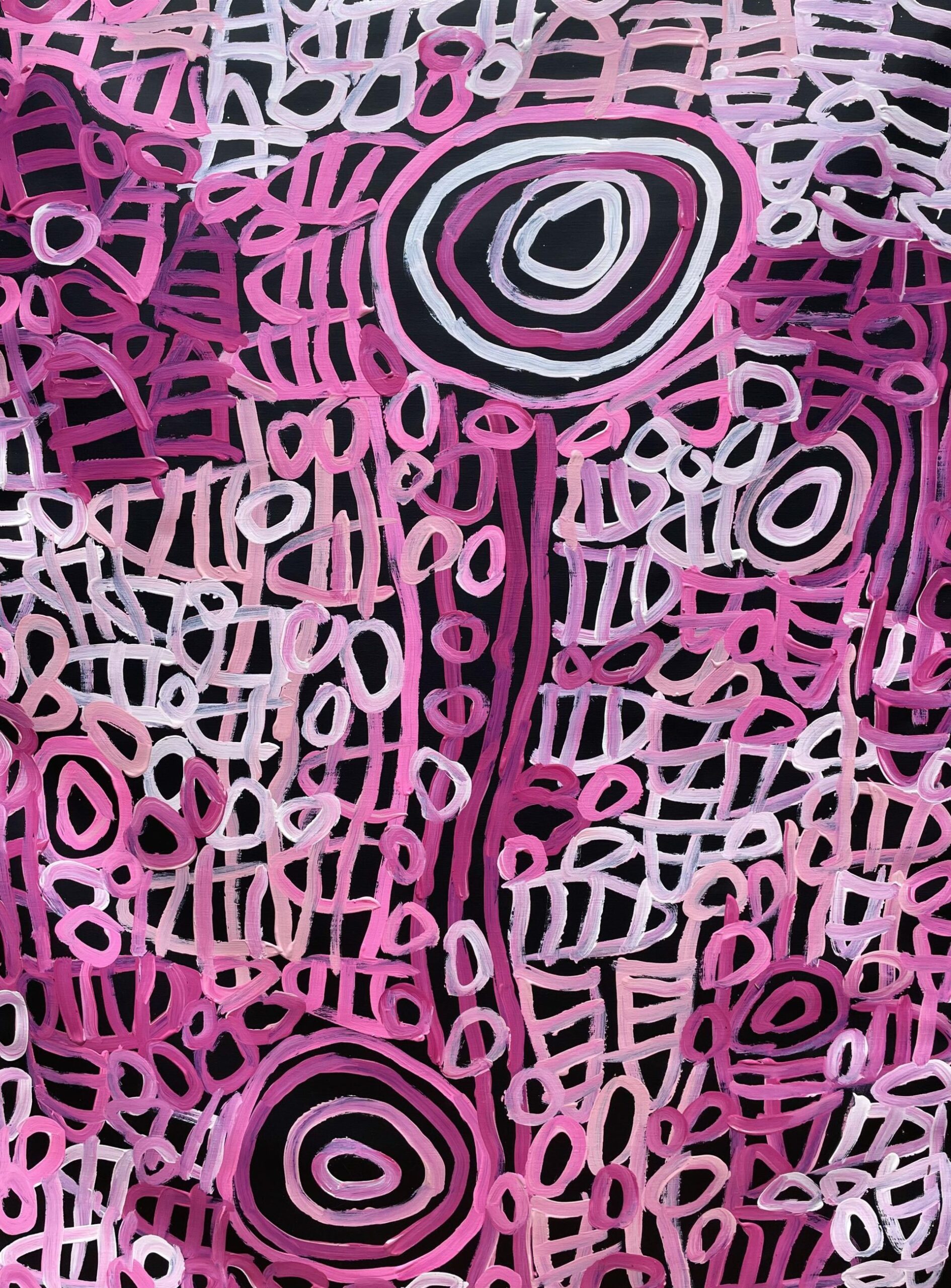
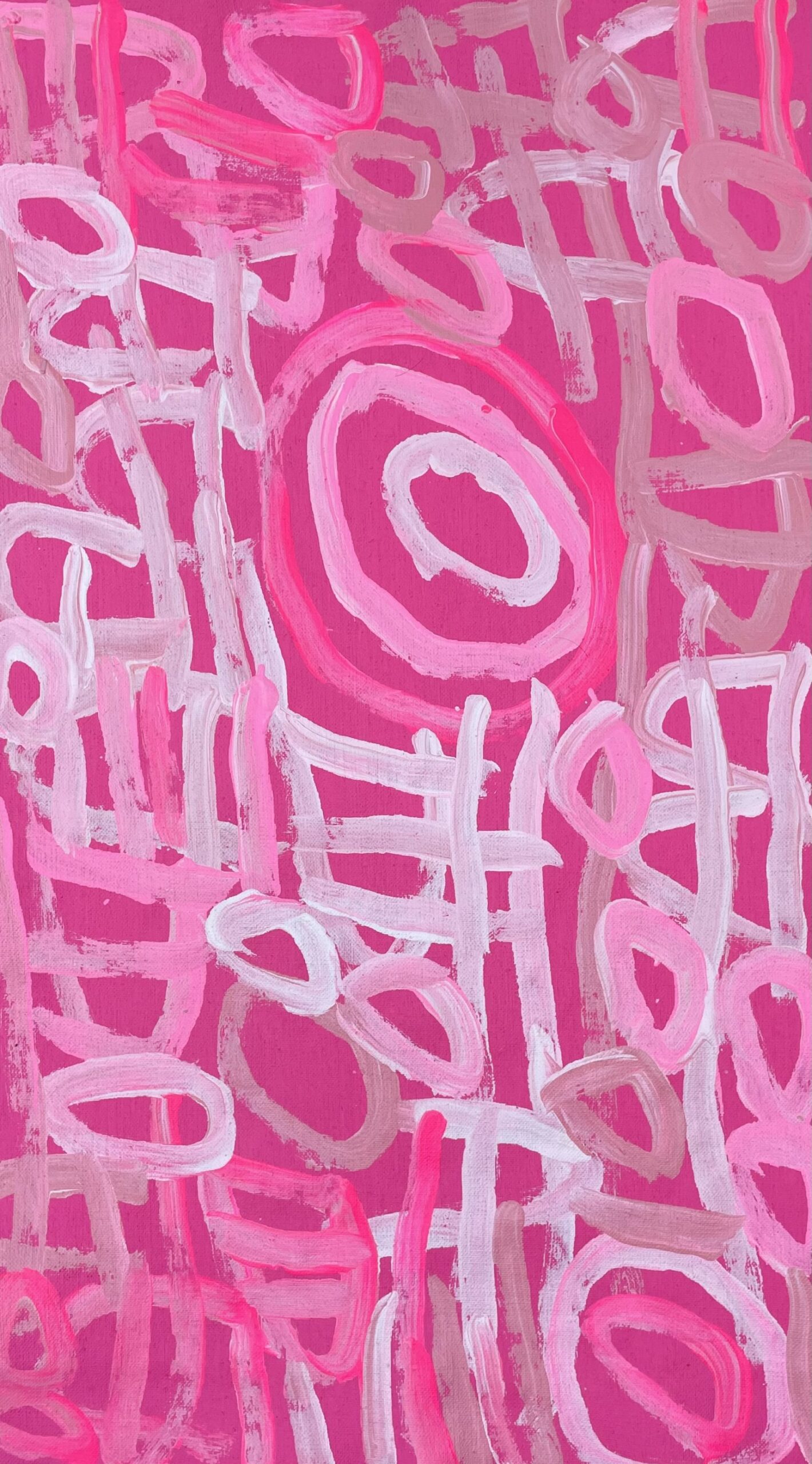
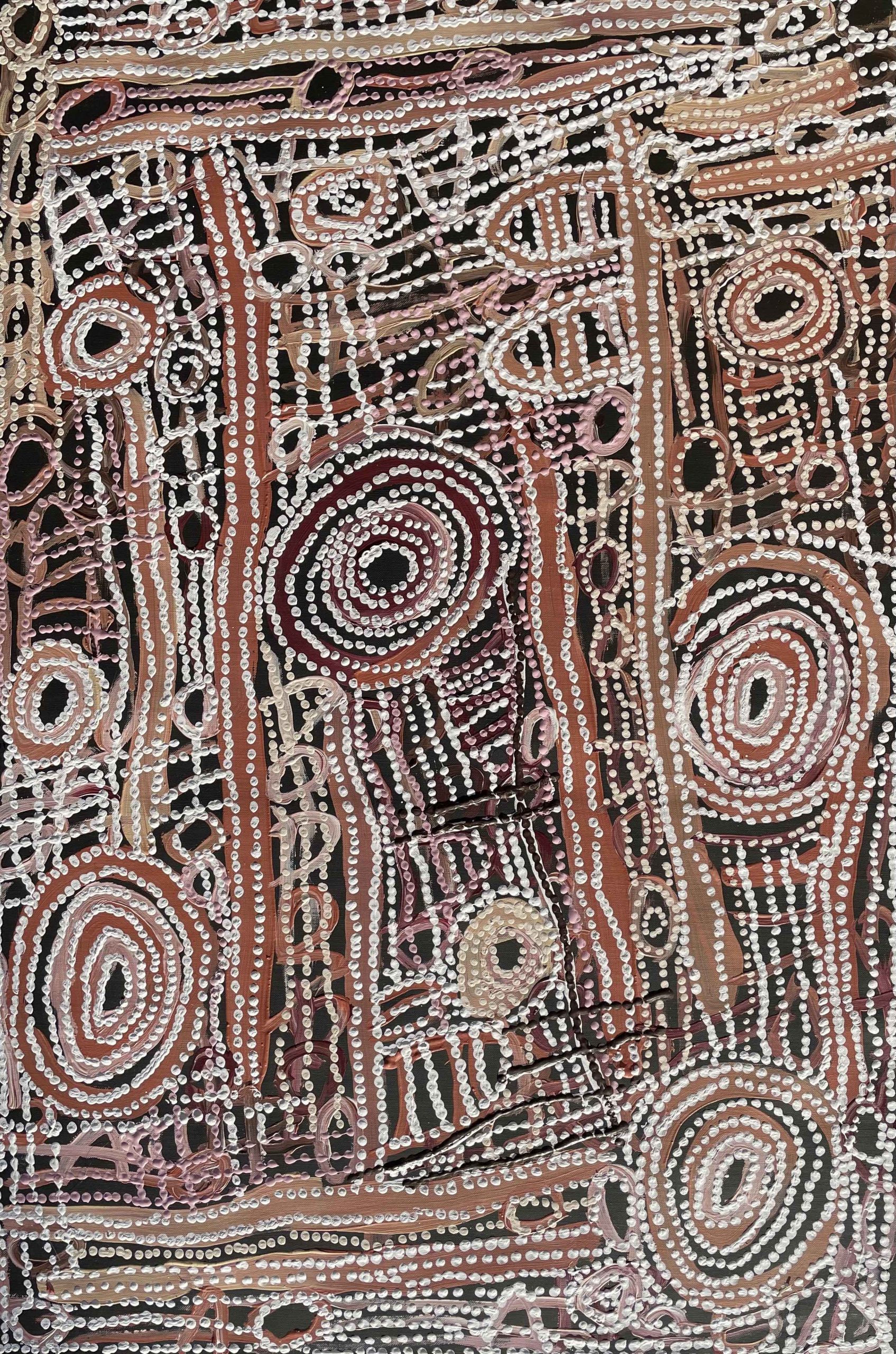
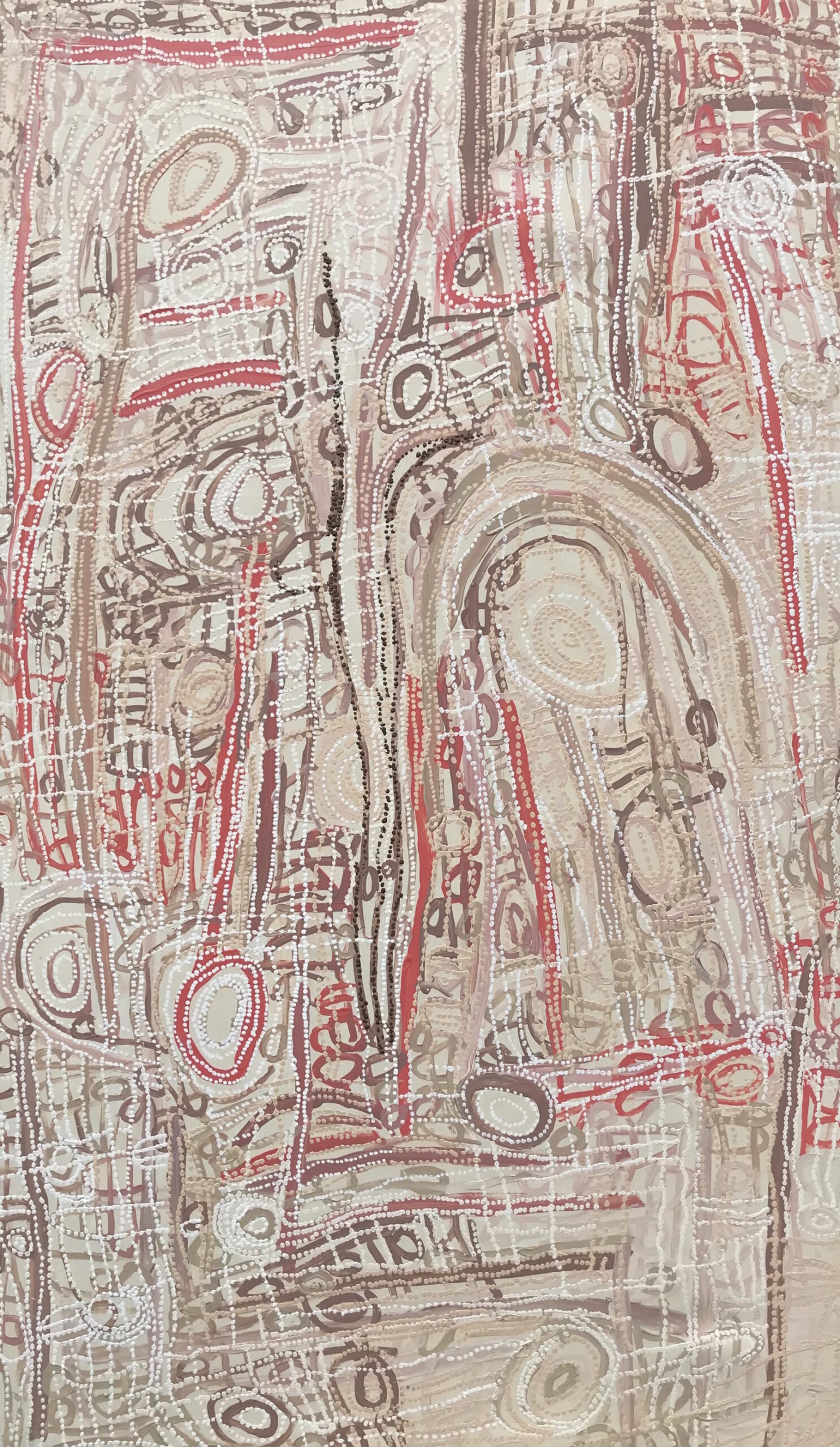
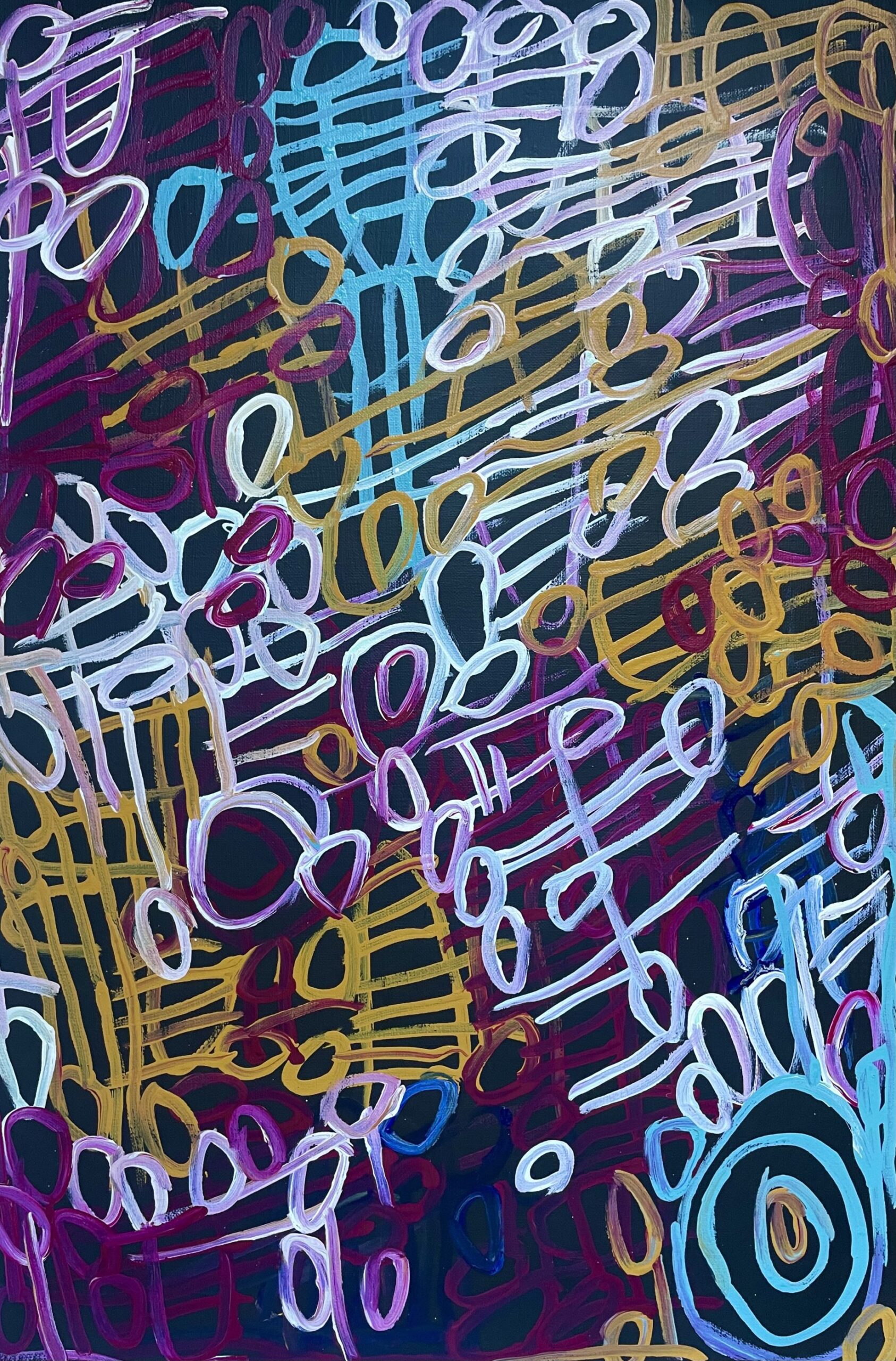
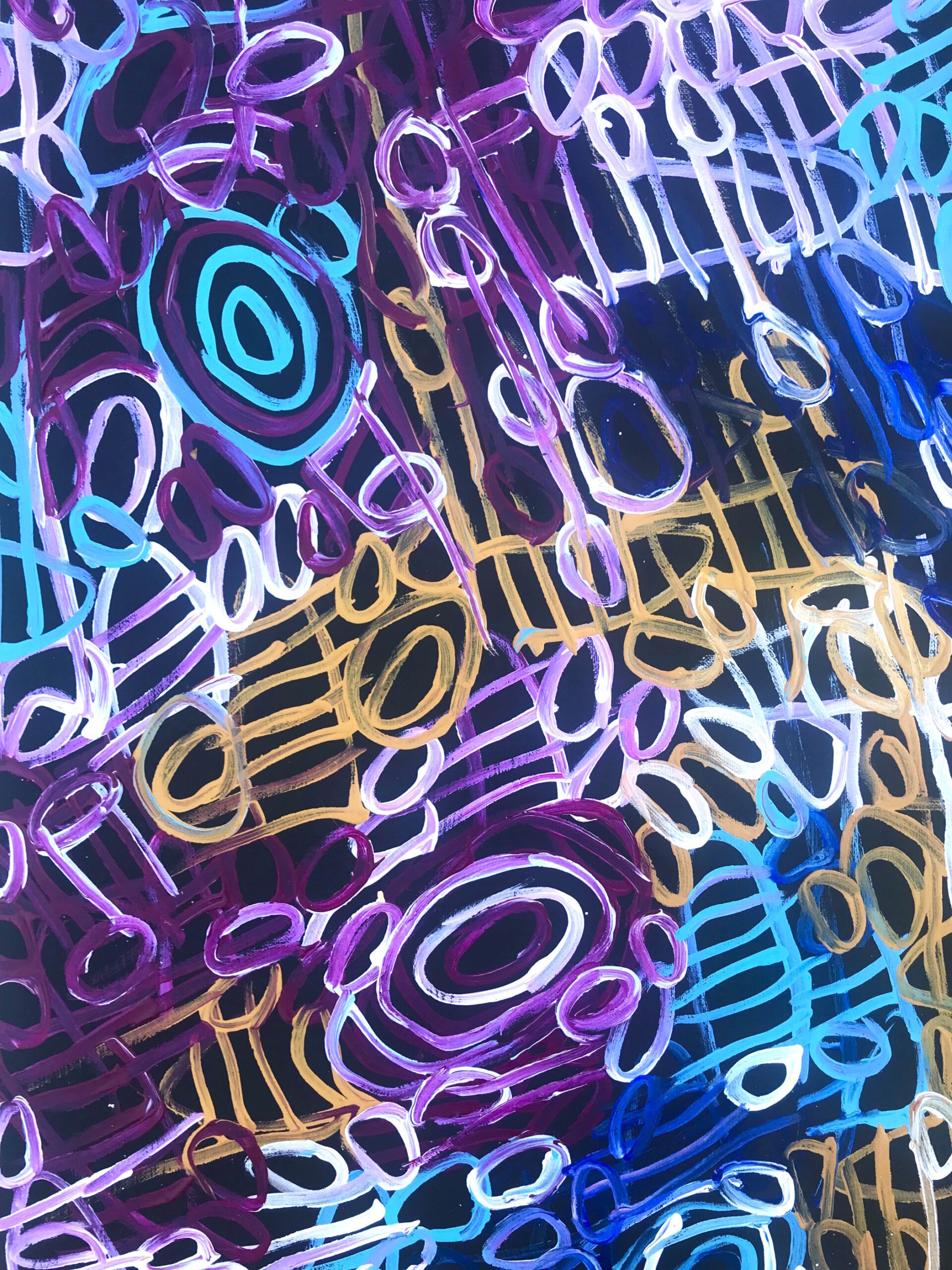
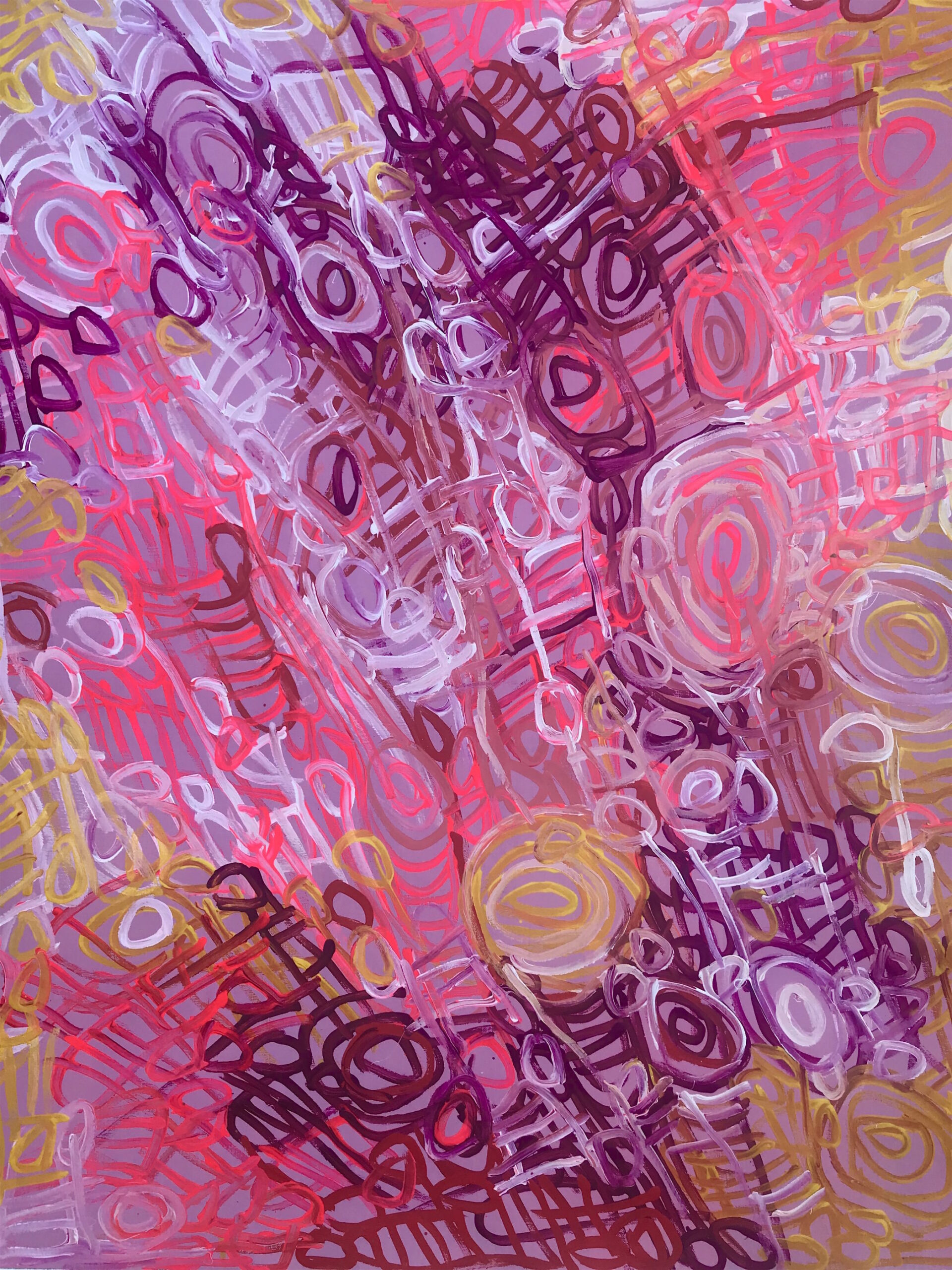
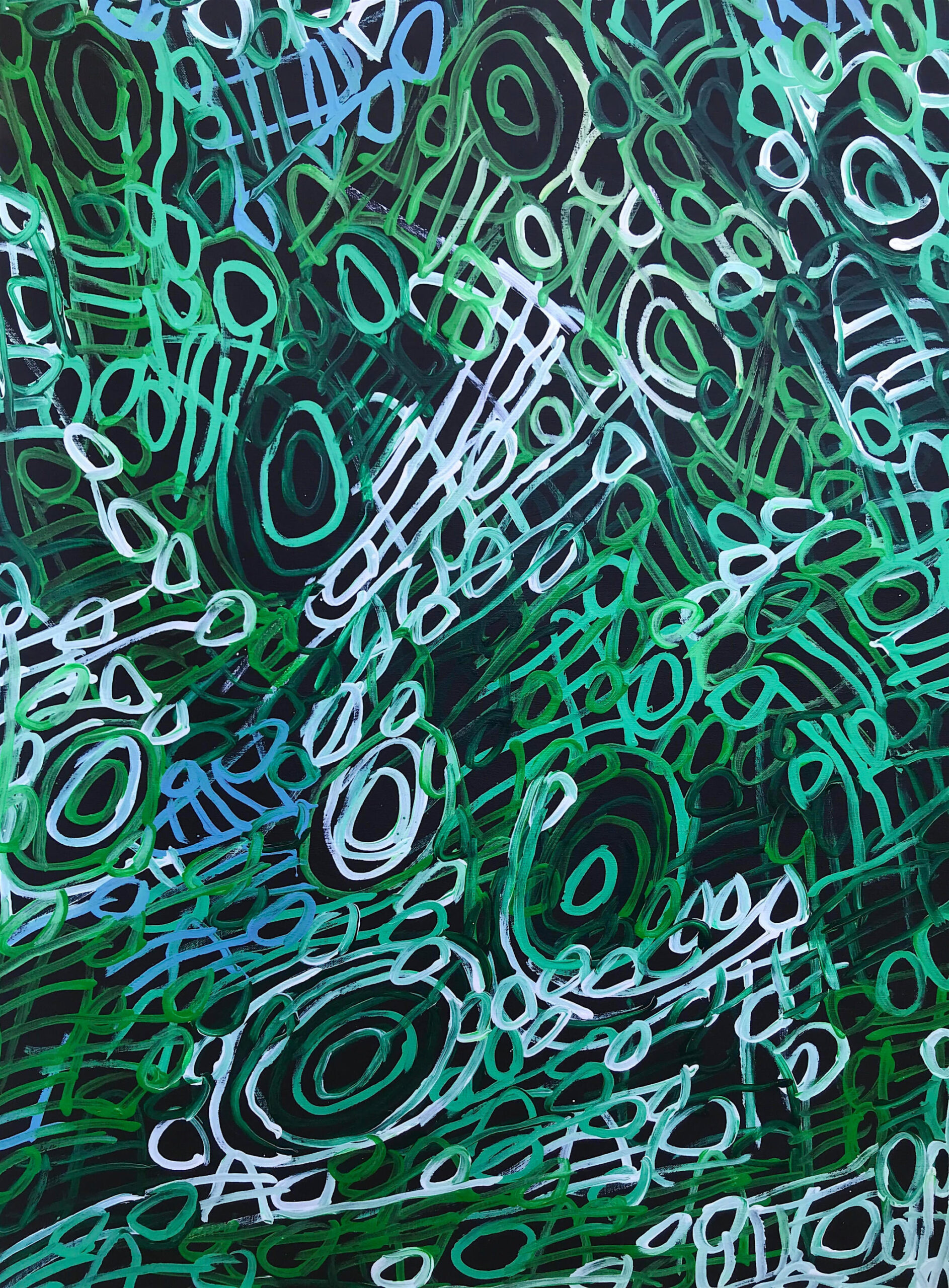
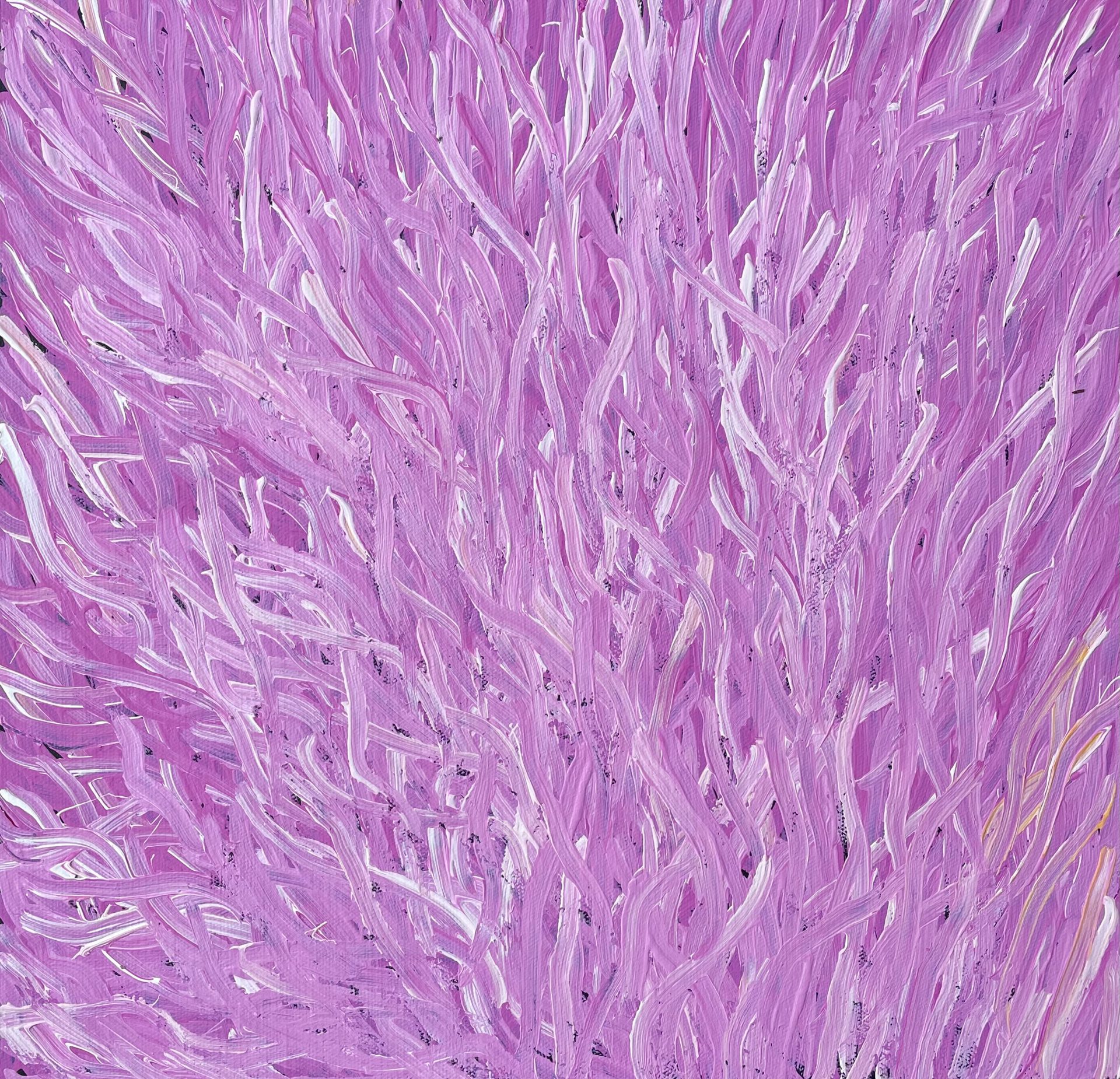
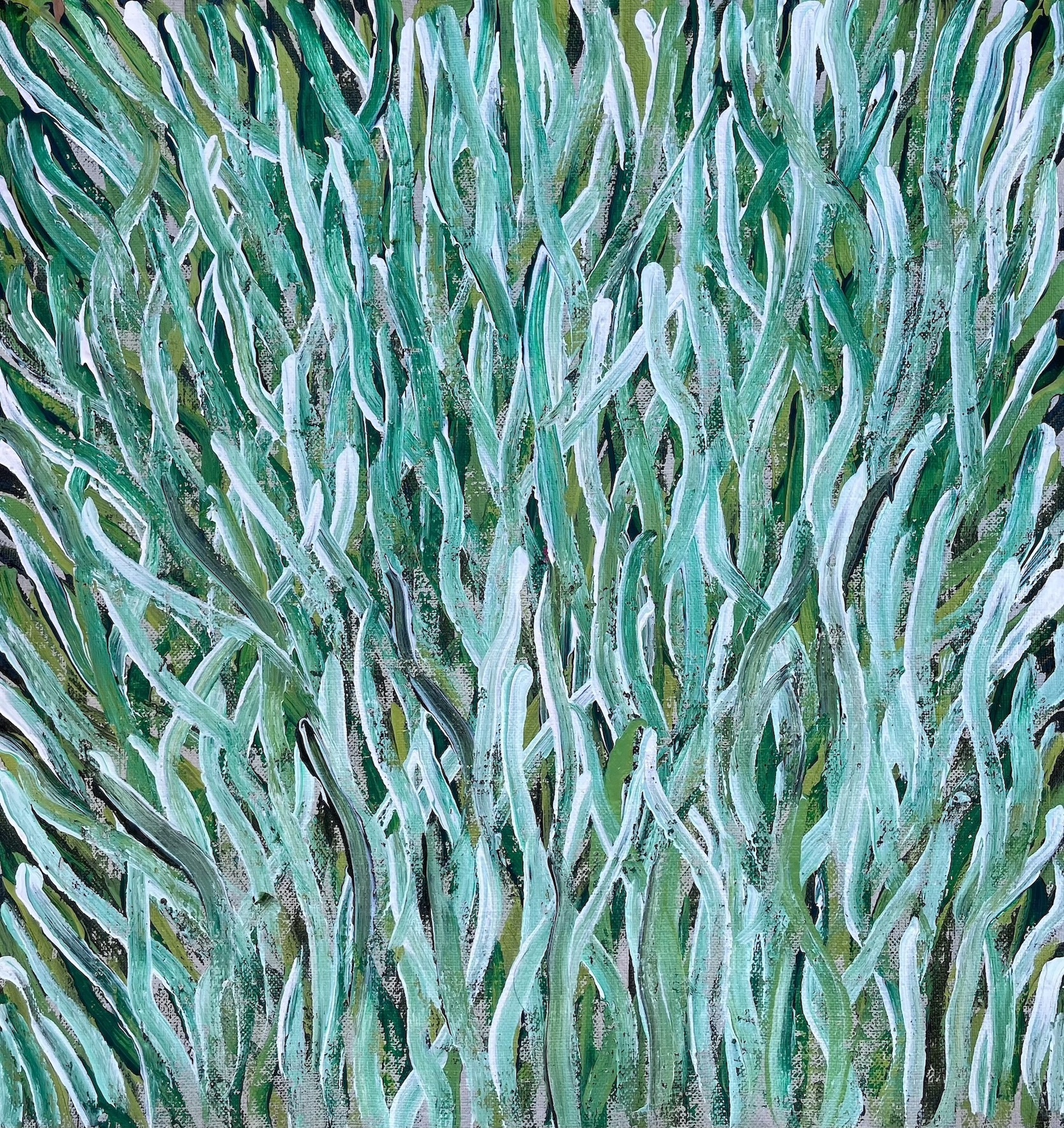
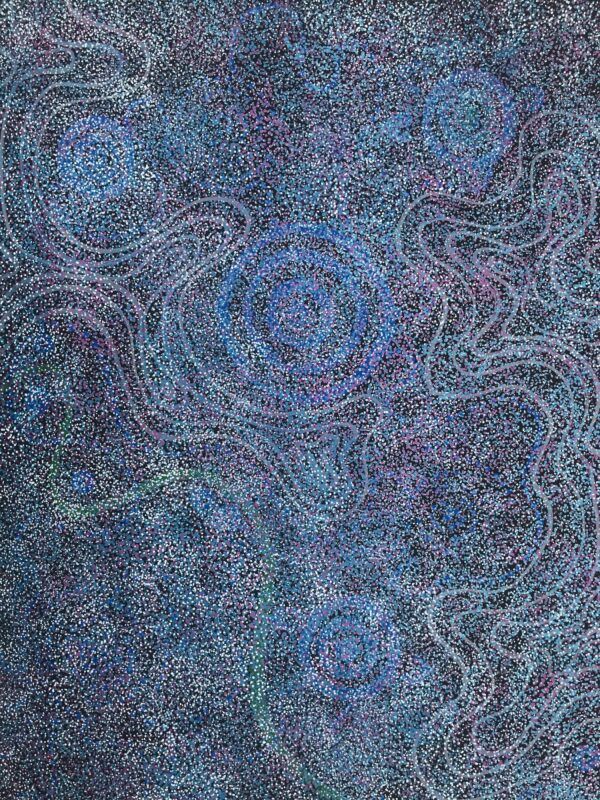
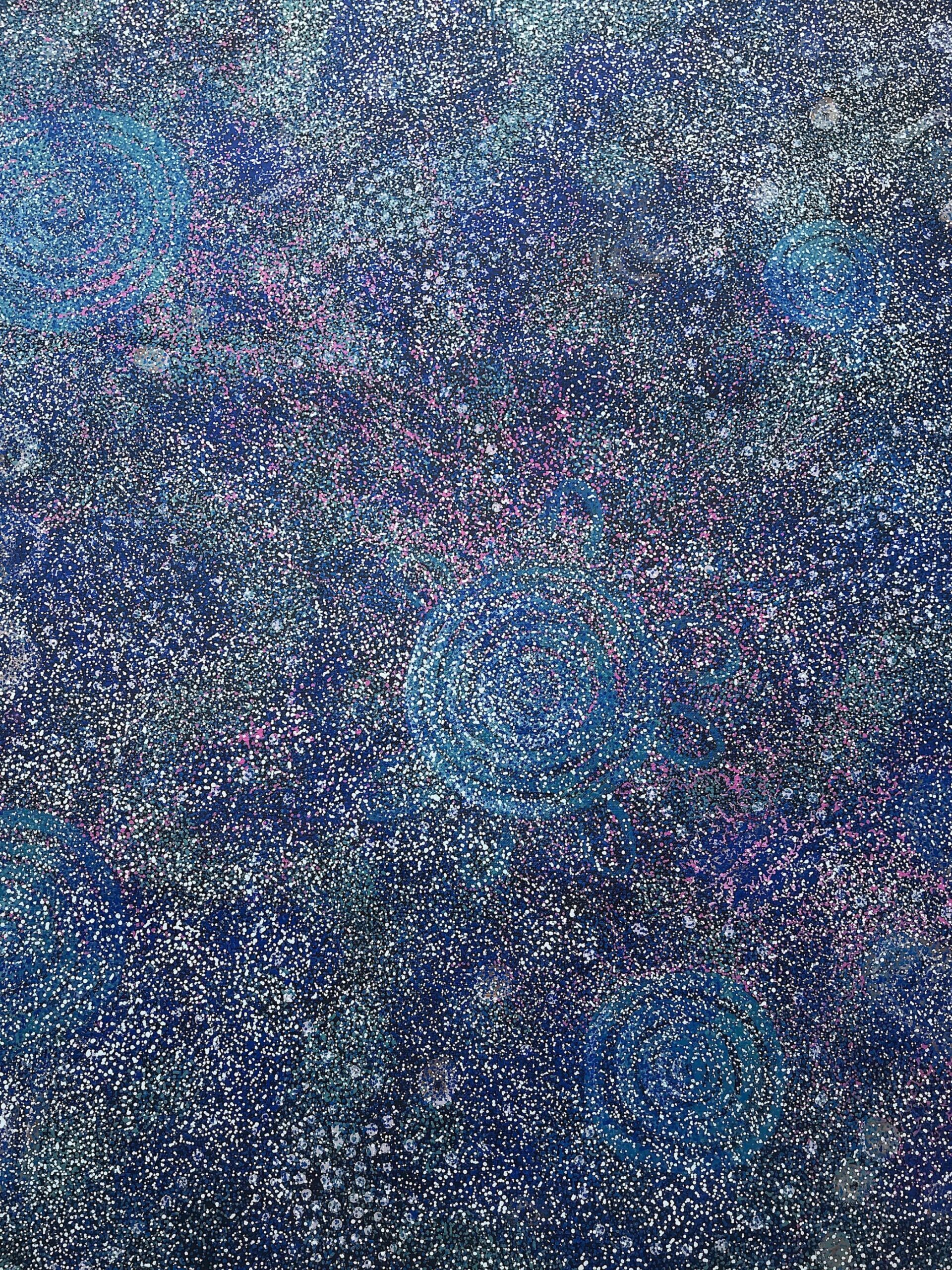
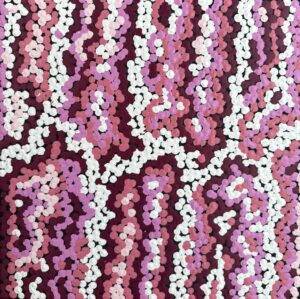
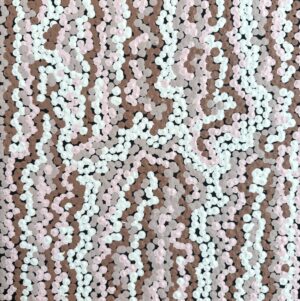
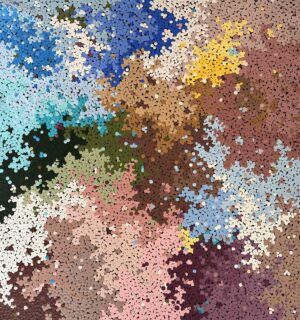
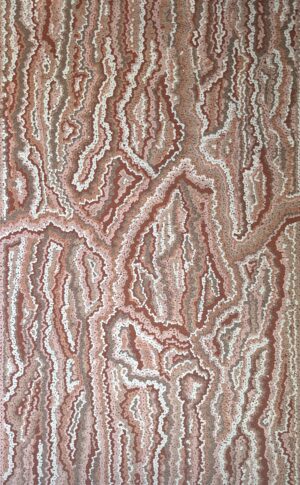
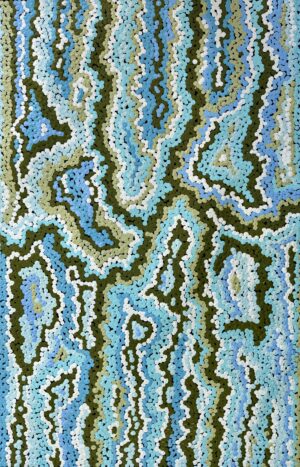
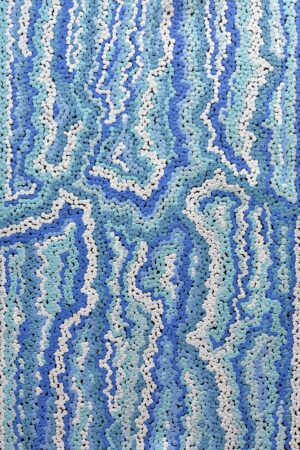
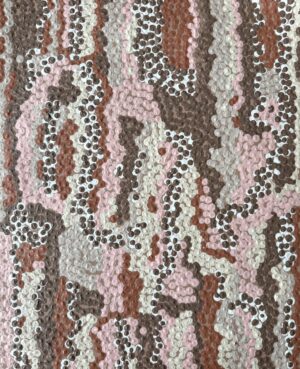
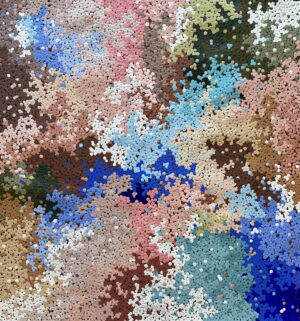
You can see Awelye carried directly into the canvas of our families works, the same body paint design lines that mark ceremony translated into paint, line by line, the same way they’ve always been carried.
[ View 'Awelye Atnwengerrp' Collection → ]
Although formal language revitalisation programs are active across Australia including bilingual schools, community language centres, and digital archives; the most powerful preservation tool in Utopia remains the act of living culture. Through art, dance, storytelling and ceremony, Utopia’s families are keeping Alyawarre and Anmatyerre alive. And every canvas, every brushstroke, is part of that story.
This is what you’re actually supporting when you buy a piece from Pwerle Gallery: not just a painting, but a living language, carried forward by the family who speaks it. Every canvas that leaves this gallery takes Alyawarre and Anmatyerre with it.
[ Learn more about why we exist → ]