pwerle-logo

UTOPIA

NO PLACE LIKE HOME

Nestled 270 kilometres north-east of Alice Springs in the Northern Territory, Utopia, traditionally known as Atnwengerrp, is a region of immense cultural, historical, and spiritual significance. For countless generations, the Anmatyerre and Alyawarre peoples have lived in harmony with this land, preserving their connection through storytelling, ceremony, and art.

The name Utopia was introduced by white settlers in 1927, overlaying a much older and deeper relationship with Country. Colonisation brought profound disruption: Aboriginal families were displaced, relocated near pastoral stations, and subjected to exploitative labour conditions. Men were employed as stockmen and women as domestic workers, often in return for rations. Yet, through all of this, the people of Atnwengerrp remained resilient, maintaining their spiritual and cultural obligations to their homeland.

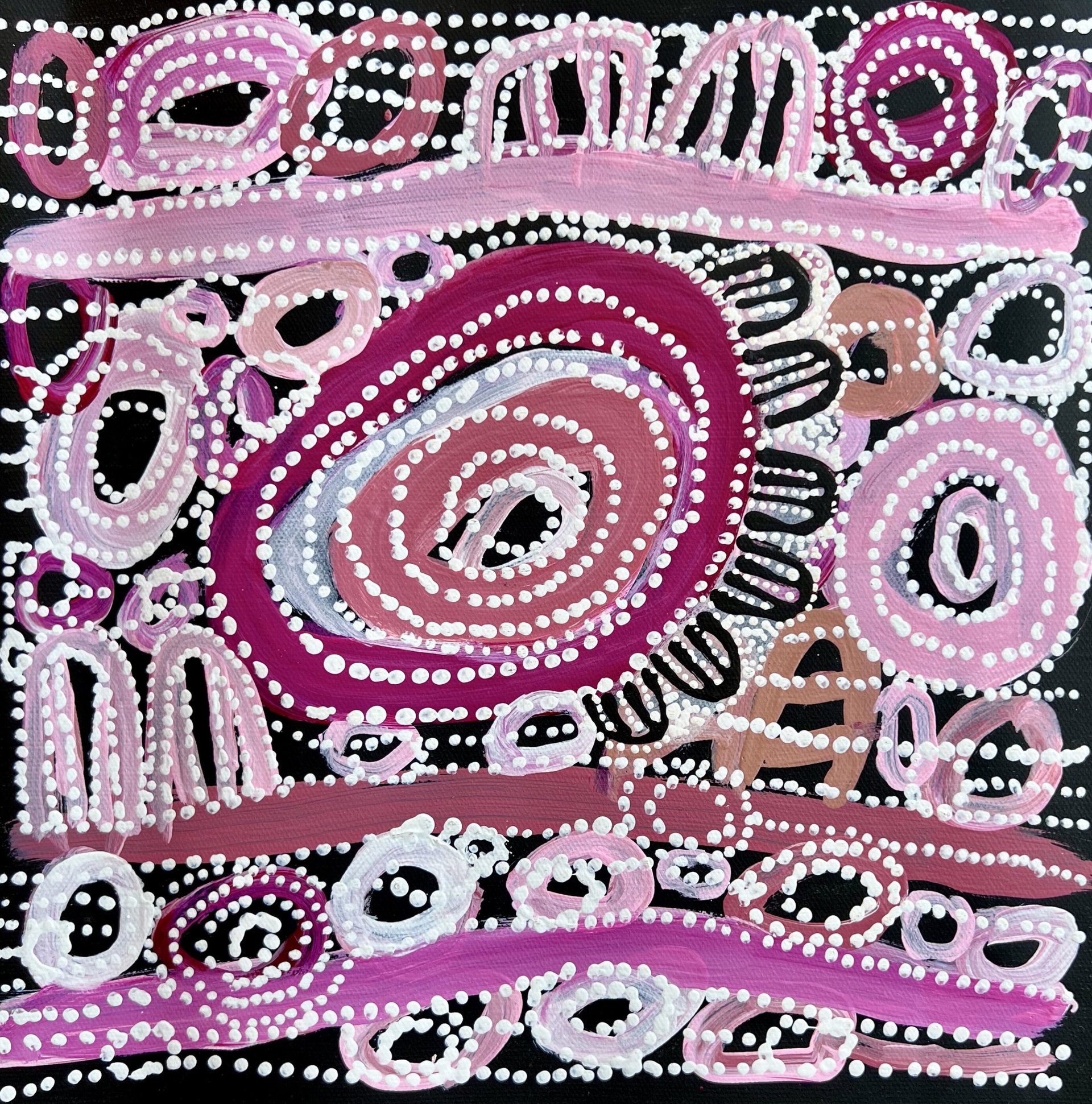
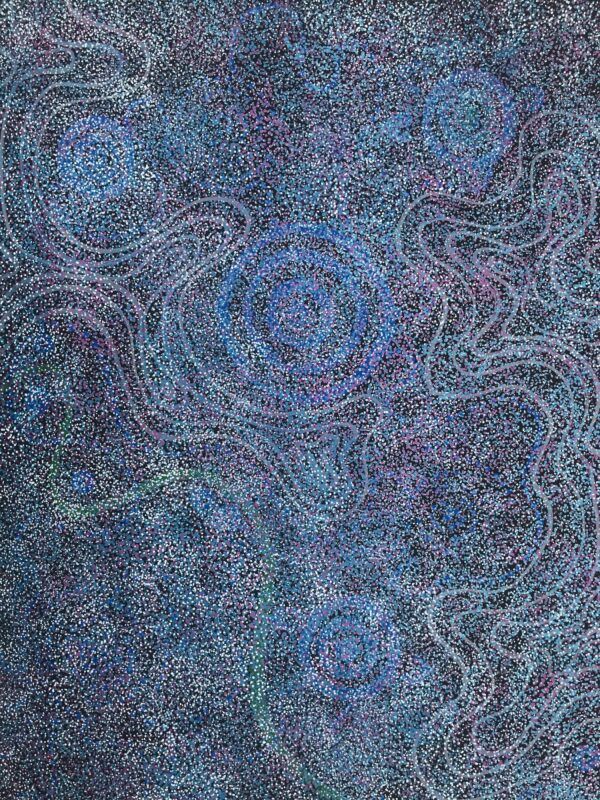
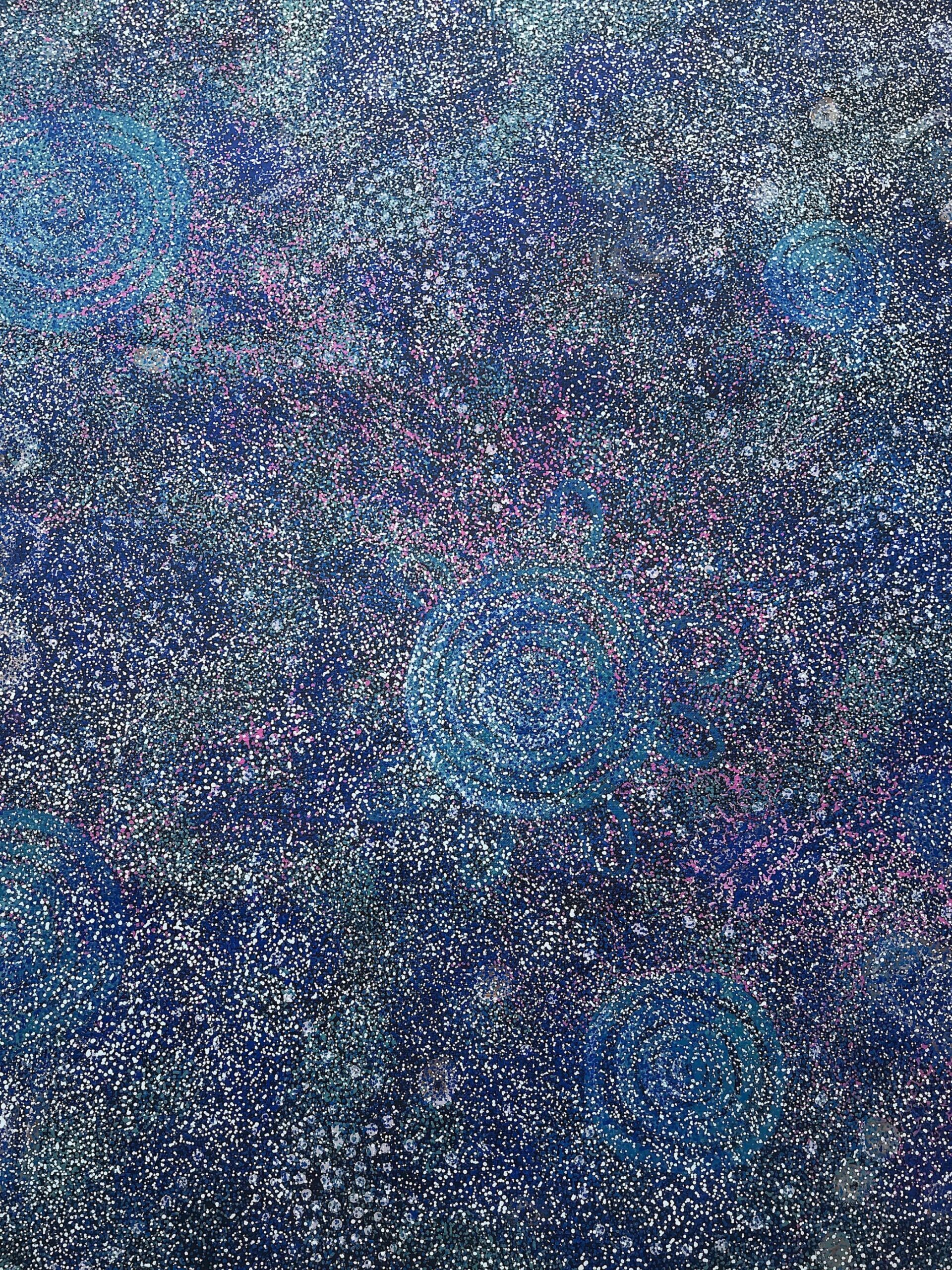
Covering more than 1,800 square kilometres, the land is a tapestry of spinifex plains, seasonal wildflowers, and desert scrub. The environment is harsh, with low rainfall and extremes of temperature, but rich in cultural meaning. Every rock, tree, and waterhole holds a story—reflected in the Dreamings that inspire the region’s world-renowned art.
A transformative moment came in 1979, when the Utopia community was granted permanent legal title to their leasehold through a landmark land claim. This historic win was made possible largely through the efforts of Utopian women. Just a year prior, in 1978, the introduction of batik art—taught by educator Toly Sawenko and art facilitator Jenny Green—sparked a cultural and economic revolution. Using batik techniques, women translated their sacred stories onto silk, proving both their deep cultural connection to the land and the economic sustainability of outstation life.

The 1981 Adelaide Festival of Arts showcased these batiks to critical acclaim, propelling Utopia onto the international art stage. By 1987, the Central Australian Aboriginal Media Association (CAAMA) began representing Utopia artists, and the transition from batik to acrylic on canvas followed in 1988–1989. This allowed for larger-scale works and more expressive interpretations of Dreamings and ceremonial themes.
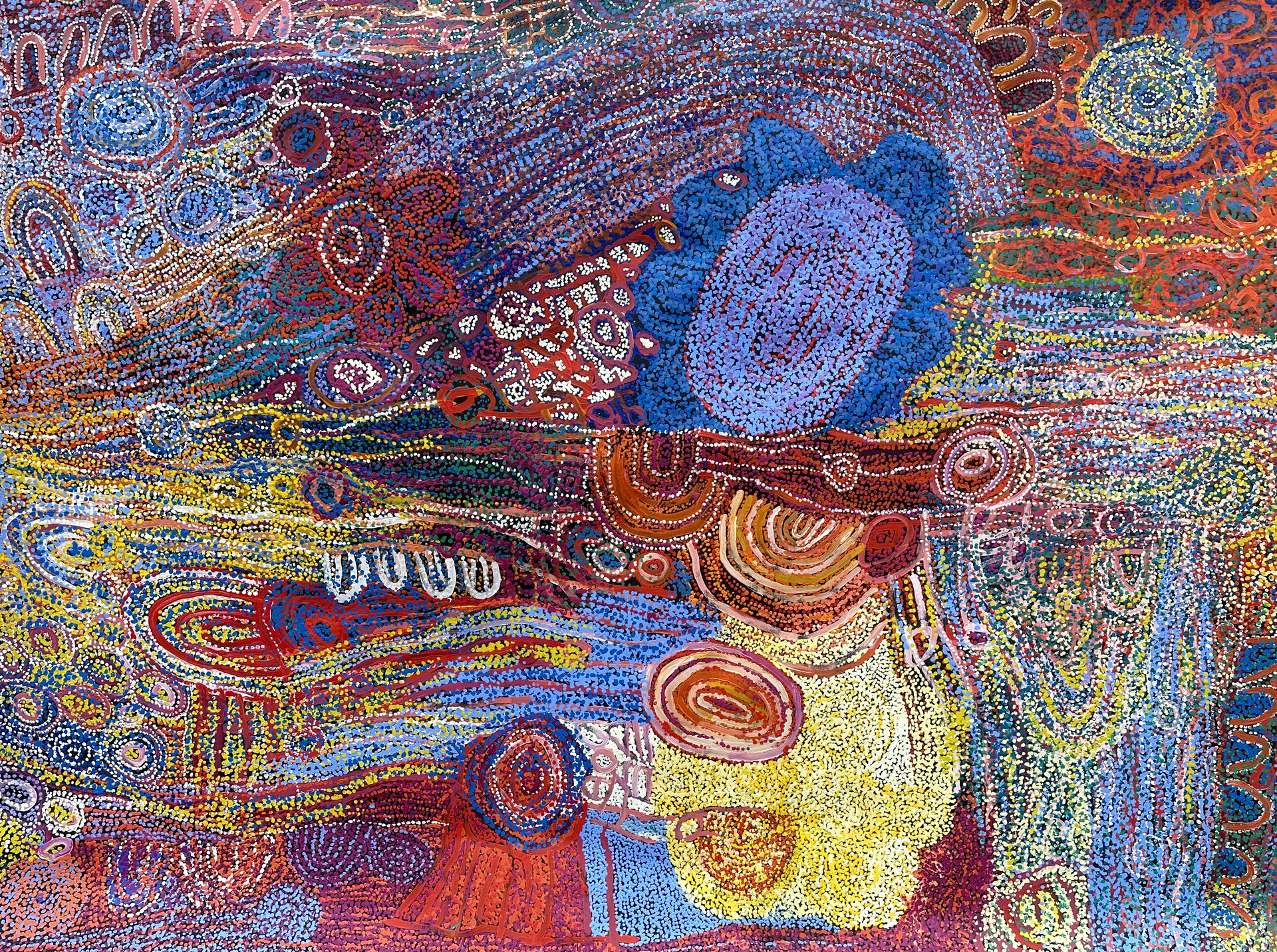
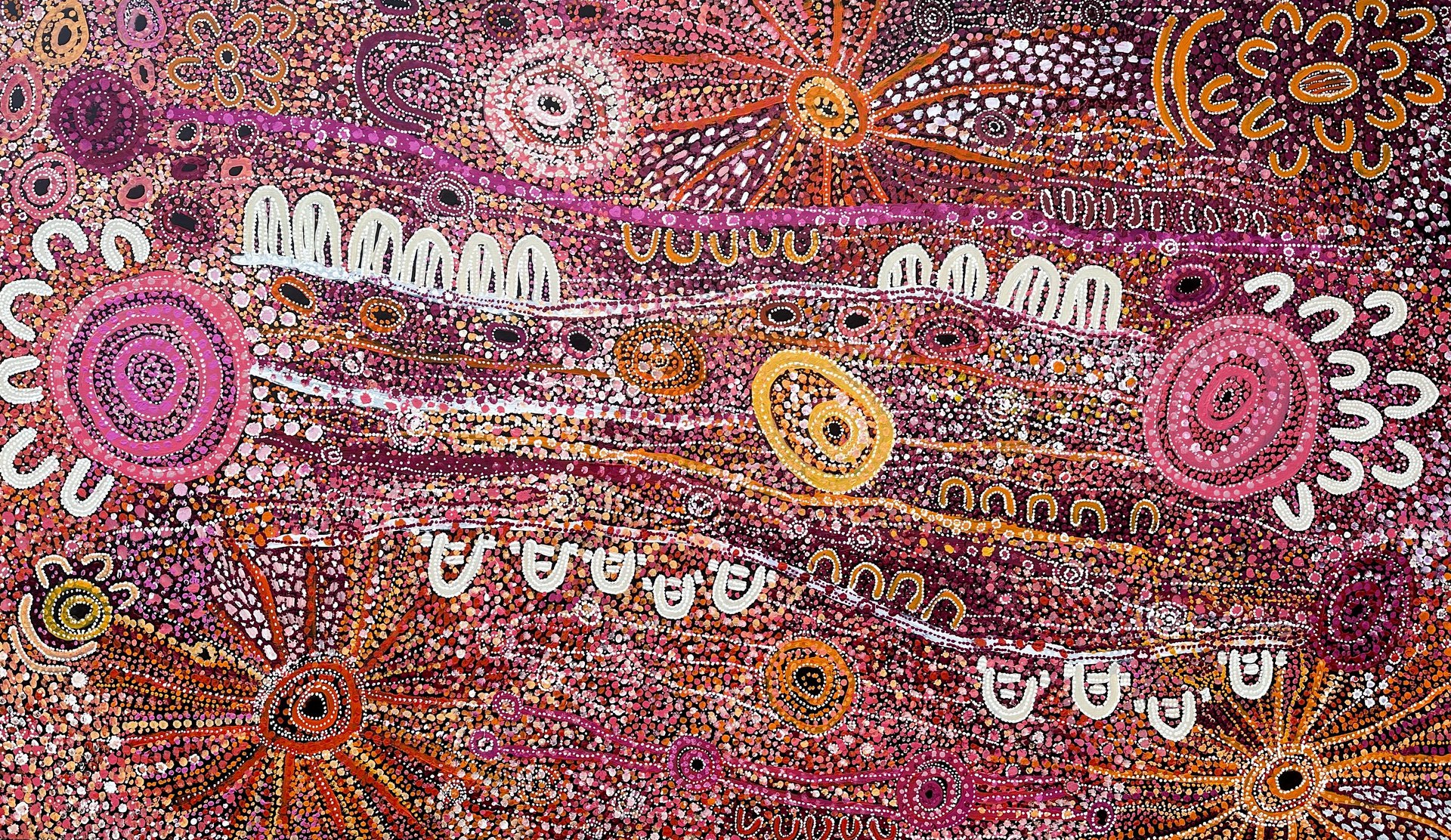
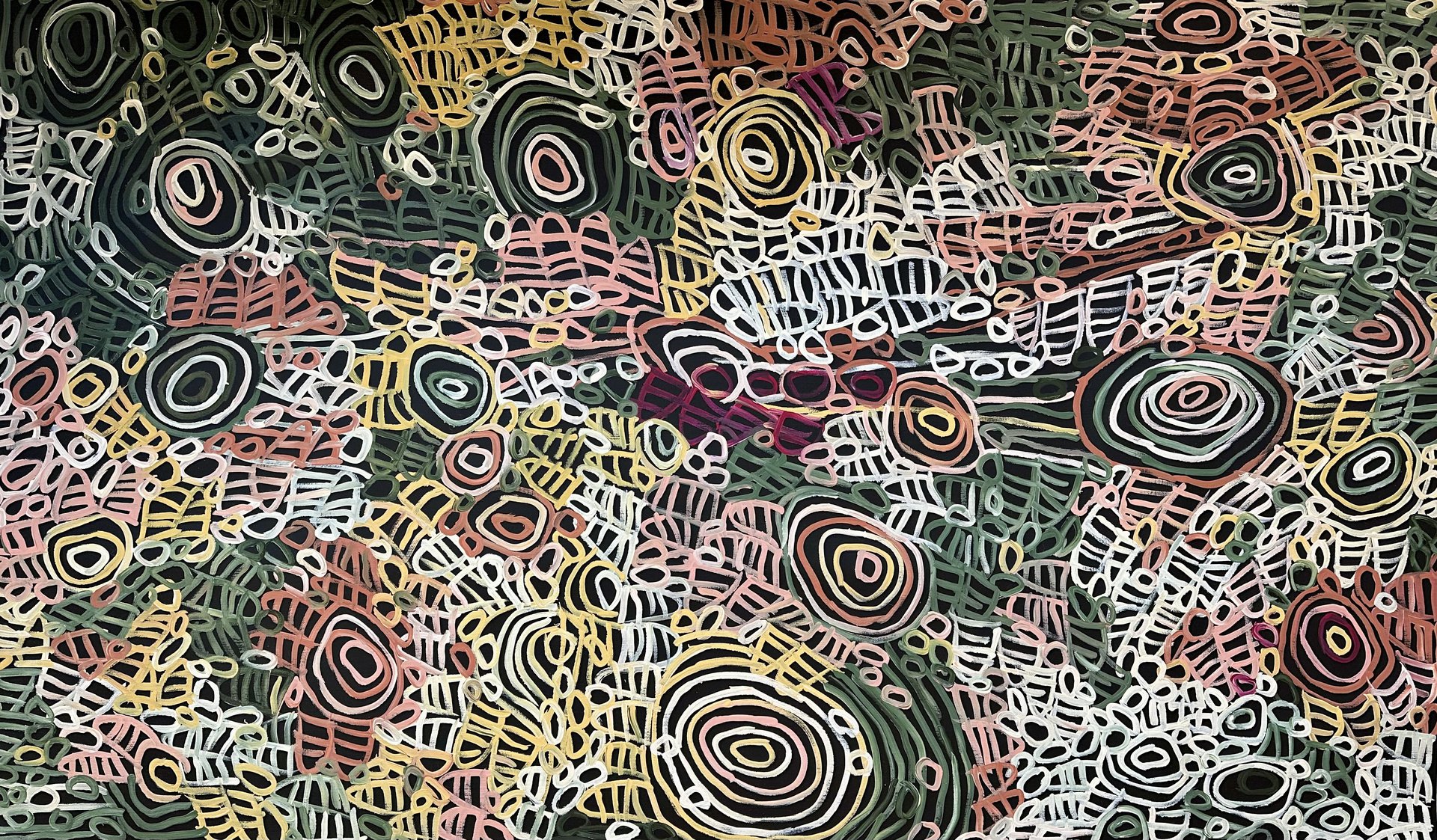
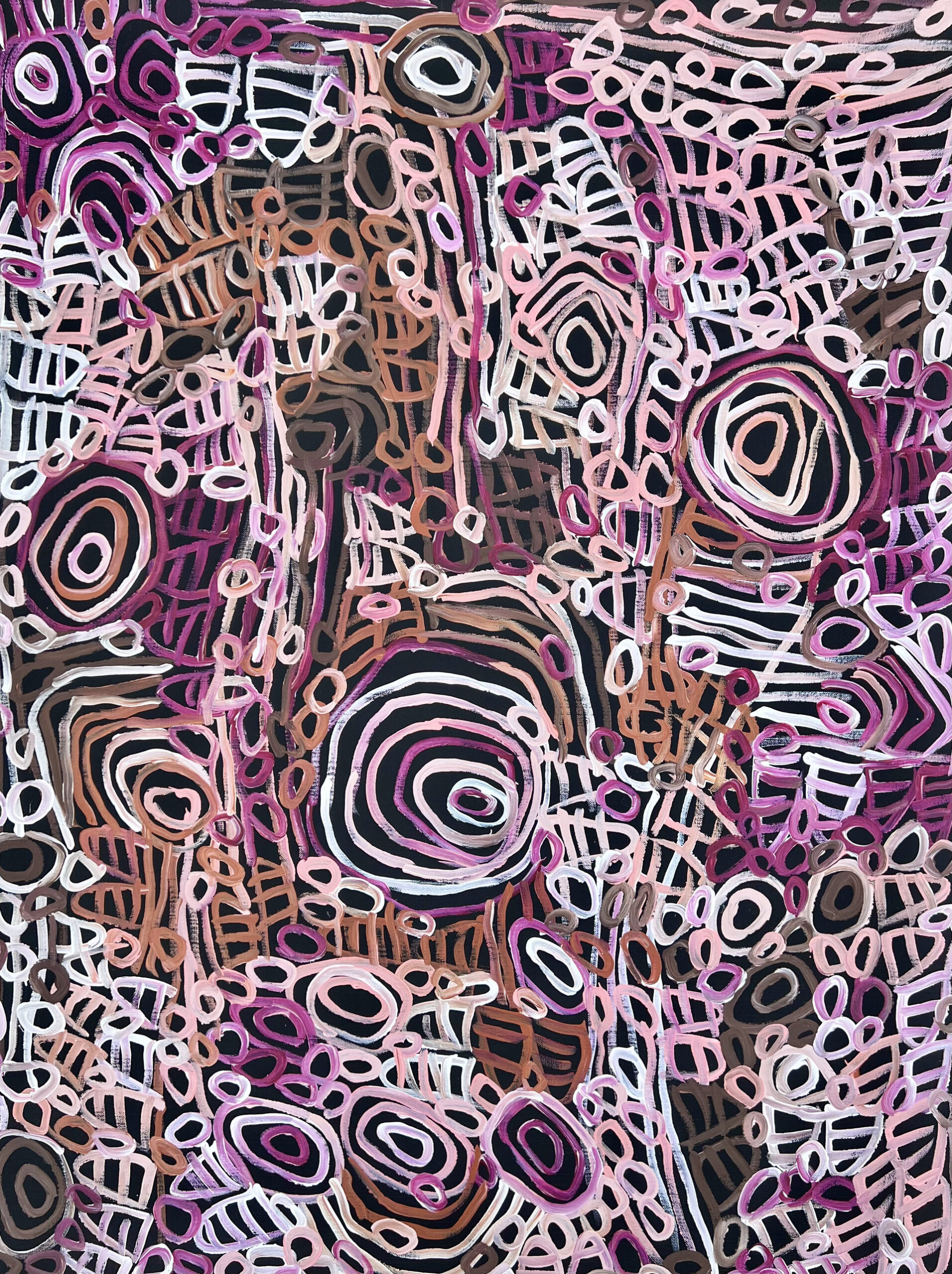
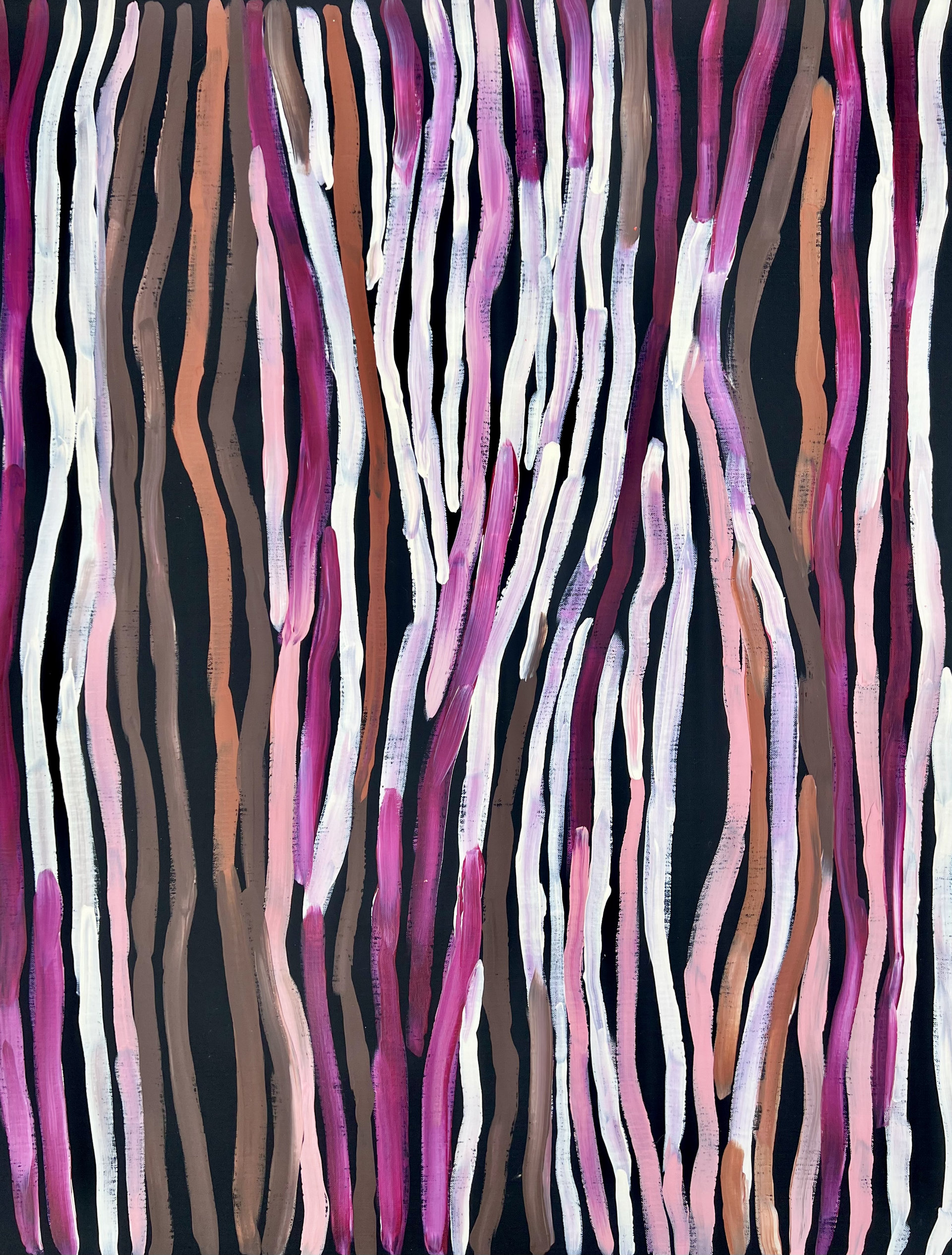
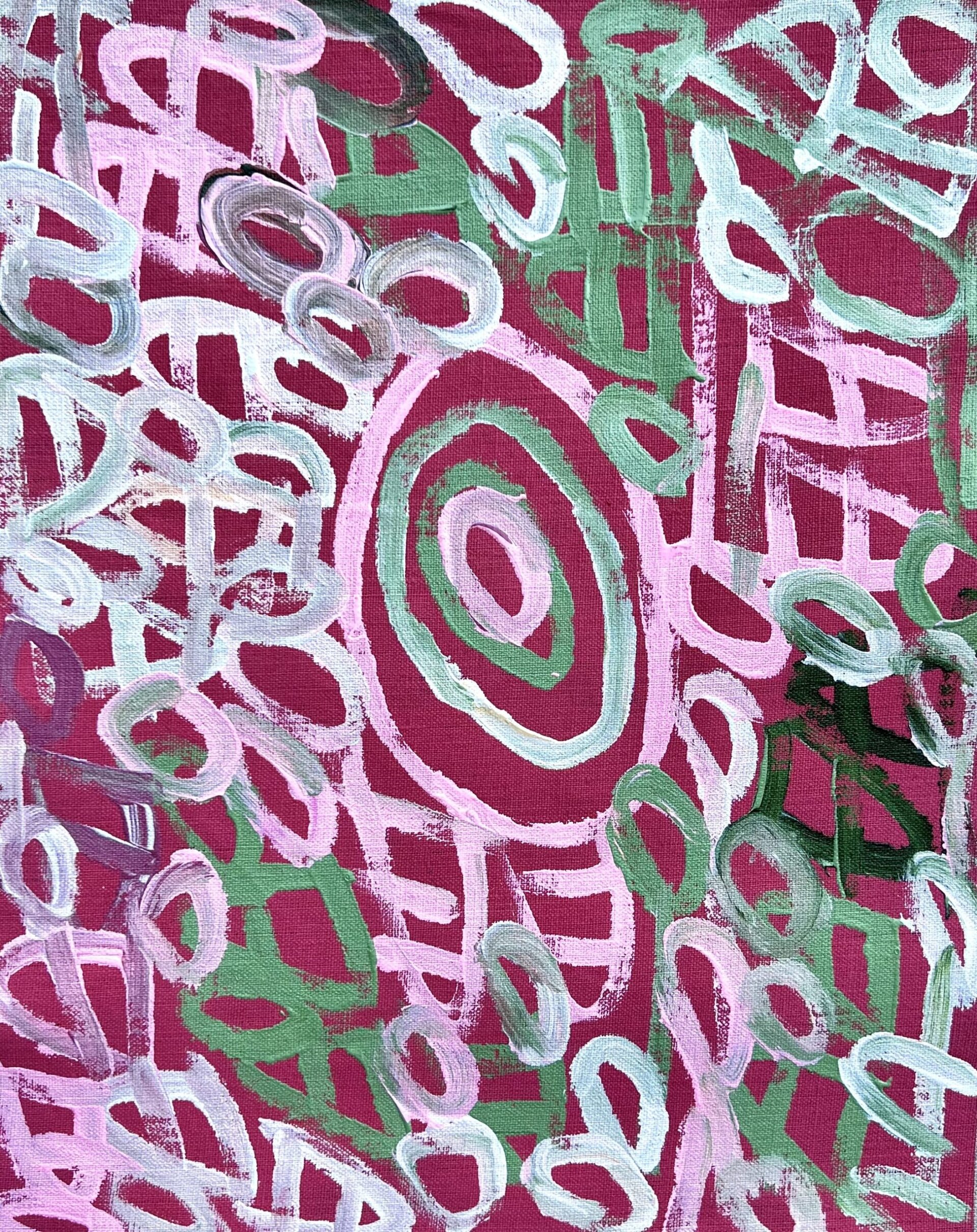
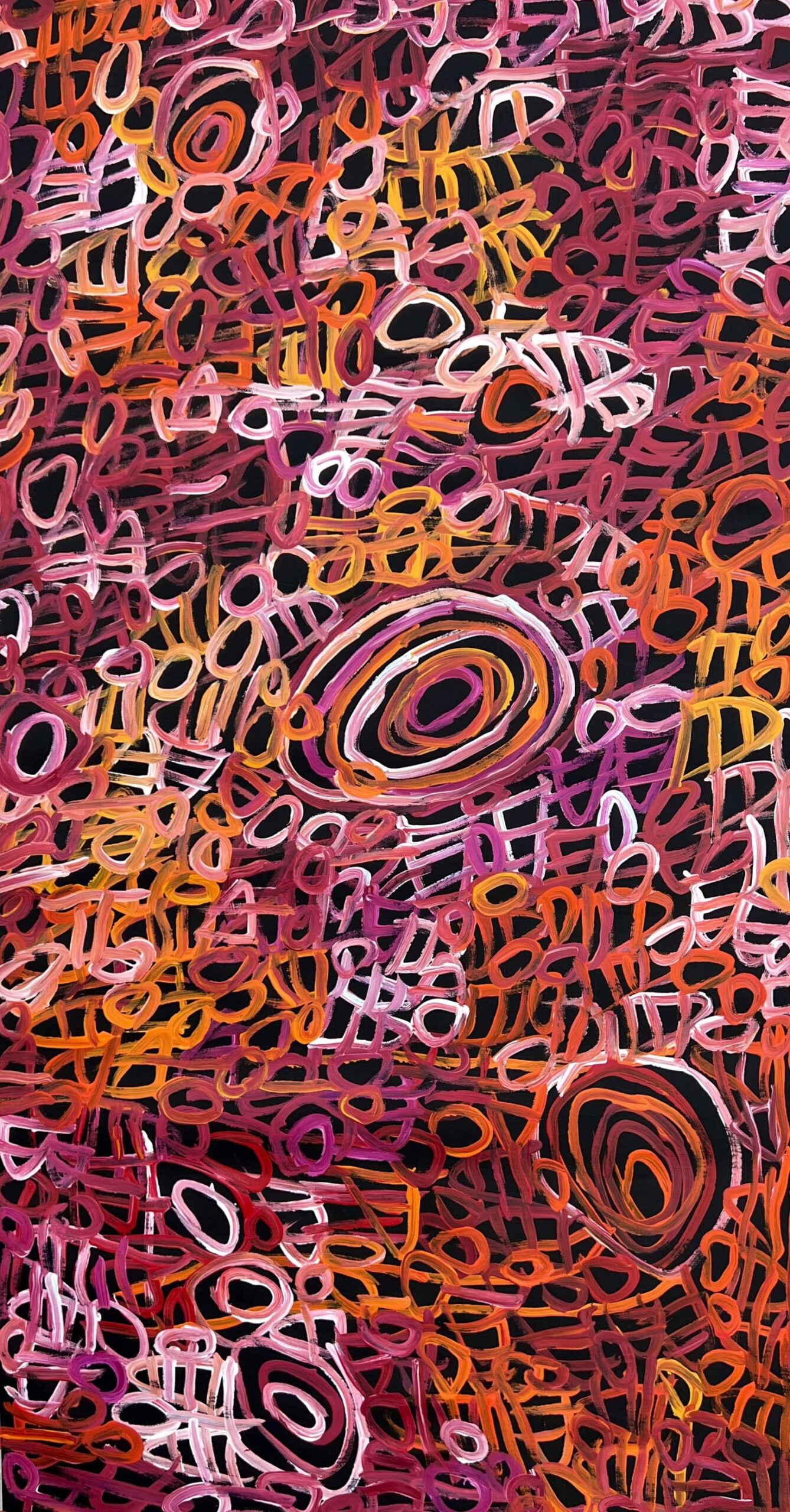
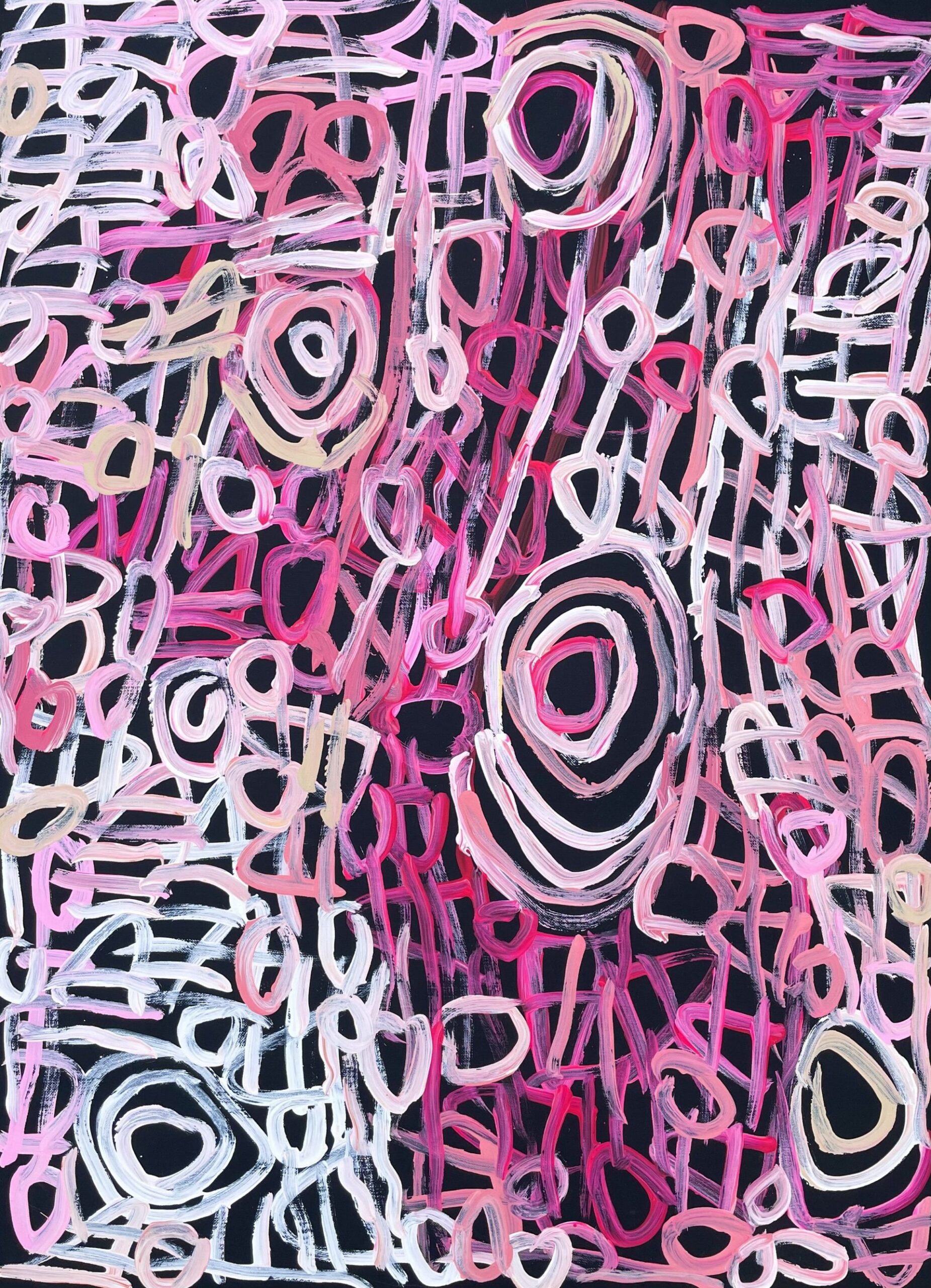
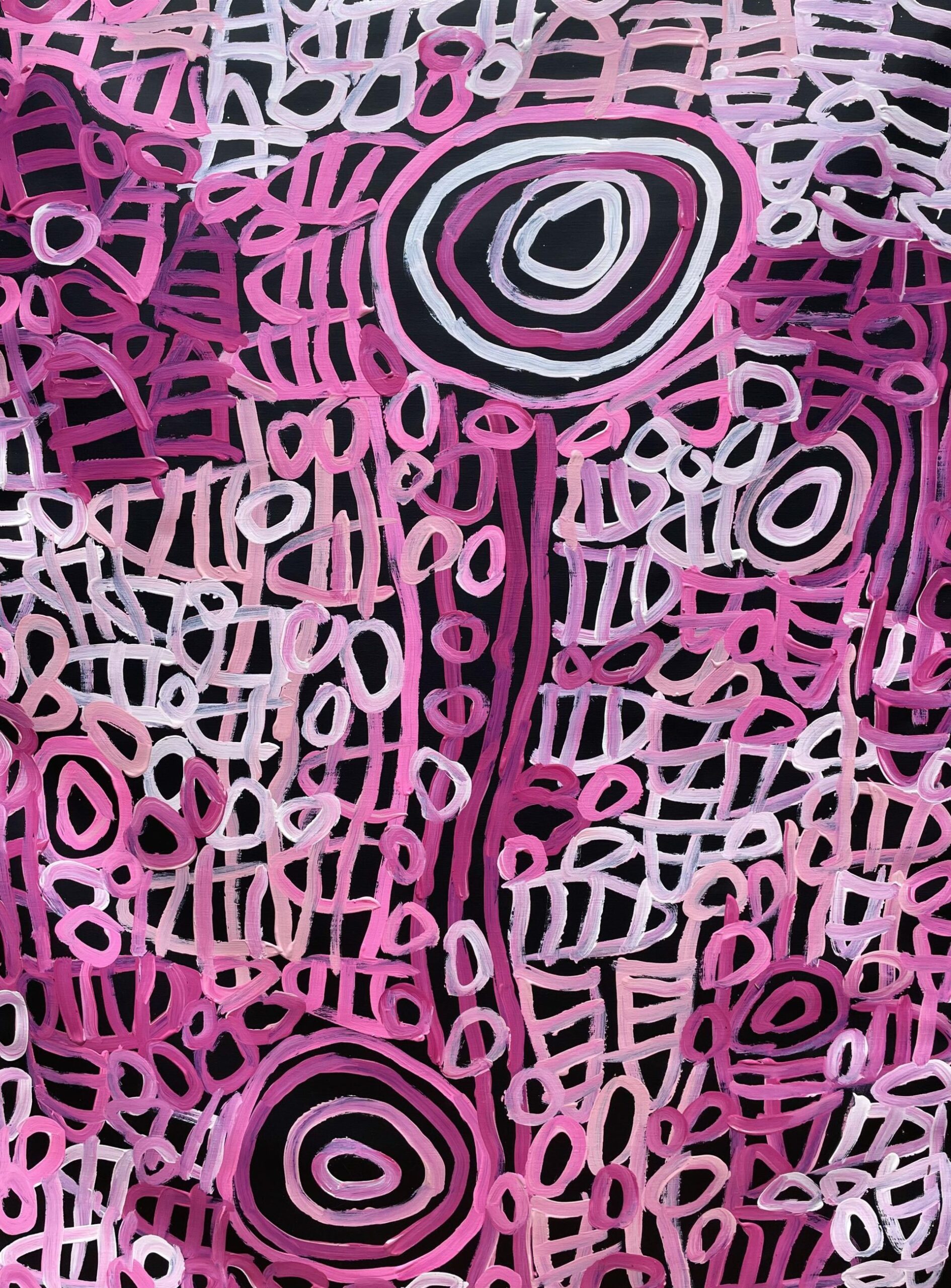
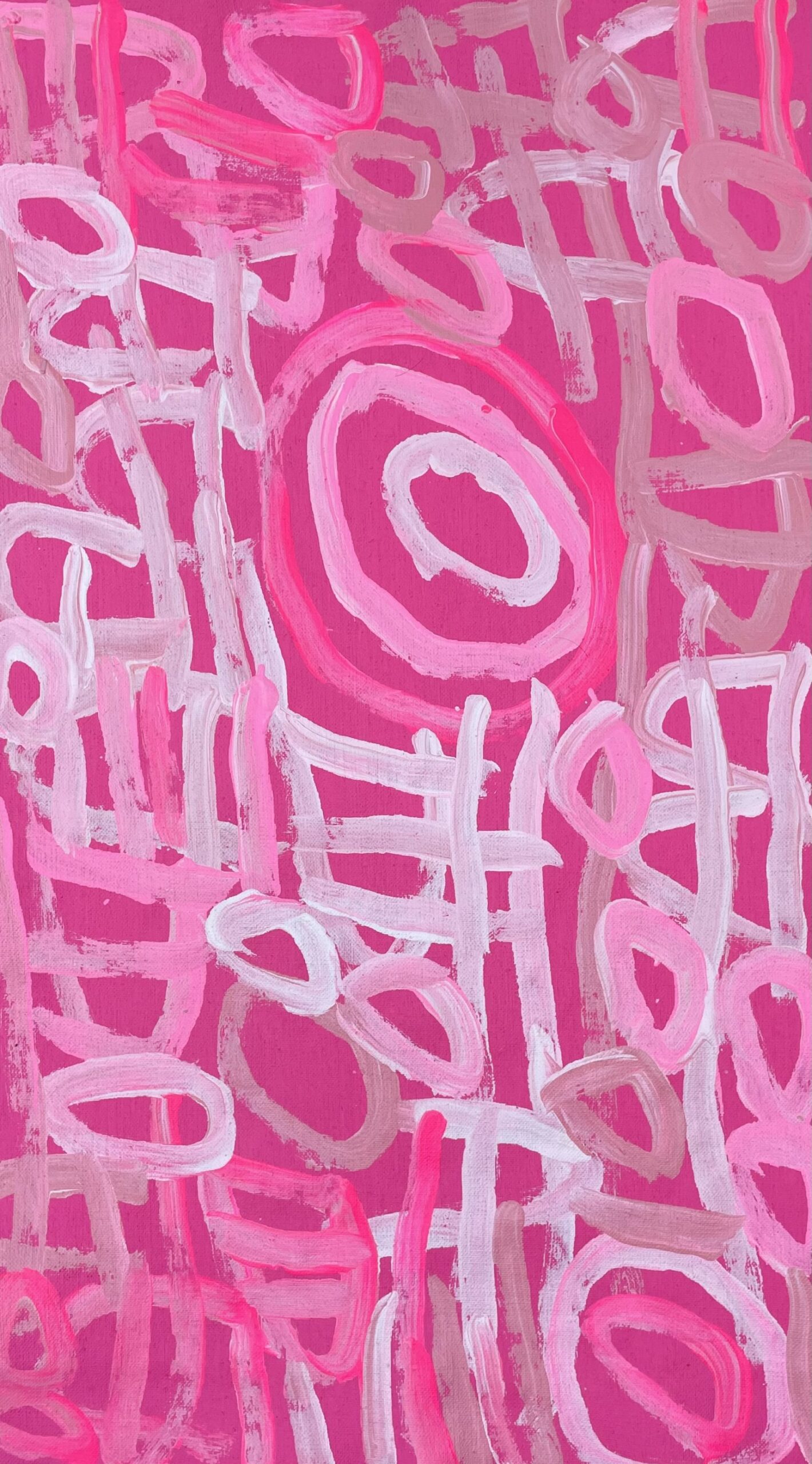
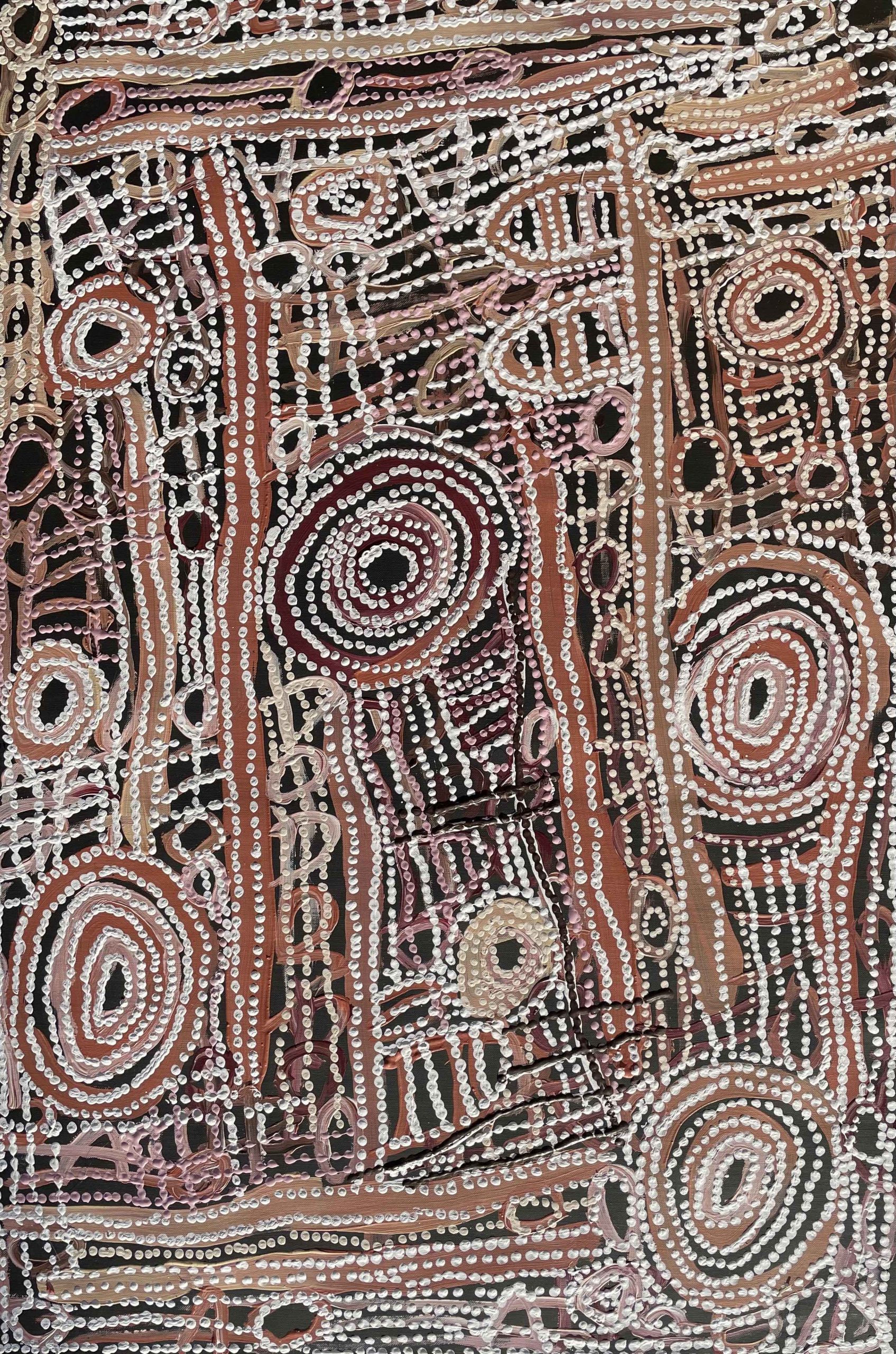
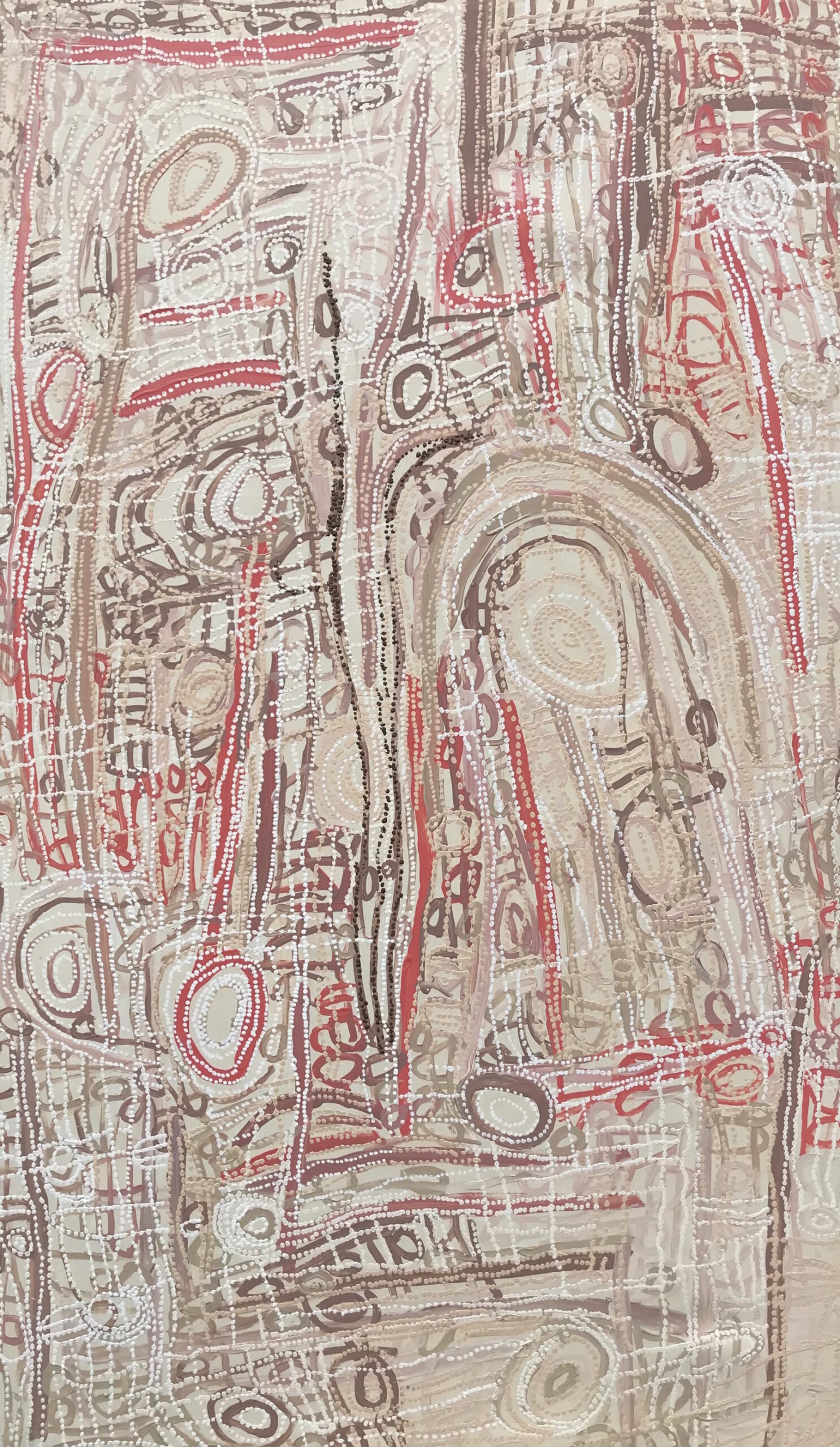
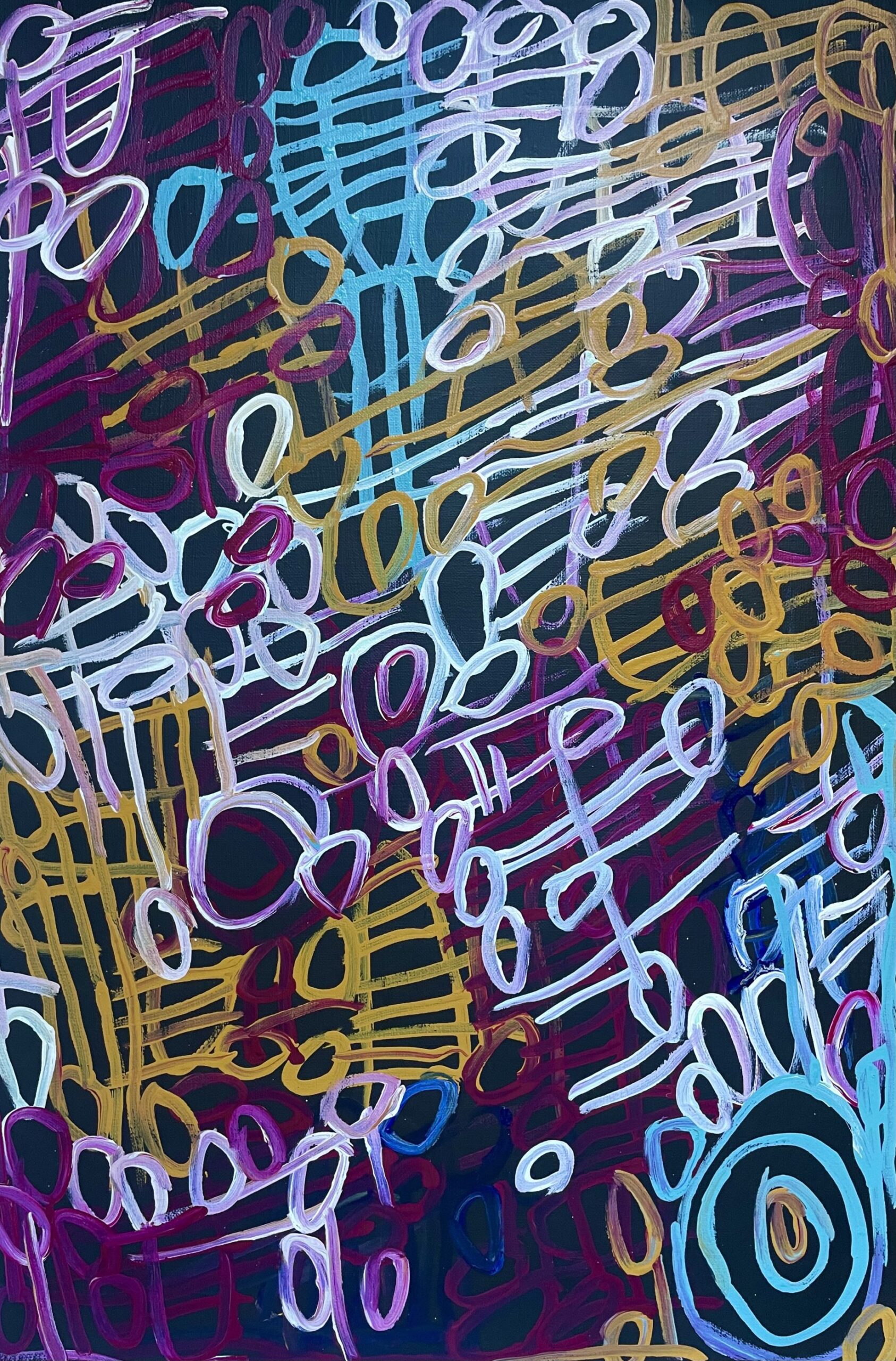
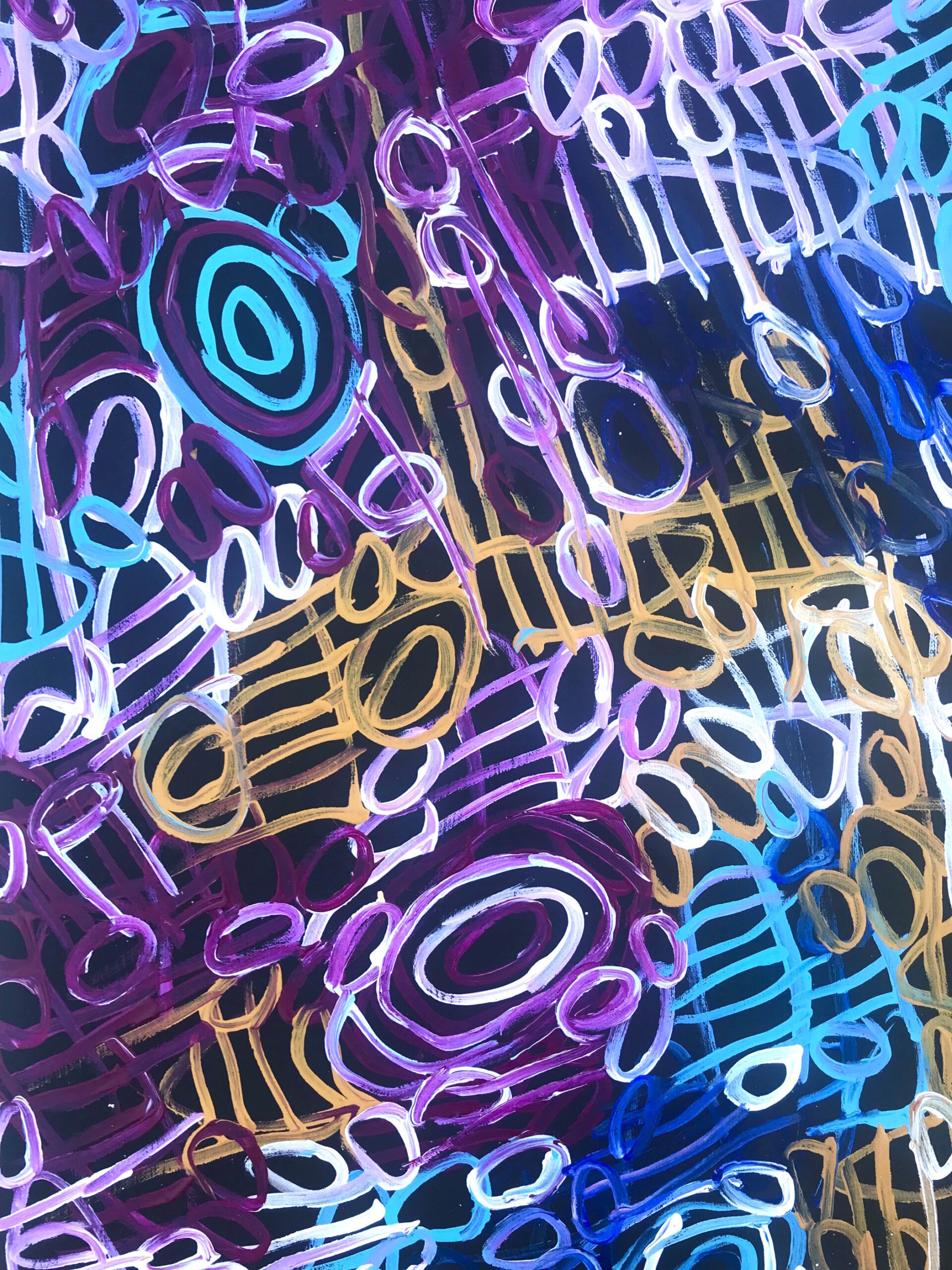
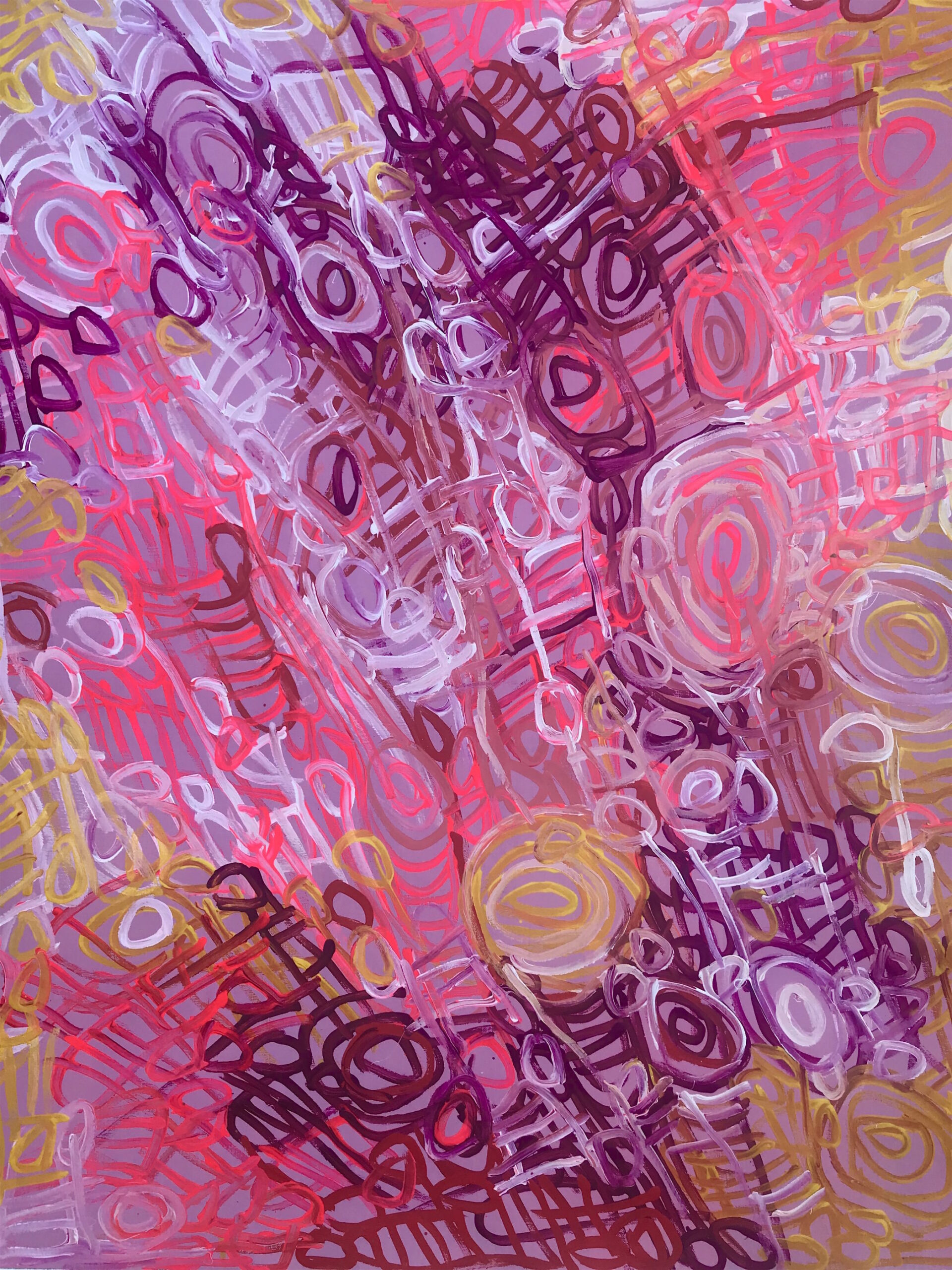
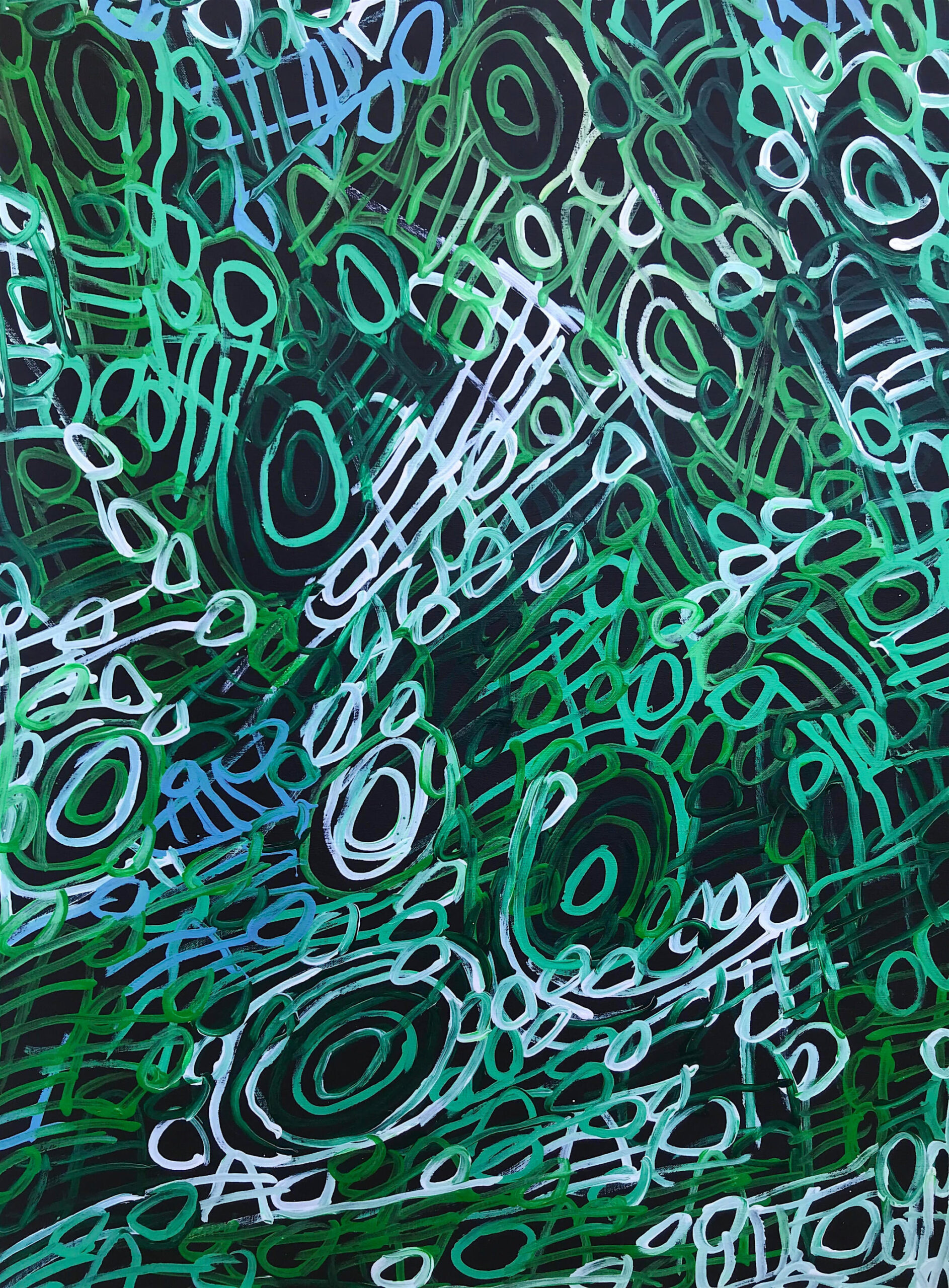
It was during this artistic evolution that Emily Kame Kngwarreye, a senior Anmatyerre woman, rose to global acclaim, heralding a new era for Aboriginal art. Her influence opened the door for other Utopian artists, including Gloria Petyarre, Kathleen Petyarre, Barbara Weir, Minnie Pwerle, Molly Pwerle, Ada Bird, Nancy Petyarre, and Galya Pwerle, among others. Their work, marked by unique styles and personal interpretations of Country, established Utopia as a powerhouse of contemporary Indigenous art.

Today, Utopia is more than a place—it is a living cultural legacy. It is where Dreamings live on through paint, dance, story, and song. The next generation continues this lineage with strength and integrity, including artists such as Charmaine Pwerle, Jade Akamarre and Mariah Akamarre who blend ancestral knowledge with contemporary techniques.
Pwerle Gallery proudly and exclusively represents artists from Atnwengerrp and the broader Utopia region, all of whom are part of the extended family and cultural bloodline of this community. Through these connections, Pwerle ensures that every artwork carries cultural authority, ethical provenance, and deep respect for tradition.

The word Utopia may suggest an ideal place in Western philosophy—but in this context, it reflects something even more meaningful: a real place, shaped by survival, artistry, family, and culture, where art is not just expression—it is law, memory, and Country itself.

Utopia: Key Historical Milestones
Pre-colonisation: Atnwengerrp occupied and cared for by Anmatyerre and Alyawarre peoples for millennia
1927: European settlers name the region “Utopia”
1978: Introduction of batik art by Utopian women
1979: Utopia land claim successful; community gains legal title
1981: Batiks exhibited at Adelaide Festival of Arts
1987: CAAMA begins representing Utopia artists
1988–89: Transition to acrylic on canvas; contemporary Utopian art movement begins
1990s–Today: International acclaim for Utopia artists; new generation emerges

subscribe to our newsletter

follow
© Copyright - Pwerle Gallery | Website Designed & Developed by Tangible.