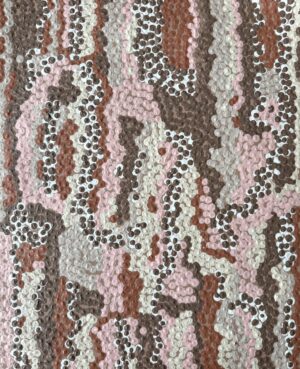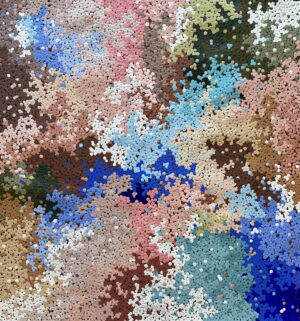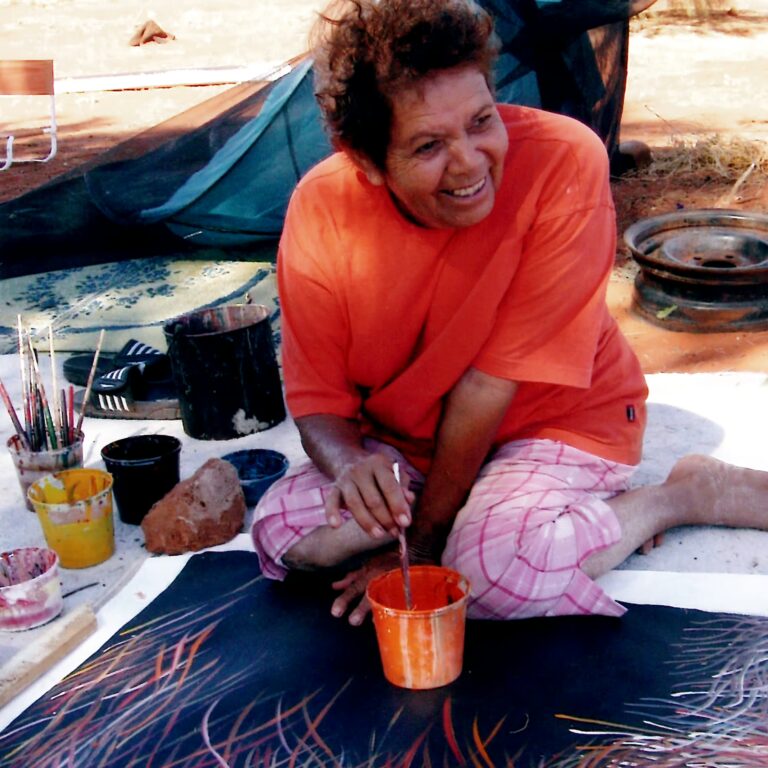
Barbara Weir was one of Central Australia's most celebrated Aboriginal artists and one of the most significant cultural leaders to emerge from the Utopia region. Her paintings, luminous, rhythmic and deeply personal, have been exhibited on almost every continent and sit today in major public and private collections around the world. But it is impossible to separate Barbara's art from her life story. She was a survivor of the Stolen Generations, a tireless advocate for land rights, the first woman to lead the Urapuntja Council, and a matriarch who helped shape one of the most important artistic movements in Australian history. Her journey, from forced removal as a child to international acclaim as an artist and Elder, is one of extraordinary resilience, courage and achievement.
Learn more about Barbara Weir below.
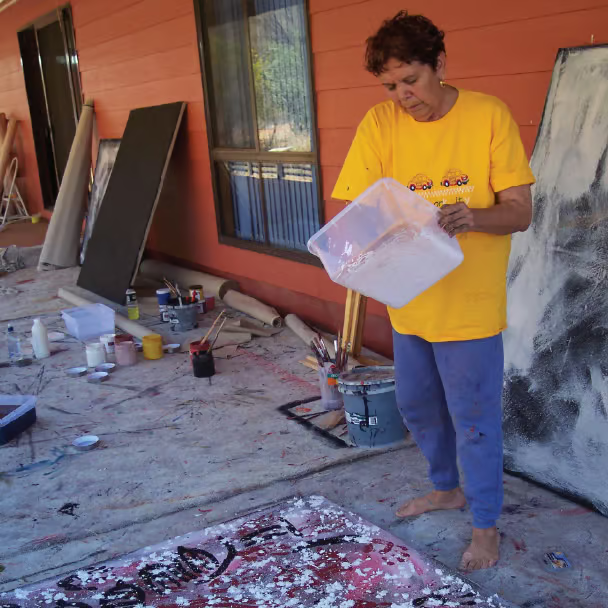
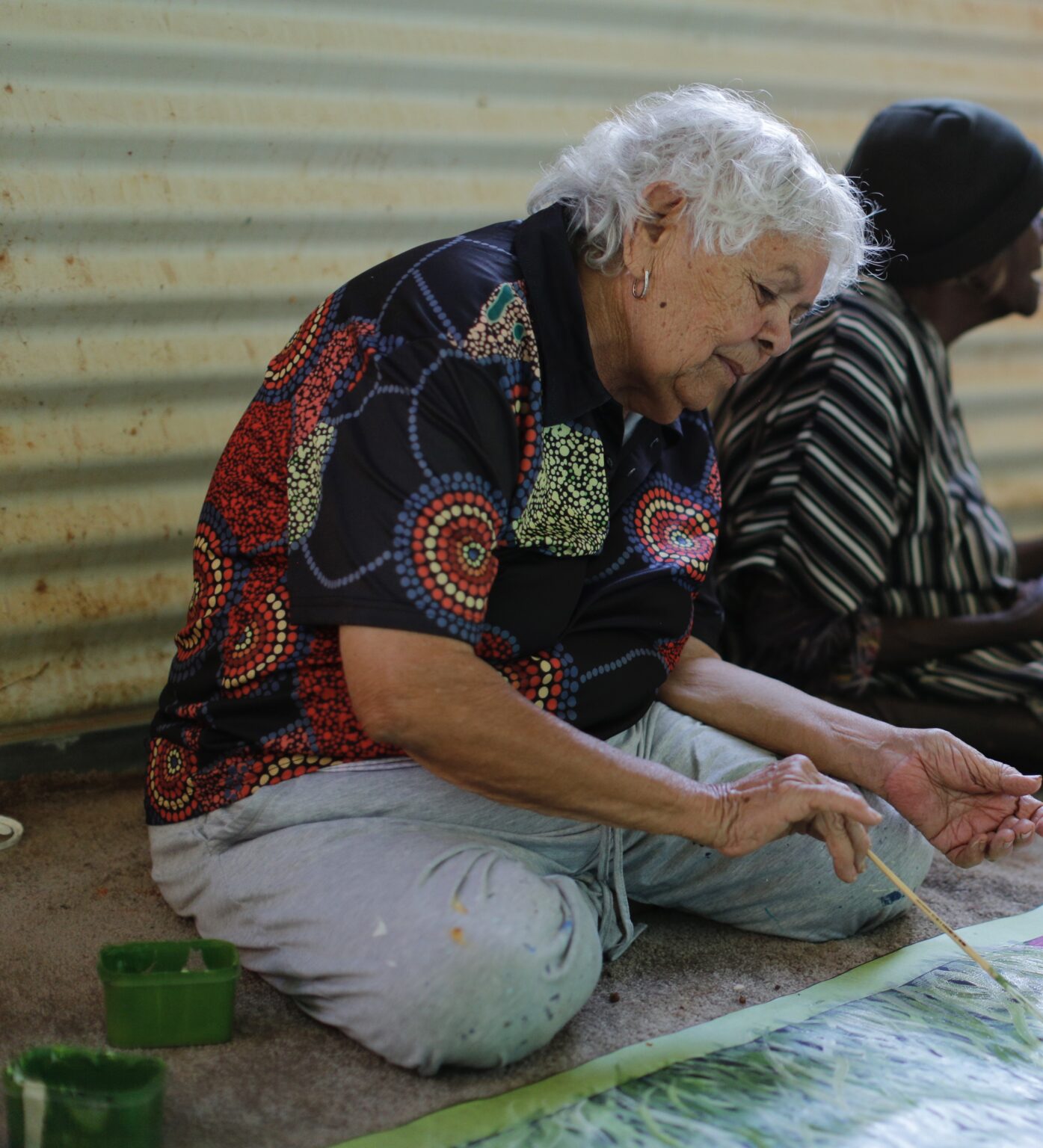
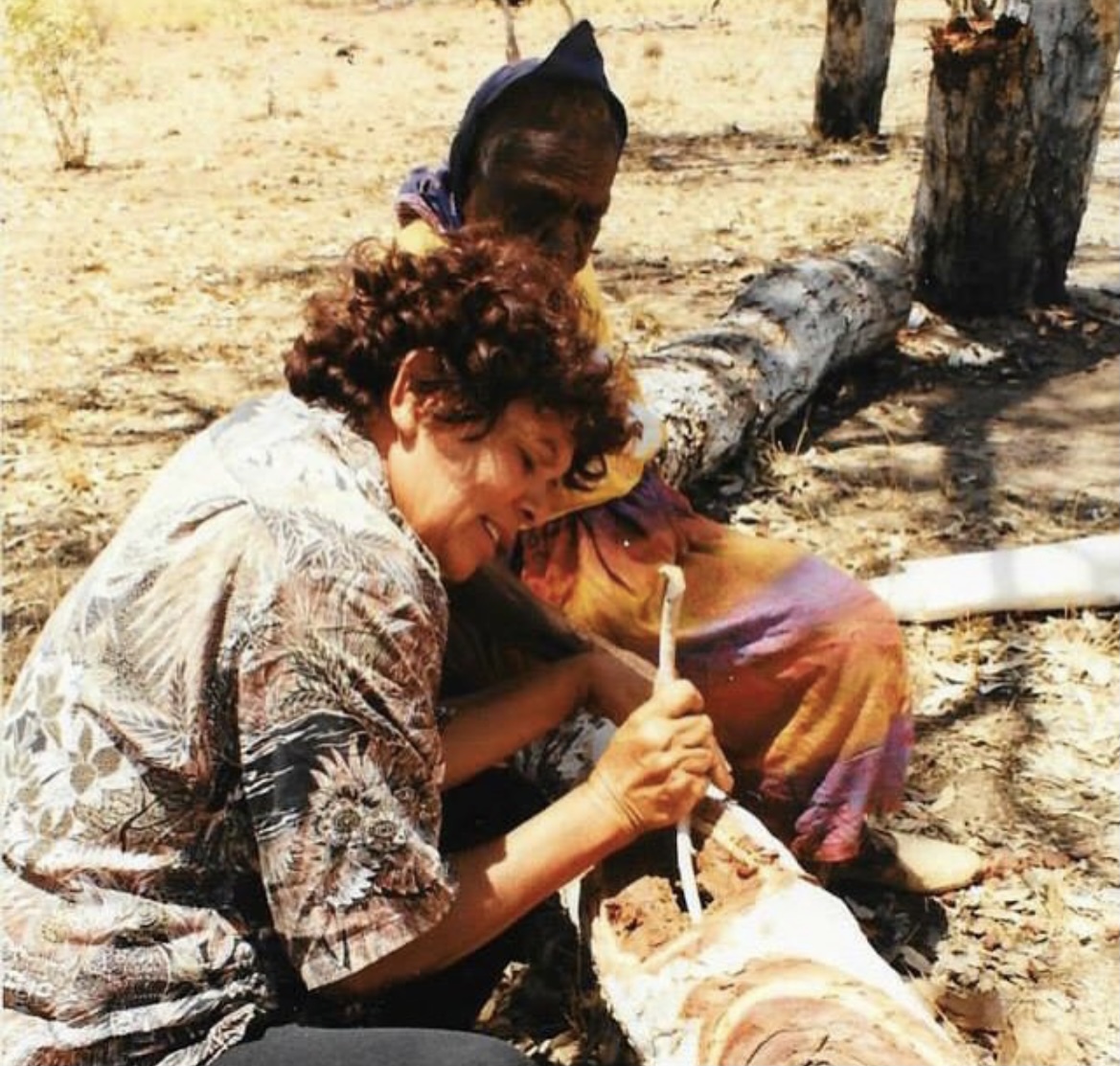
Barbara Weir born Florrie Weir, came into the world around 1940 at Bundy River Station in the Utopia region, approximately 270 kilometres north east of Alice Springs. Her mother was the renowned artist Minnie Pwerle, and her father was Jack Weir, an Irish station owner. Her country is Atnwengerrp, and her people speak the Alyawarre and Anmatyerre languages.
As a small child, Barbara came under the care of her aunt, Emily Kame Kngwarreye, who would go on to become one of the most celebrated Aboriginal artists Australia has ever produced. Under the assimilation policies pursued by Australian governments from the early 1900s through to the 1970s, mixed race children from fringe settlements were routinely and forcibly removed from their families to be raised in institutions or European households. Knowing what was coming, Emily hid Barbara from welfare patrols for years, and Barbara's family told authorities she was a distant relative in an attempt to protect her. It worked for a time, but not forever.
At around nine years of age, Barbara was found and taken by Native Welfare. She became one of the Stolen Generations, the term used for the generations of Aboriginal and Torres Strait Islander children removed from their families under government policy. She was fostered out to a succession of families, first in Alice Springs, then Victoria, and finally Darwin. Her own family believed she had died. For close to two decades, Barbara had no contact with her parents, her Country or her culture.
This chapter of Barbara's story belongs to the wider history of the Stolen Generations, a subject explored more fully elsewhere on this site.
To learn more, visit our Stolen Generations page.
In 1977, after her marriage ended, Barbara made the decision that would define the rest of her life: she returned permanently to Utopia with her six children. She had spent the preceding years visiting for short periods whenever she could, but this was her true homecoming. It was not an easy one. Barbara had spent almost her entire adult life outside Aboriginal culture. She no longer spoke the languages of her people, and her mother's other children did not even know they had a half sister.
"My people didn't recognise me when I went back." Barbara Weir
It was Emily Kame Kngwarreye, still living and still close to the family, who helped Barbara rebuild her place within the community. Her mother, Minnie Pwerle, was initially reserved, but with Emily's support and love, Barbara slowly reintegrated into the culture, language and Law she had been separated from as a child.
"It was lucky Aunty Emily was still around because I would not have stayed otherwise." Barbara Weir
Over time, Barbara relearned the two languages of her people and came to fully understand her culture and her Dreamings, which traditional law allowed her to inherit from her mother. She earned deep respect as an Elder within the Utopia community, dividing her time between a home in Adelaide, a studio residence in Alice Springs, and regular visits to Utopia, where she ran informal painting workshops in a bush studio attended by aunts, sisters, nieces and children.
Barbara's return to Utopia coincided with a pivotal period for her community. Throughout the 1970s, she played a major role in a successful land rights claim covering the Utopia homelands, part of the broader Utopia Homelands movement that secured recognition of traditional ownership over roughly 1,800 square kilometres of ancestral country.
In 1985, in recognition of this work, Barbara was made the first woman president of the Urapuntja Council, the representative body for the Utopia homelands. It was a landmark appointment in a leadership structure that had, until then, been the domain of men, and it placed Barbara at the centre of decisions affecting land, community services and cultural life across the region for years to come.
For Barbara, advocacy and art were never separate pursuits. Both were expressions of the same lifelong commitment: to protect her Country, to keep her culture strong, and to make sure the next generation inherited both the land and the stories that belong to it.
Barbara's career as an artist grew directly out of the extraordinary community of painters at Utopia and out of the influence of her aunt, Emily Kame Kngwarreye. Watching Emily's work take the Australian art world by storm had a profound effect on her, and in the early 1990s Barbara began to seriously explore her own artistic talent.
She was, from the outset, an experimental painter. In 1994 she travelled to Indonesia with a group of Utopia artists to study batik, an experience that broadened her sense of what her own painting could be. On her return, she began working closely with her son Fred Torres, who established and directs DACOU Aboriginal Gallery and continues to manage her artistic legacy today.
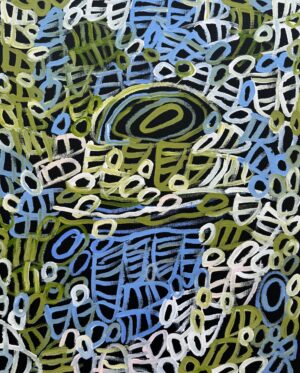
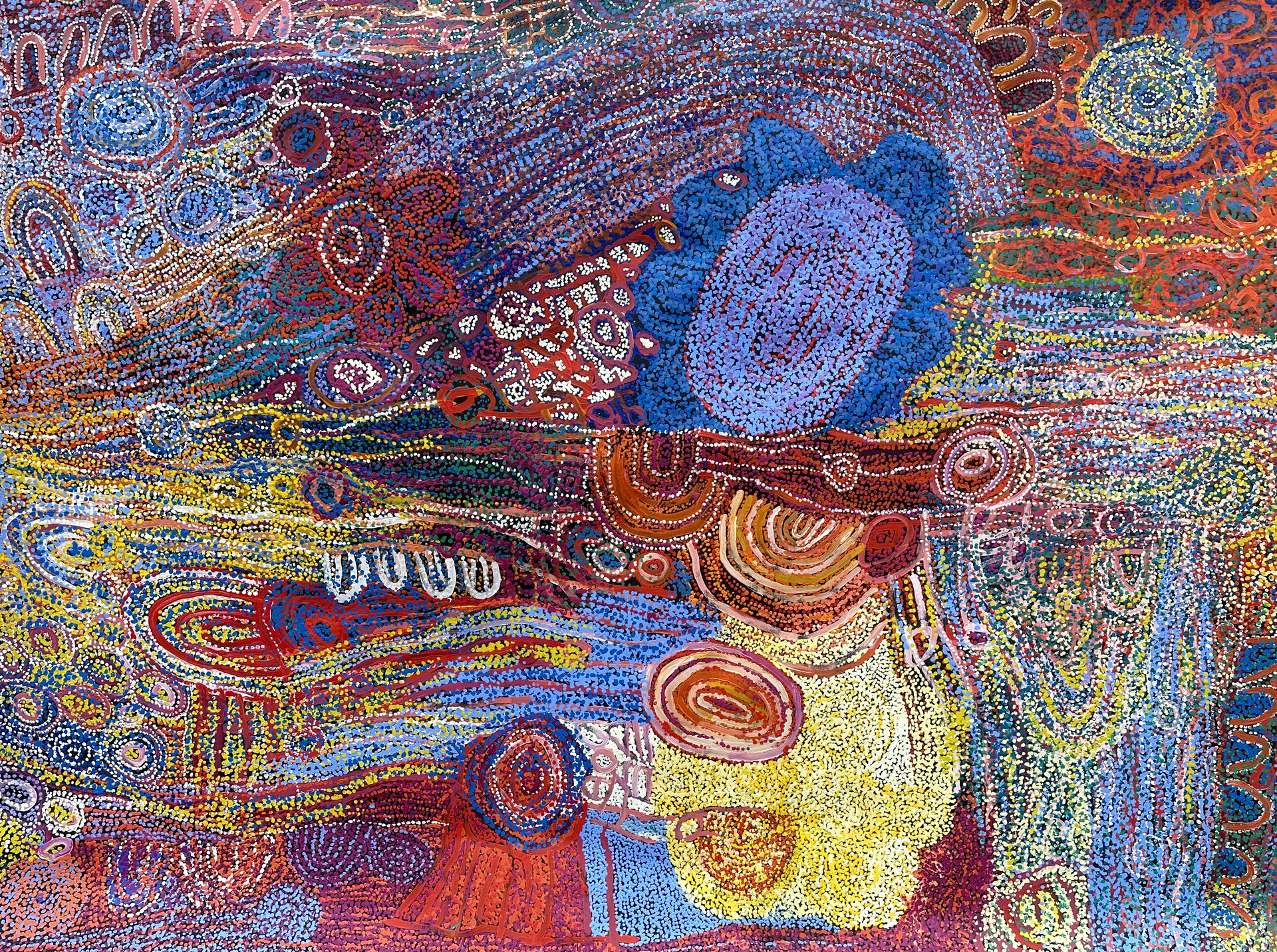
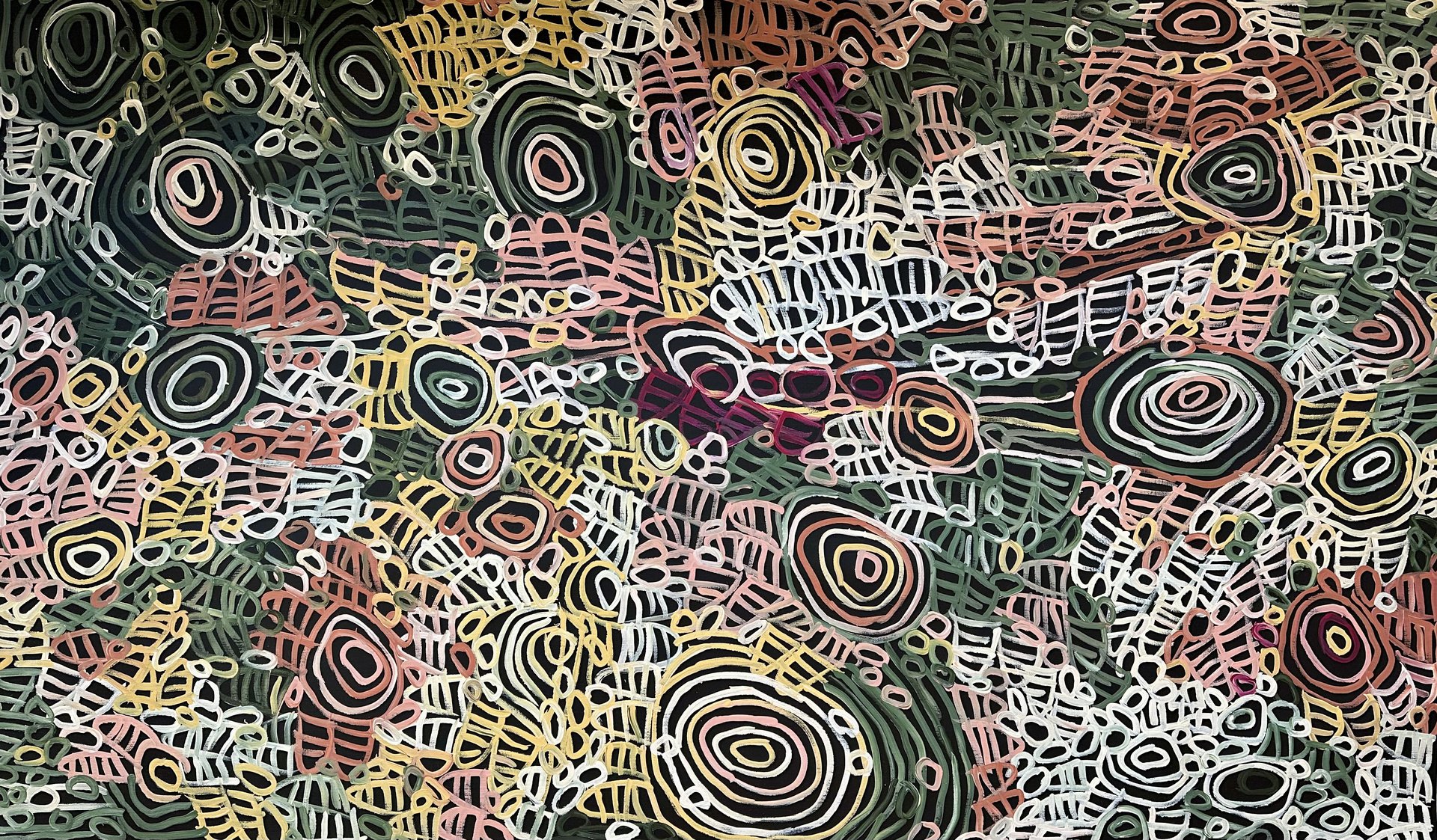
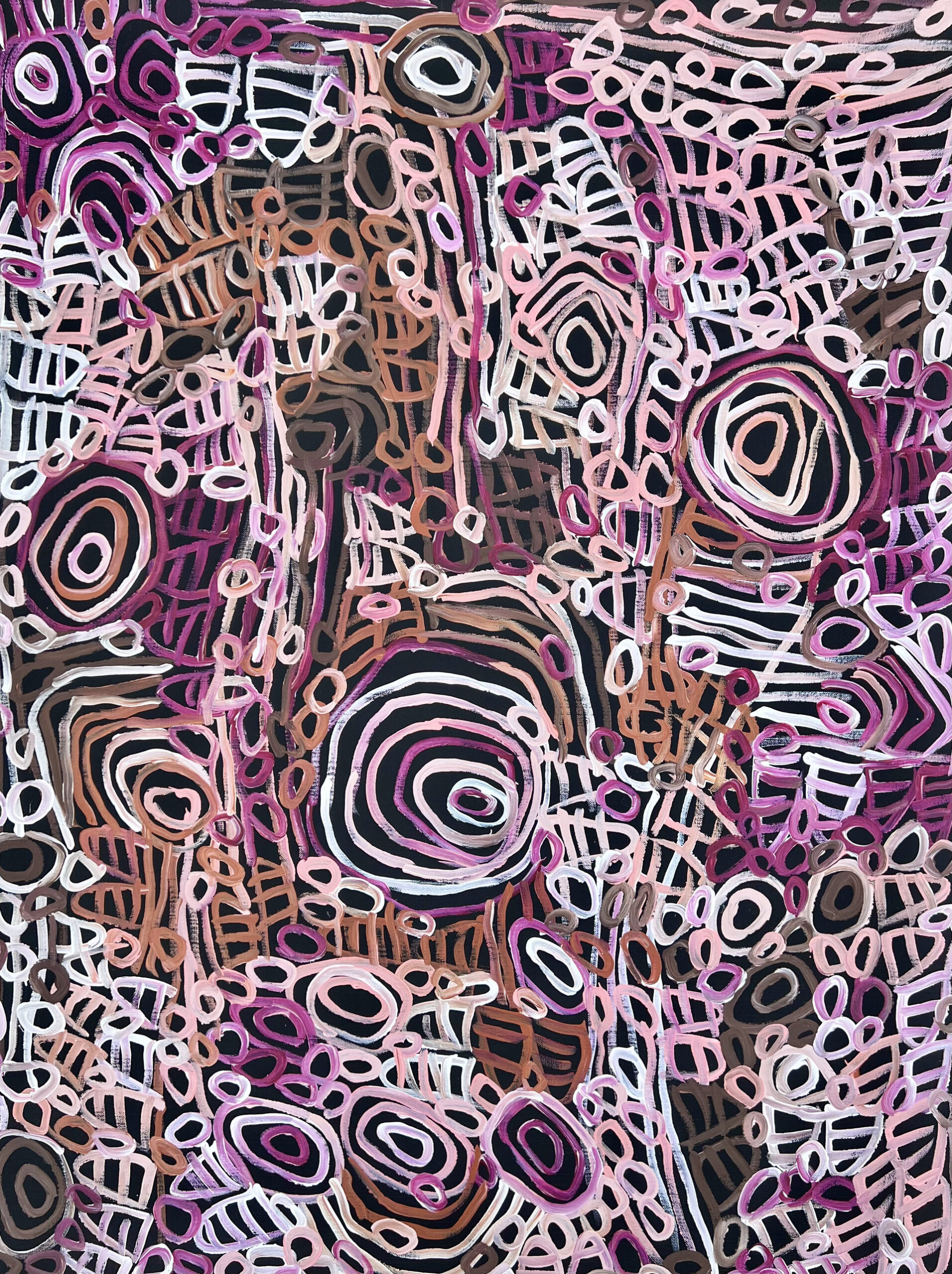
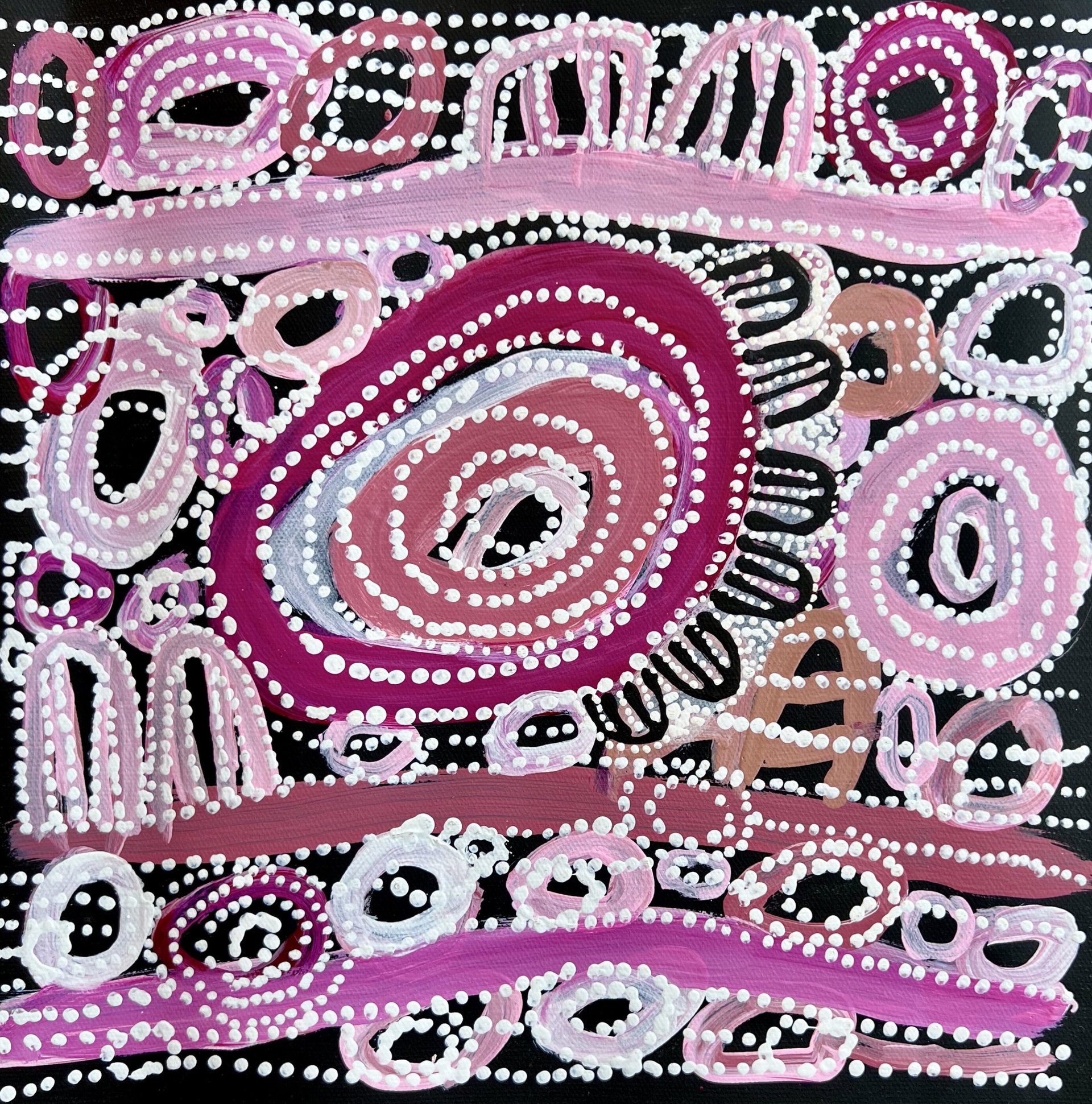
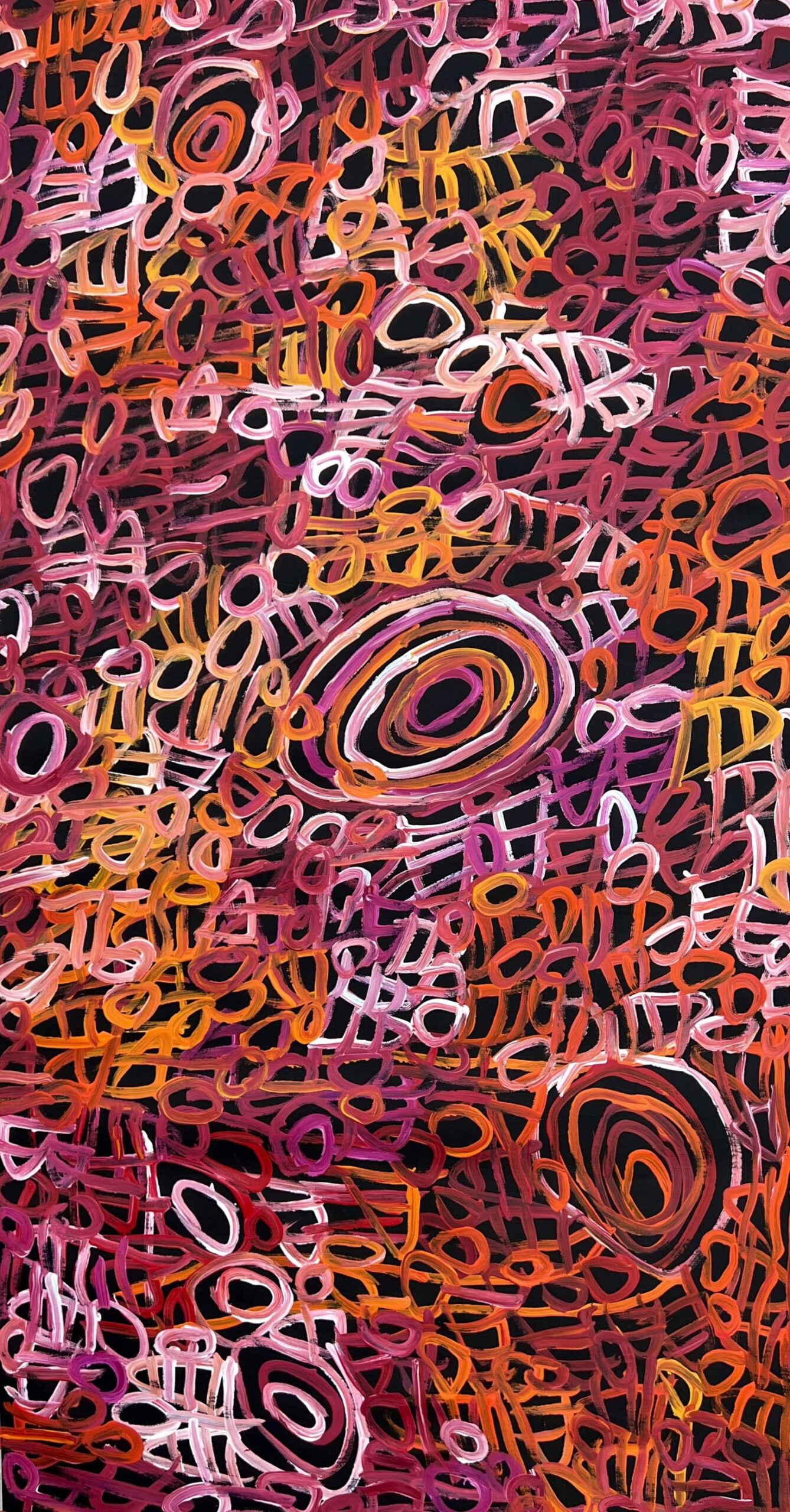
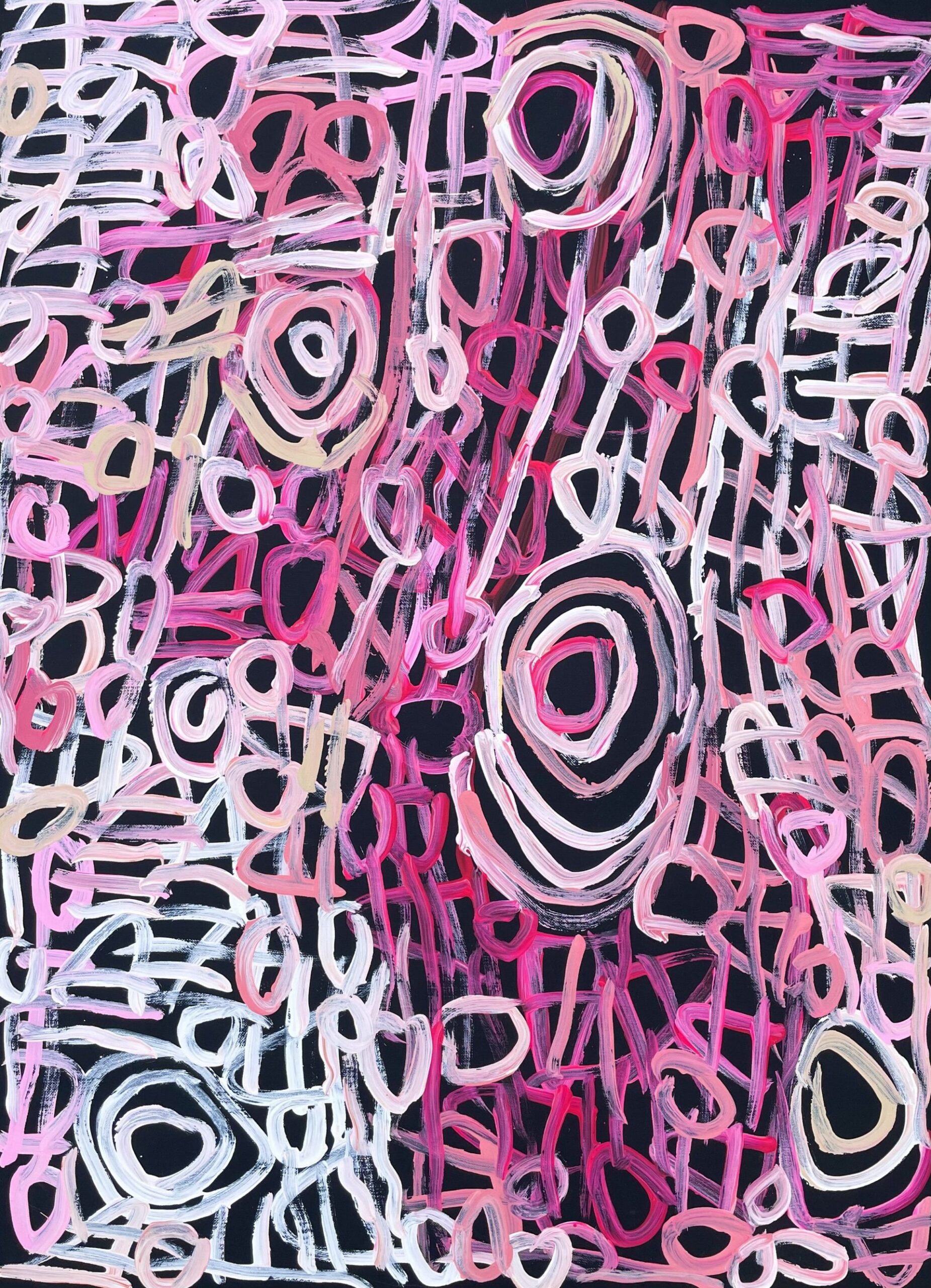
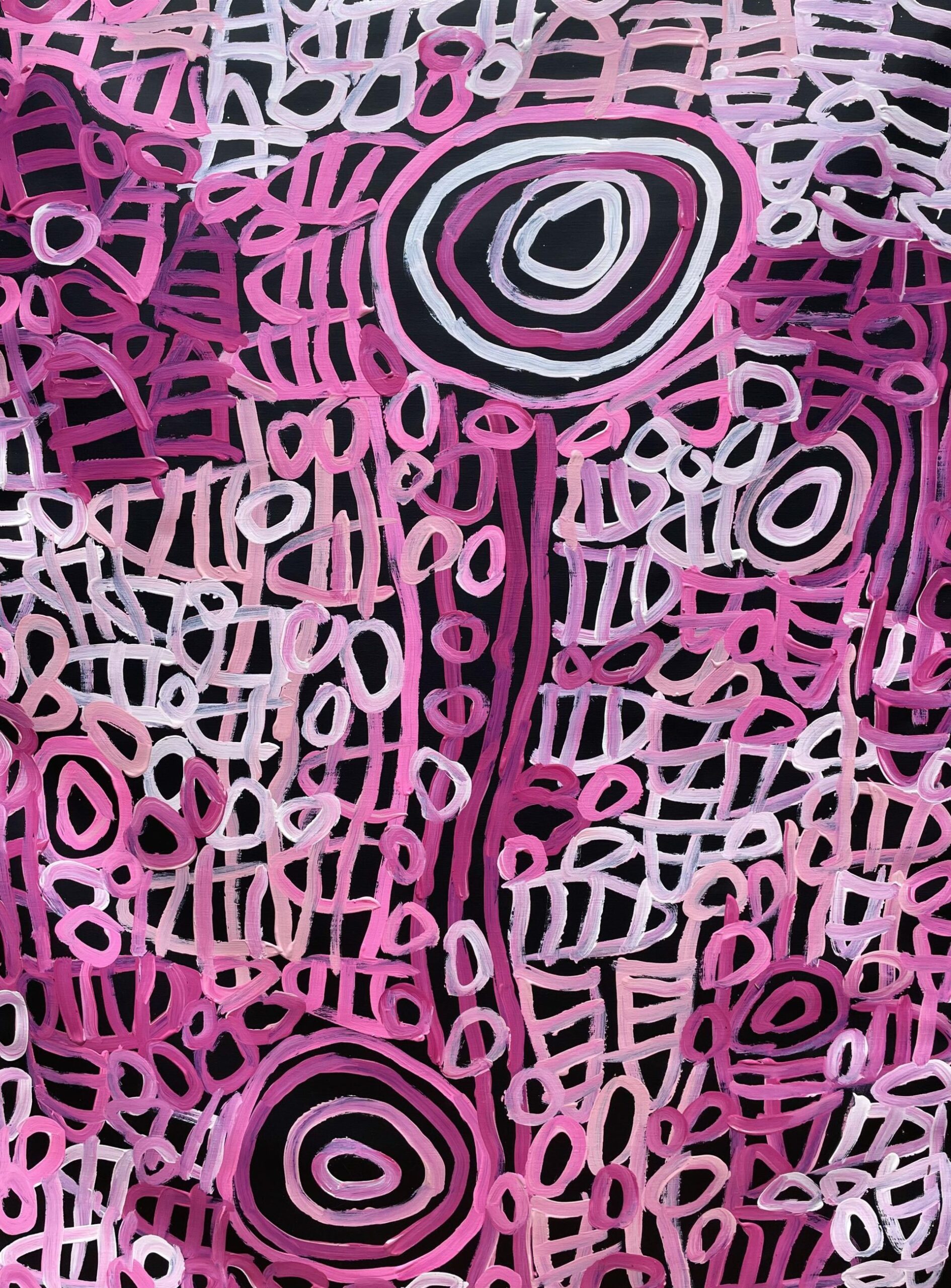
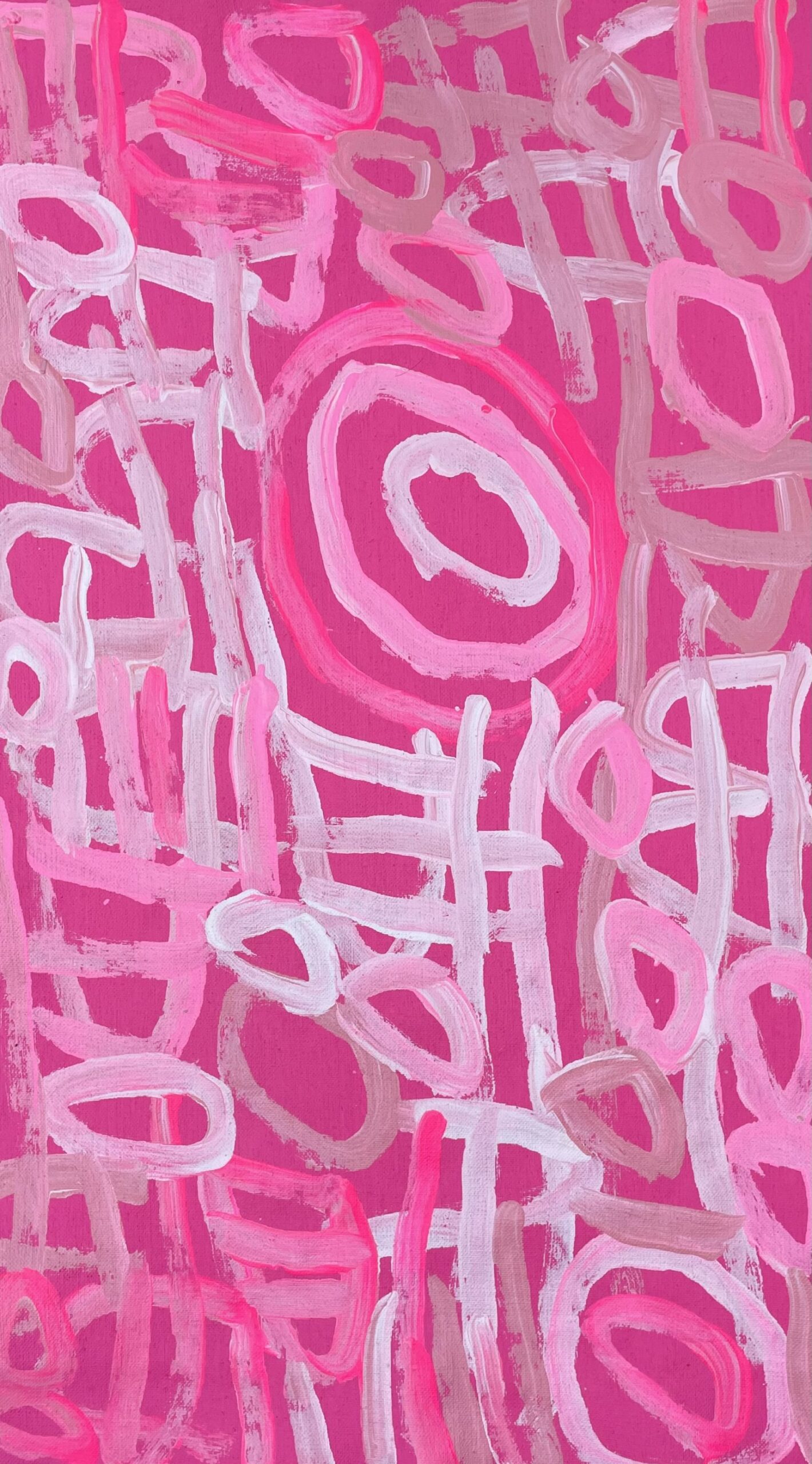
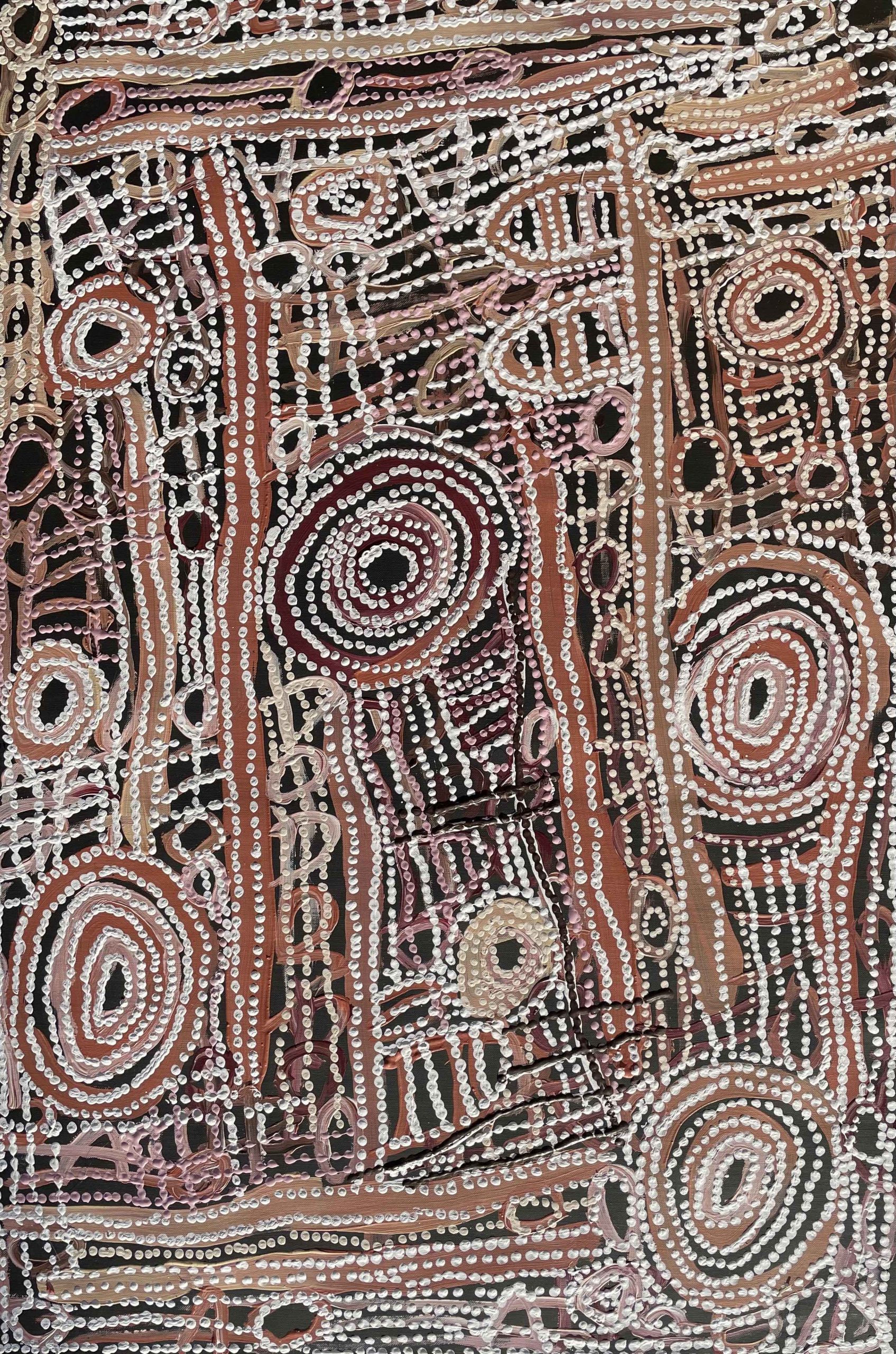
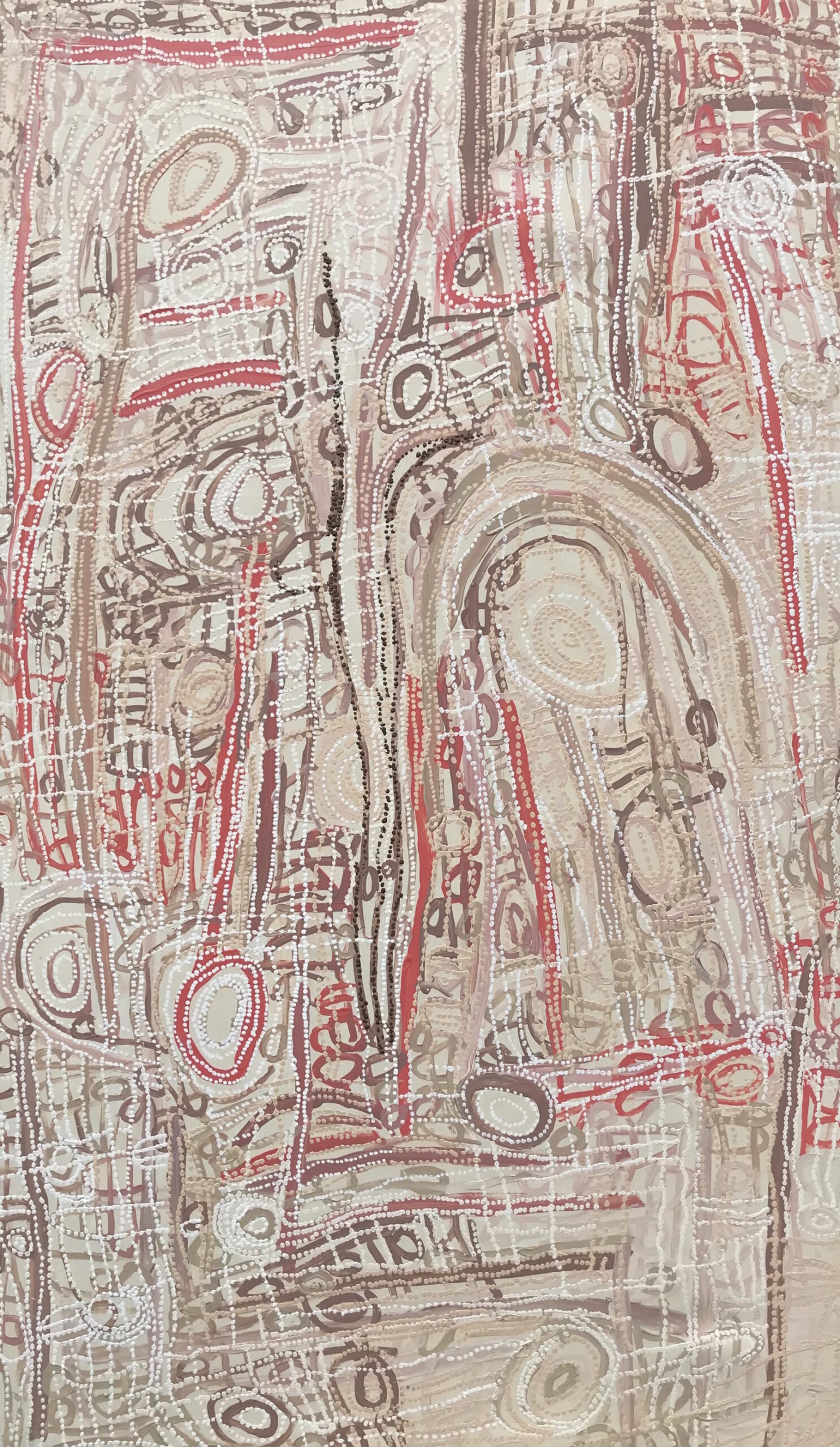
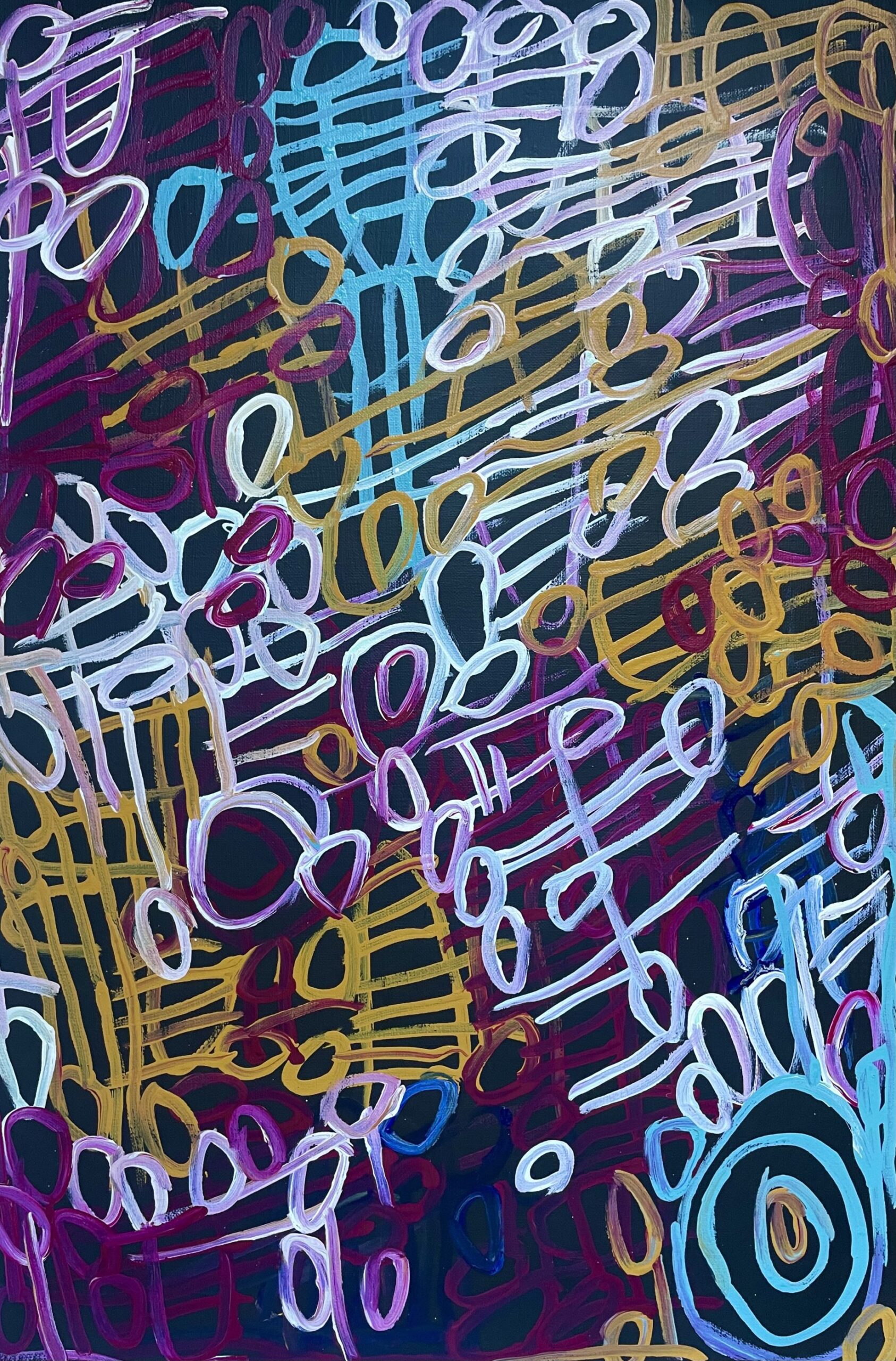
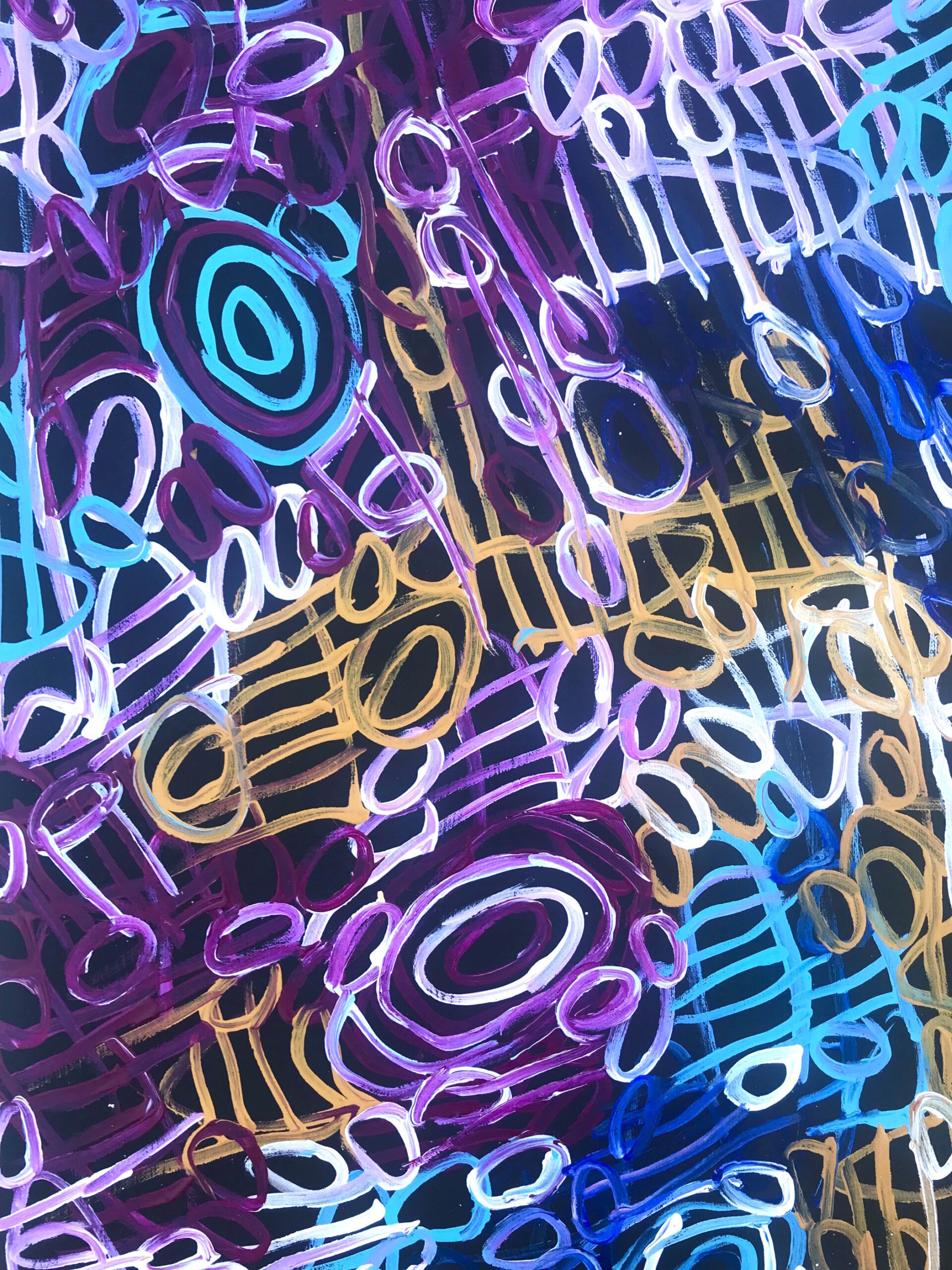
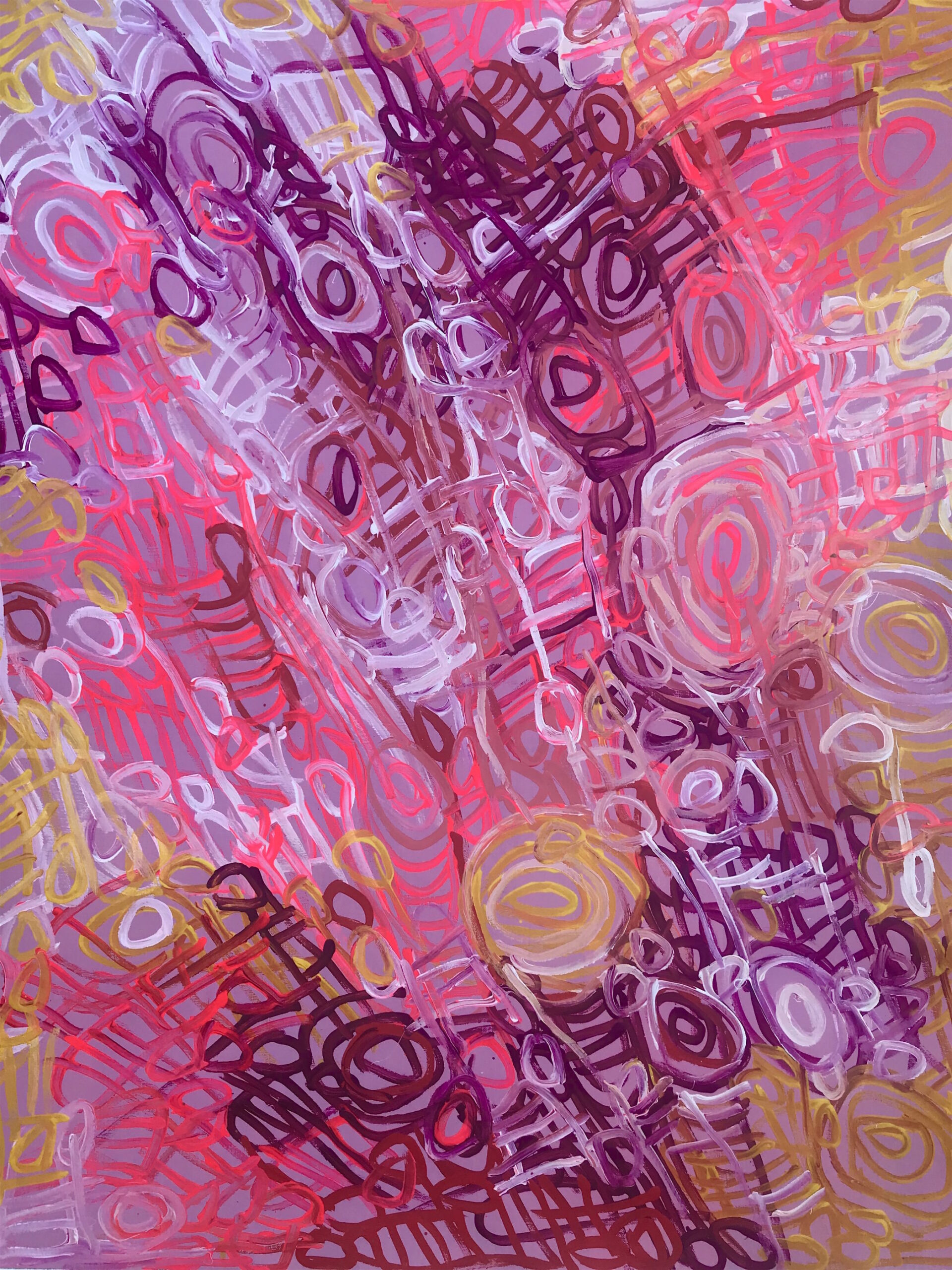
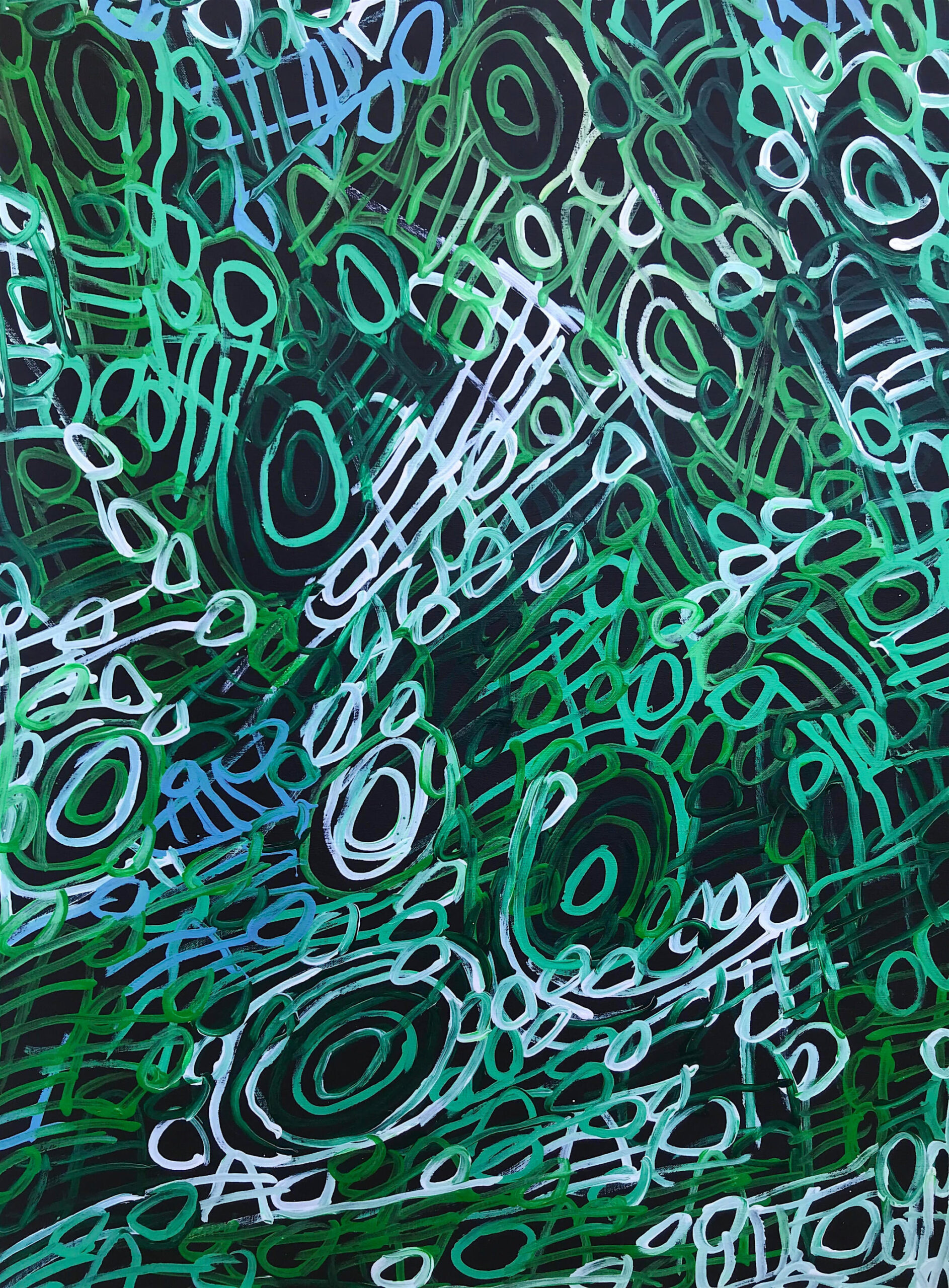
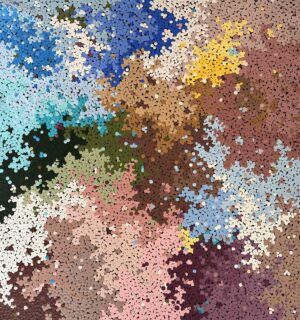
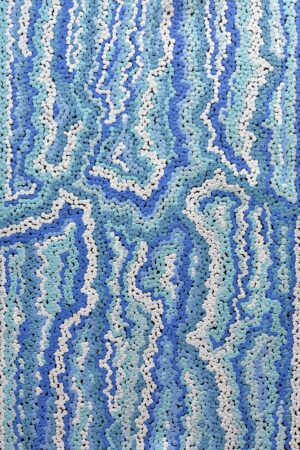
Barbara's early paintings were largely figurative, built from traditional symbols such as circles, U shapes, wavy lines and dotting, used to translate her Dreamtime stories directly onto canvas. Over time her work evolved into abstraction, a far more expressive and fluid form. She became known for working across two distinctive techniques: a fine, energetic linear style and an all over dotting technique that built up dense, luminous fields of colour and texture.
Always pushing further, Barbara continued experimenting throughout her career. In 2009 she began mixing ochres she had gathered herself with acrylic paint and binders, producing works with a rich, sculptural, textured surface unlike anything else in her body of work. It was typical of an artist who never stopped searching for new ways to carry her heritage onto canvas.
Her breakthrough on the international stage came in 1996, when a European collector invited her to run painting workshops in Paris and Switzerland during an overseas visit. The work she produced sold immediately and overwhelmingly, and from that point Barbara was in constant demand, exhibiting across Australia and travelling to Europe, Japan, the United States, Mexico and Fiji.
Her 1999 solo show Dream Works at Gallery Savah in Sydney was a complete sell out and earned a full page feature in The Australian. Her follow up exhibition with the same gallery in 2000 was the subject of a thirty minute Discovery Channel documentary, Utopia Revisited. From there, Barbara's exhibition record only grew, spanning capital cities across Australia and galleries throughout Europe, Asia and North America.
Barbara held several Dreamings passed down through traditional law from her mother, Minnie Pwerle. Each is tied to specific ceremonies, foods and places within her Country of Atnwengerrp, and each surfaces in her painting in a different visual language.
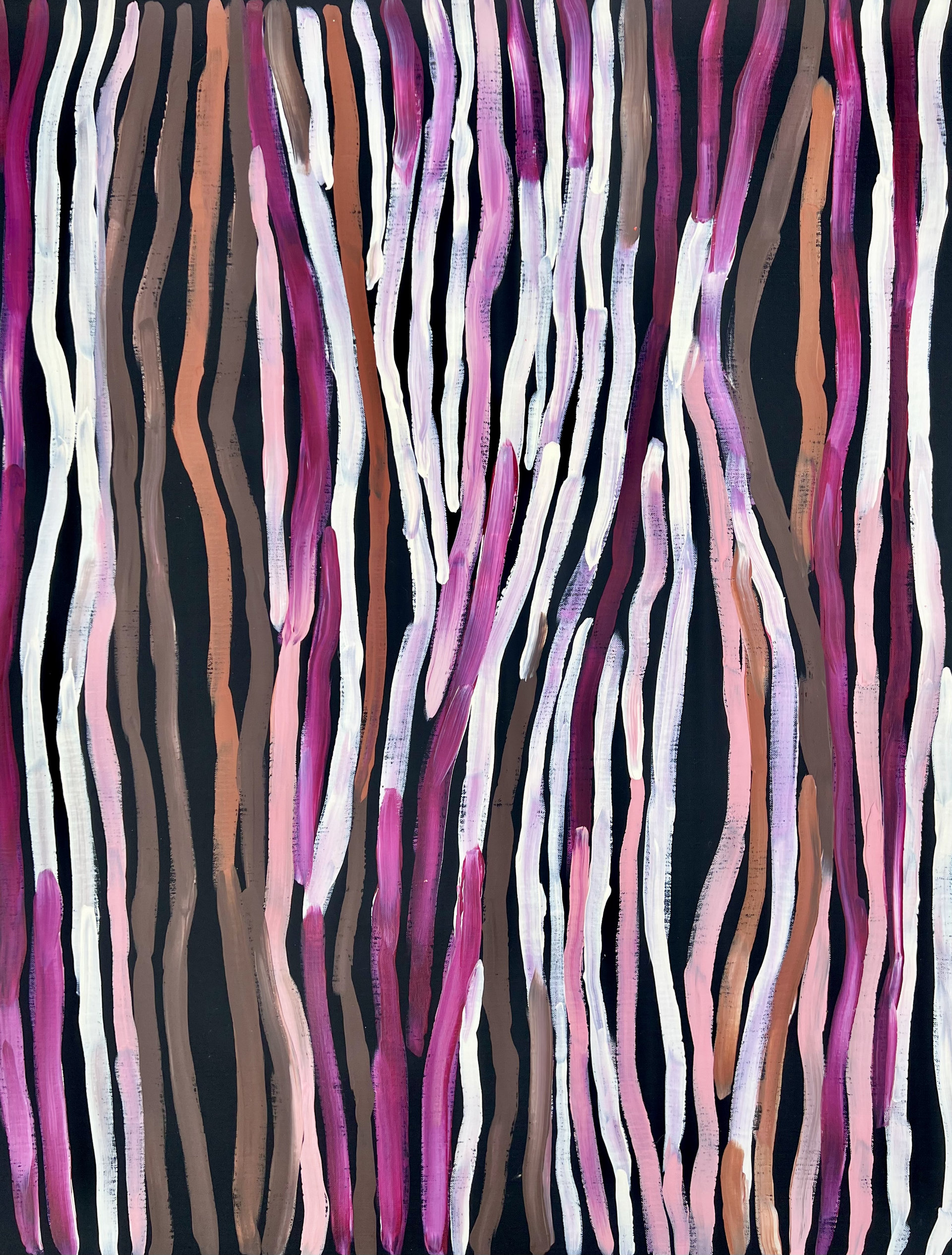
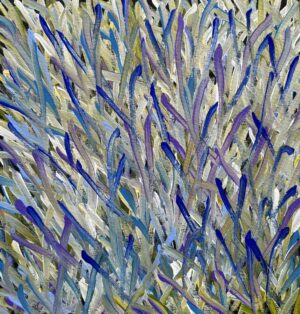
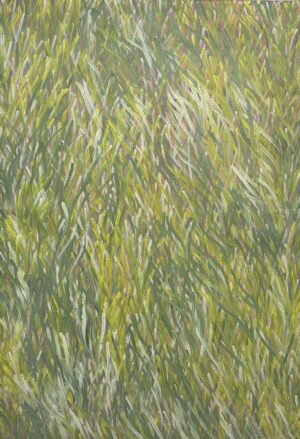
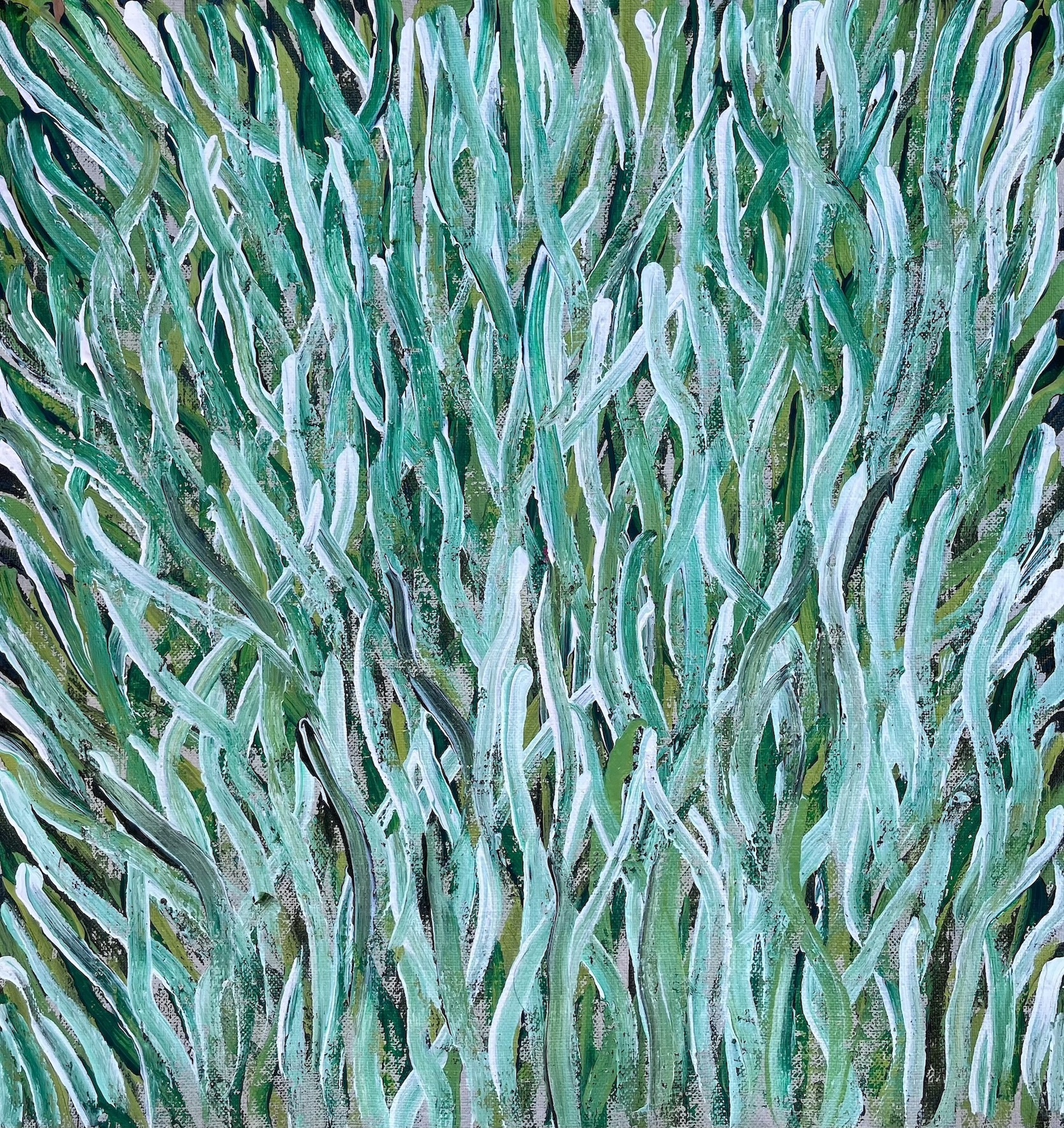
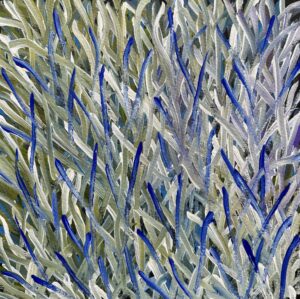
In the Utopia region, a low reddish grass found across the spinifex plains and sandhills produces a seed that was once a vital food source. Traditionally, women collected these seeds, which were crushed to a fine powder and used to make a type of bread known as damper. Because the seeds ripened unevenly and often fell and were buried in sand, Aboriginal women developed an ingenious method of collection: they located the nests of a particular species of ant that gathered the seed, ate part of it, and discarded the rest in a pile just outside the nest, ready to be collected, cleaned and ground.
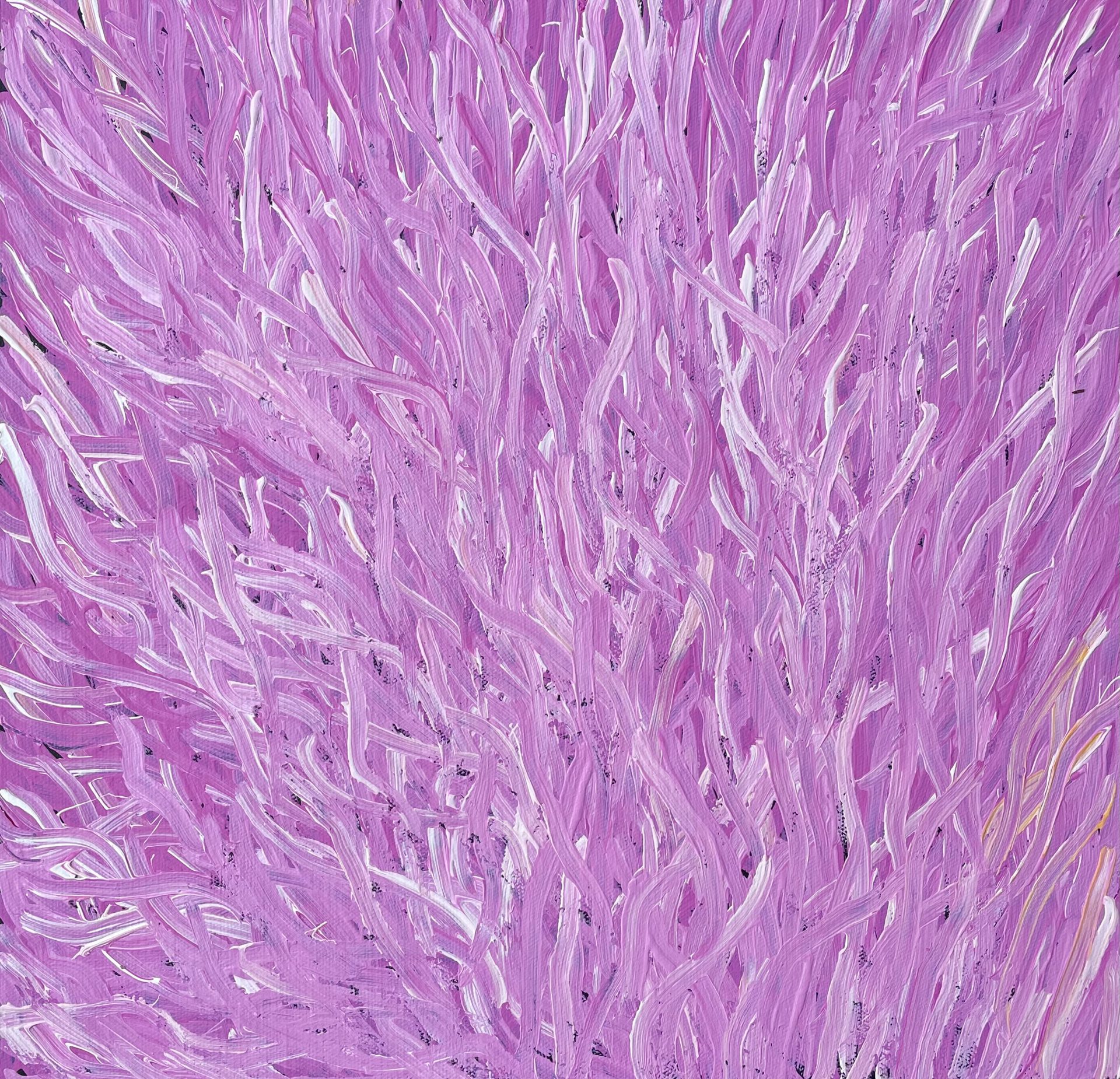
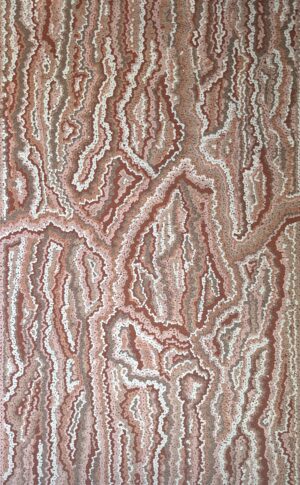
Barbara rendered this story through her most recognisable linear style, layering vigorous, brilliantly coloured brushstrokes that combine aerial and side on perspectives to evoke dense, swaying fields of grass. The effect is diaphanous and almost hypnotic: fine filaments of colour seem to appear and disappear across the canvas, set into rhythm by soft, flowing overlays of tone.
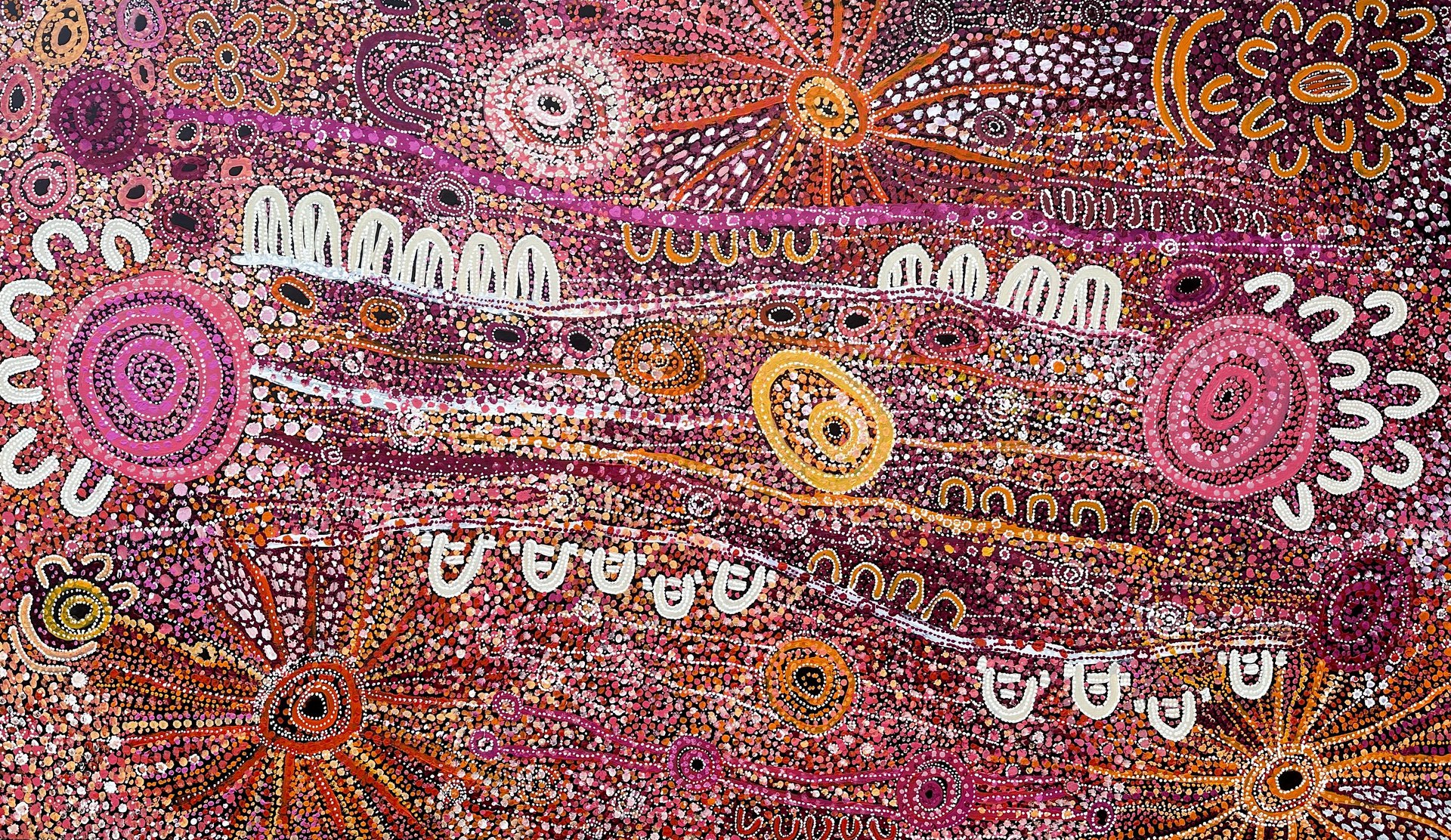
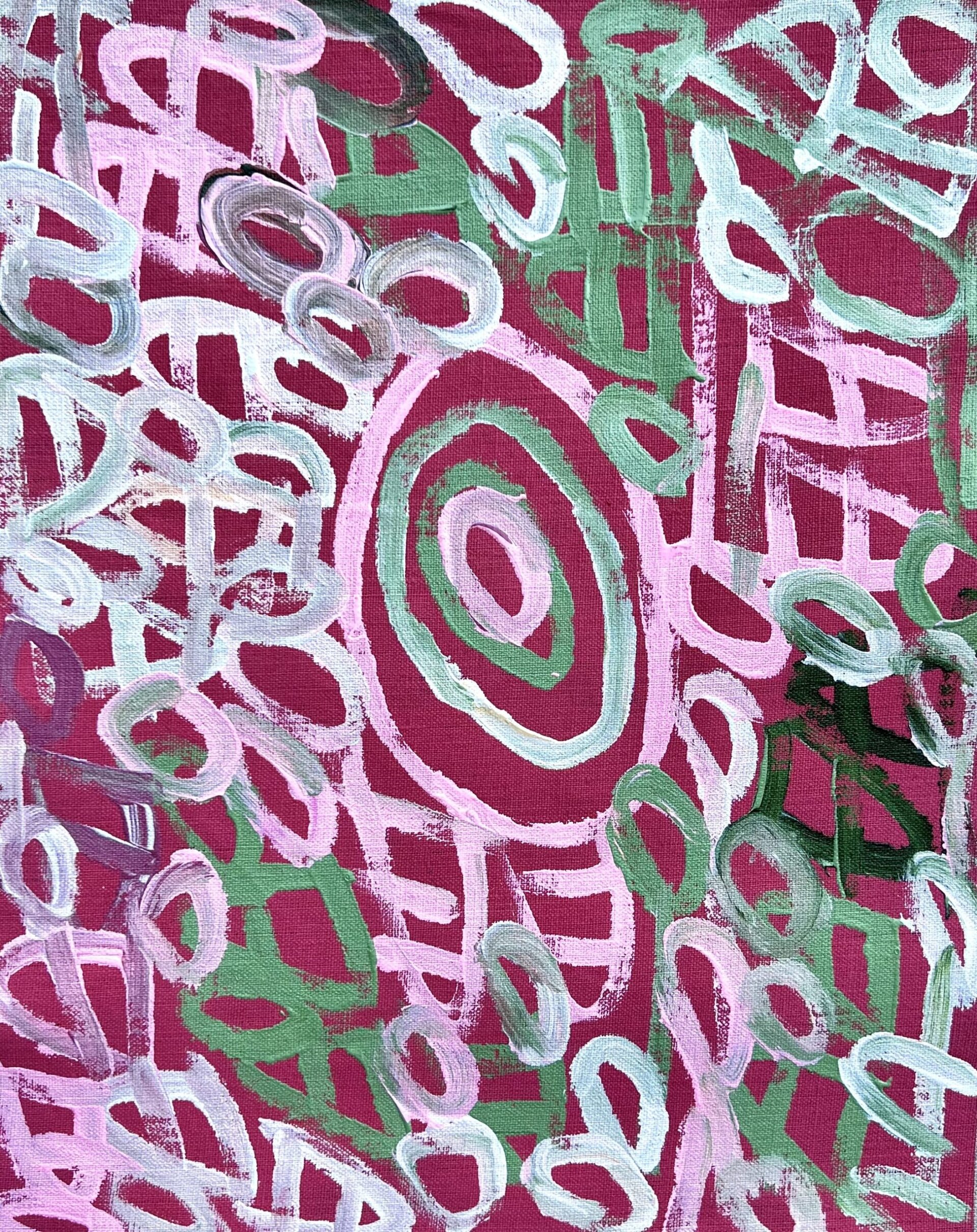
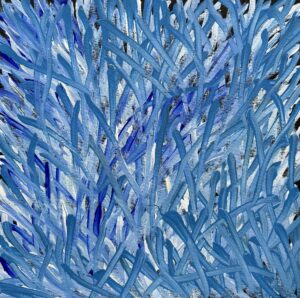
In her Wildflowers series, Barbara celebrated the beauty and abundance of the wildflowers native to Atnwengerrp. The paintings mark the regeneration of the land after rain, the return of native flora, and the flow on effect this has for the community's food sources. For Barbara, this renewal carried a deeper meaning: a healthy Country produces a healthy people, so the resurgence of native wildflowers is also a marker of cultural and community wellbeing.
As with her other work, the vibrant colour and bold patterning of the Wildflowers paintings sit above an underlying structure of ceremonial body paint designs used in Awelye, particularly the markings traditionally painted on women's breasts for ceremony. The paintings function on two levels at once: a celebration of seasonal beauty on the surface, and a ceremonial code of law and identity beneath it.
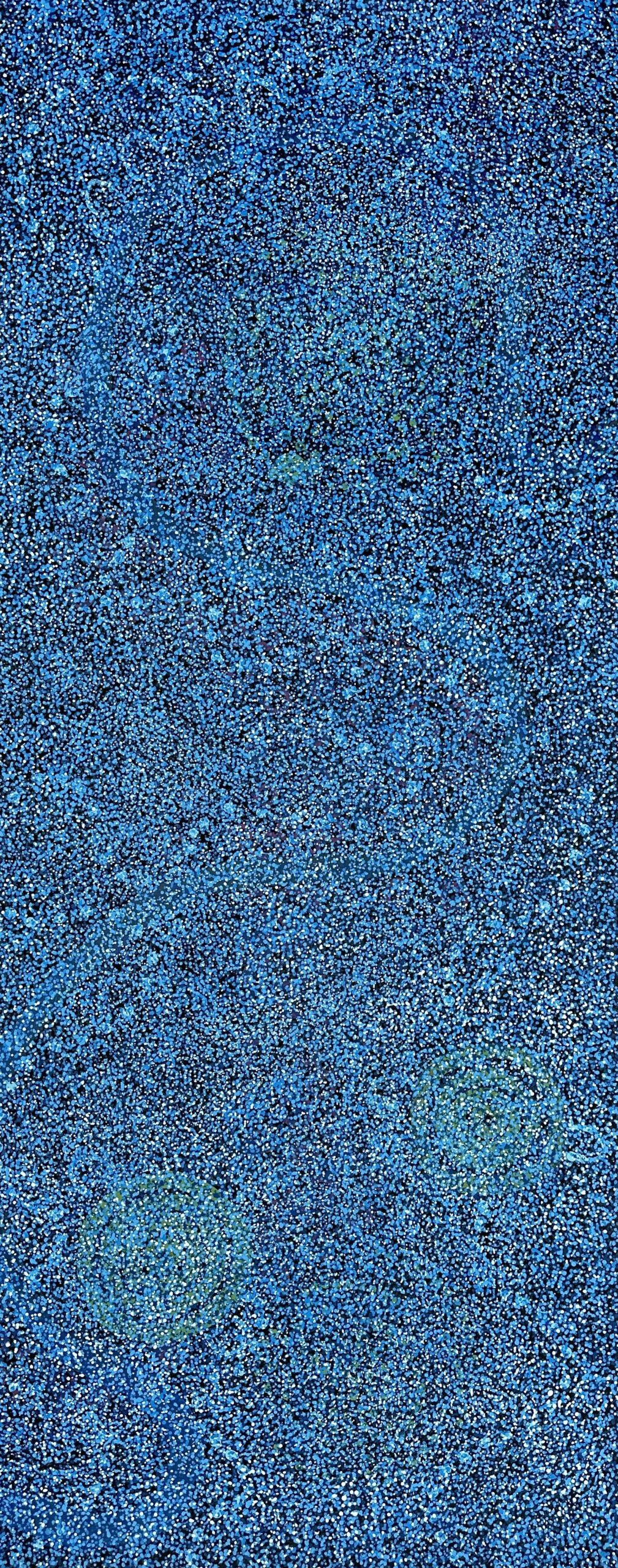
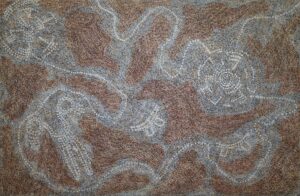
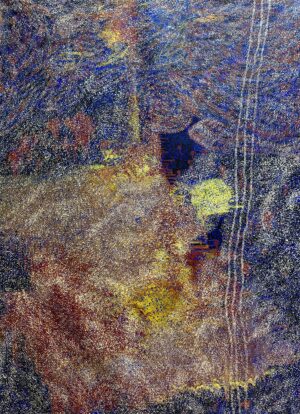
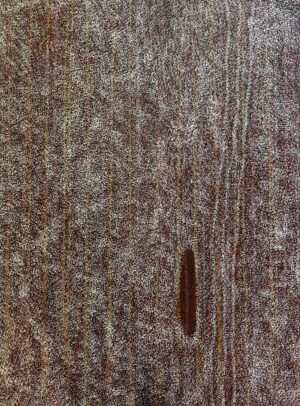
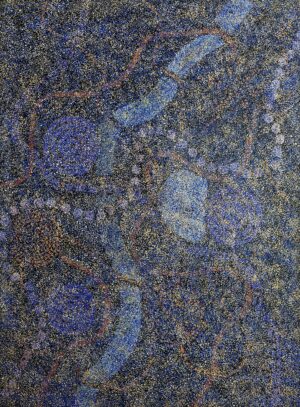
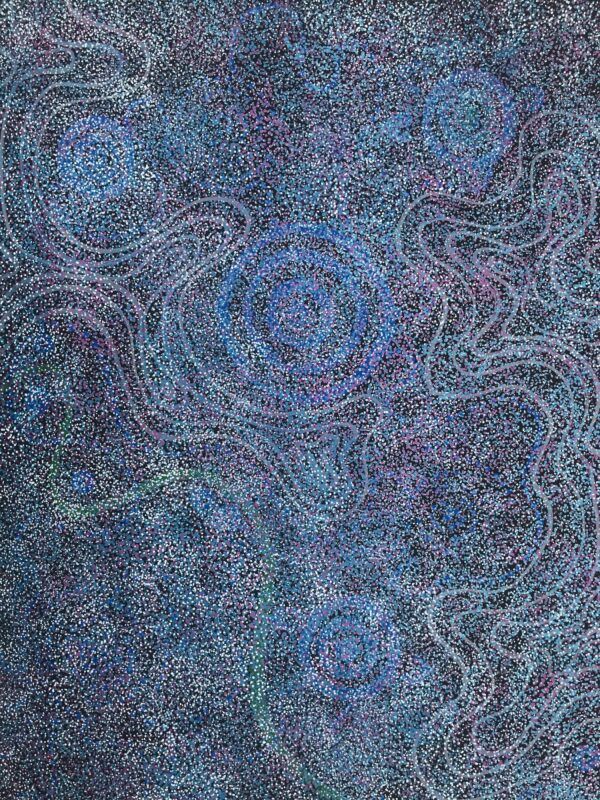
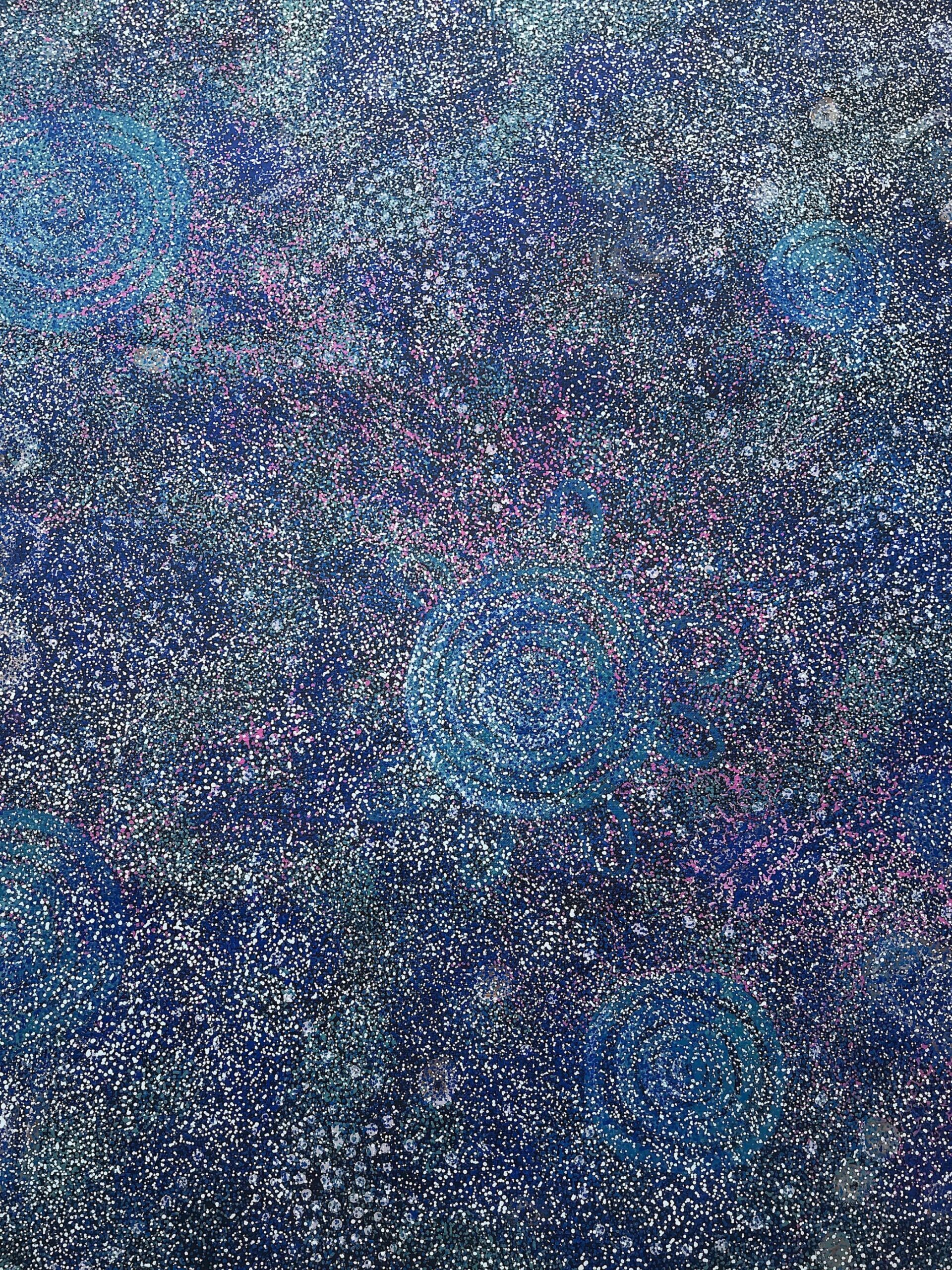
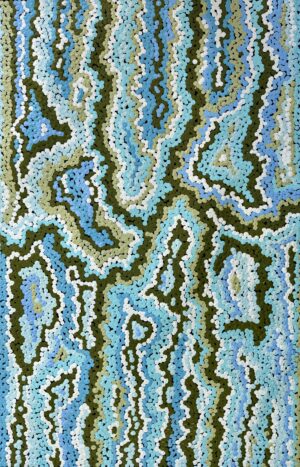
My Mother's Country depicts Atnwengerrp, the Country of Barbara's mother, Minnie Pwerle. In these works, Barbara built a cosmic, layered surface of finely executed dots, beneath which lie concealed symbols relating to sacred women's law and stories not meant to be seen. Beneath the surface, the paintings often reference the Sandover River winding across the land, abandoned campsites left by people trekking in search of food, coolamons used by women to gather fruit and berries, and the form of a woman's body adorned with paint for ceremony.
Small or large semi circular shapes suggest the hills and valleys of the land, while winding trails mark rivers and creek lines. Overlaying all of this is a dense field of dot work representing the bush tucker of the region, among them bush yam, bush potato, bush plum, bush banana and grass seed. Sometimes Barbara incorporated linear elements that echo the striped body paint applied to breasts, arms and legs during Awelye, the women's ceremonies of her culture. Each painting carries the same title, My Mother's Country, yet each is a distinct and unique account of the land.
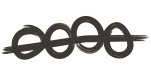
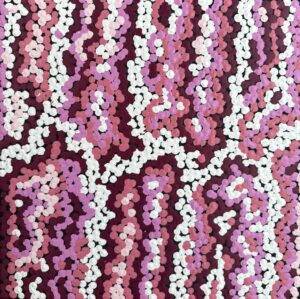
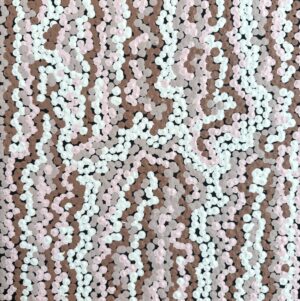
Bush Berry was among the Dreamings inherited by Barbara from her mother's line, referencing the collection of native berries that formed part of the traditional diet of the Atnwengerrp people and the women's ceremonies associated with gathering and preparing bush food. Like her other Dreamings, it connected her painting practice directly to the seasonal rhythms and food economy of her Country.
Barbara's contribution to Australian art and culture was recognised repeatedly over the course of her career. She was named Artist of the Year at the National NAIDOC Awards in 2008 and in 2009 was listed among the top 50 most collectable Australian artists by Australian Art Collector magazine. In 2012, her acrylic on canvas painting My Mother's Country received the City of Port Phillip Best Contribution to Urban Art Award, for a large scale installation in Port Melbourne. She received a Certificate of Appreciation from Prime Minister John Howard in 2004 for her cultural contribution, was a finalist in the Telstra National Aboriginal and Torres Strait Islander Art Award on multiple occasions through the late 1990s and 2000s, and in 2019 was appointed inaugural patron of the Aboriginal Art Association of Australia.
Beyond her own practice, Barbara was a mentor within her family and community. She helped establish DACOU, the Dreaming Art Centre of Utopia, in 1993 alongside her son Fred Torres and other relatives, and supported the painting workshops that gave rise to the next generation of Utopia artists. Her influence runs through the work of her children, grandchildren and the wider Pwerle and Torres family of painters who continue to exhibit today.
Barbara Weir passed away on 3 January 2023 in Alice Springs. She left behind an artistic legacy held in major public collections including the Art Gallery of South Australia, the National Gallery of Victoria, the National Gallery of Australia, Queensland Art Gallery, the Hitachi, AMP and Macquarie Bank collections, Artbank, Parliament House in Canberra, and international collections in the Netherlands, the United States and Switzerland.
But her legacy extends well beyond the auction room and the gallery wall. Barbara carried the story of the Stolen Generations into public view at a time when that history was rarely spoken about, and she turned her own reclamation of culture, language and Country into decades of leadership and advocacy for her community. As the first woman president of the Urapuntja Council, she opened a door for the generations of women leaders who followed her. As an artist, she gave visual form to a lifetime of loss, resilience and return, and in doing so helped secure Utopia's place as one of the most significant sites of contemporary Aboriginal art in the world.
Barbara Weir's paintings sit at the intersection of major art historical significance and a genuinely singular personal story. She was painting alongside, and directly influenced by, two of the most important Aboriginal artists Australia has produced, her aunt Emily Kame Kngwarreye and her mother Minnie Pwerle, while forging a visual language distinctly her own. Her work is held in the country's leading state and national collections, has been the subject of independent market analysis from Australia's most respected Aboriginal art experts, and continues to be sought after in both primary and secondary markets.
For collectors, Barbara's paintings offer more than technical and aesthetic excellence. They carry the weight of a life lived across two worlds, forced separation and hard won return, and they document, in her own hand, a body of women's law, Country and Dreaming that might otherwise have been lost to her. Few artists' work carries this depth of lived history behind every brushstroke.