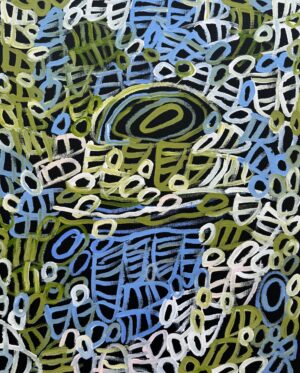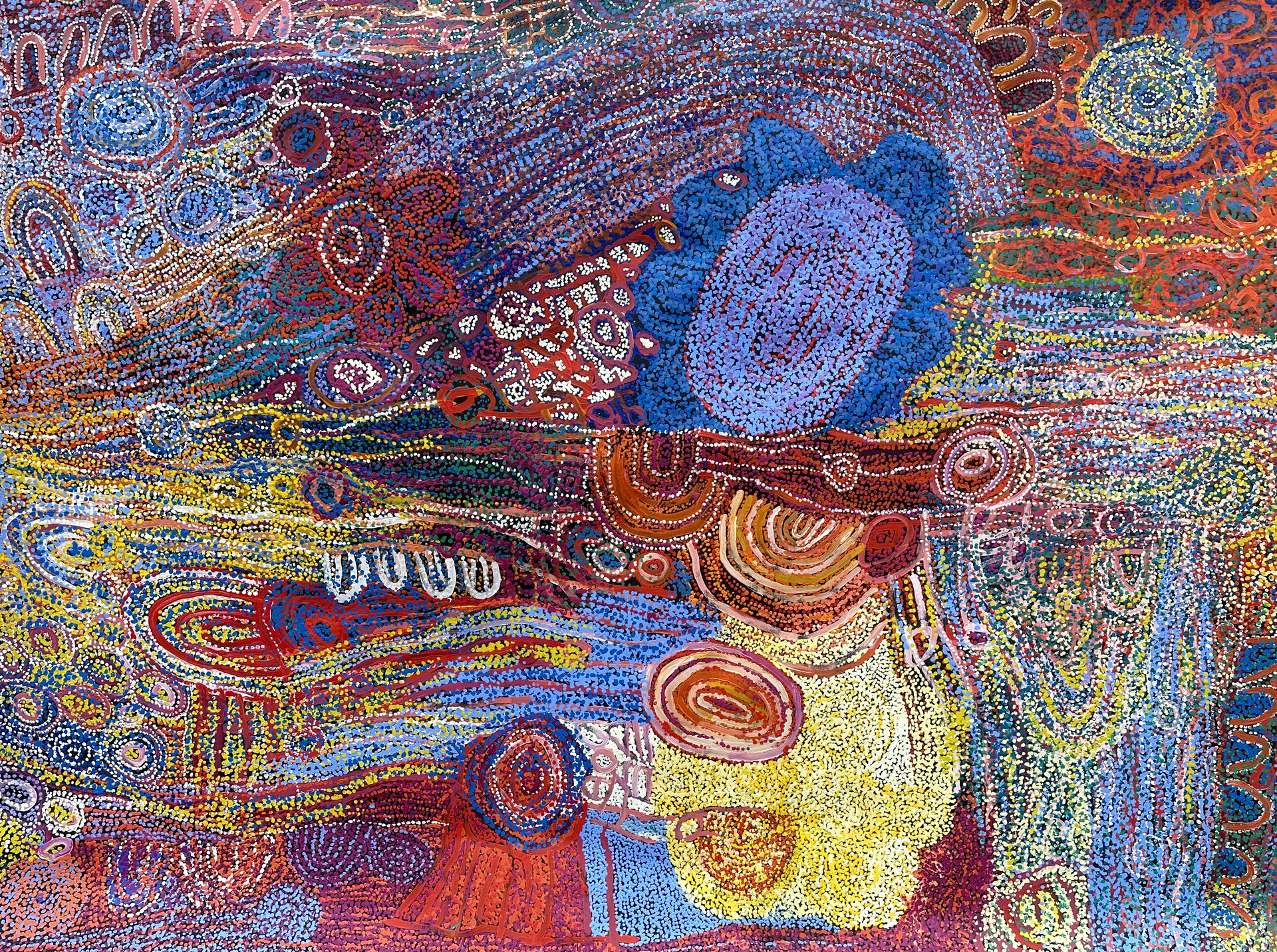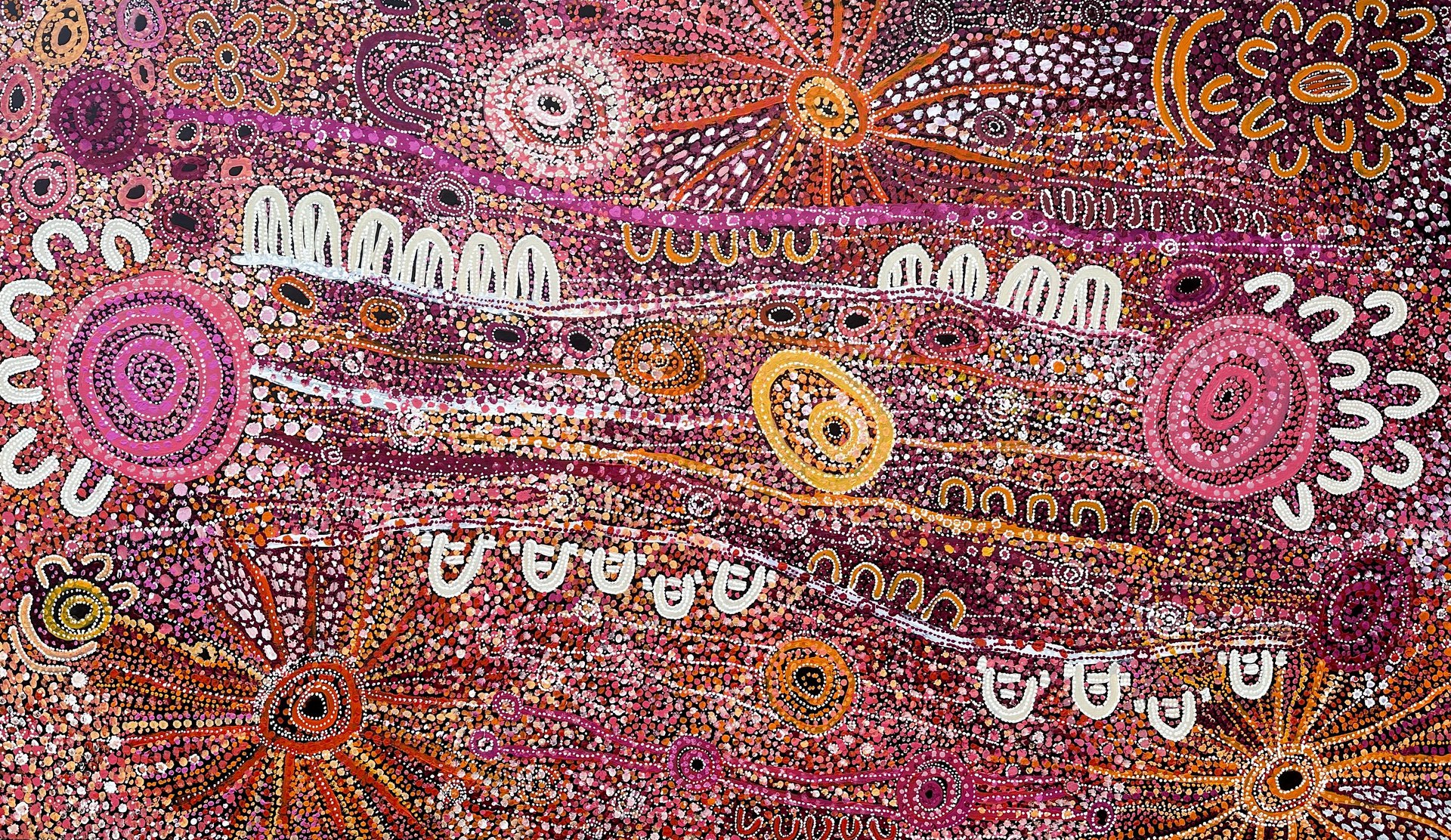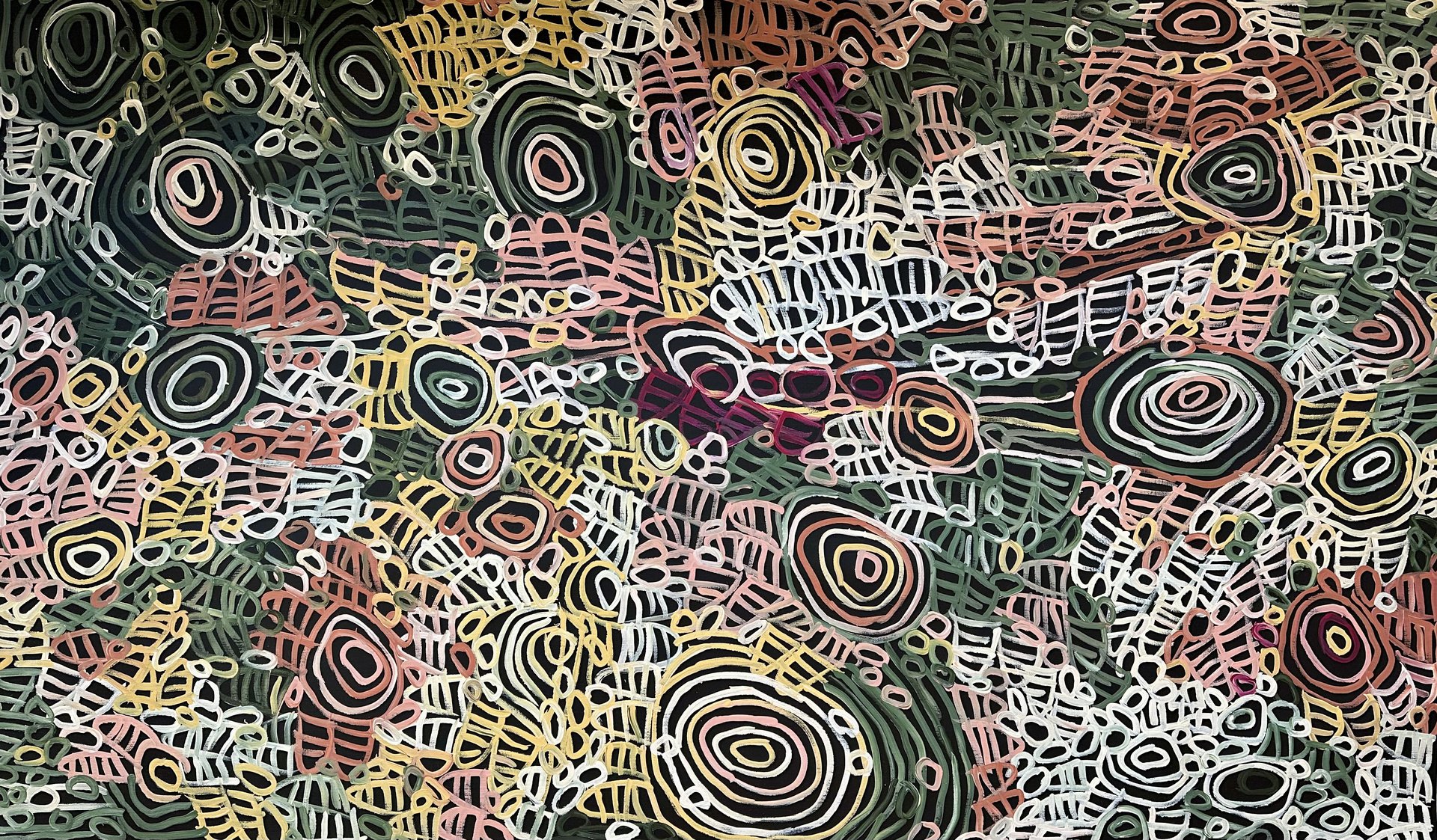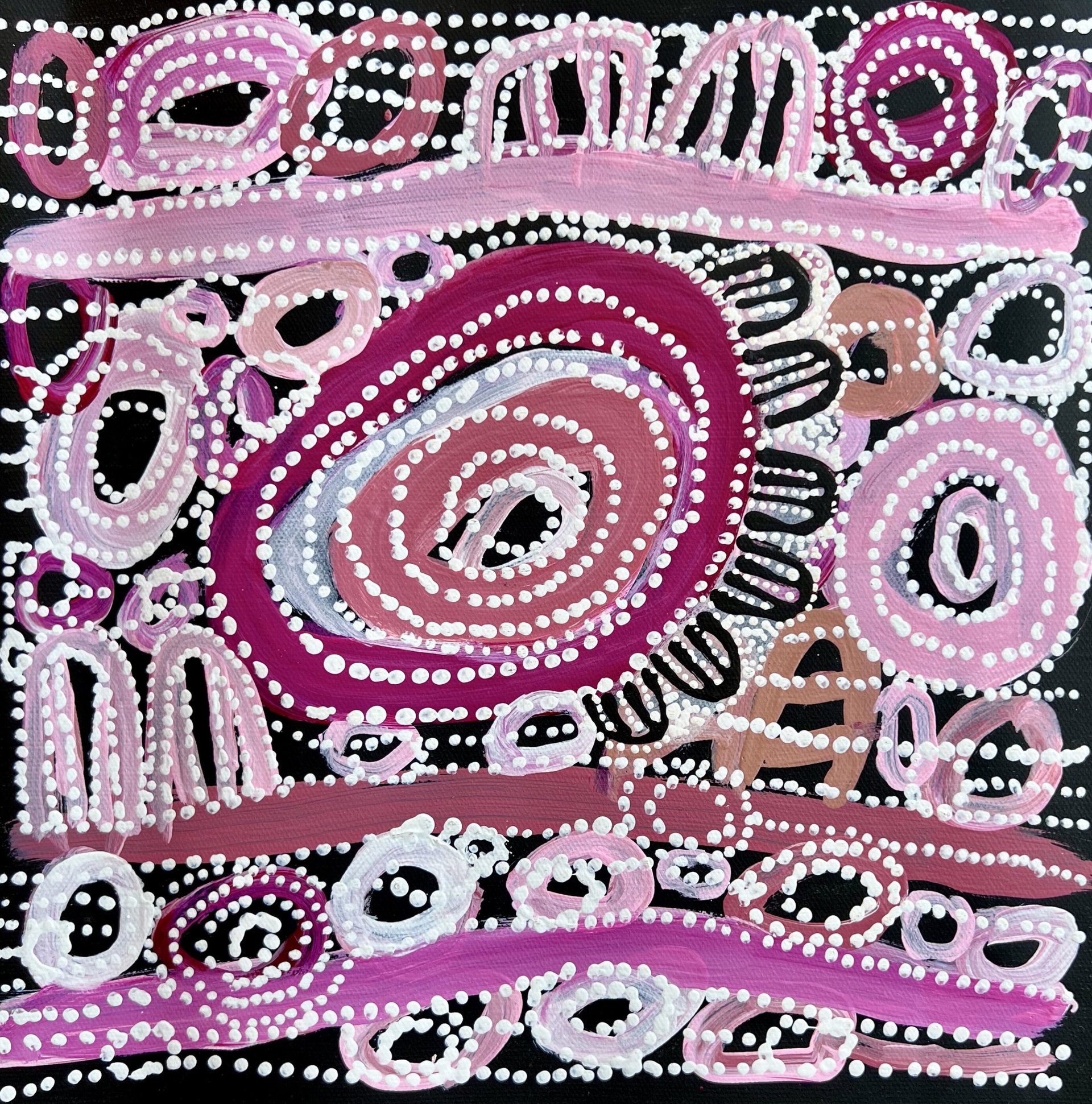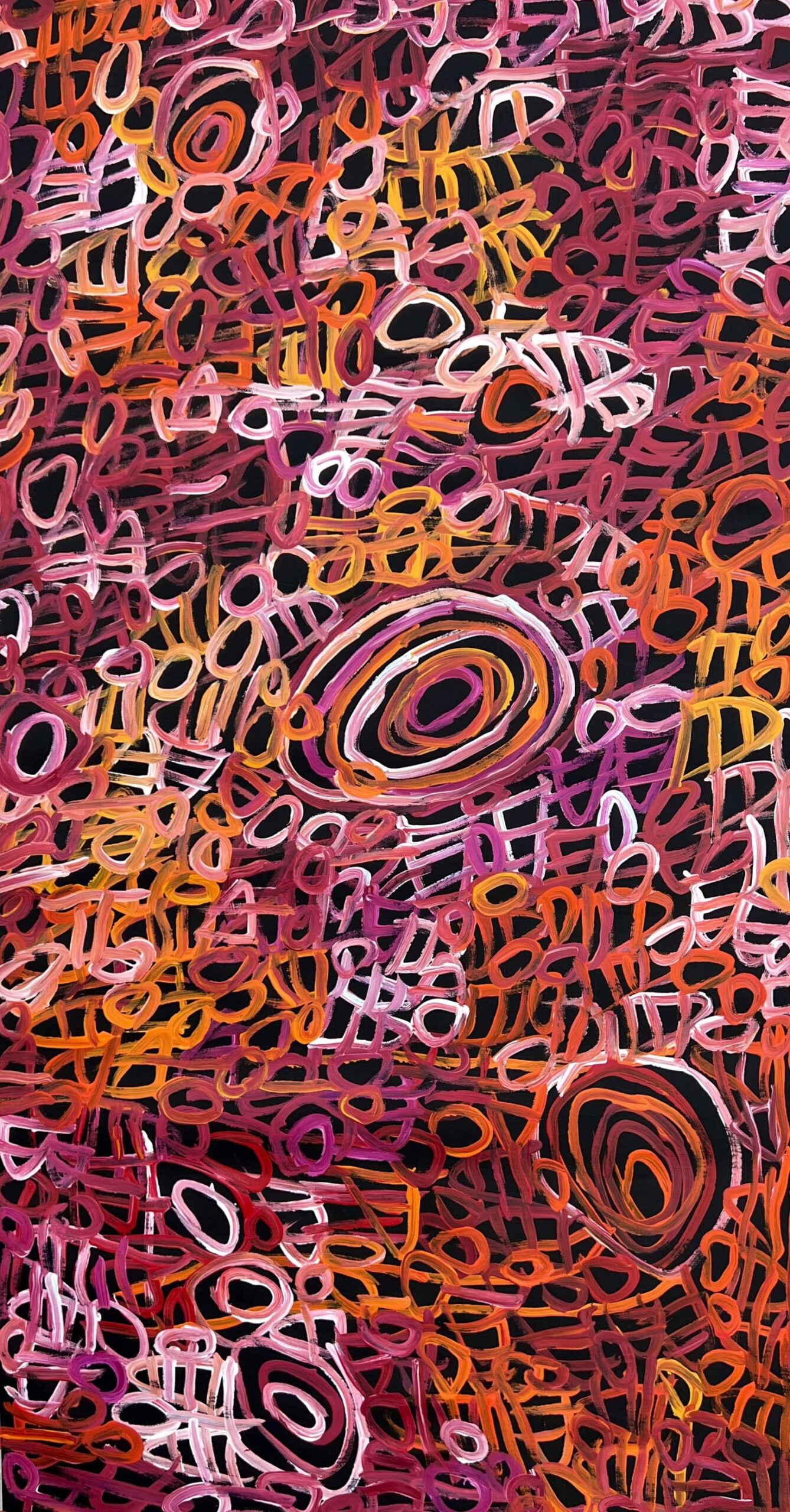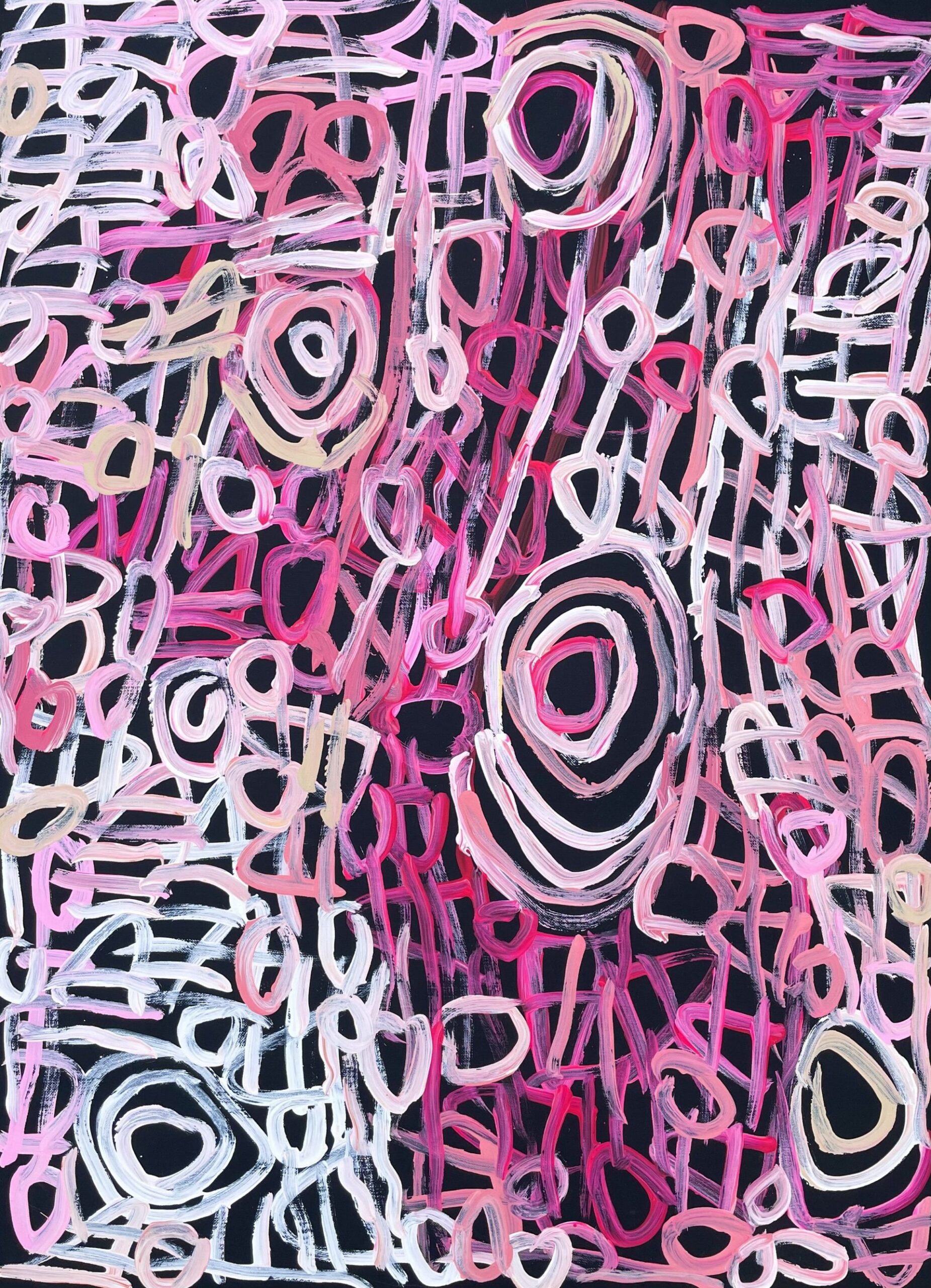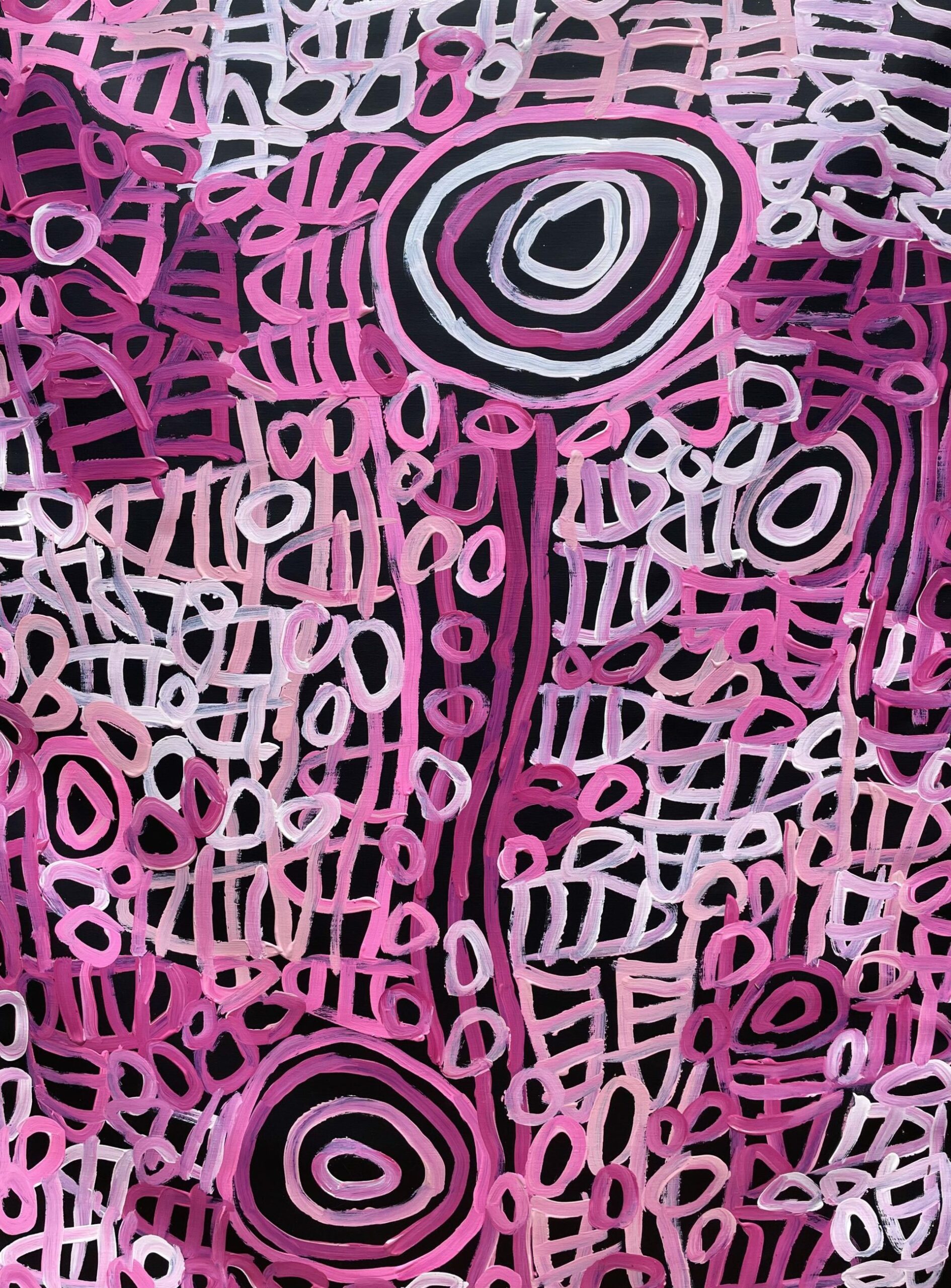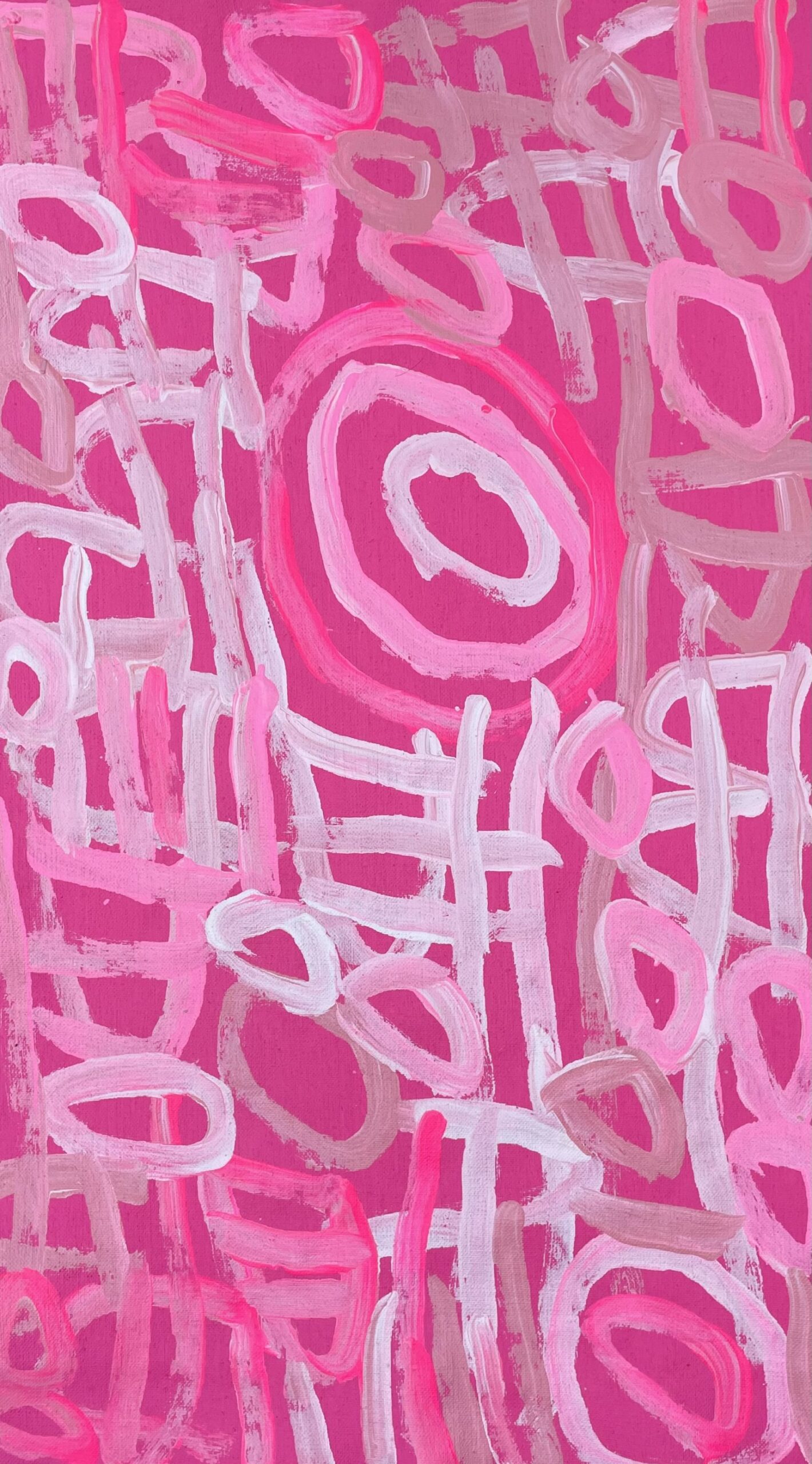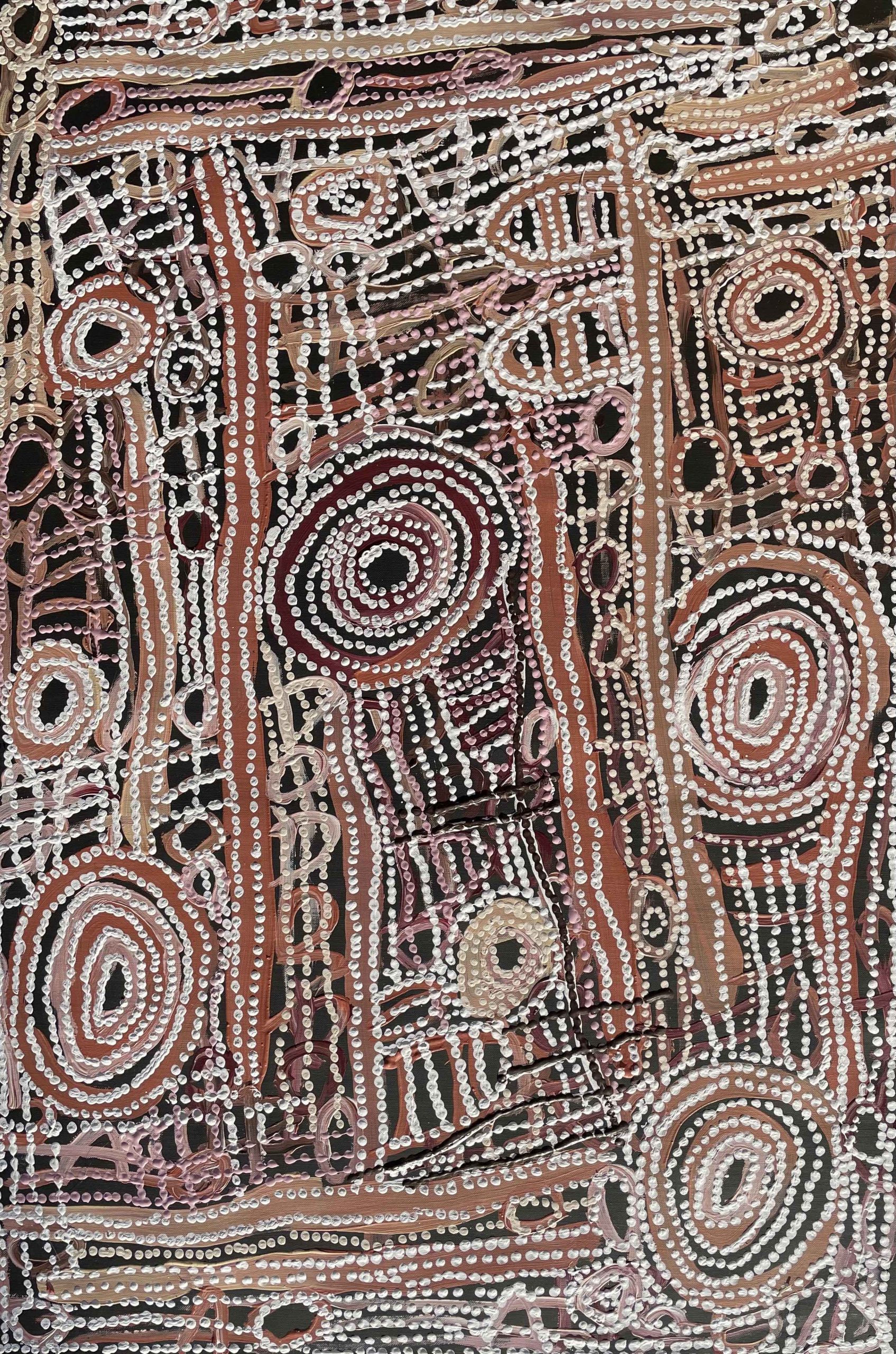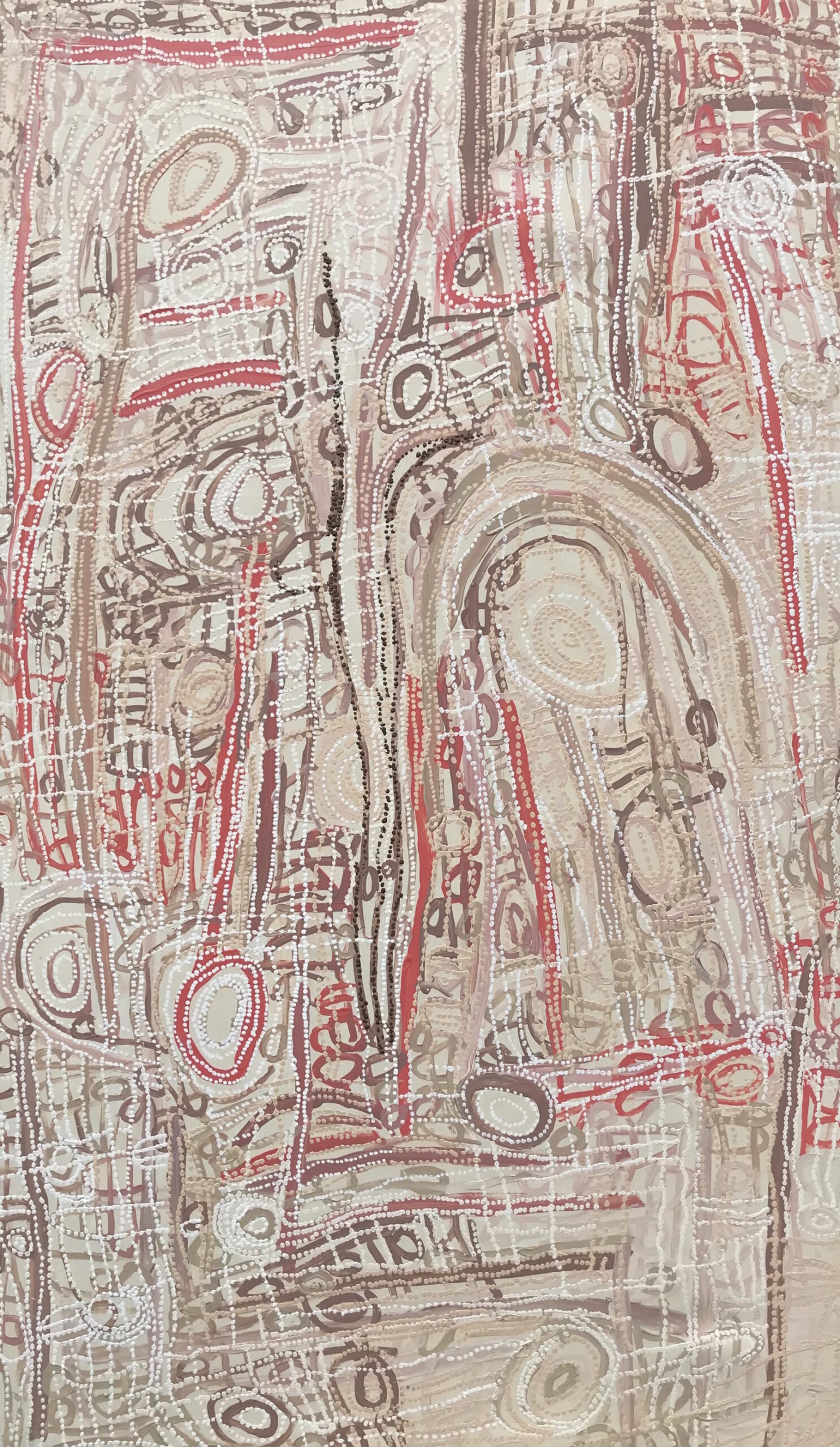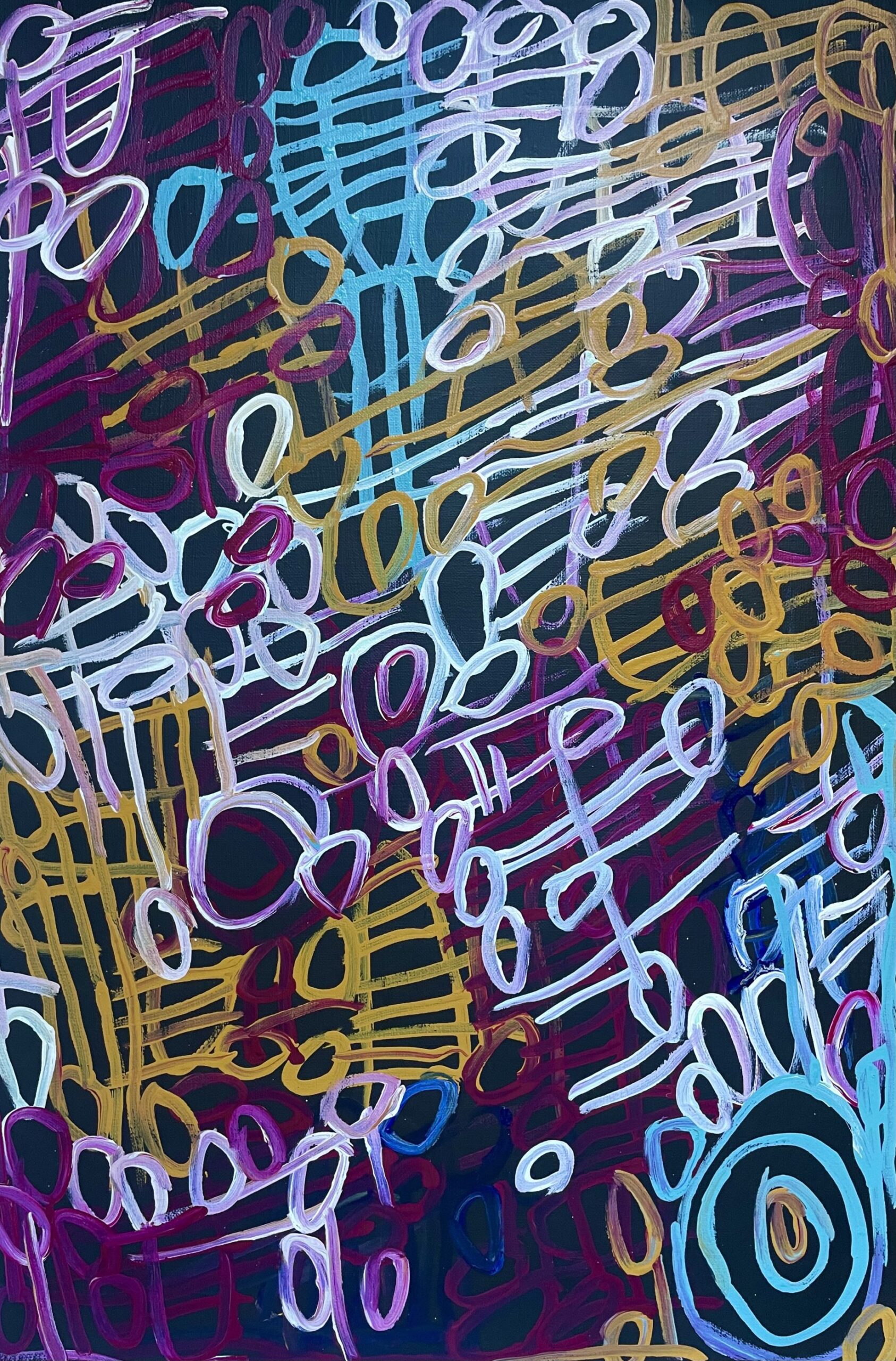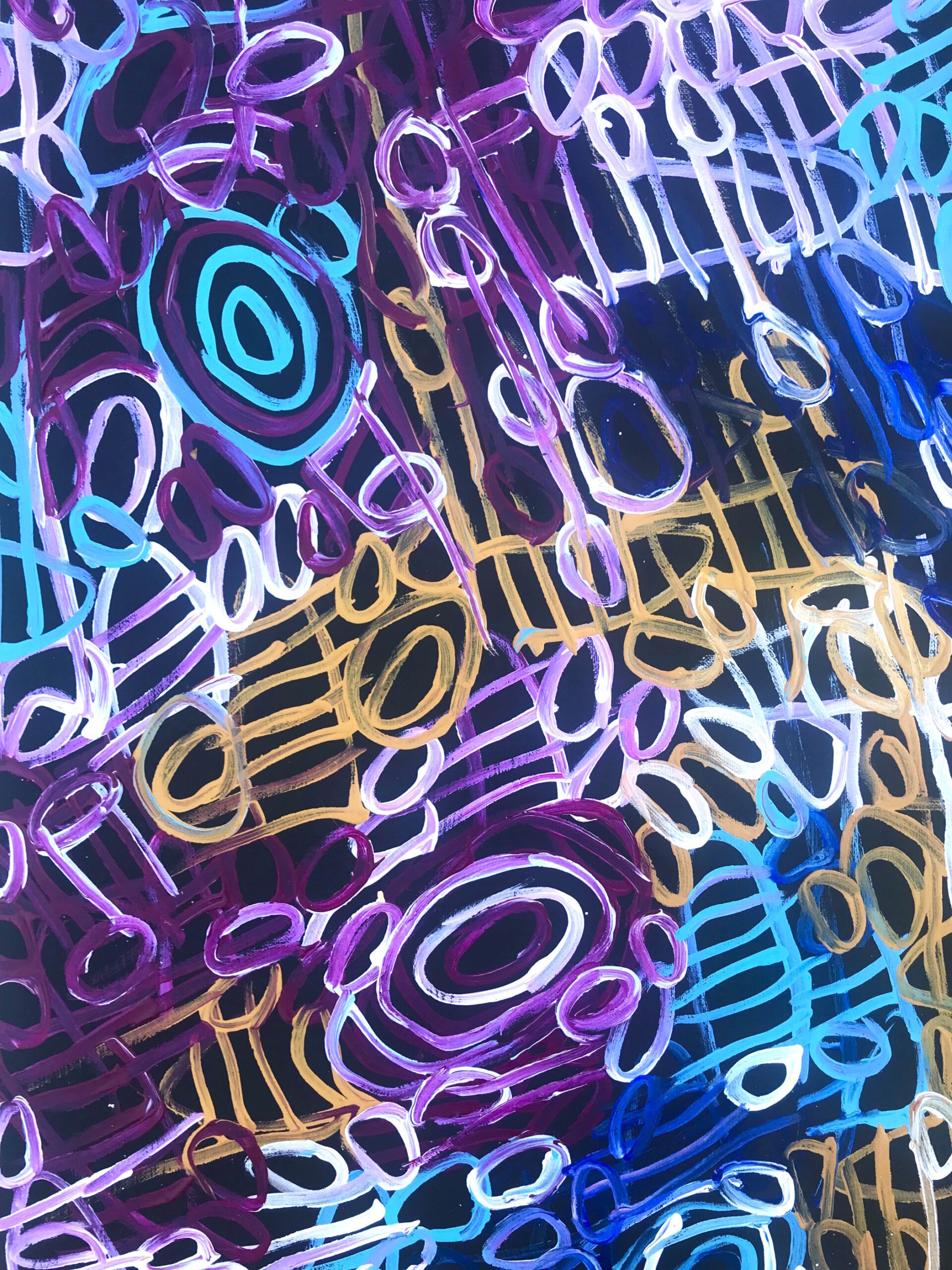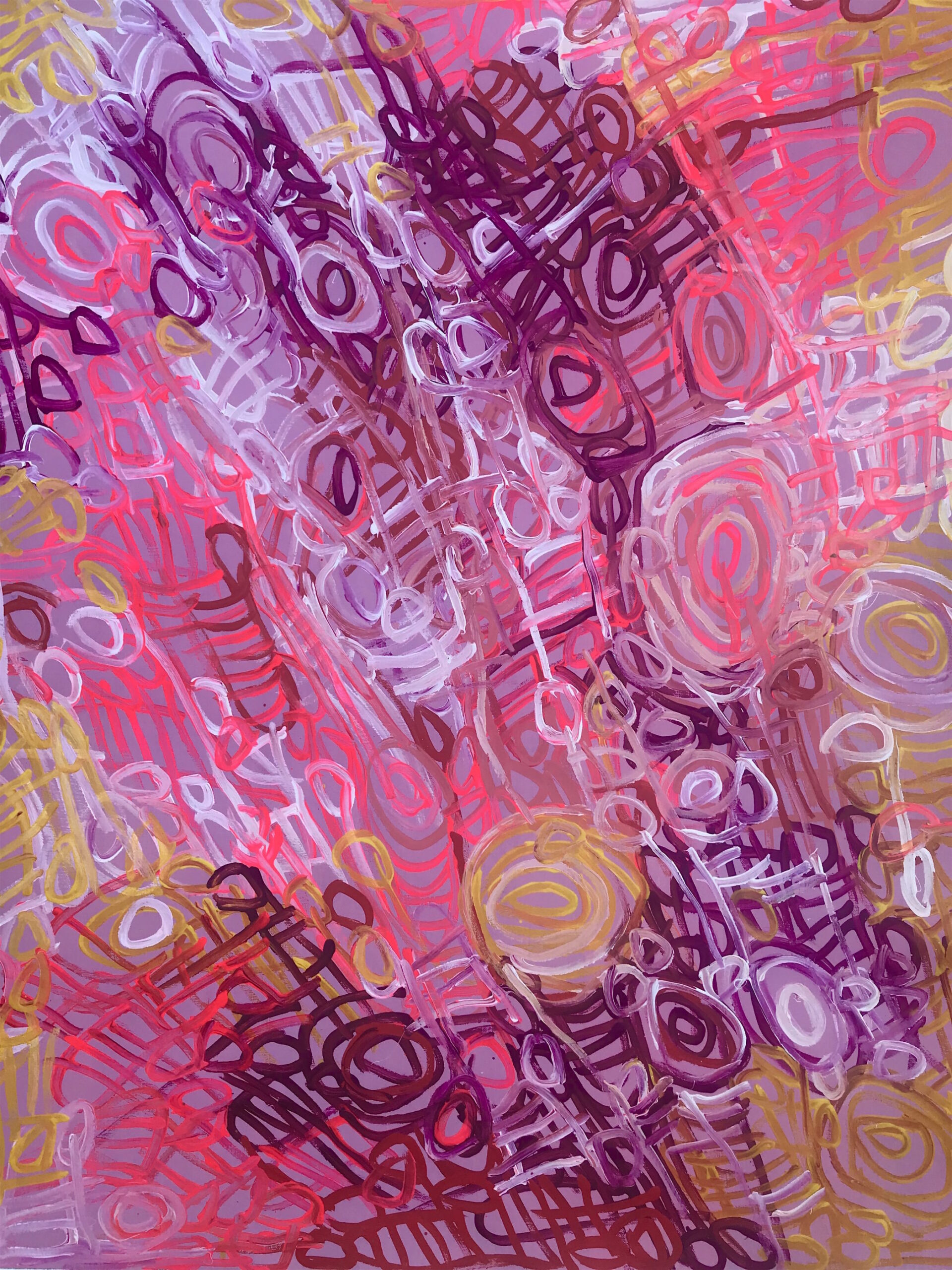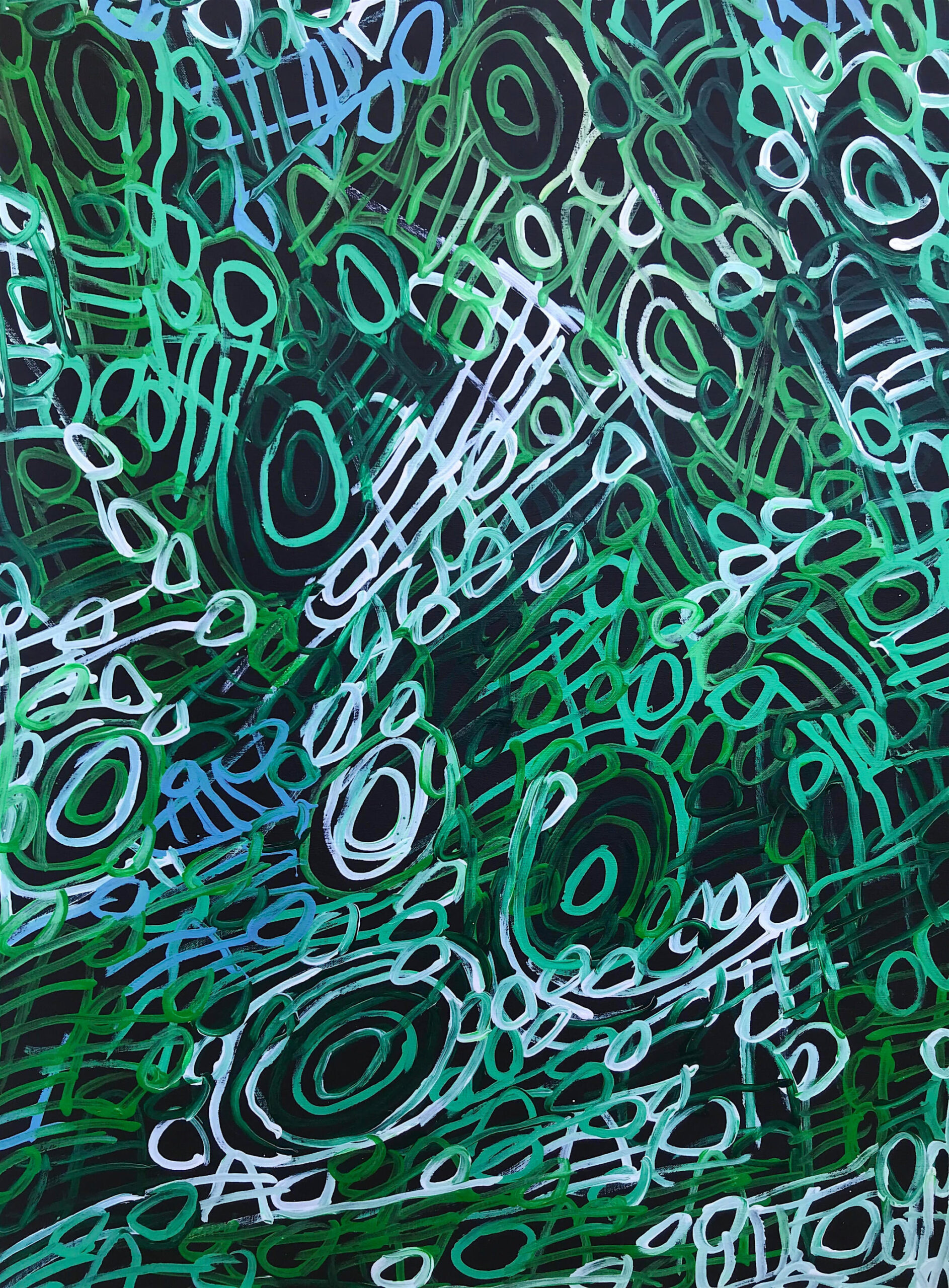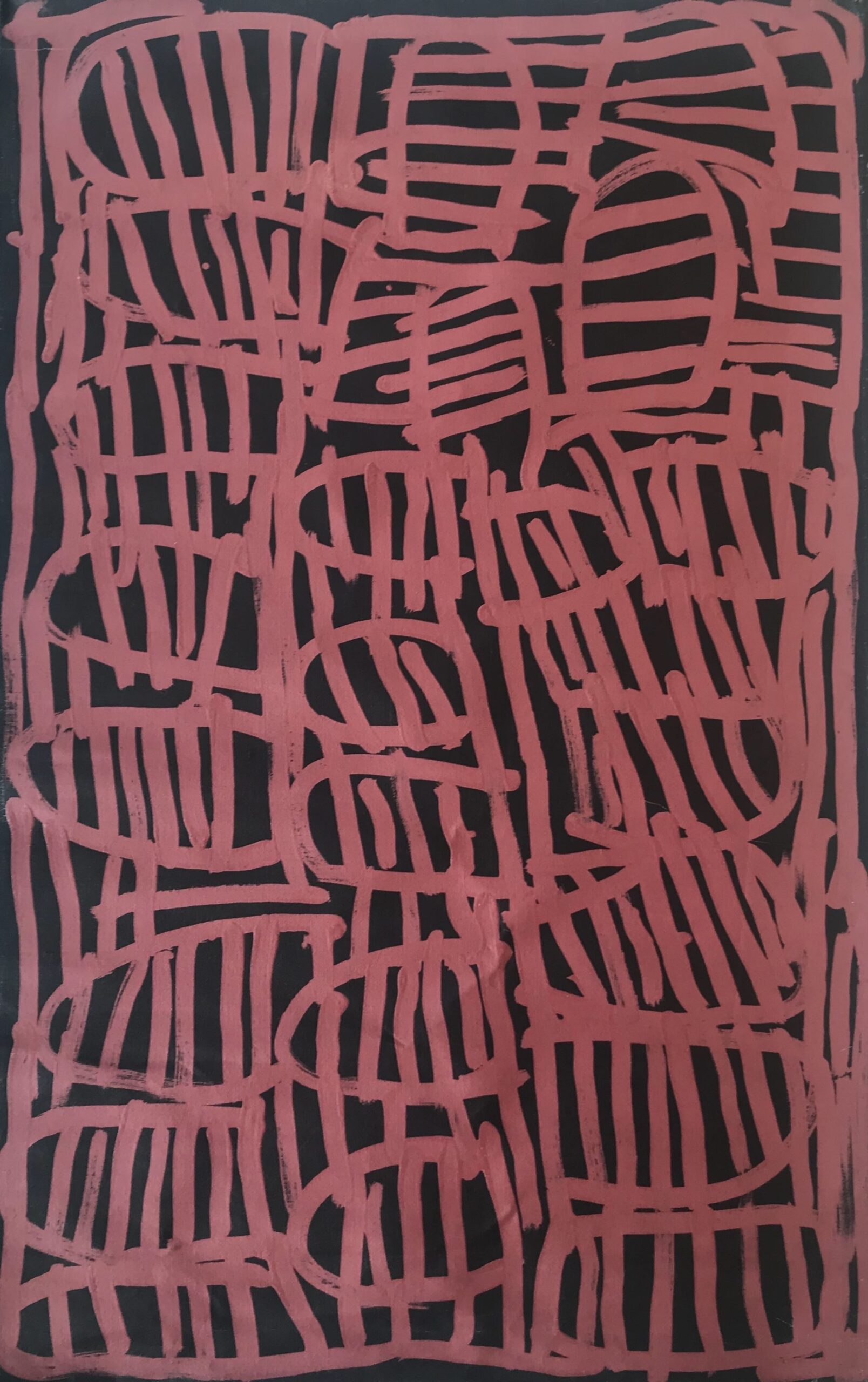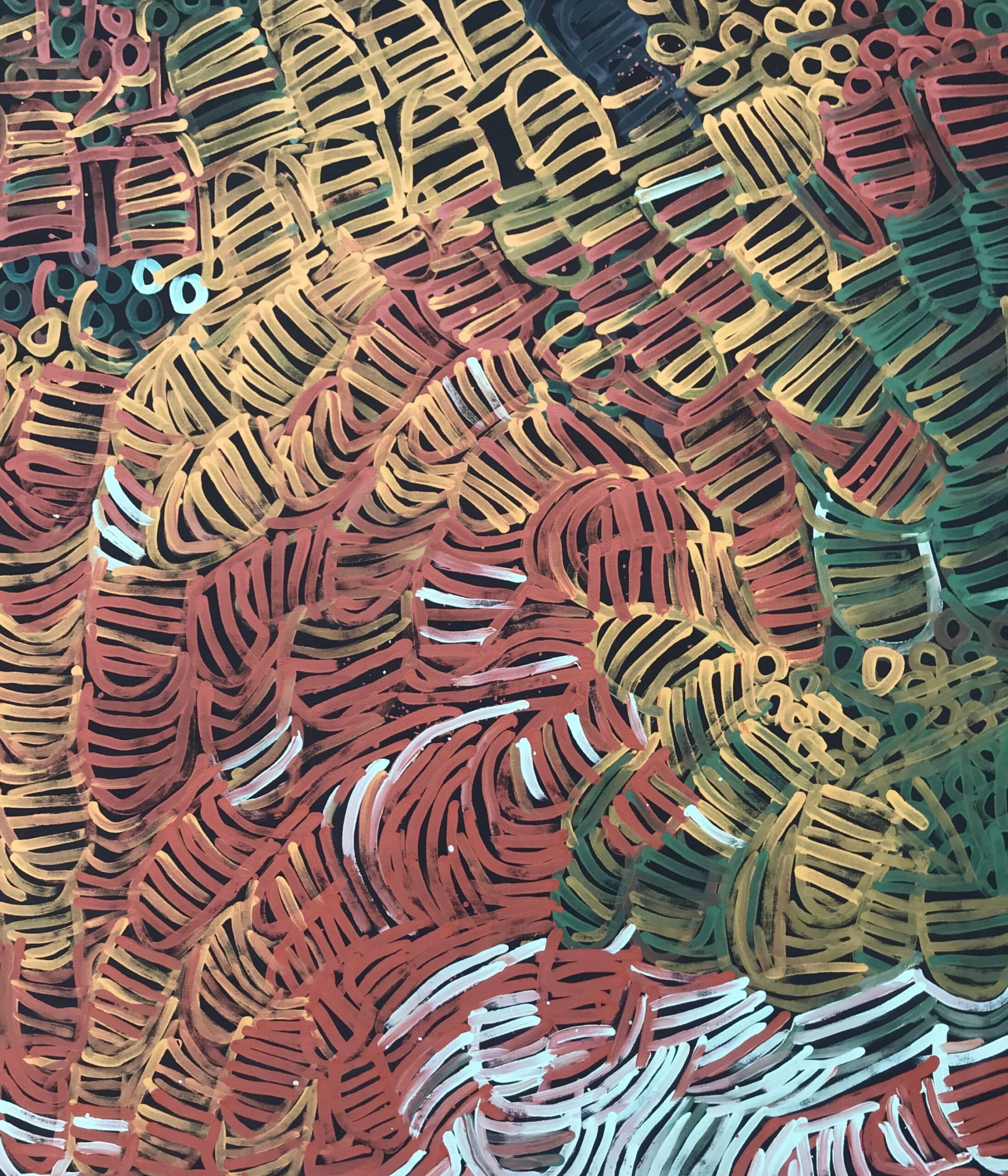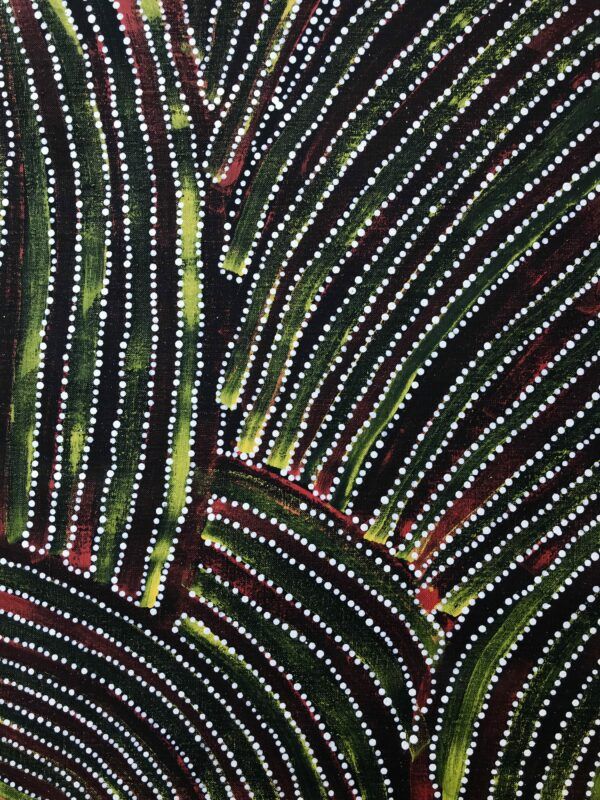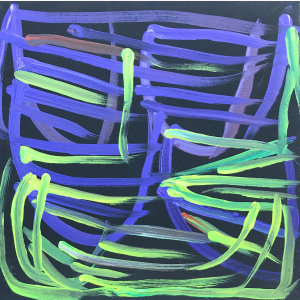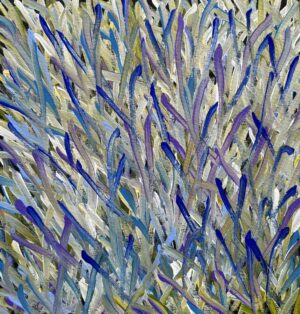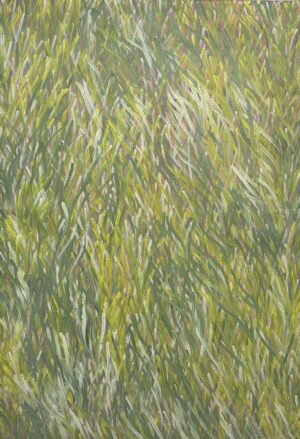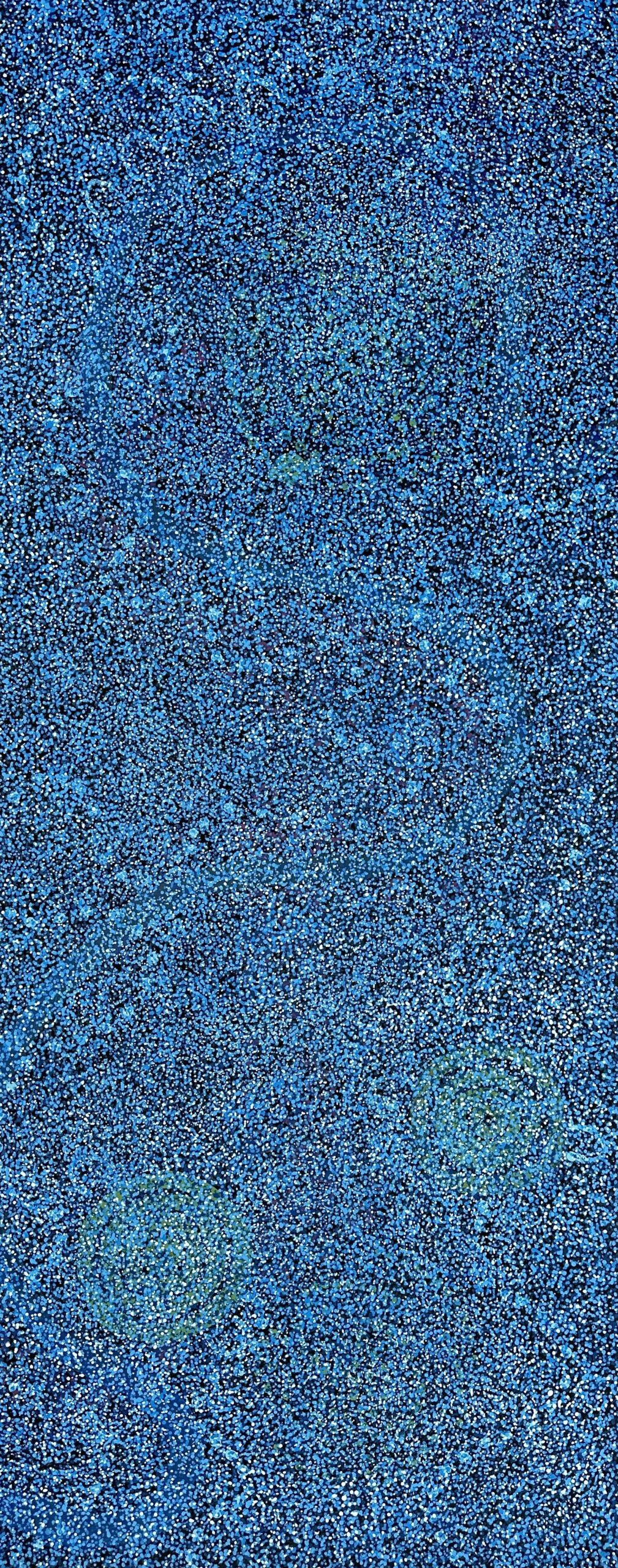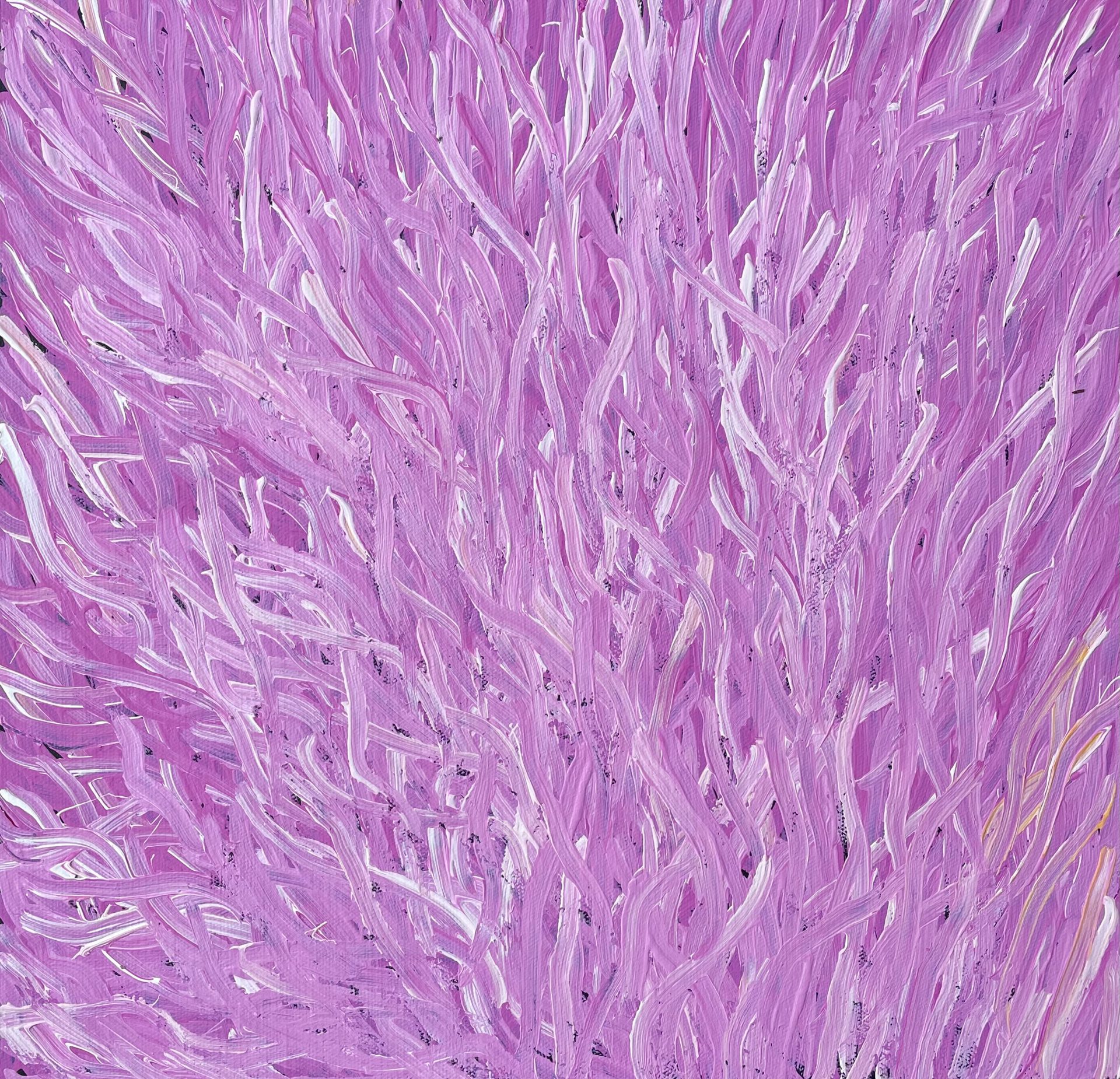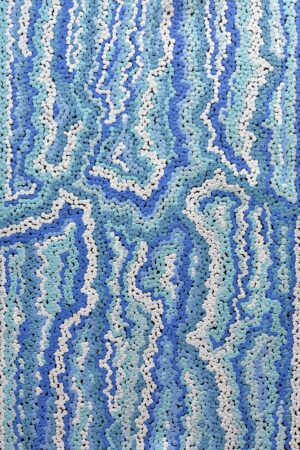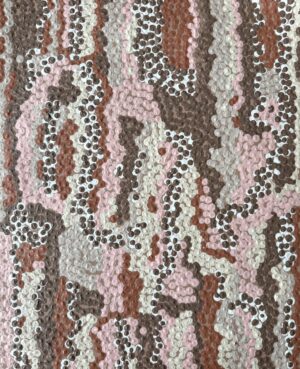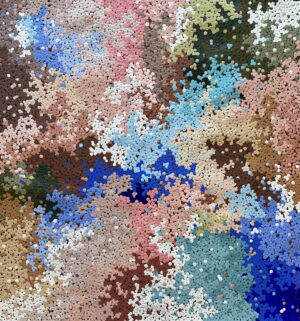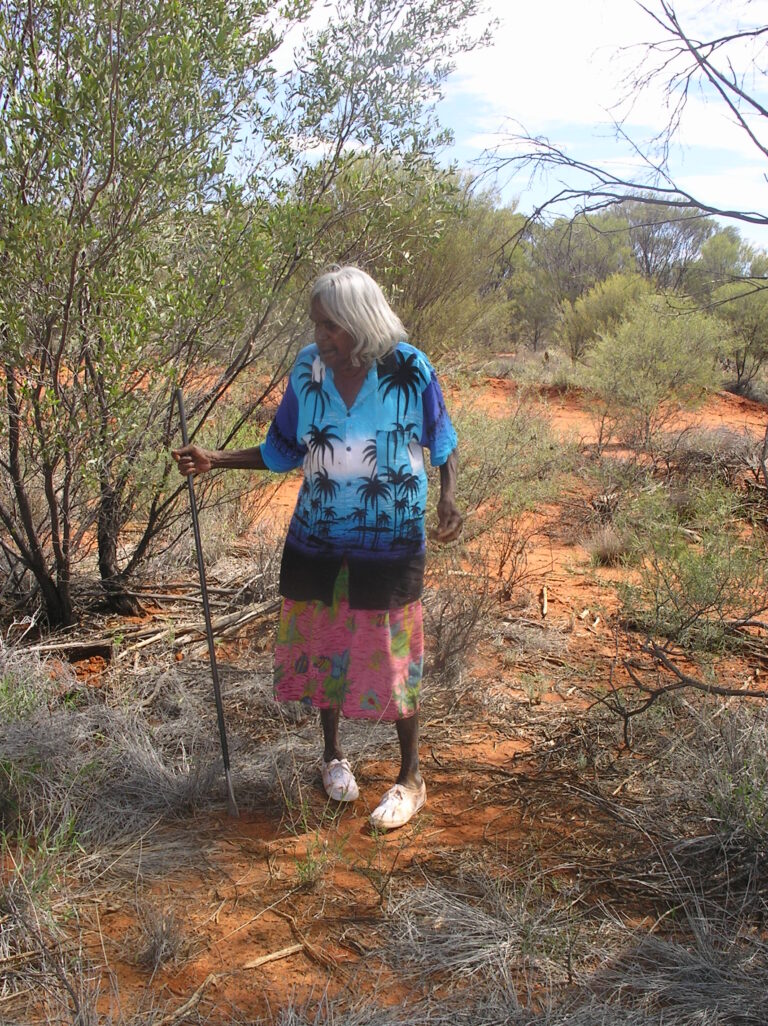
Minnie Pwerle (c.1920–2006) was an Alyawarre woman and custodian of Atnwengerrp, in the Utopia region of Central Australia - sister-in-law to Emily Kame Kngwarreye and mother of celebrated artist Barbara Weir. She did not pick up a brush until 1999, in her late seventies, painting for the first time at DACOU, the gallery of her own grandson, Fred Torres.
In the seven remarkable years that followed, before her passing in 2006, she became one of the most sought-after names to emerge from the Utopia art movement - named among Australia's 50 most collectible artists, exhibited on four continents, and held today in every major state gallery in the country.
Learn more about Minnie Pwerle below.
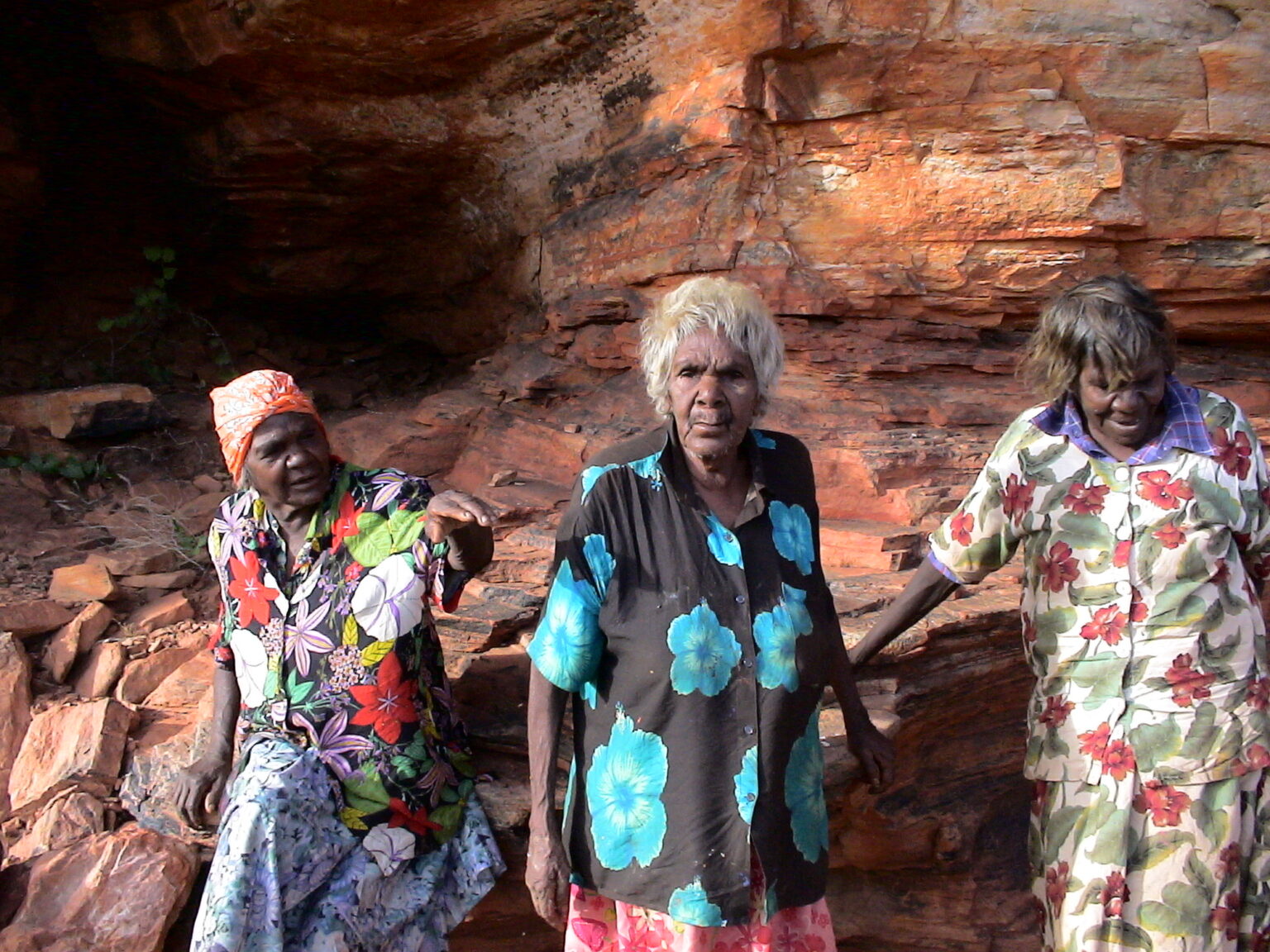
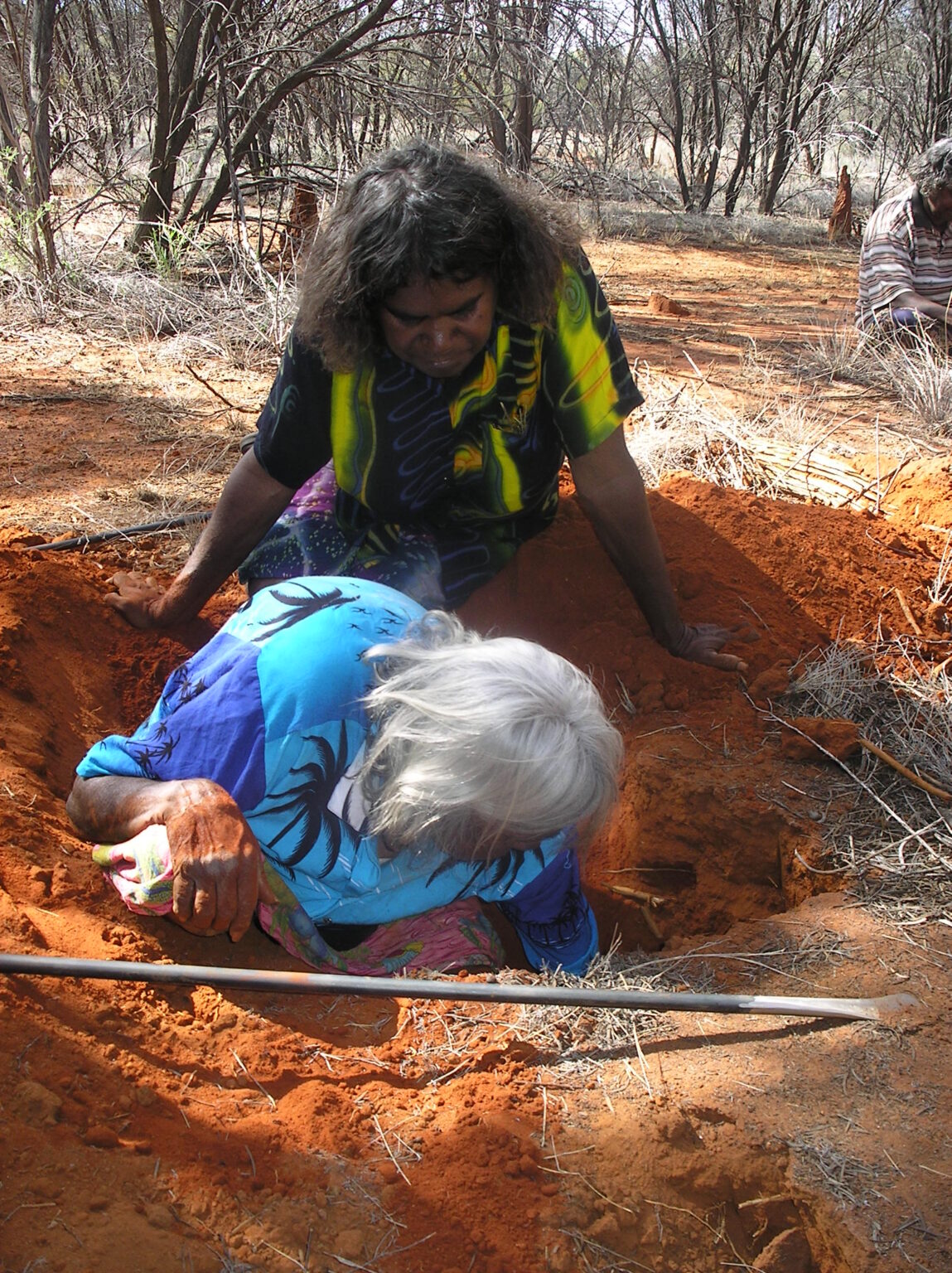
Minnie Pwerle was born in the early 1920s at Atnwengerrp, in the Utopia region of Central Australia, an Alyawarre woman whose connection to her Country and cultural law she carried her entire life. She was one of six siblings - sisters Margie, Molly, Emily Pwerle, Lois and Galya and brother Louis. Among her family by cultural and family ties was also Emily Kame Kngwarreye, whose own painting career would go on to help define the Utopia movement Minnie herself would later join - a distinct person from Minnie's sister Emily Pwerle, though the two are easily confused given the shared name.
Minnie married 'Motorcar' Jim, and together they had six children: Eileen, Betty, June, Raymond and two daughters who passed away in later years. Alongside them, born when Minnie was still a teenager, was a daughter whose story would come to shape the family for generations.
Minnie's daughter, Barbara Weir, was born to station owner Jack Weir. At eight years old, considered at the time to be 'half-caste', Barbara was taken from Minnie by the Native Welfare Patrol - one of many thousands of children removed from their families under the policies now known as the Stolen Generations. Minnie did not see her daughter again for ten years, until Barbara returned to Utopia as a young woman to rediscover her heritage and her family. Barbara Weir would go on to become one of Australia's most celebrated Aboriginal artists in her own right - read her full story on her own page.
The Stolen Generations refers to the Aboriginal and Torres Strait Islander children who were forcibly removed from their families by Australian government and church authorities, under policies that continued for much of the 20th century. The impact of these removals is still felt across Aboriginal families and communities today, including our own. You can learn more about this history, and its place in our family's story, on our dedicated Stolen Generations page.
It was Barbara's own son - Minnie's grandson, Fred Torres - who would one day hand his grandmother her first canvas, nearly fifty years after she lost her daughter to a government patrol. That is the story this gallery carries forward.
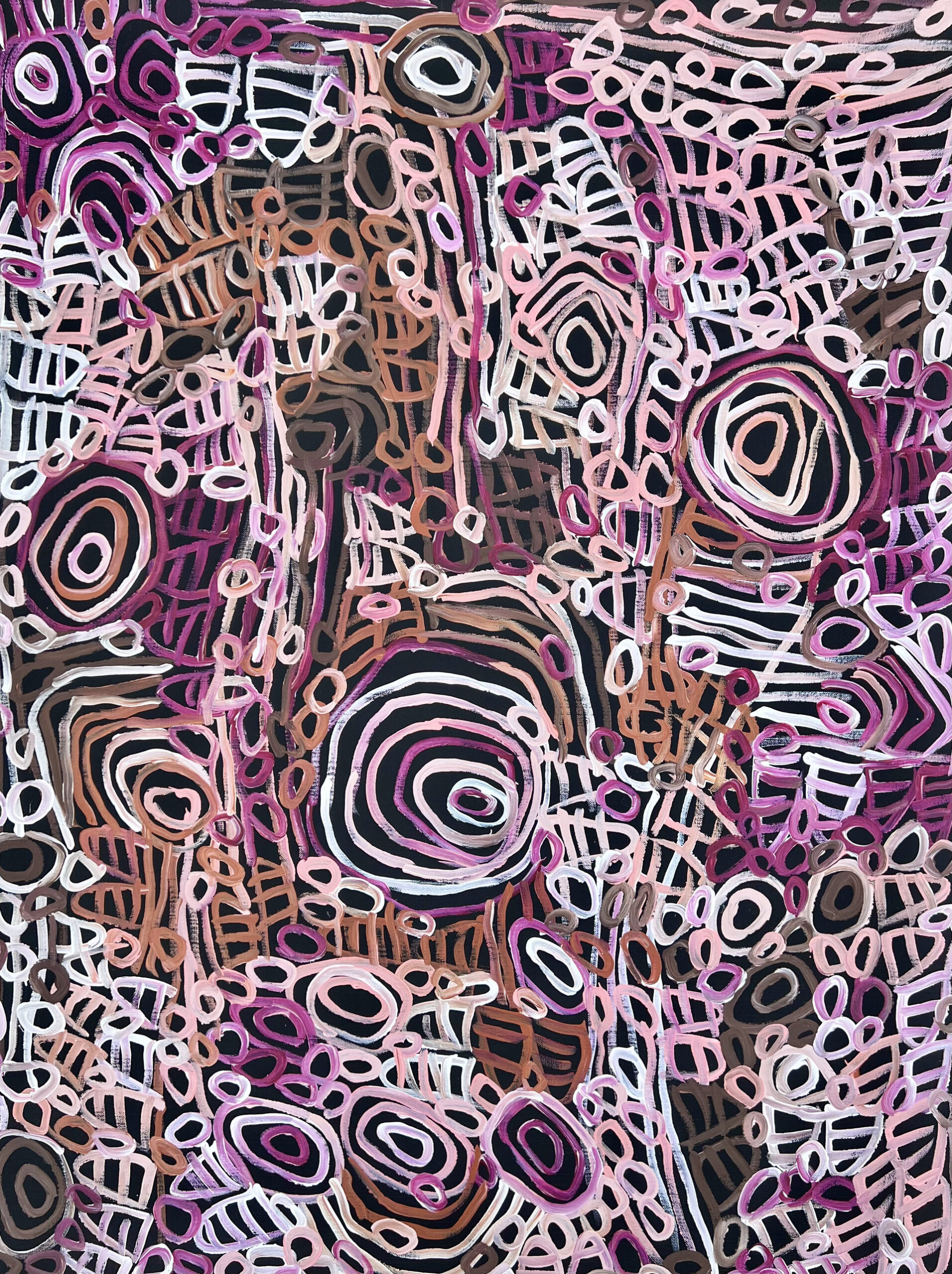
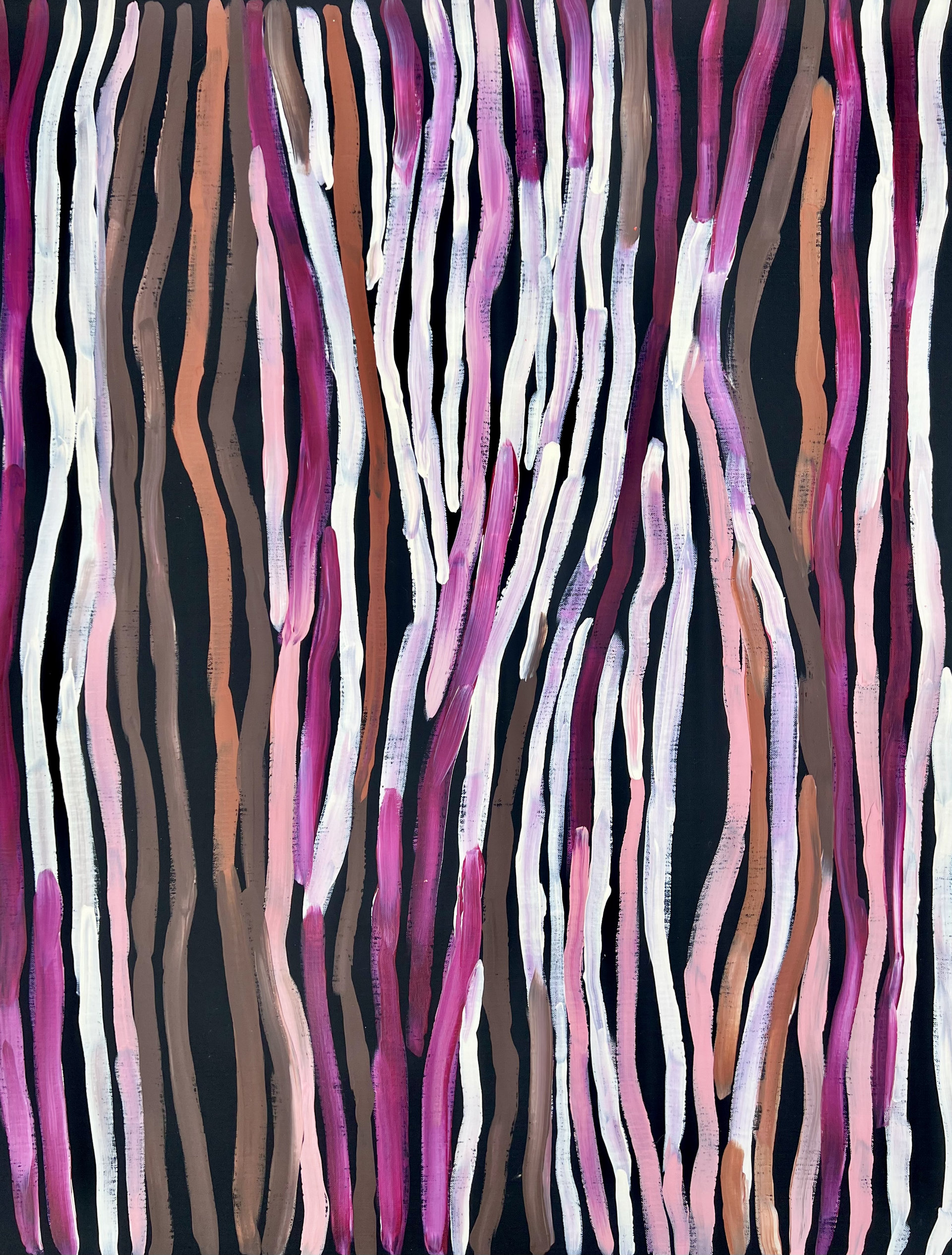
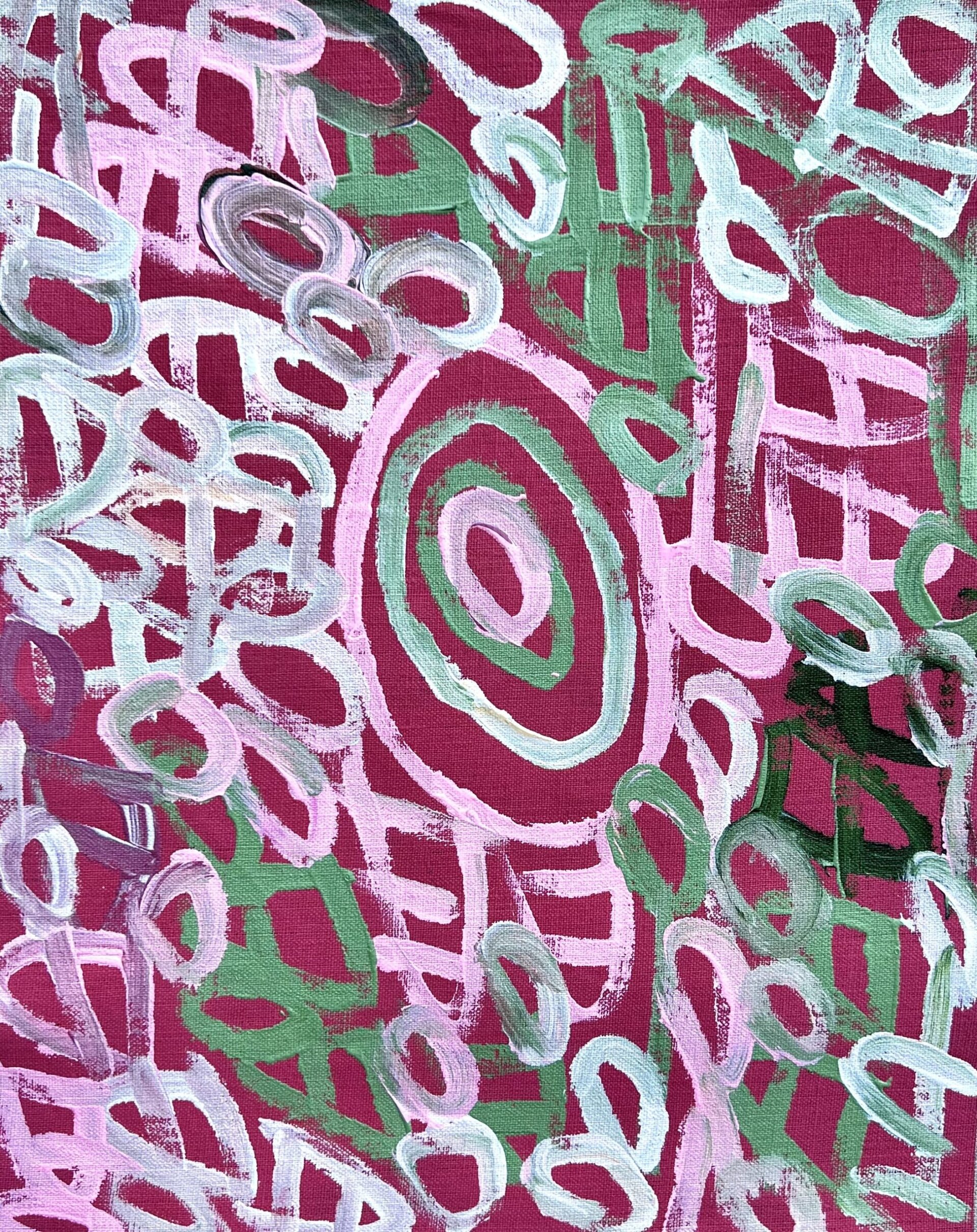
Minnie did not begin painting until 1999, already in her late seventies. Visiting her daughter Barbara in Adelaide, she asked to paint at Fred Torres' gallery, DACOU - the Dreaming Art Centre of Utopia. What began as an informal, unplanned workshop produced a series of bold, linear works, painted with an authority the family would later describe as reminiscent of her sister Emily's. Every canvas Minnie produced that day was purchased on the spot by the gallery owners present. It marked the beginning of a seven-year career that would take her work around the world.
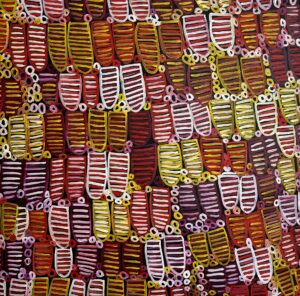
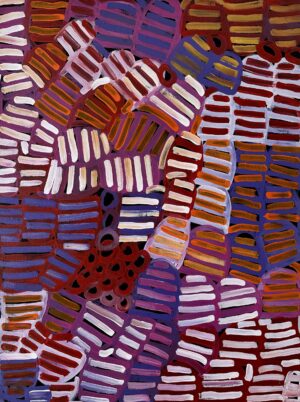
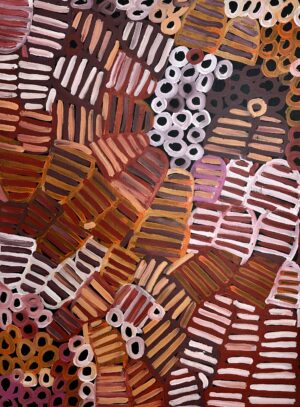
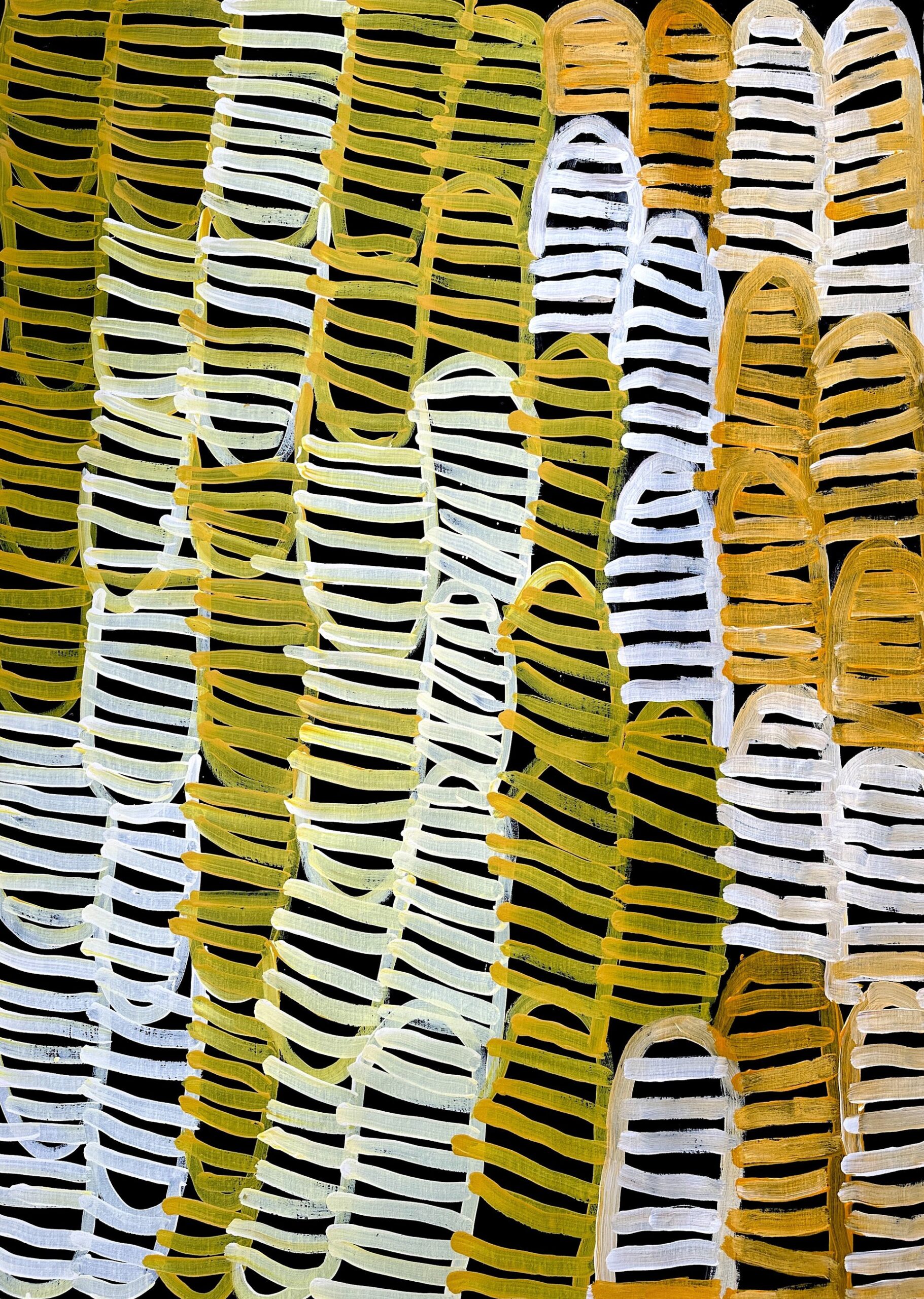
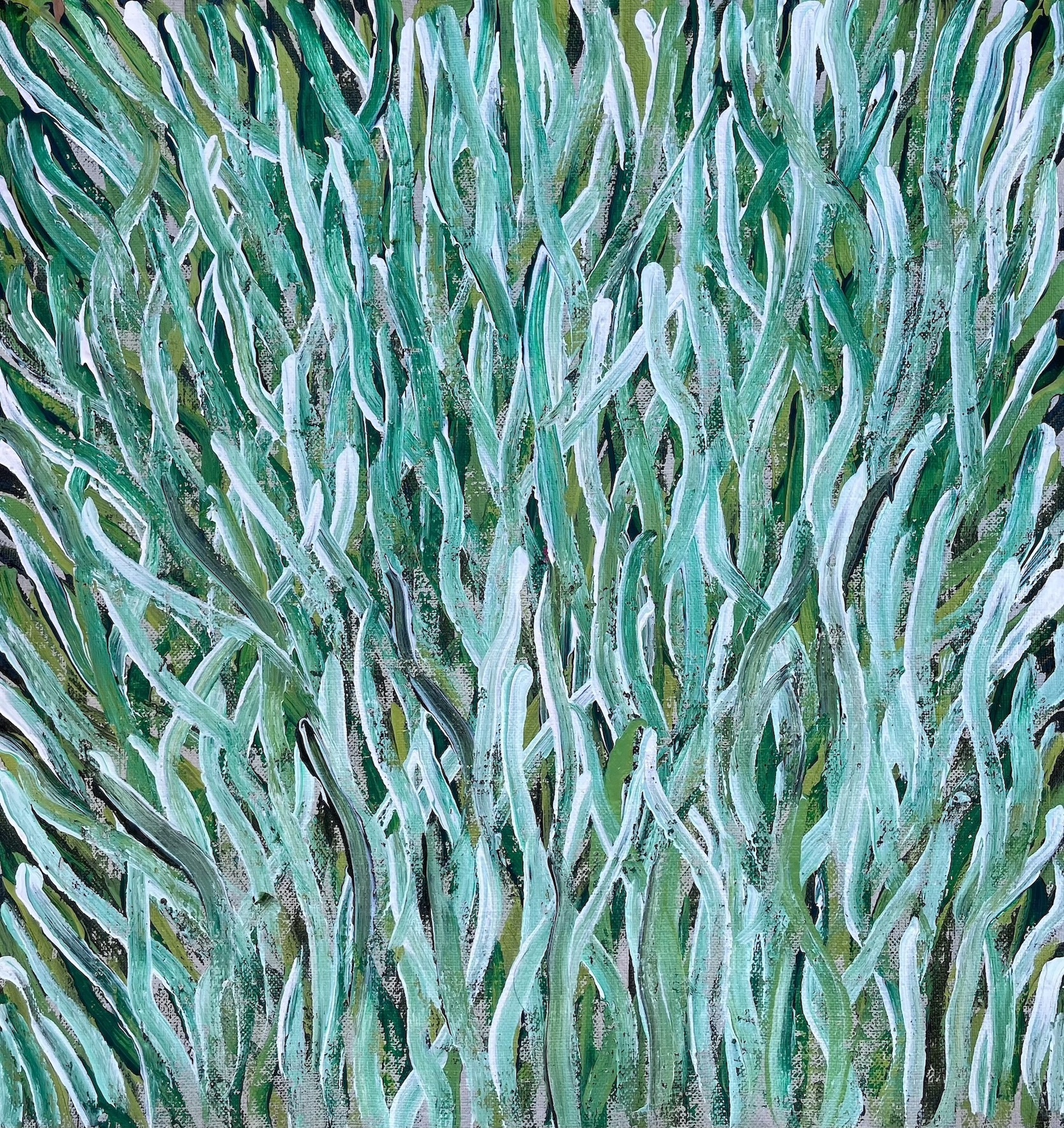
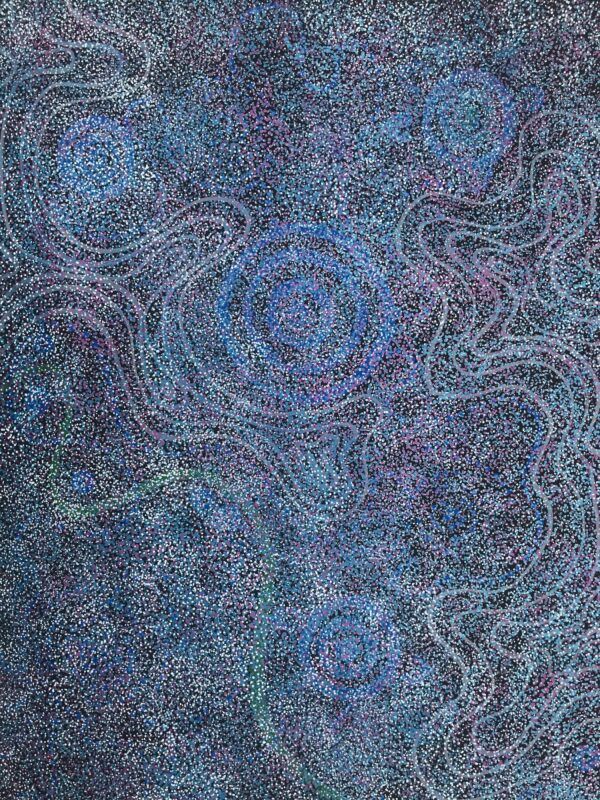
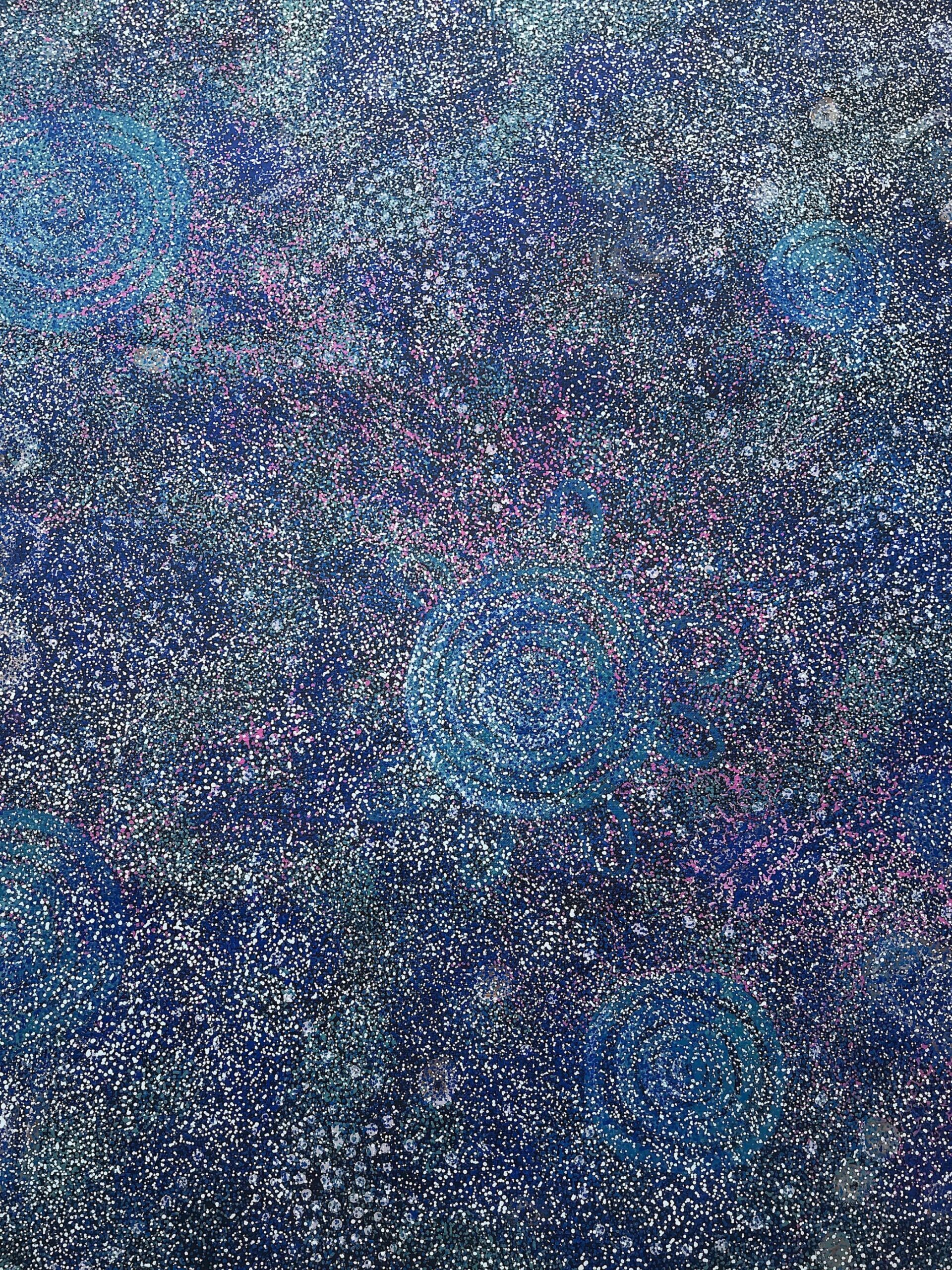
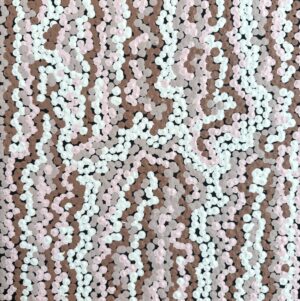
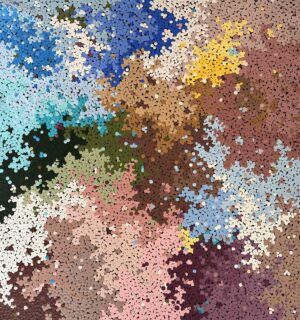
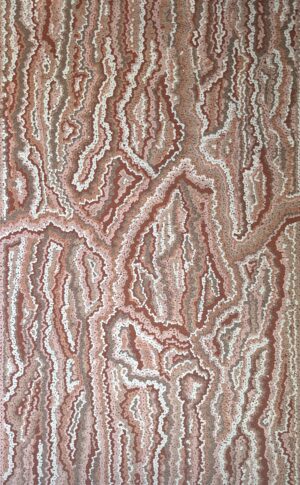
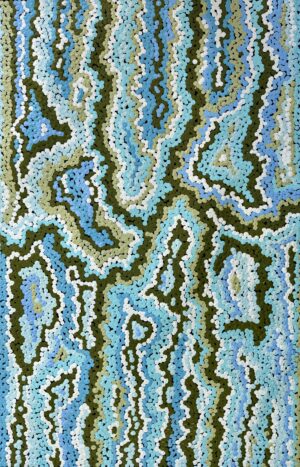
Minnie painted two principal Dreamings throughout her career: Bush Melon (Atnwengerrp), the small, sweet native fruit central to her Country's food story, once abundant and now increasingly hard to find; and Awelye Atnwengerrp, the ceremonial body-paint designs worn by women during traditional ceremony, rendered as sweeping lines and circles that capture the rhythm and movement of women dancing and singing around open fires in the red sand of the desert.
Nanna Minnie came down to Adelaide for a few of our workshops before she ever picked up a brush. She'd just sit there and watch everyone else paint. I didn't know it at the time, but she wanted to paint the whole time - she just never said so.
One day my mother, Barbara Weir, had taken the other women out secondhand shopping for clothes. I was left looking after Nanna Minnie and I tried to get her to eat some lunch. She wouldn't touch it. Gave me the sourest look and stopped talking to me altogether. I had no idea what I'd done wrong, and I just had to wait it out until Mum got back a couple of hours later.
As soon as she walked in I said to her, ‘Mum, Nanna wasn't talking to me the whole time you were gone.’ So Mum went and sat with her and asked what was wrong. Turned out Nanna Minnie was upset because I'd offered everyone else a canvas to paint on and not her.
I went straight over and gave her one. Mum went back out, and I got on with other things around the gallery while Nanna started painting. She finished that canvas - 120 by 90 centimetres - in under five minutes. I couldn't believe it. Her style was nothing like anything I'd seen before, and honestly, watching how fast she worked worried me. I gave her a second canvas and told her, ‘Not so fast, Nanna. Slow it down, slow it down.’
But instead of waiting around for me to bring her canvases one at a time, she got up herself, pushed that one aside, and went straight to the wall where I had canvases stretched and ready - for my other aunties, not for her. By the time I came back into the room, she'd gone through everything I'd pre-prepped. Eight, maybe ten paintings, all meant for my other aunties.
I said to her, ‘Hey, you've used everyone else's canvas,’ and that only made her more upset with me. But even though she'd gone through so many, every one of them was different - interesting, unlike anything the other artists were doing. I knew straight away there was something in it.
I started taking photos of the works and emailing them out to dealers that same day. The response was immediate - dealers wanted everything she could paint. From that point on, Nanna was painting maybe ten pieces a day, and they sold, day after day after day.
That's how Minnie's career actually started. And if you ask me, that stubborn streak she showed that day - refusing to eat, refusing to wait her turn, taking every canvas in the room rather than ask twice - it didn't stop with her. That's just the bloodline. It's still running through this family today.
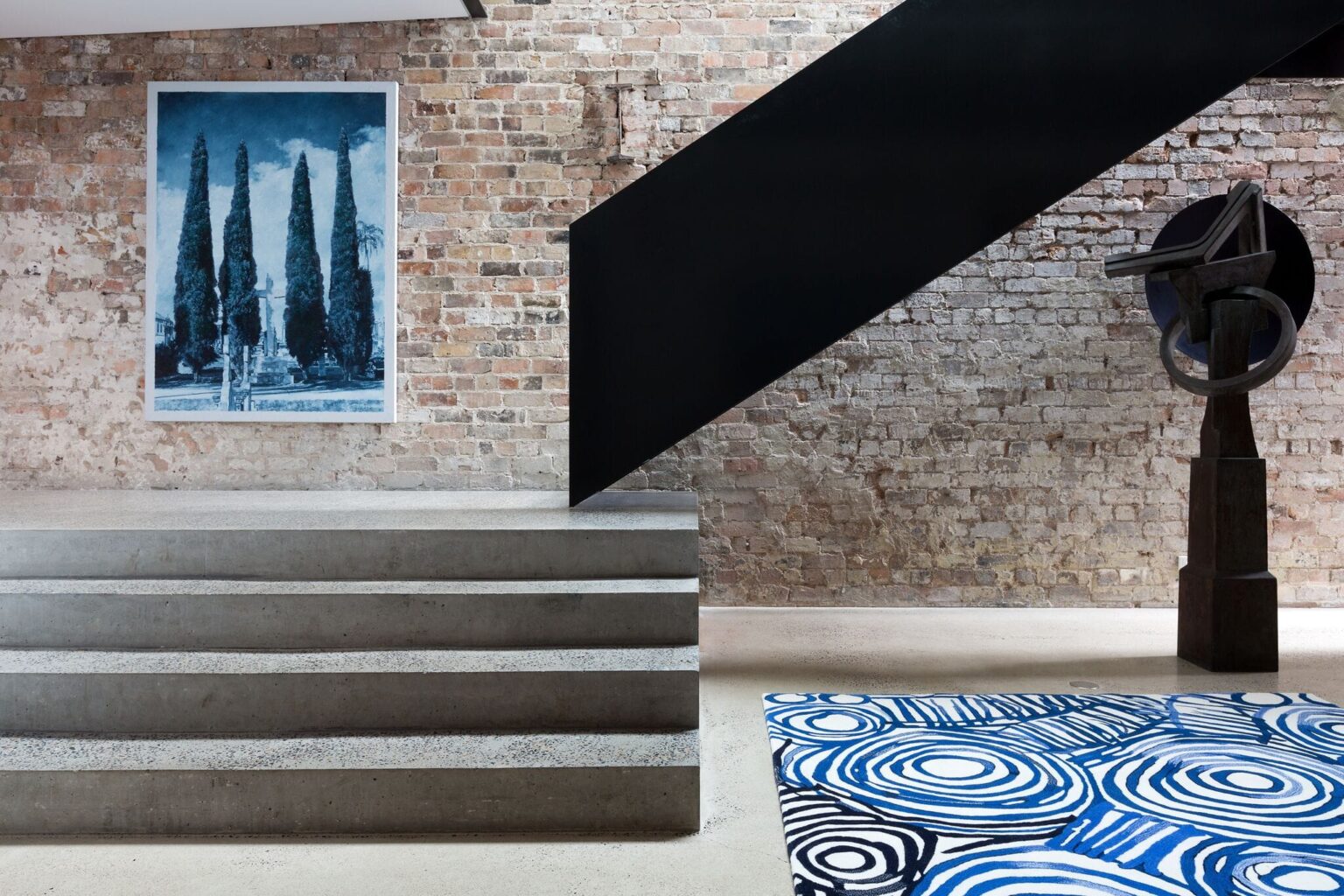
By 2004, Australian Art Collector magazine had named Minnie one of the nation's 50 most collectible artists - a remarkable distinction for an artist only five years into her career. She was a finalist in the Telstra National Aboriginal & Torres Strait Islander Art Award three times, in 2001, 2002 and 2005, and exhibited internationally throughout her career - in New York, Copenhagen, Seoul, Portland, Santa Fe, France and across Australia, alongside a dedicated exhibition at the Australian Embassy in Washington D.C. In 2008, Fred Torres and DACOU translated her Awelye Atnwengerrp designs into a dedicated rug collection with Designer Rugs, launched at their Sydney showroom - taking her Dreaming off canvas and into a new medium entirely.
Minnie Pwerle passed away in 2006, but her career did not end there. Her work has continued to be exhibited constantly in the two decades since - including a landmark showing at the National Museum of Australia in 2022 and remarkably, being twice selected to feature in Badu Gili, the nightly sunset projection onto the sails of the Sydney Opera House, first in 2017 and again in 2021. Her paintings remain in vigorous demand at auction to this day, with results as high as $78,000 and consistent activity across every major Australian auction house.
Minnie's rise was extraordinarily fast and extraordinarily prolific - a seven-year career that produced a large body of work, painted in the years immediately following the passing of her sister-in-Country, Emily Kame Kngwarreye, at a moment when demand for Utopia art was at its most intense. That combination of speed, volume and demand has made verified provenance more important for Minnie's market than for almost any other Utopia artist - independent market analysts have long noted that inconsistent quality, and works of uncertain origin, have entered the secondary market over the years. Her work remains in genuine demand today, with auction results as high as $78,000.
This is precisely where Pwerle Gallery's position is unmatched. Minnie Pwerle was Jade's own great-grandmother, she even named the gallery in honour of her legacy. Every work sold through Pwerle Gallery carries direct family provenance - not a certificate written after the fact, but a living connection to the woman who painted it, to her family, and to the DACOU gallery where her career began.
Read more about the wider family legacy on our Emily Kame Kngwarreye and DACOU Gallery pages.
Original works by Minnie Pwerle are available to view and purchase through Pwerle Gallery, by private appointment. Every piece is sold with full, direct family provenance.
Enquire about available works | Book a private viewing | hello@pwerle.com.au