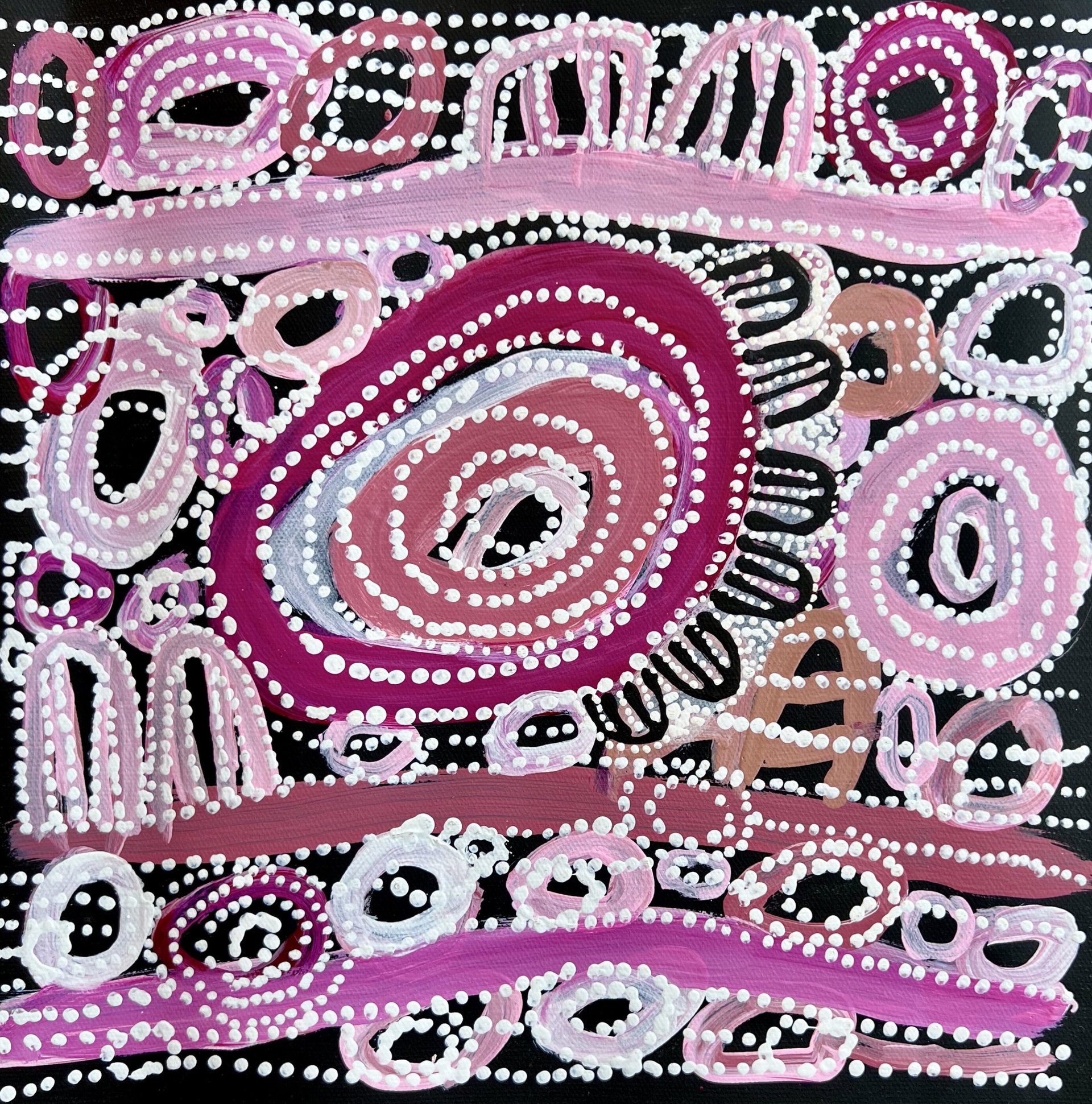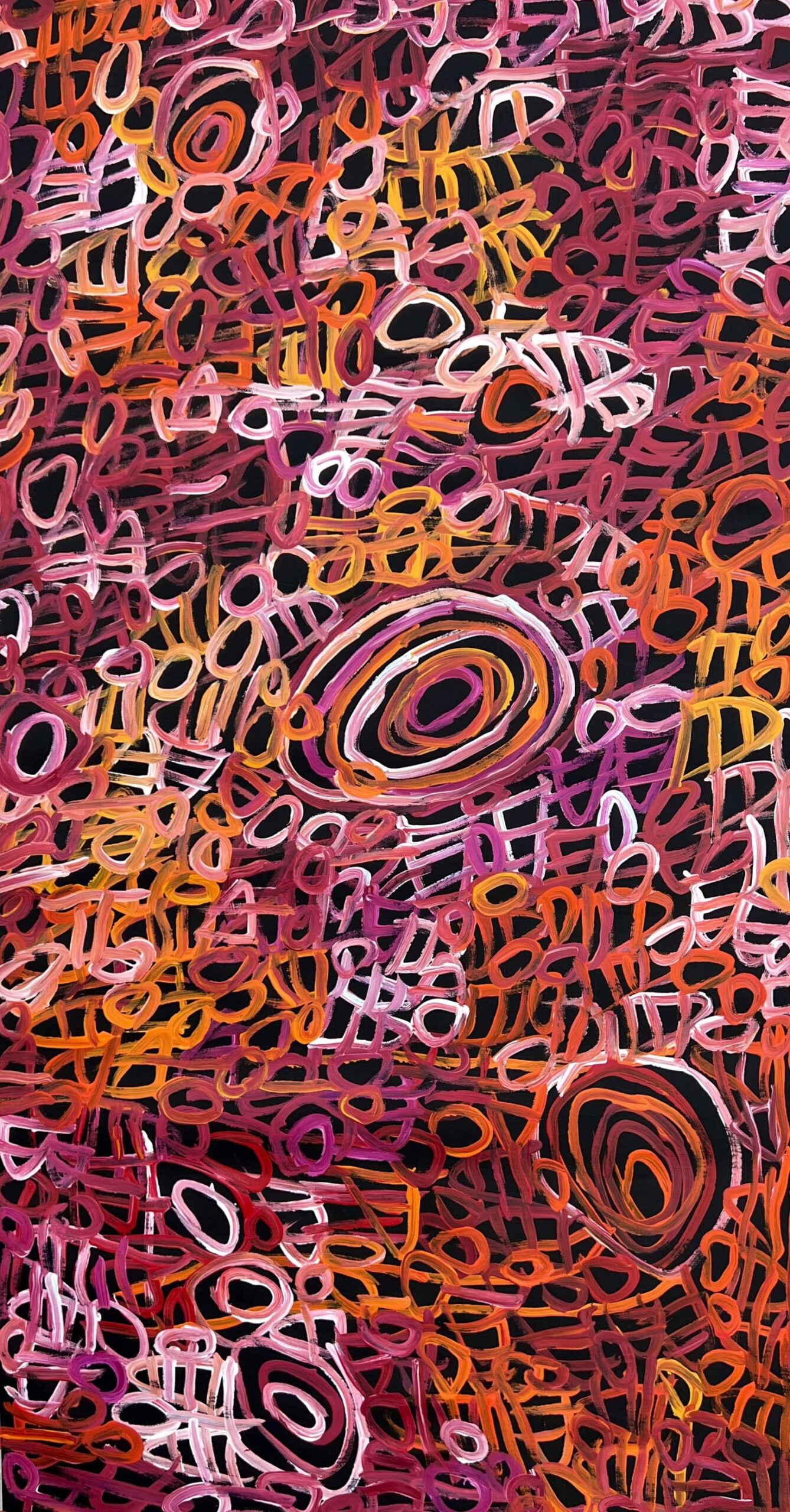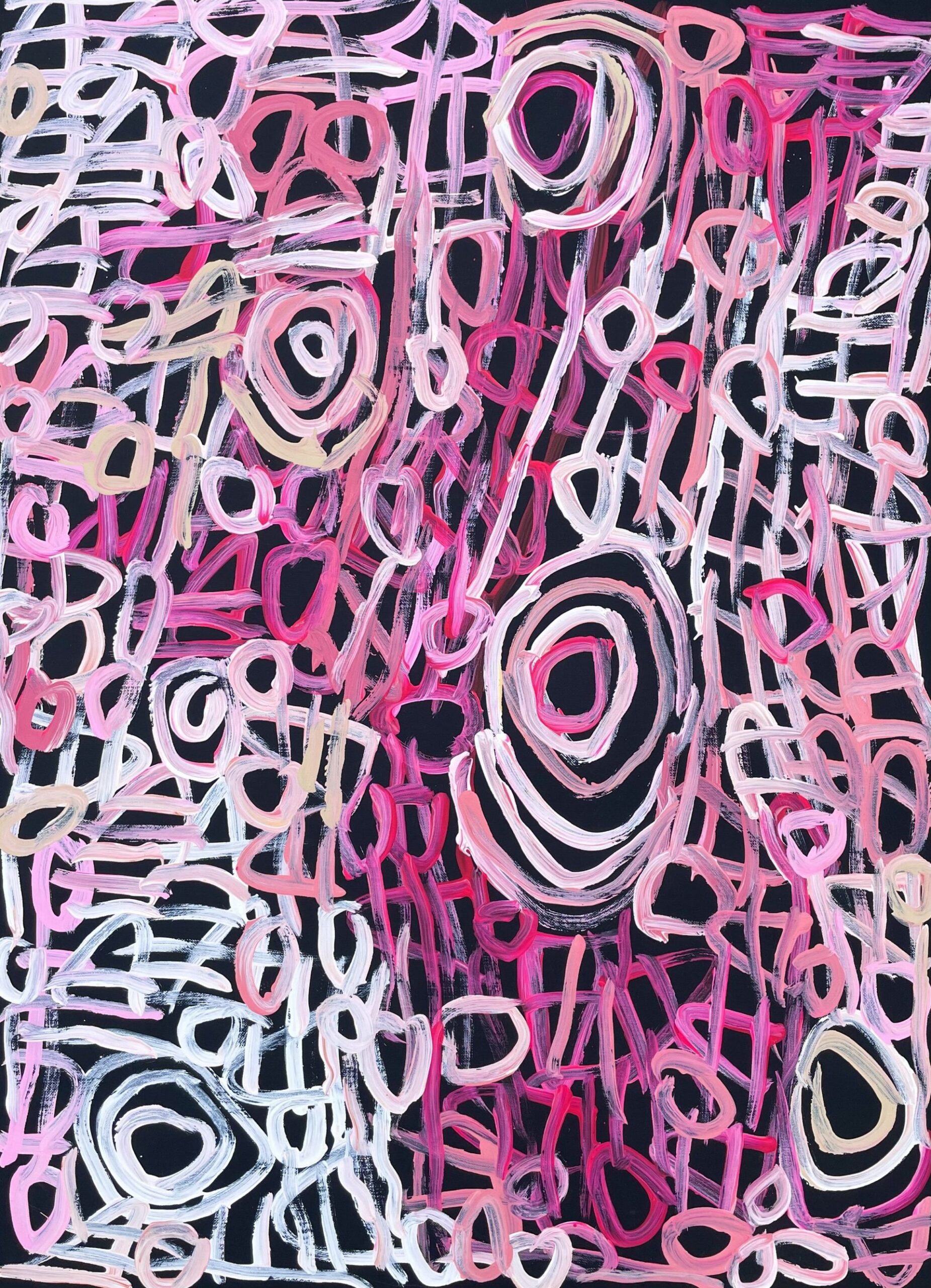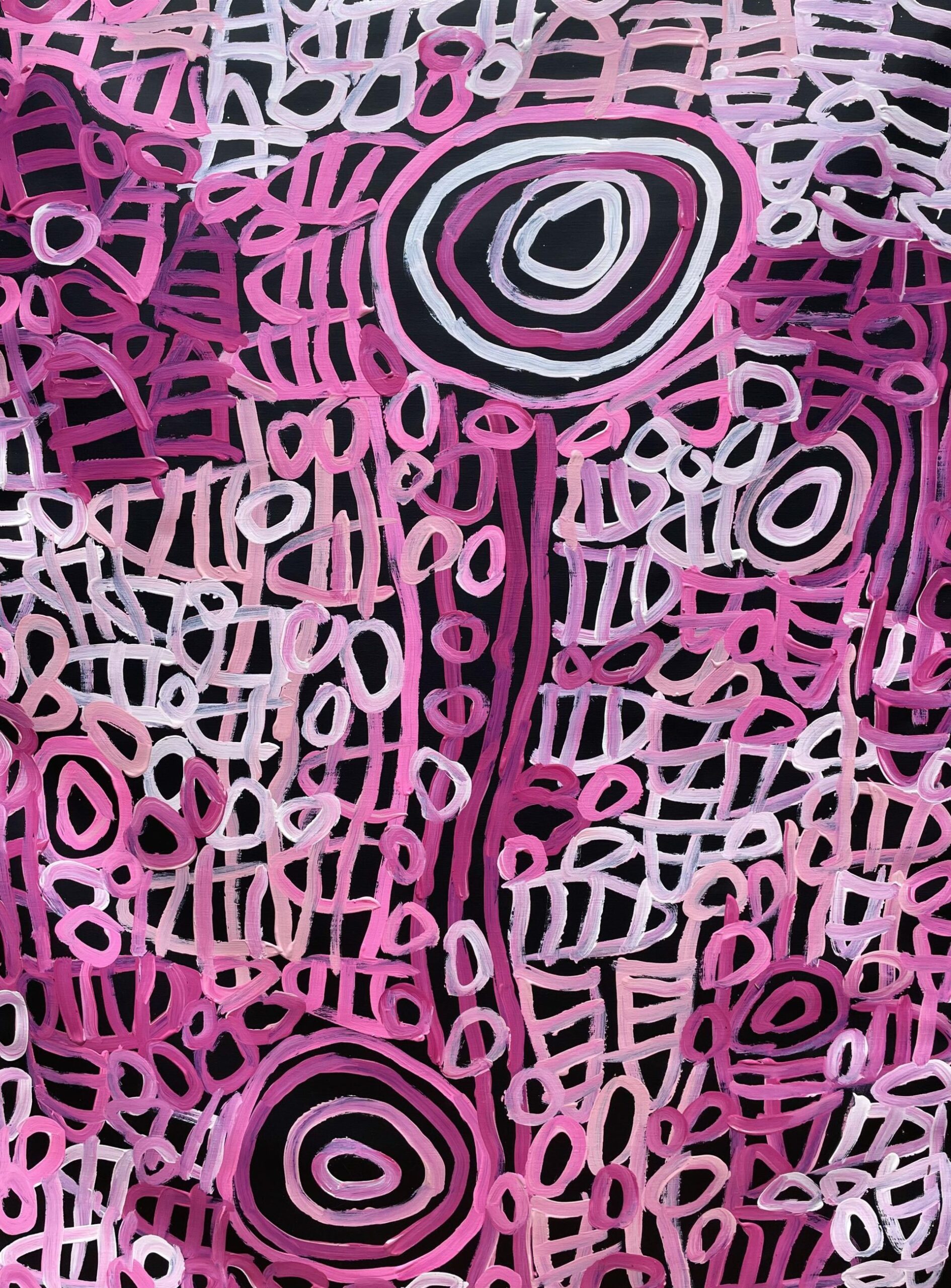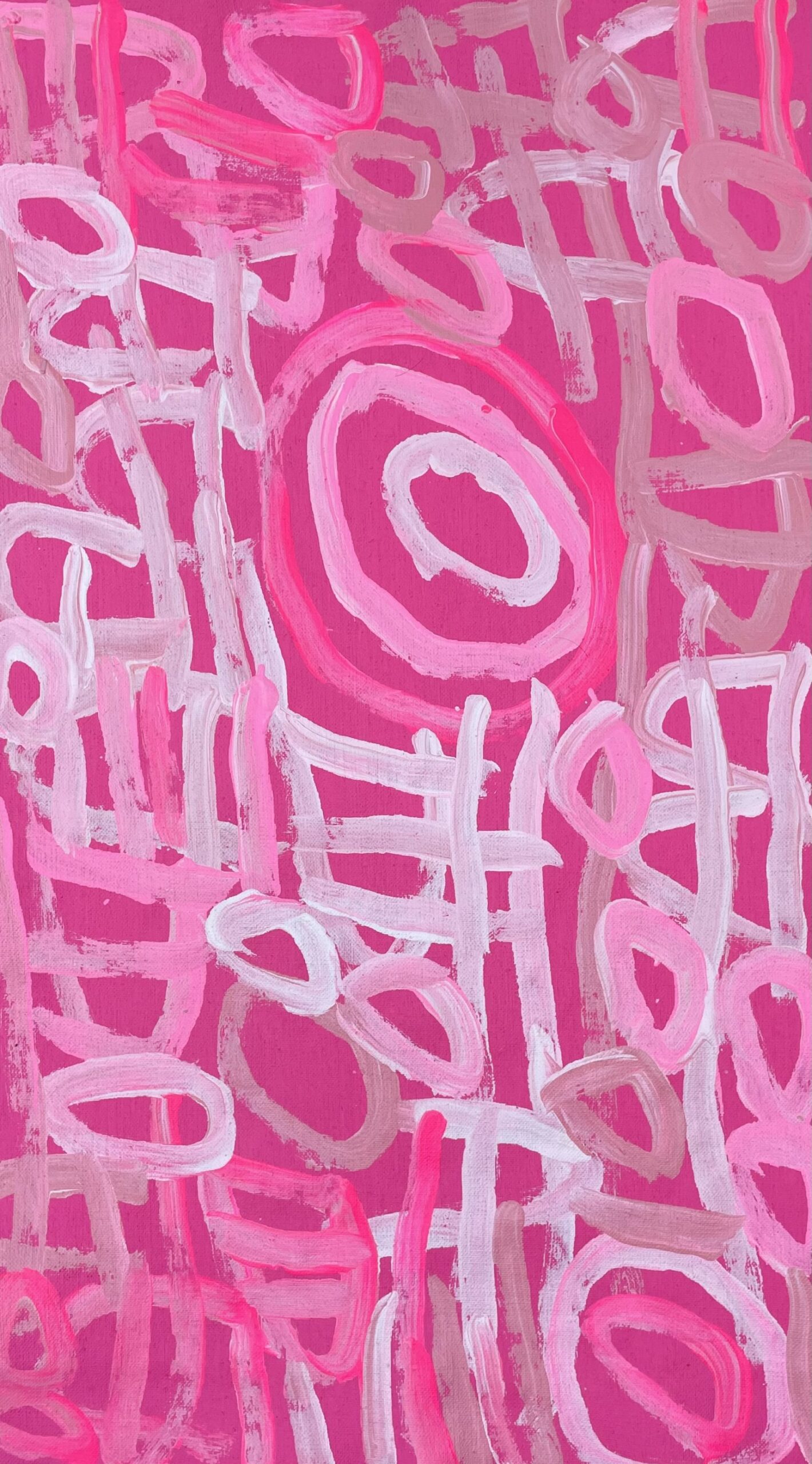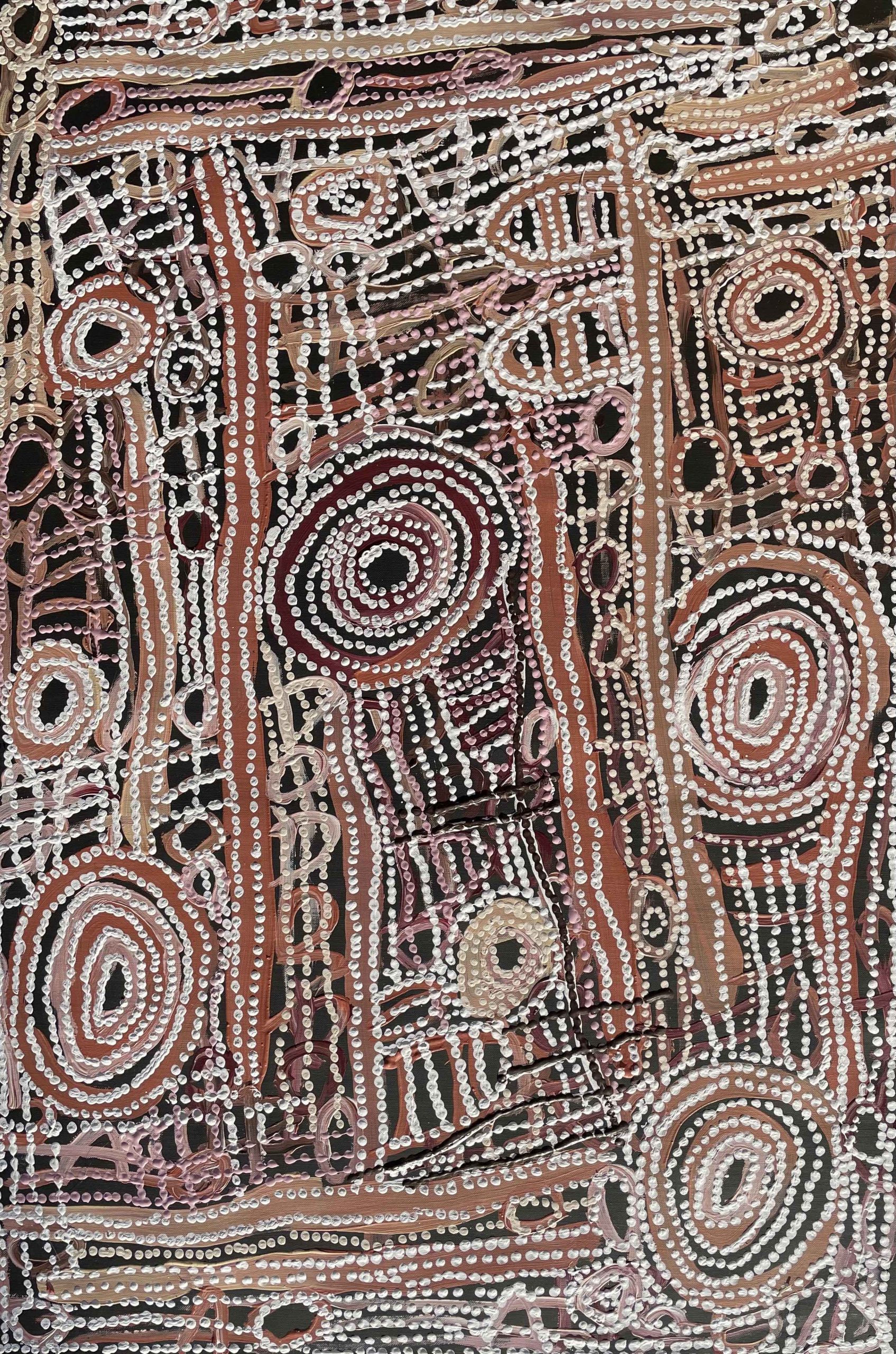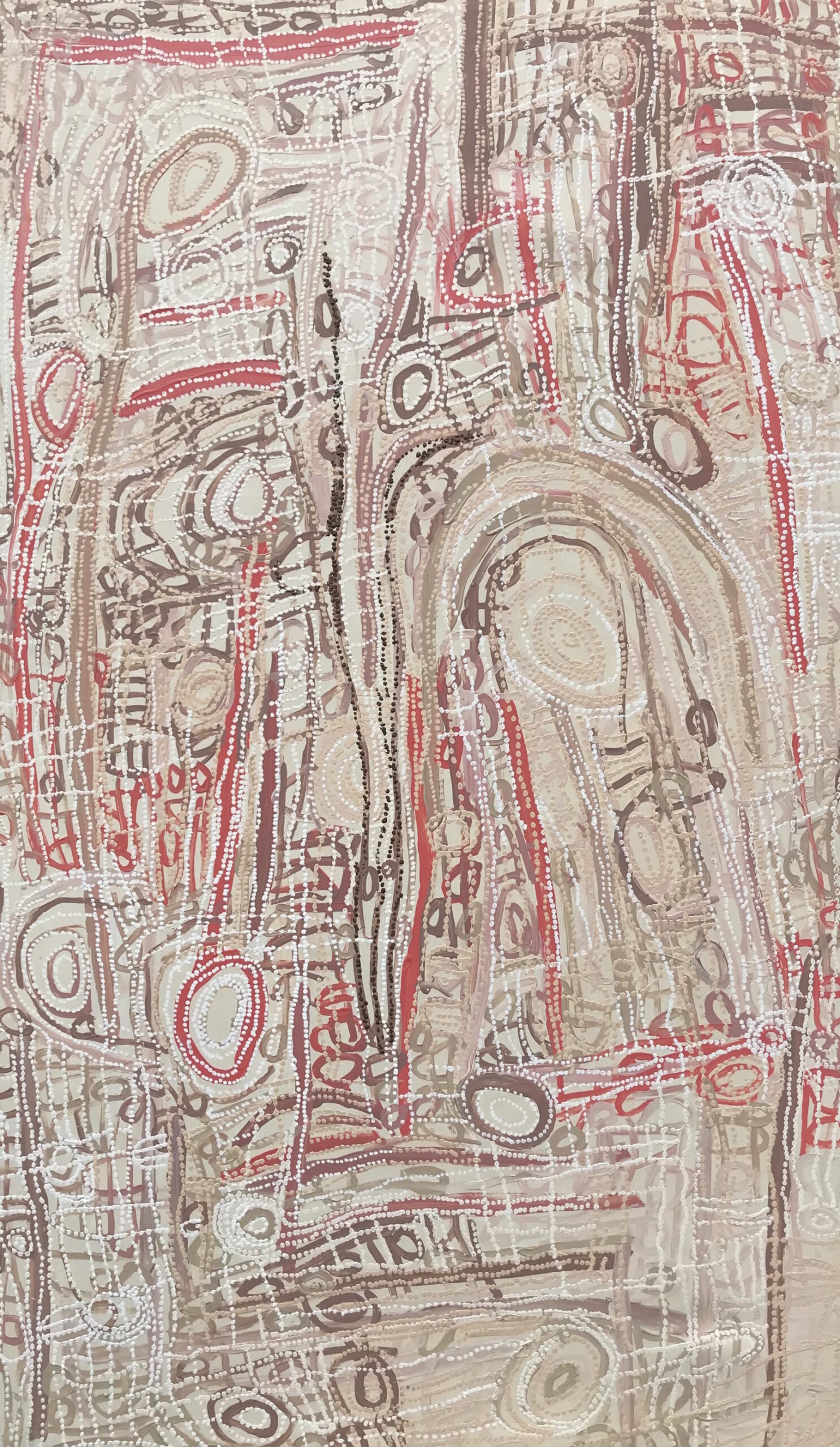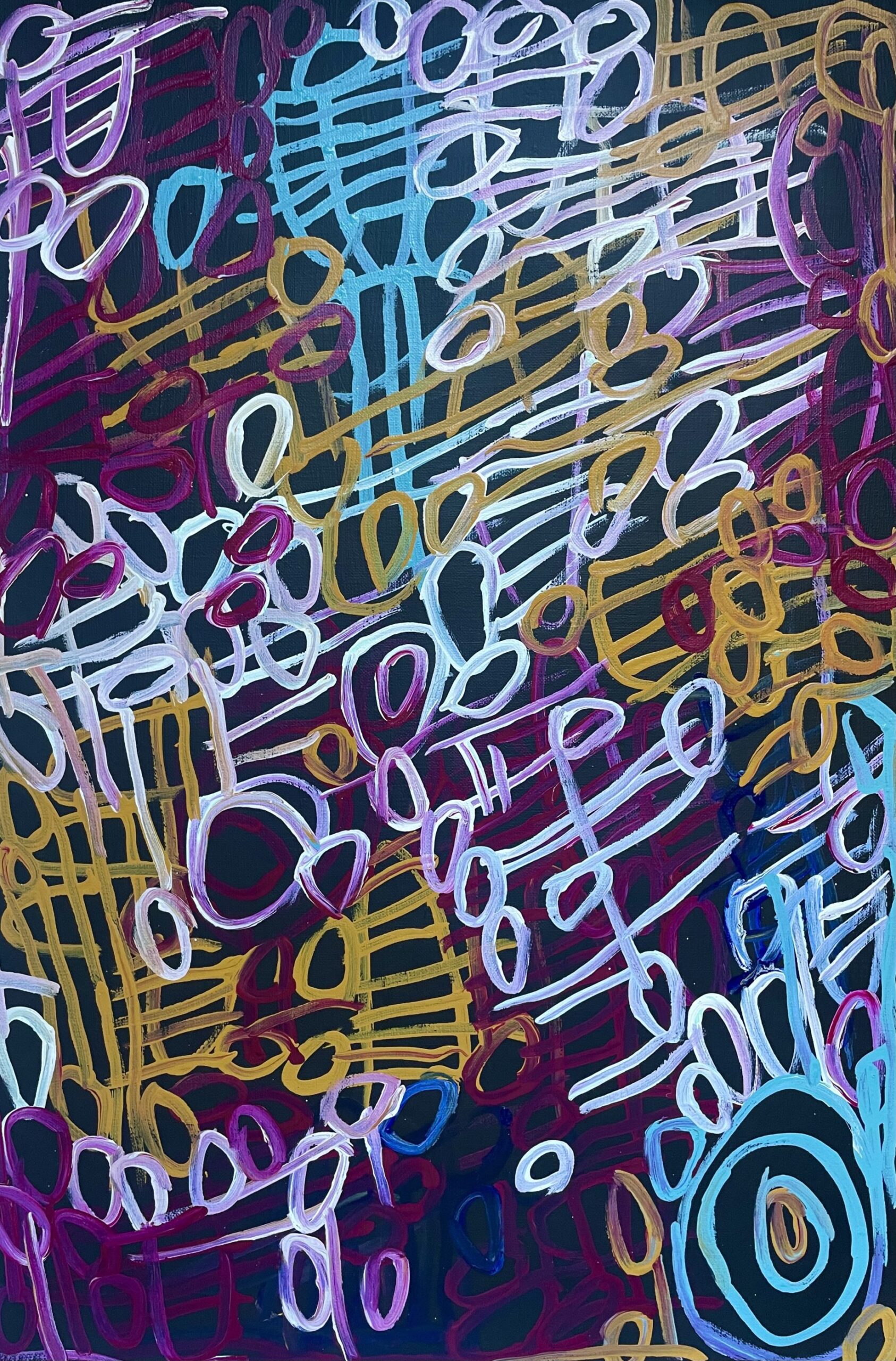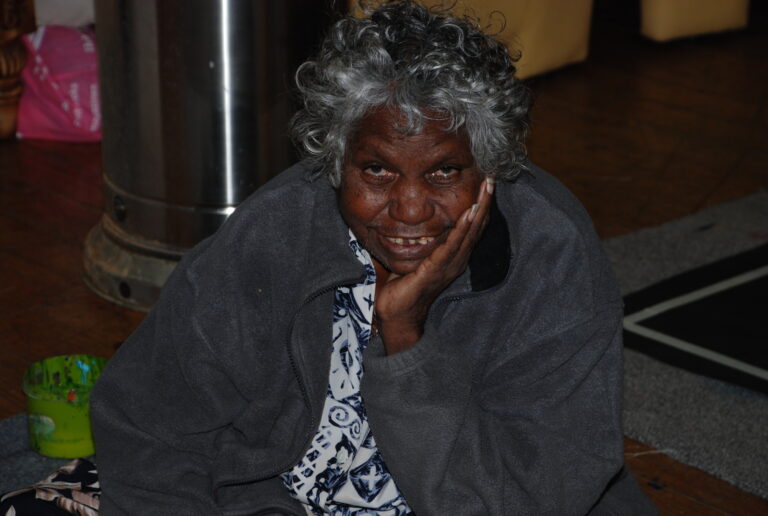
Gloria Tamerre Petyarre (also known as Gloria Pitjara) was one of the most significant and successful artists to emerge from the Utopia art movement. In 1999, she became the first Aboriginal Australian artist ever to win the Wynne Prize, Australia's most prestigious landscape painting award, at the Art Gallery of New South Wales.
One of seven sisters who were all painters, Gloria was among the most prolific and widely exhibited of them all, with a career spanning over three decades and her work held in almost every major public gallery in Australia, along with institutions across the world. She passed away on 8 June 2021 in Alice Springs and her work has continued to be exhibited internationally in the years since.
Learn more about Gloria Petyarre below.
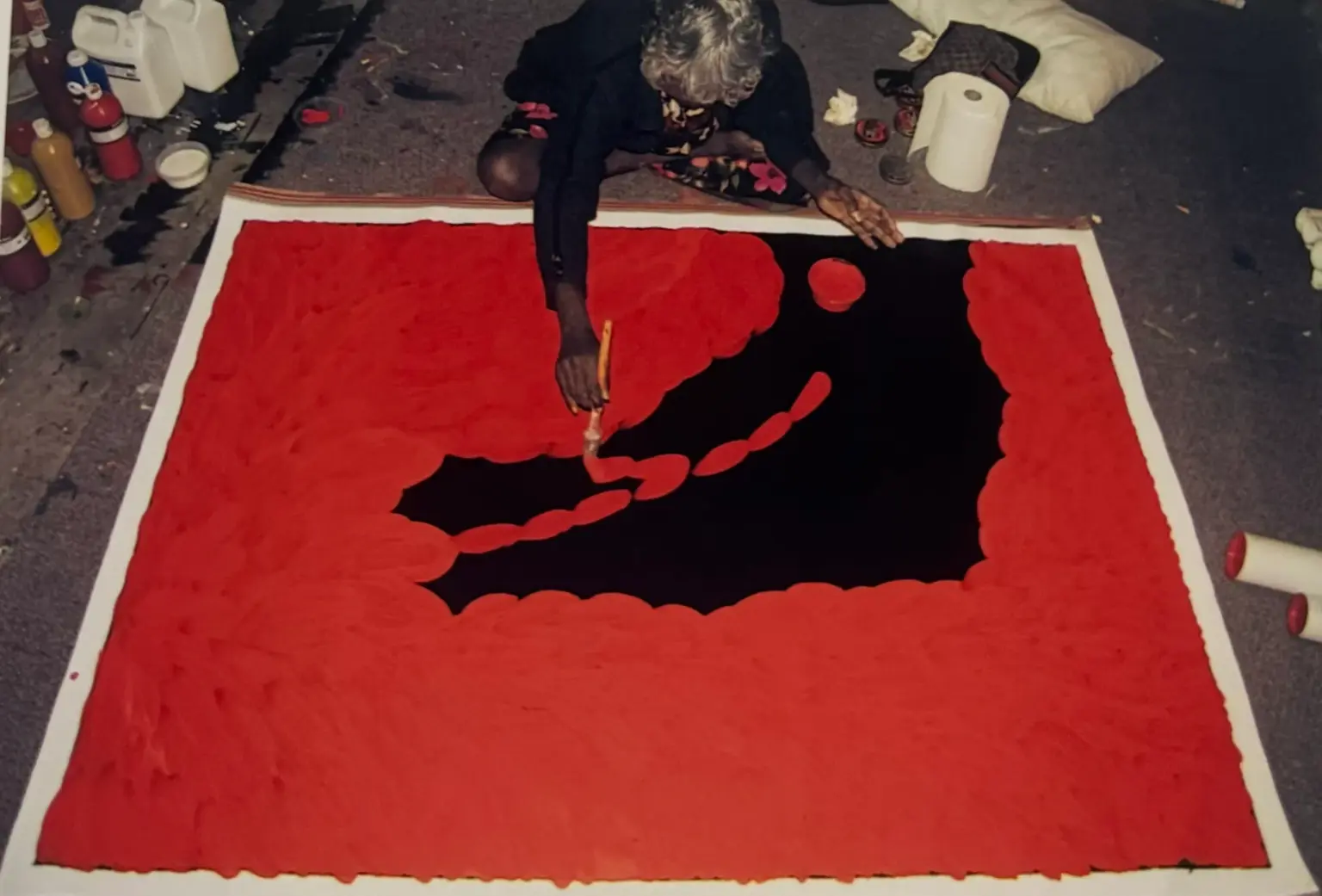
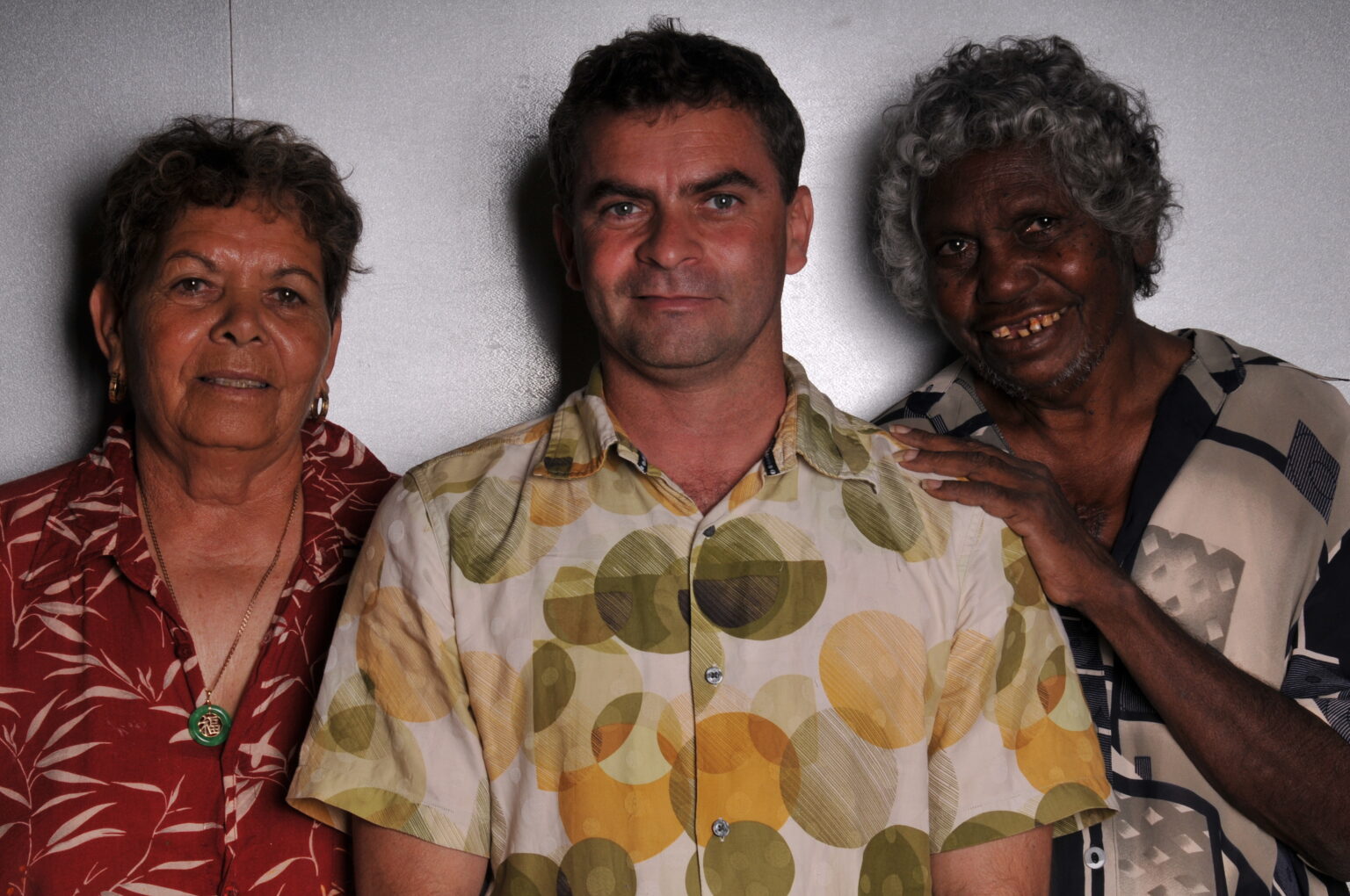
Gloria Petyarre was born around 1942 at Mosquito Bore, in the Utopia region roughly 270 kilometres northeast of Alice Springs - though, as with many artists of her generation, official records vary, with some placing her birth as late as 1945. She was an Anmatyerre woman, one of seven sisters who all became painters, including her well known sister Kathleen Petyarre. Gloria's husband, Ronnie Price Mpetyane, was also a painter, known for his men's dot style works and vivid neo-western landscapes; the couple lived together at Mulga Bore.
Like many of the Aboriginal women artists to first emerge from Utopia, Gloria's earliest recognition came through batik, exhibiting with other Utopia women both in Australia and abroad from 1977 to 1987. In 1988, at Utopia's landmark Summer Project, Gloria took up canvas for the first time - a shift that would define the rest of her career. Her first works on canvas were shown in the exhibition Utopia Women's Painting; The First Works of Canvas, and from there her career moved quickly: representing Utopia women on an international tour to Ireland, London and India in 1990–1991 and holding her first solo exhibition at Australian Galleries in New York and at Utopia Art Sydney in 1991.
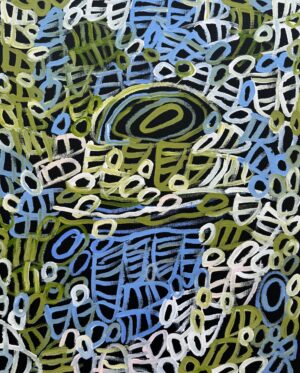
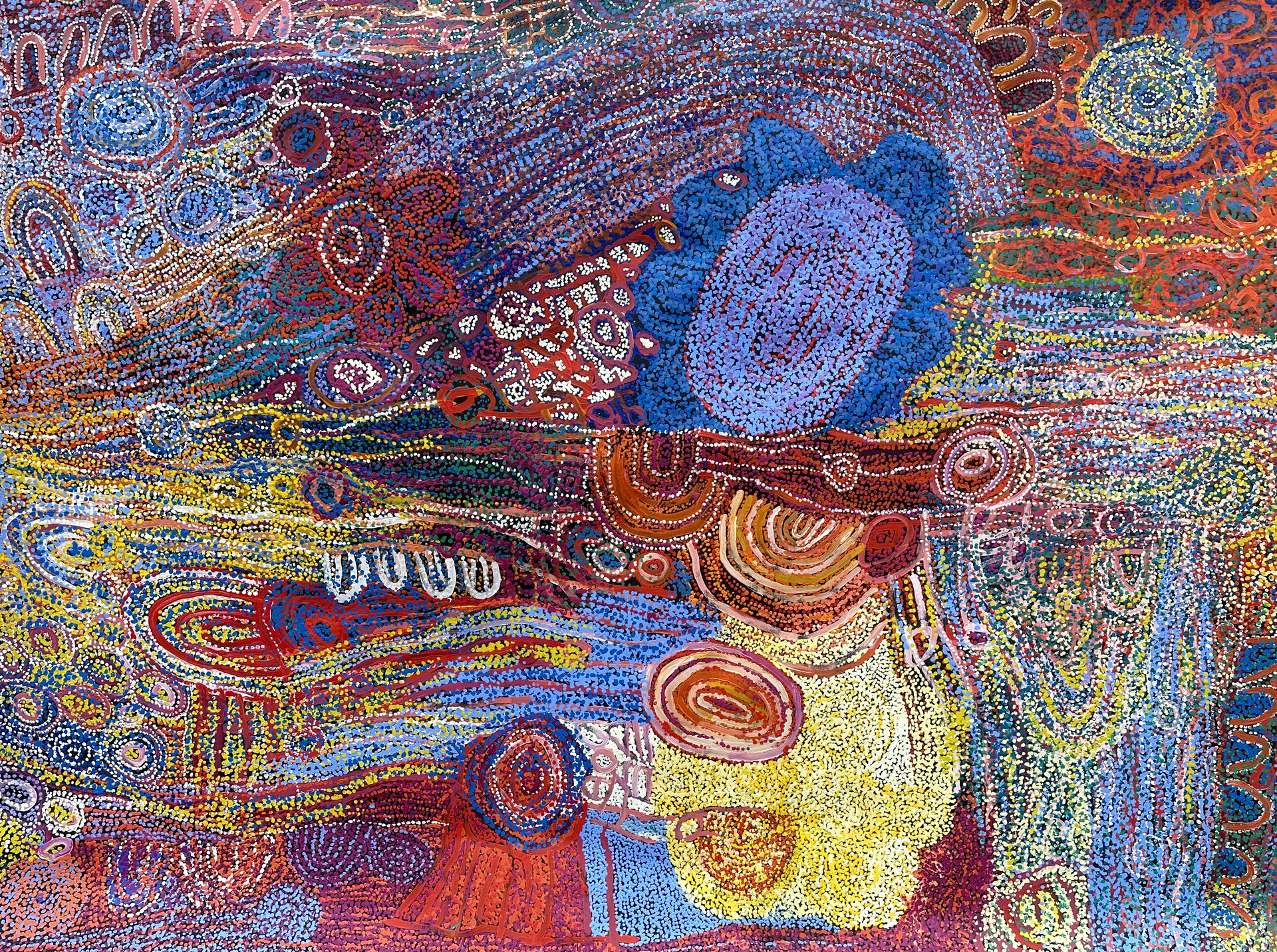
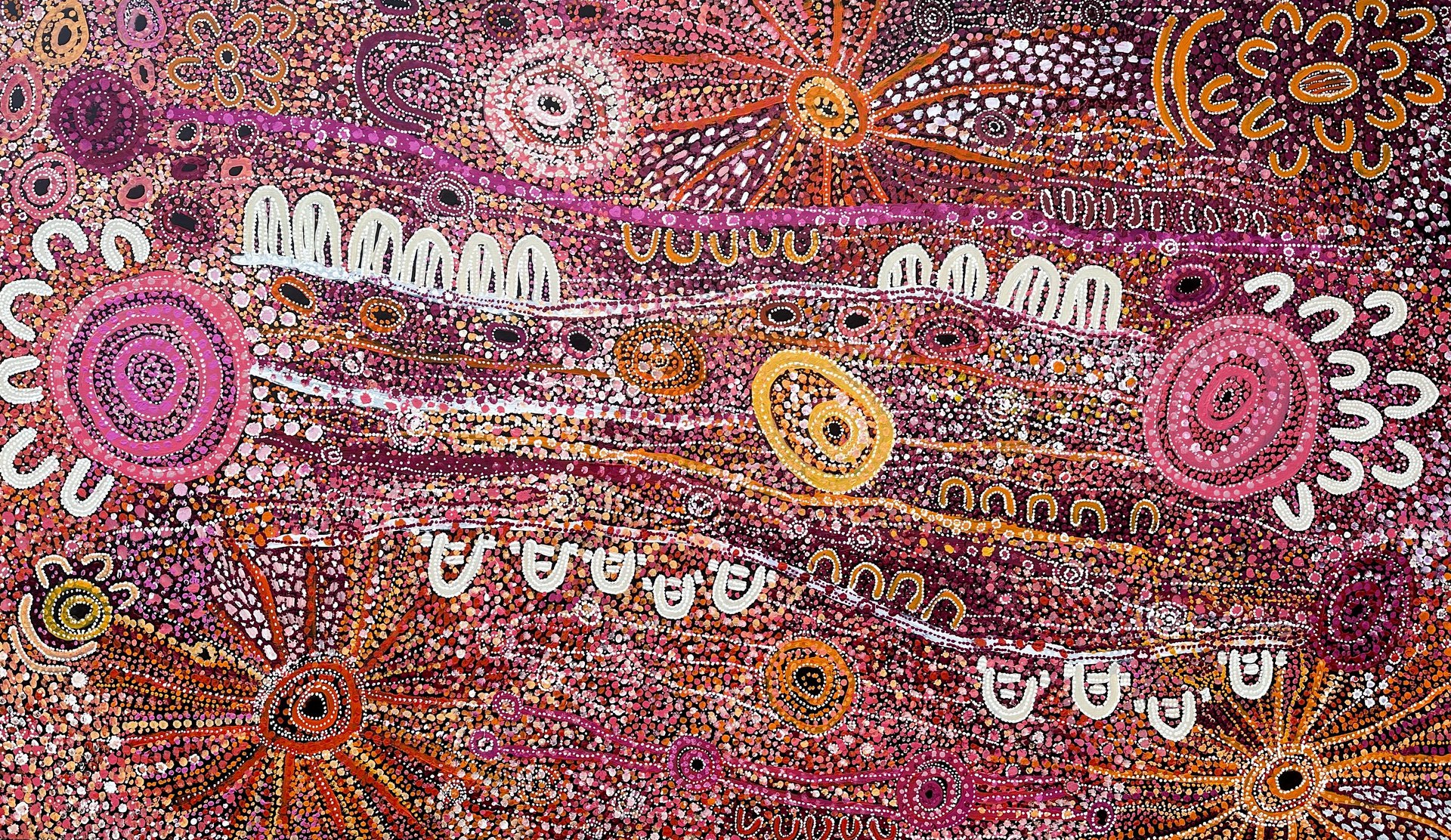
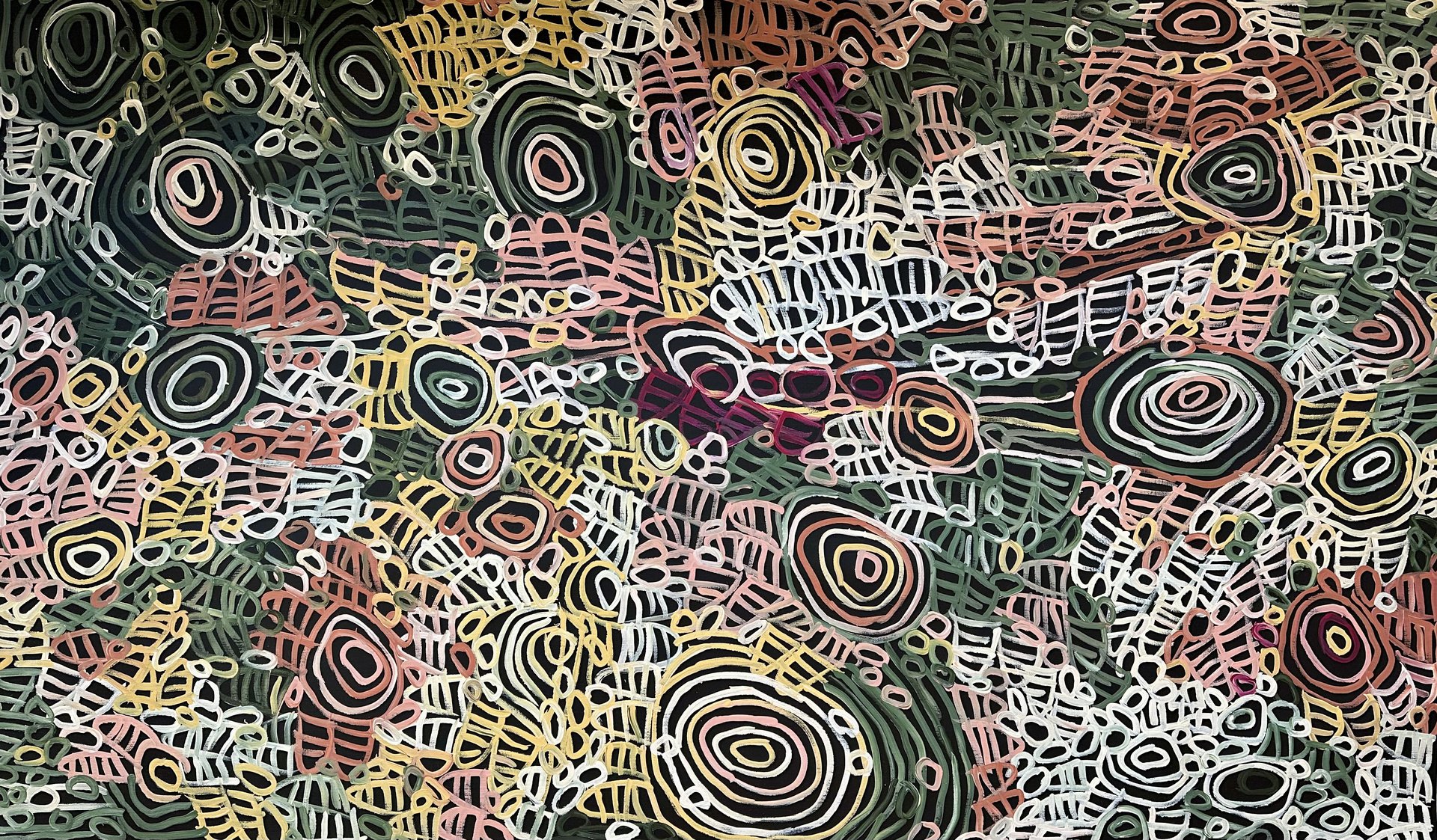
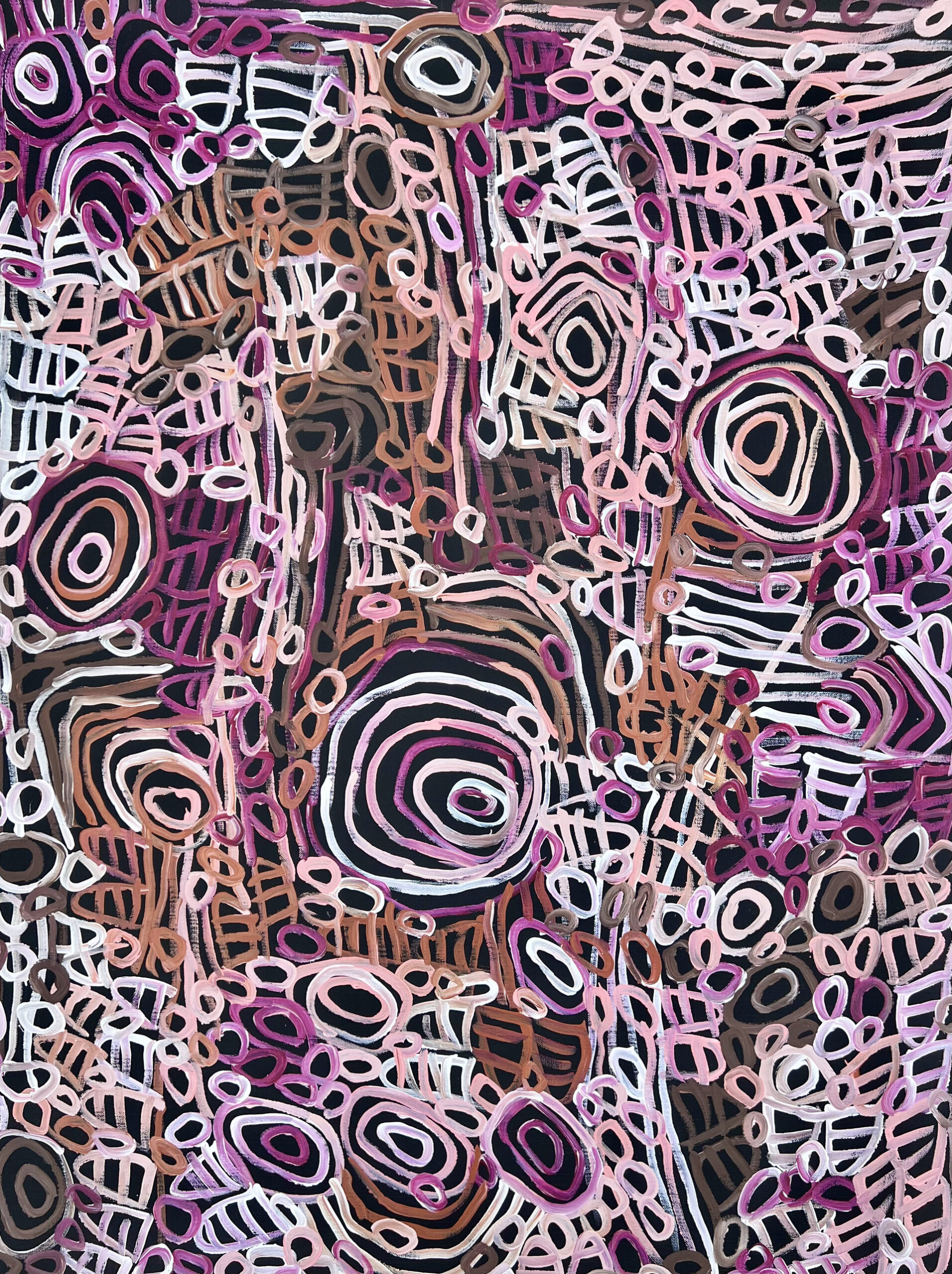
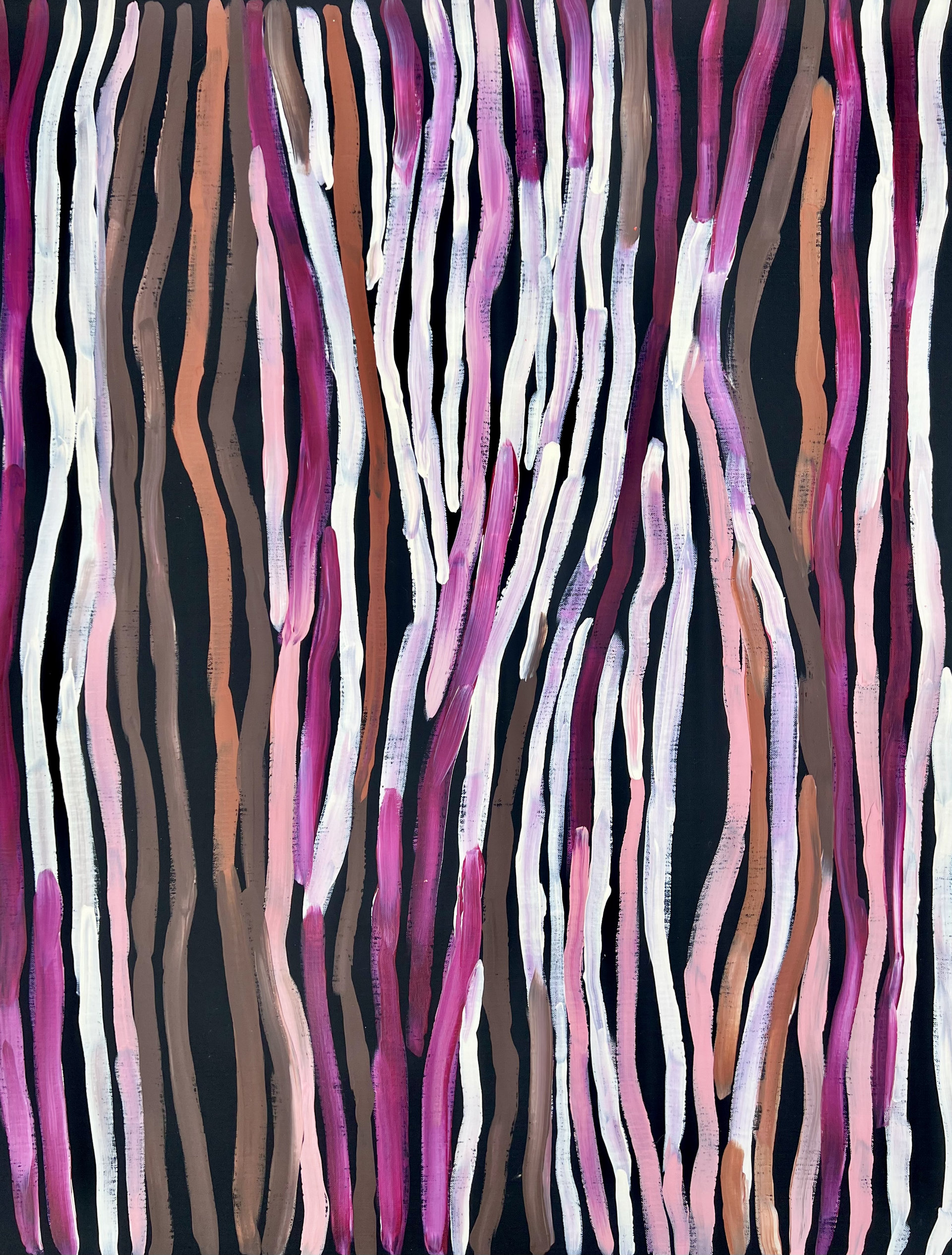
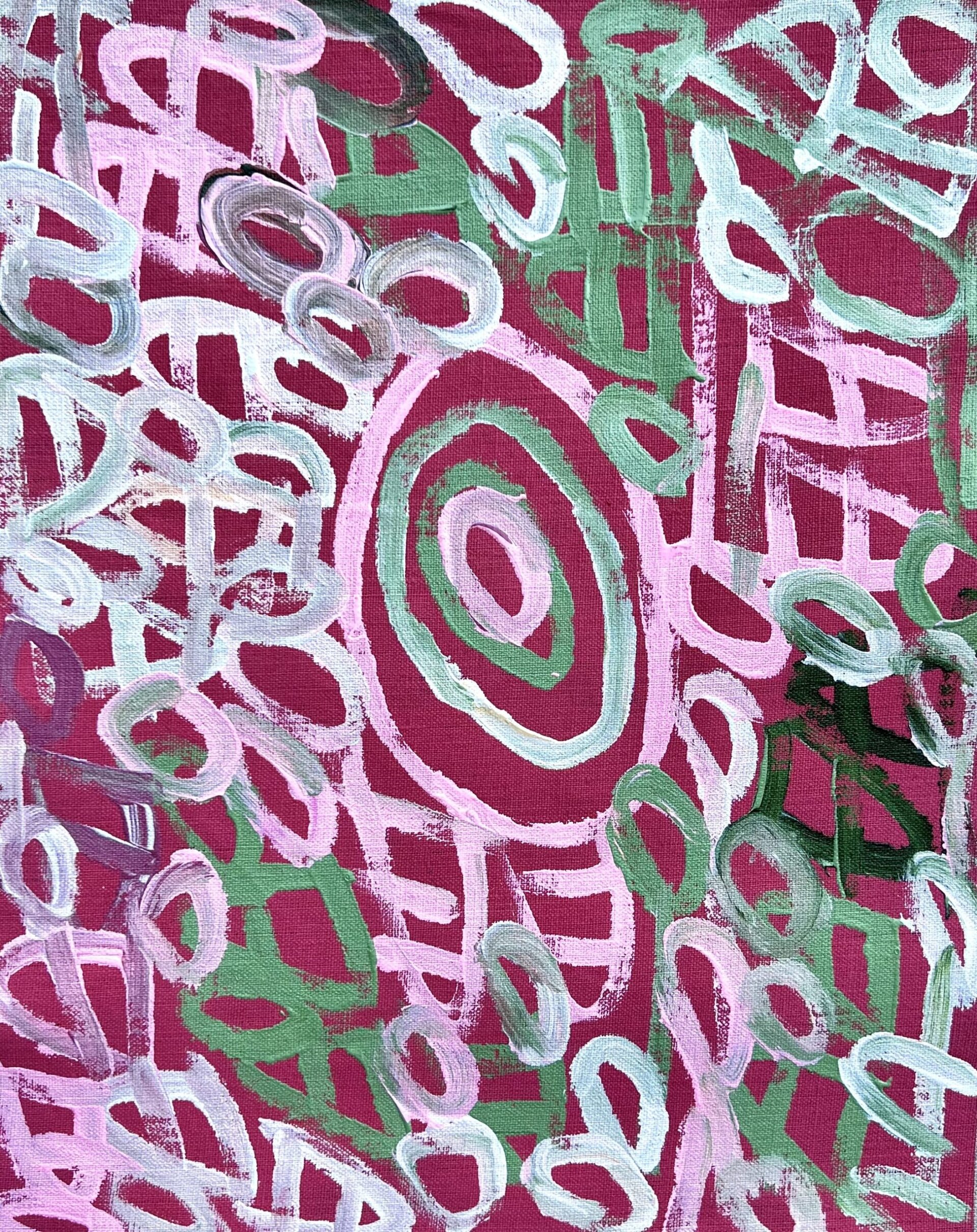
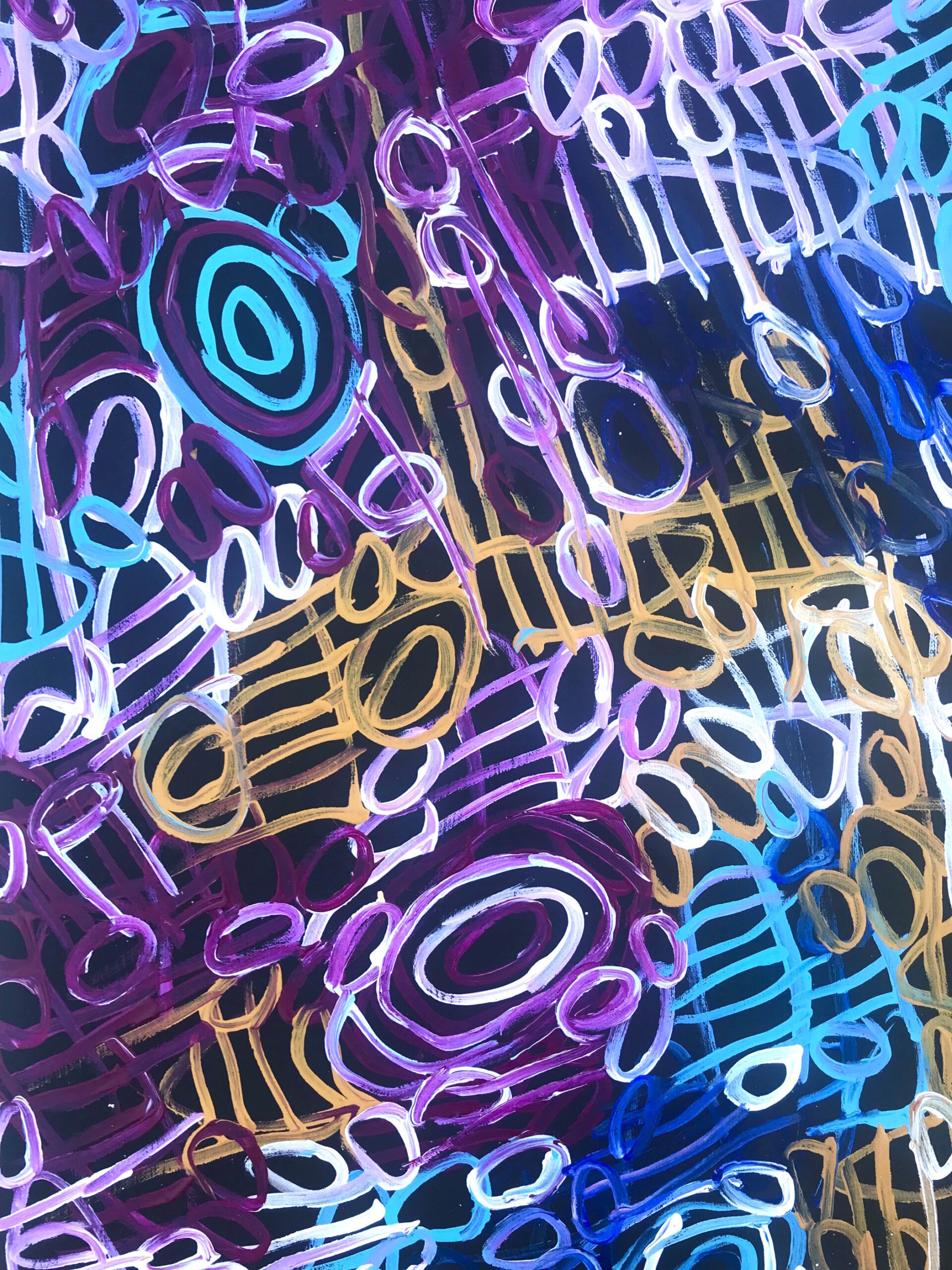
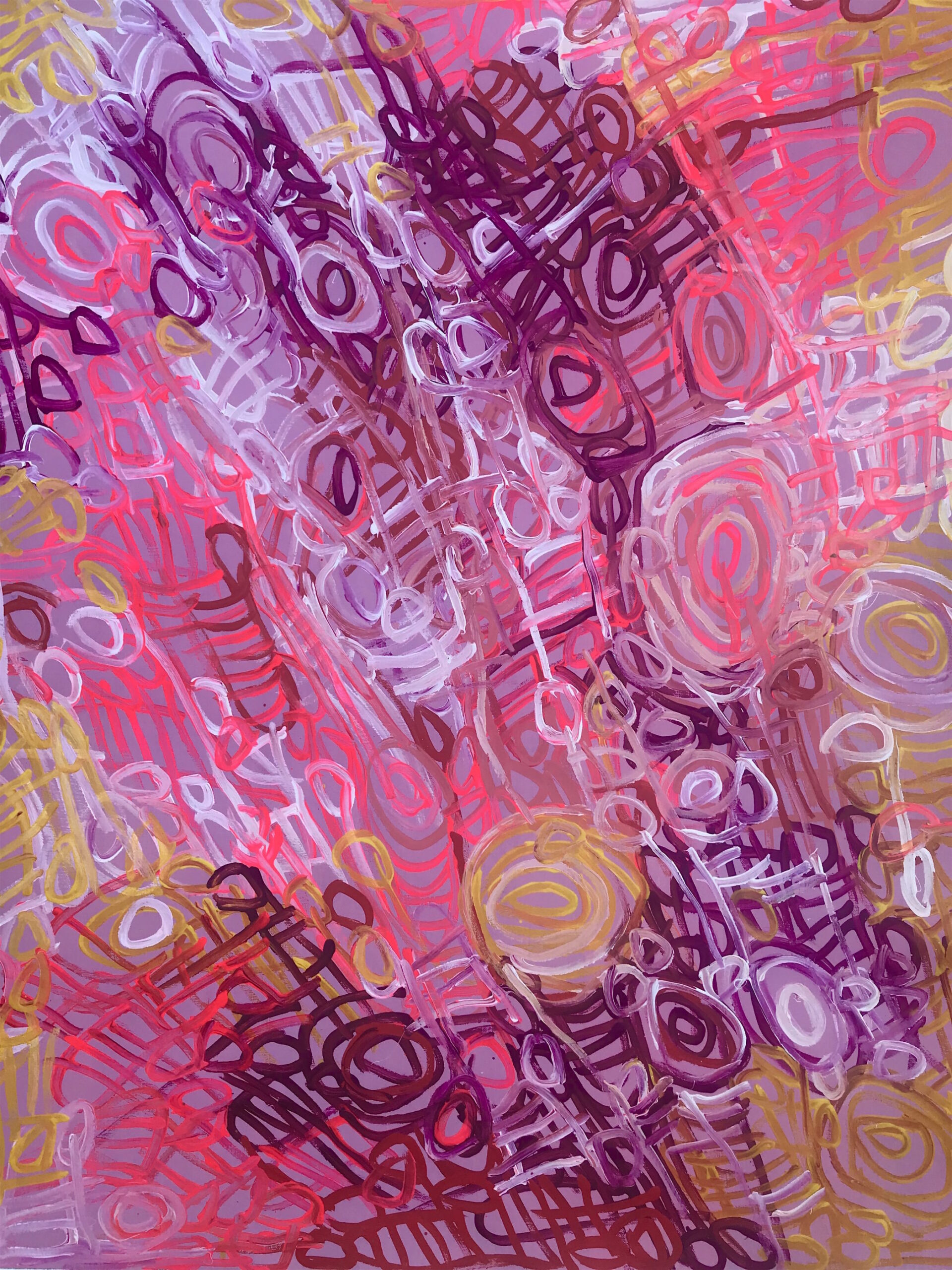
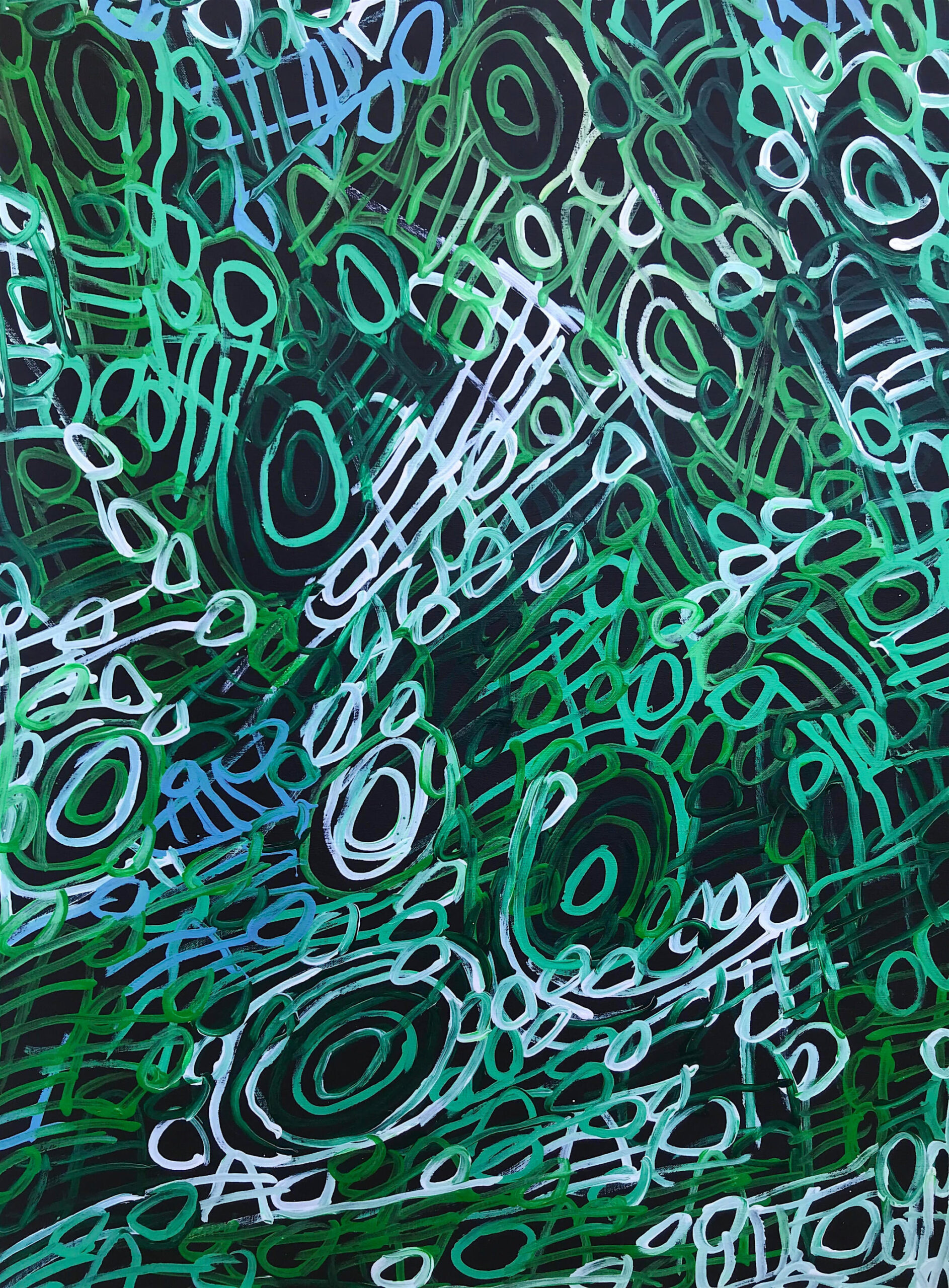
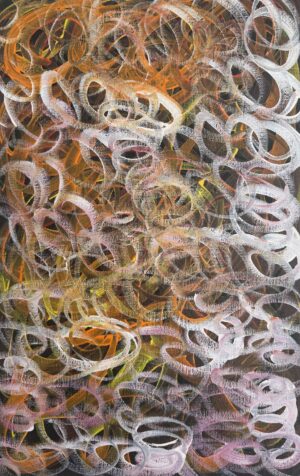
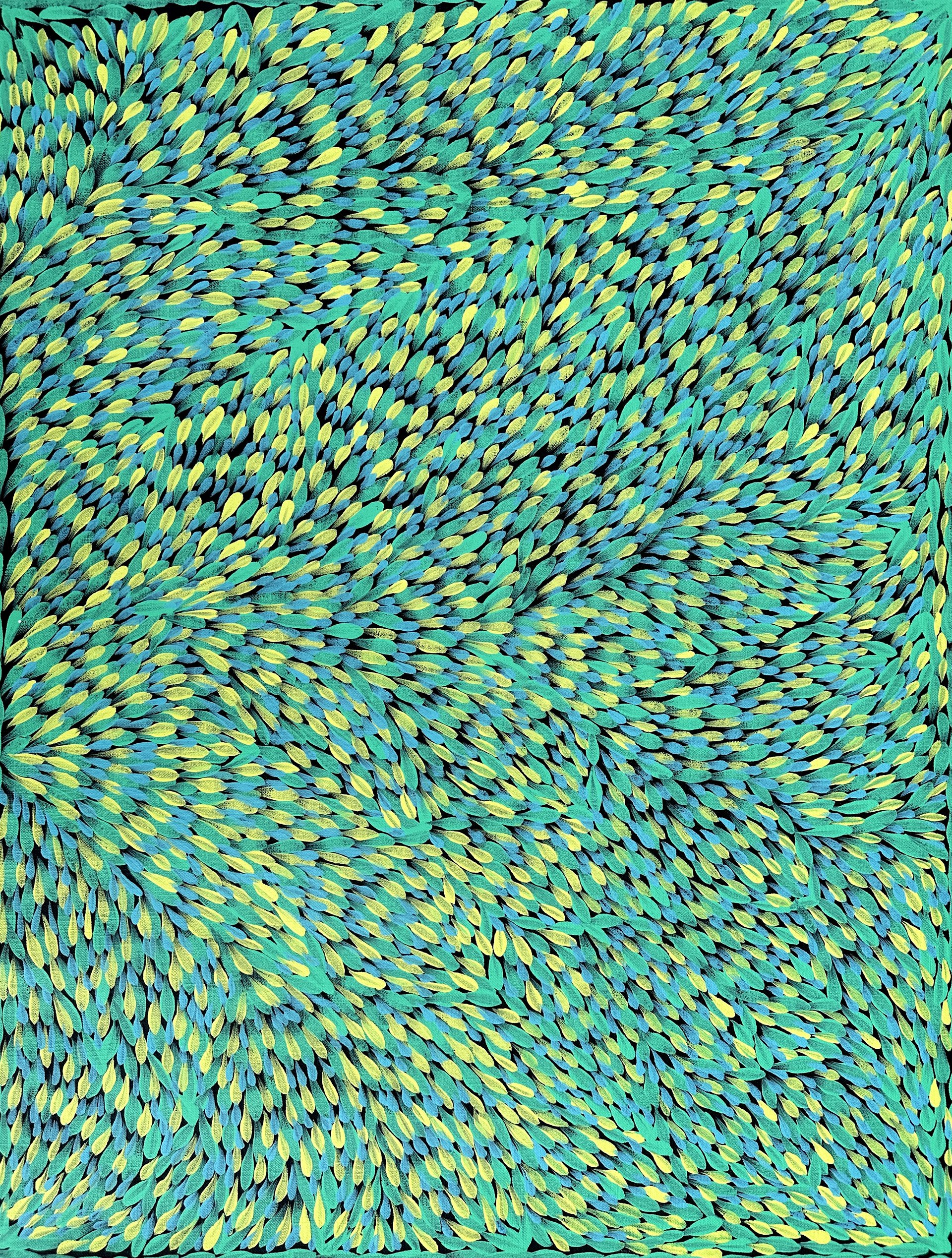
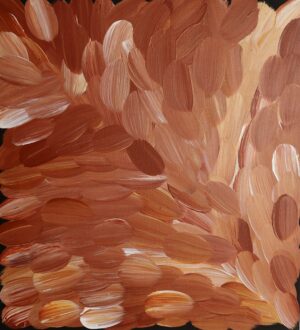
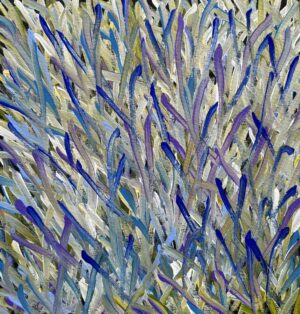
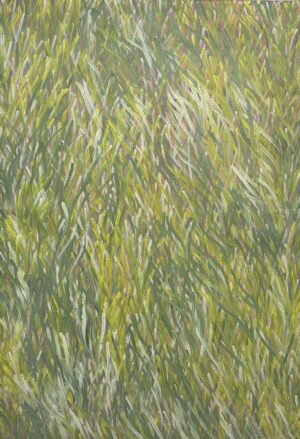
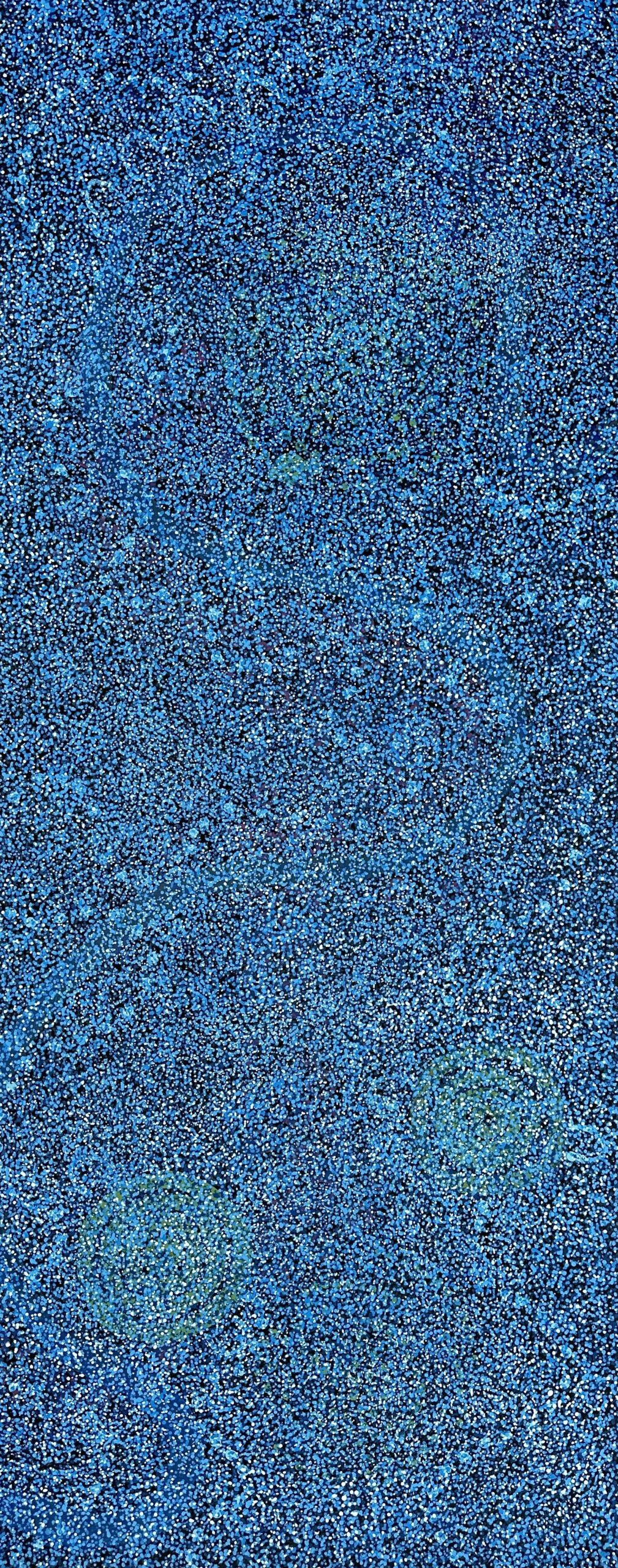
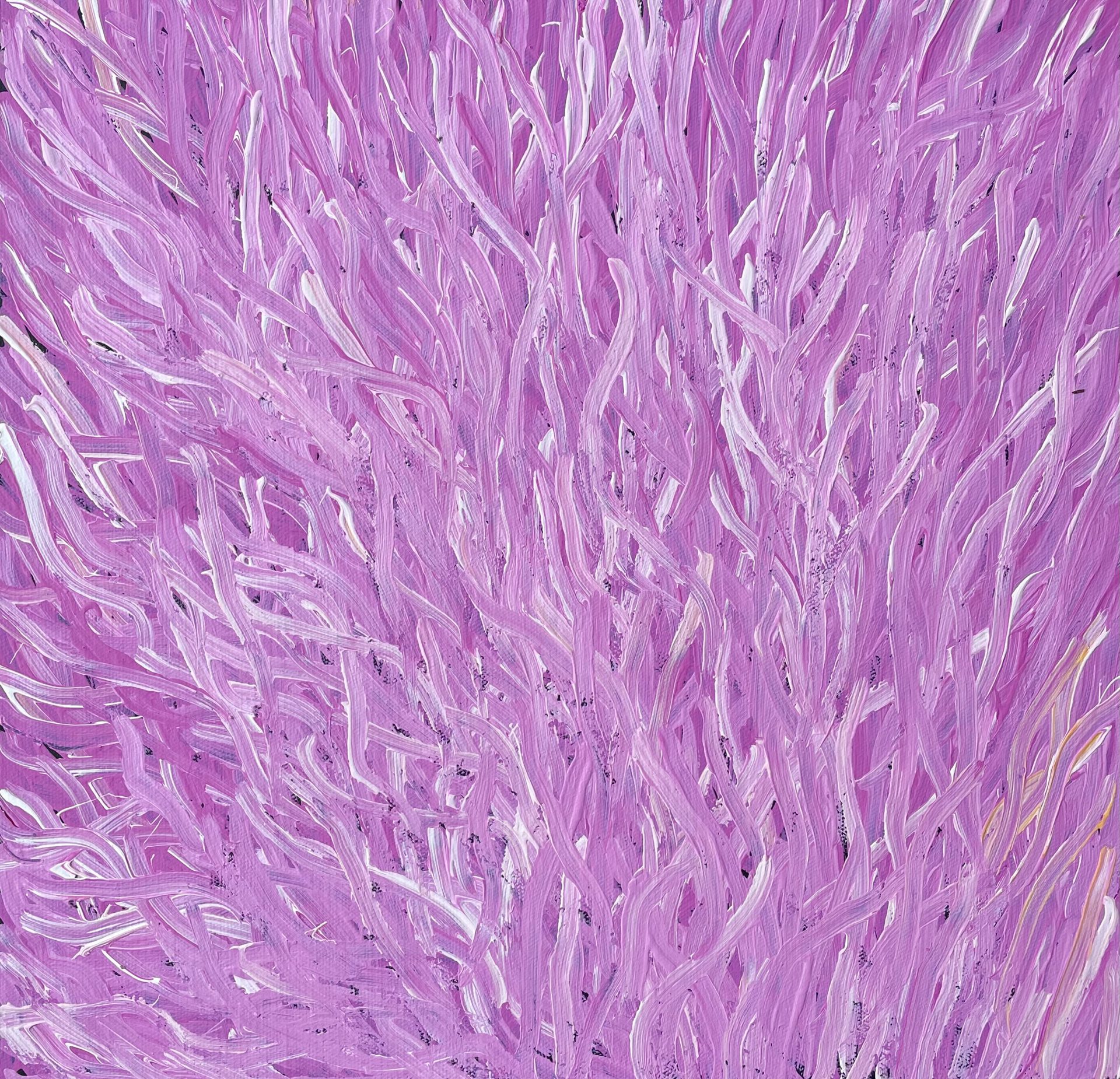
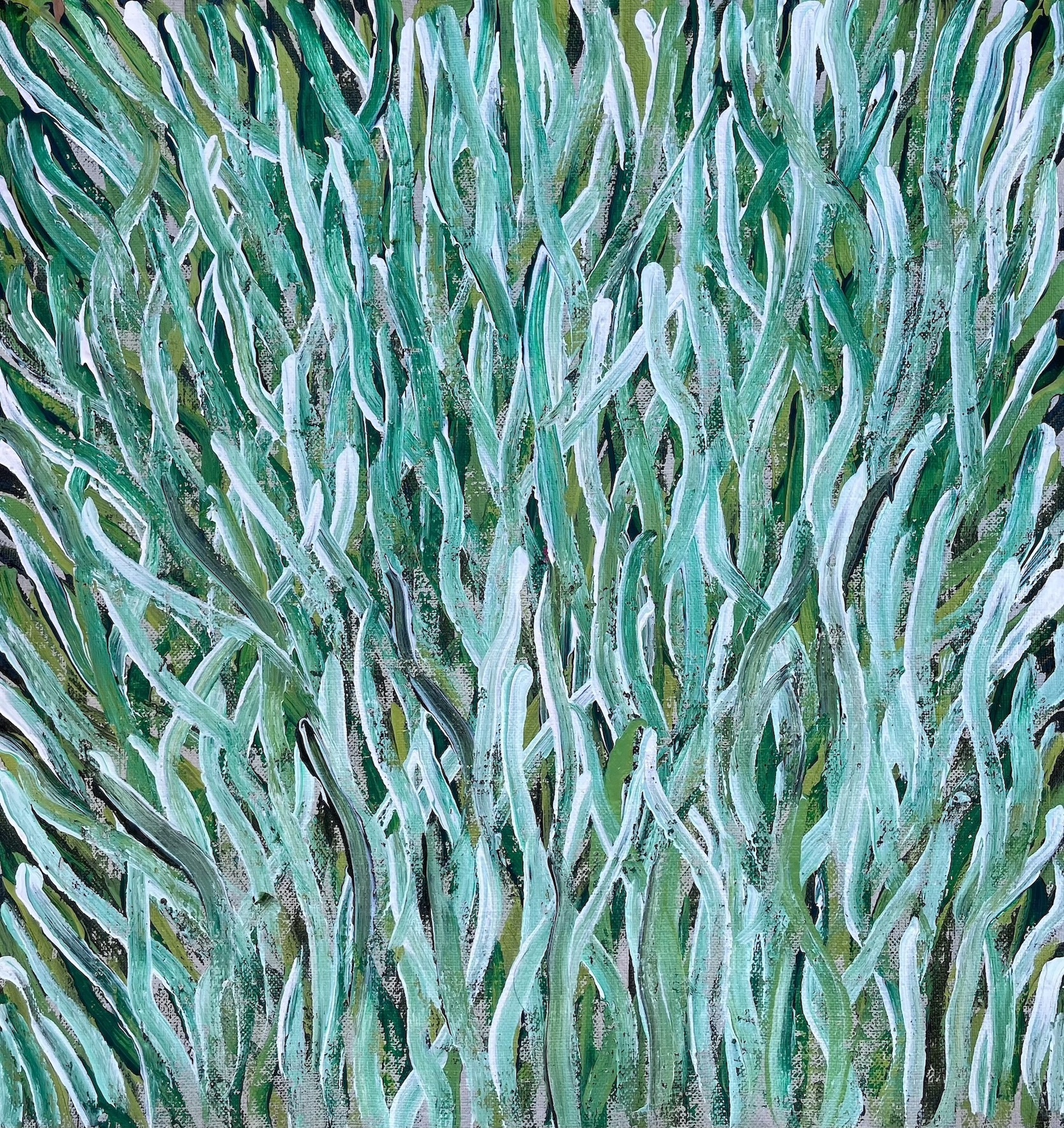
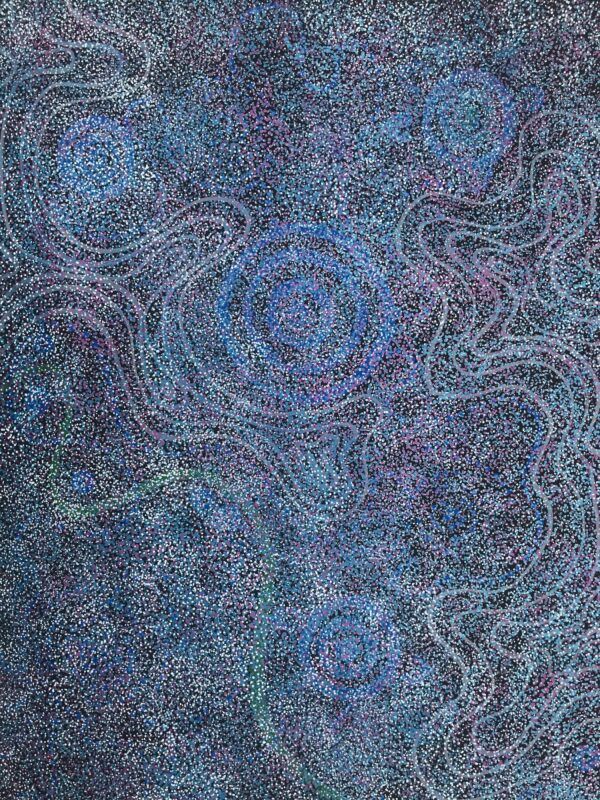
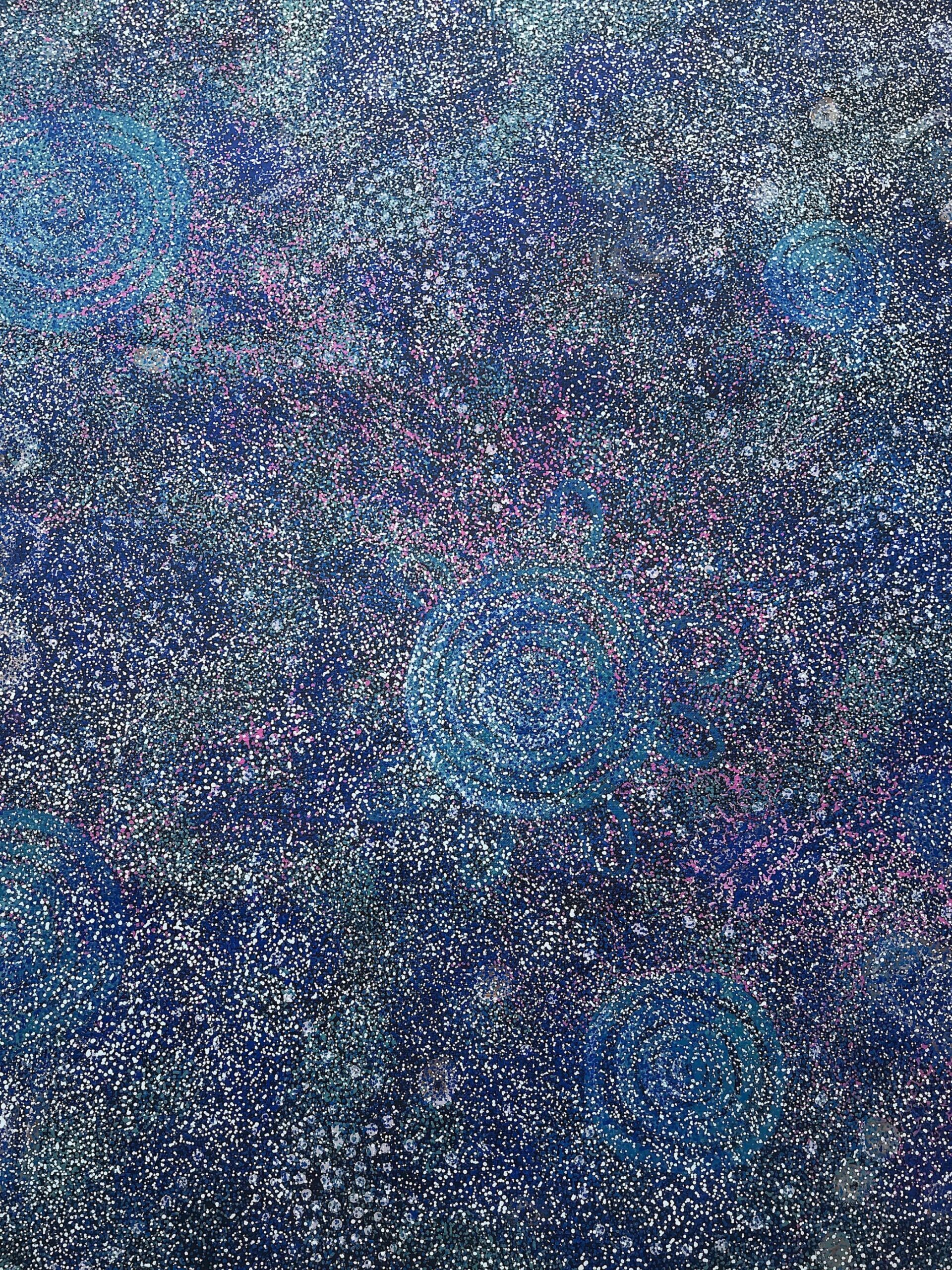
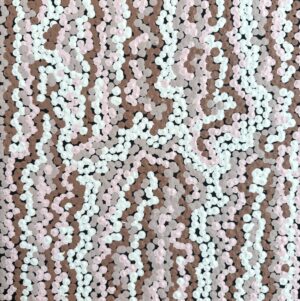
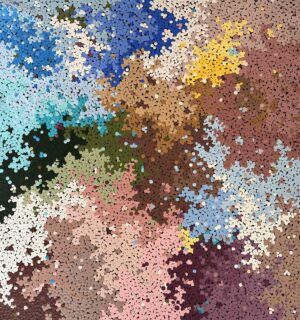
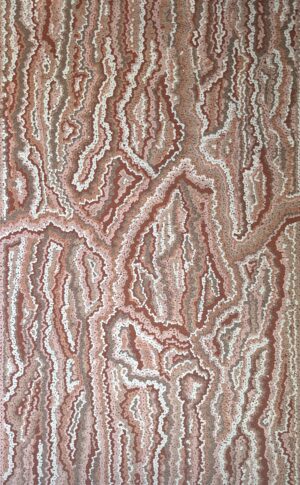
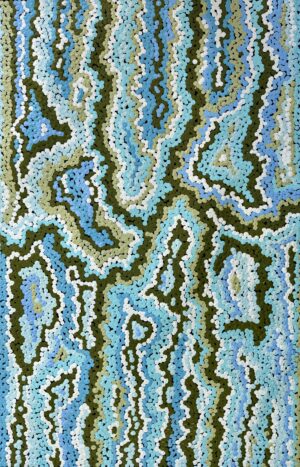
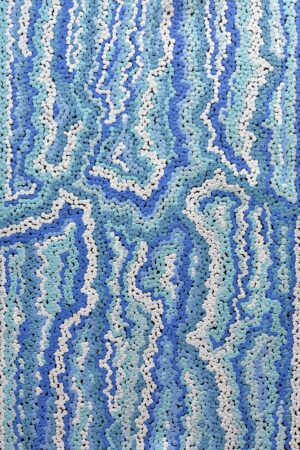
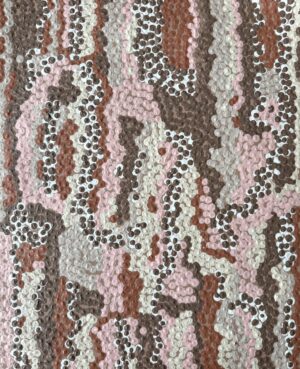
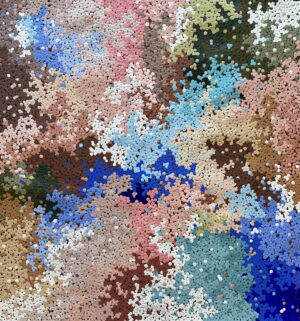
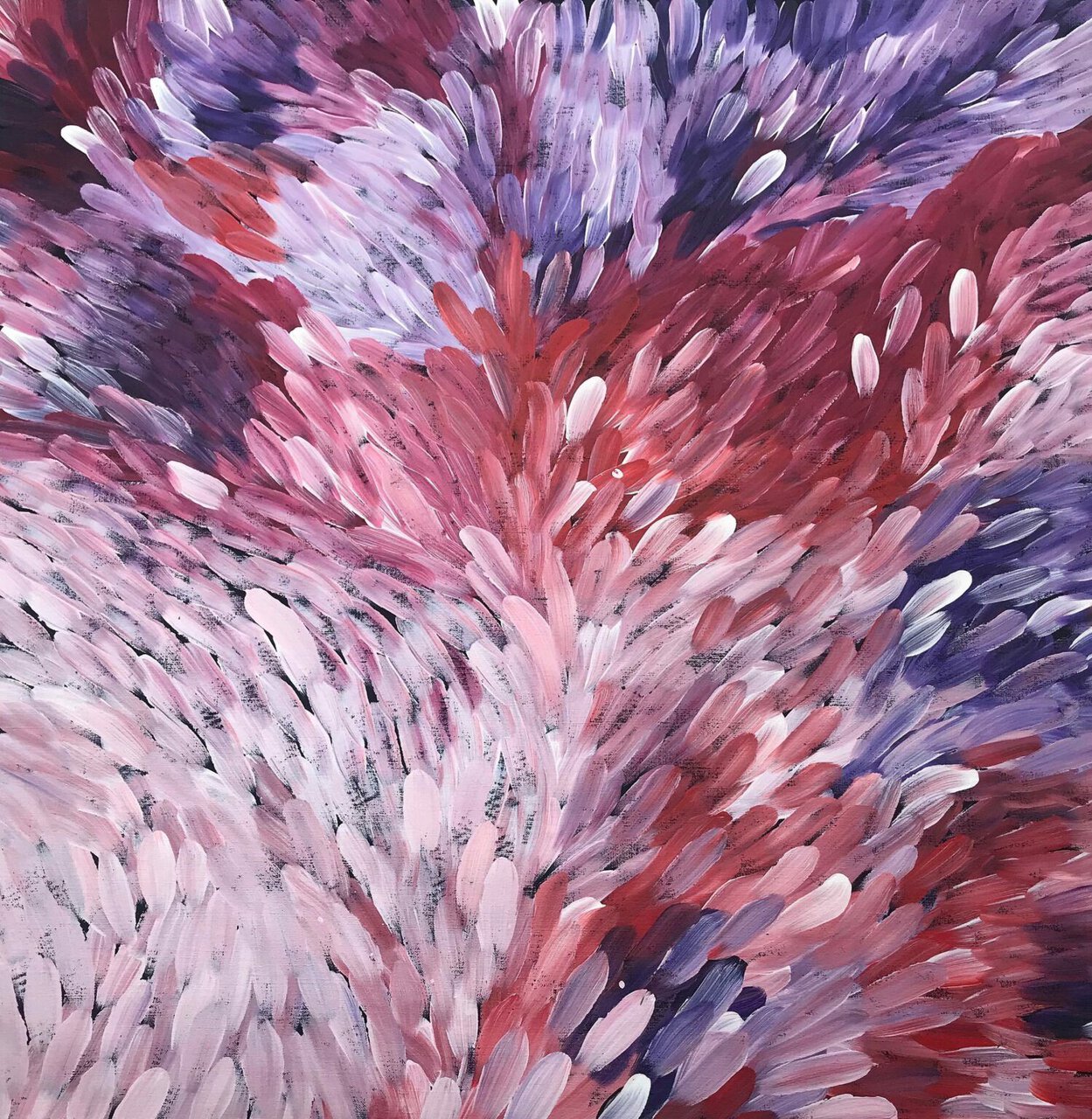
Gloria's work is instantly recognisable. Her best-known Dreamings are Mountain Devil Lizard, Bush Medicine and Aknangkere (or Atnangkere) Growth. Her Bush Medicine paintings, by far her most popular and widely collected body of work, depict the leaves of the Kurrajong, a native medicinal shrub Gloria, as a traditional healer herself, knew intimately. Rendered in sweeping, layered brushstrokes that scatter and drift across the canvas, this motif became one of the most recognisable visual languages in all of contemporary Aboriginal art. Her Mountain Devil Lizard Dreaming evolved distinctly across her career, from bold, linear ceremonial body-paint designs in her early work, to intricate three-dimensional dot fields in the early 1990s, to the swirling, circular forms she developed from 2003 onward, each iteration reflecting the changing colours of the lizard's skin as it camouflages against its Country.
In March 1999, Gloria was awarded the Wynne Prize for landscape painting at the Art Gallery of New South Wales, becoming the first Aboriginal Australian artist in the prize's history to receive it. It remains one of the most significant individual achievements by any artist connected to the Utopia movement. That same period, Australian Art Collector magazine named her among the nation's most collectable artists, and by 2014 her overall ranking on the Australian Indigenous art market sat at 13 nationally - remarkable standing for an artist working in a field with so many significant names.
Gloria's influence didn't end with her passing in 2021. Her work has continued to be selected for major institutional exhibitions in the years since, including Connection: Songlines from Australia's First Peoples at the National Museum of Australia in 2022, which later travelled to The Lume in Melbourne in 2024, and Motorbike Paddy, Emily Kame Kngwarreye and the Wonders of Utopia at Rebecca Hossack Gallery, London, in 2025, a testament to how central her work remains to the story of the Utopia movement, alongside her sister artists Emily Kame Kngwarreye, Minnie Pwerle and Barbara Weir.
Gloria Petyarre's work sits within the same close family and community history that runs through Pwerle Gallery's entire collection. DACOU - the Dreaming Art Centre of Utopia, established in 1993 by Fred Torres and his mother Barbara Weir, was one of the galleries most closely connected to Gloria's own community across her career, presenting her work through solo and group exhibitions for over two decades and contributing directly to the international recognition she achieved.
Buying Gloria's work through Pwerle Gallery means buying through a family with a genuine, decades-long connection to the community she painted from - not a secondary market removed from where her work, and her story, actually began.
Original works by Gloria Petyarre are available to view and purchase through Pwerle Gallery, by private appointment. Every piece is sold with full, direct family provenance.
Enquire about available works | Book a private viewing | hello@pwerle.com.au