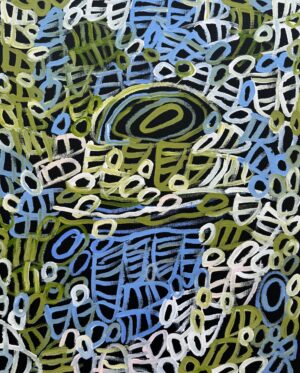
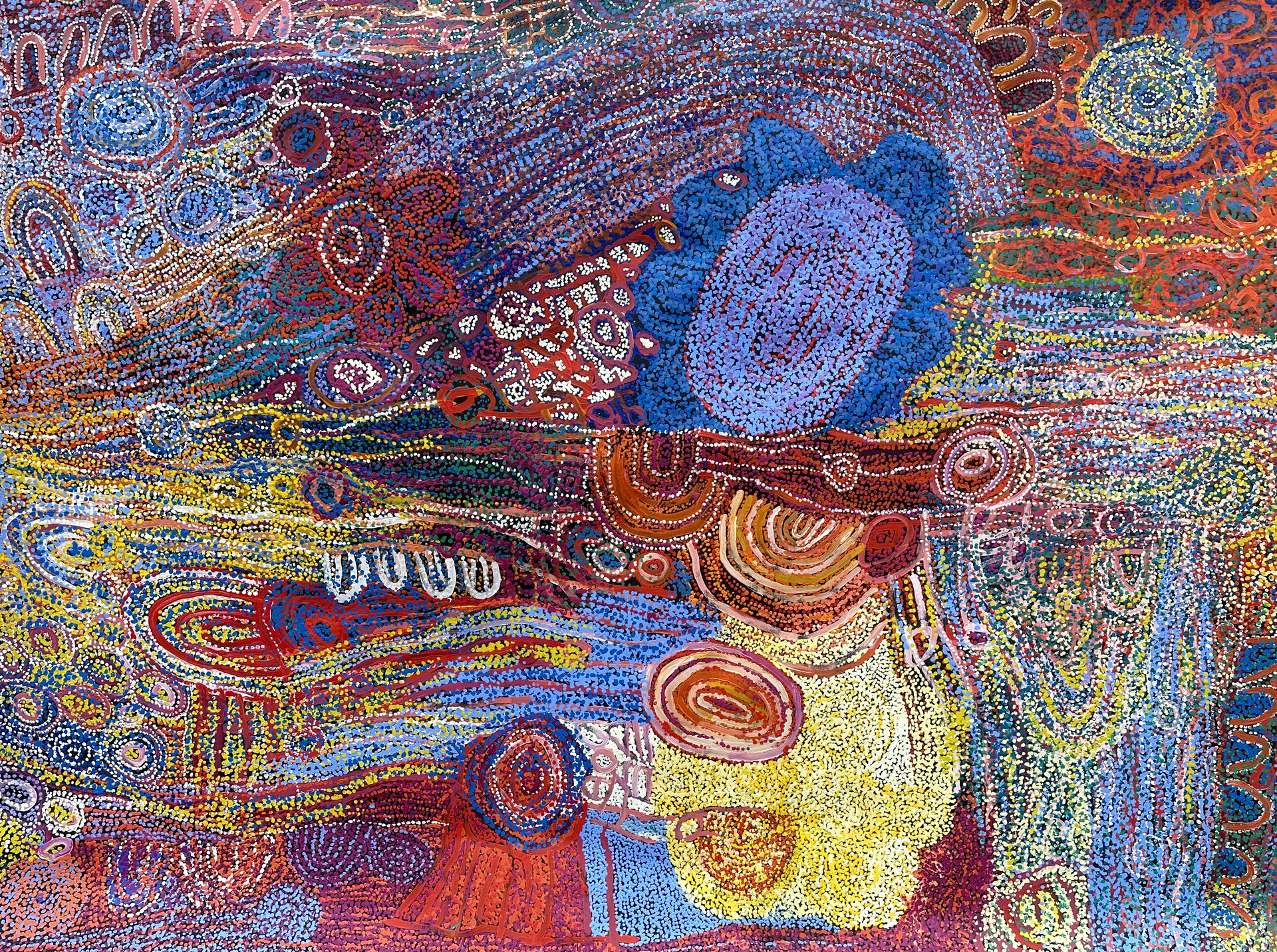
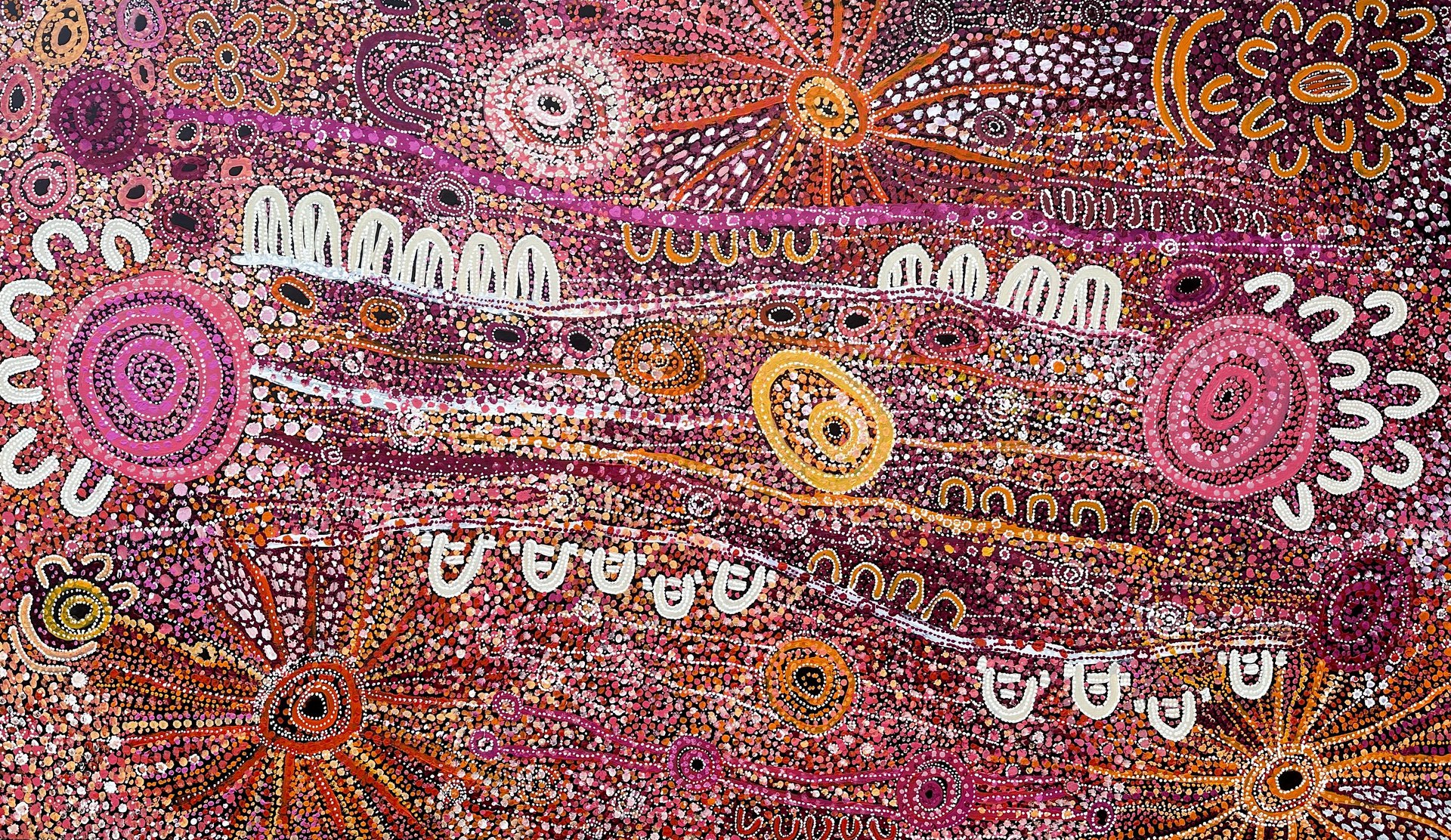
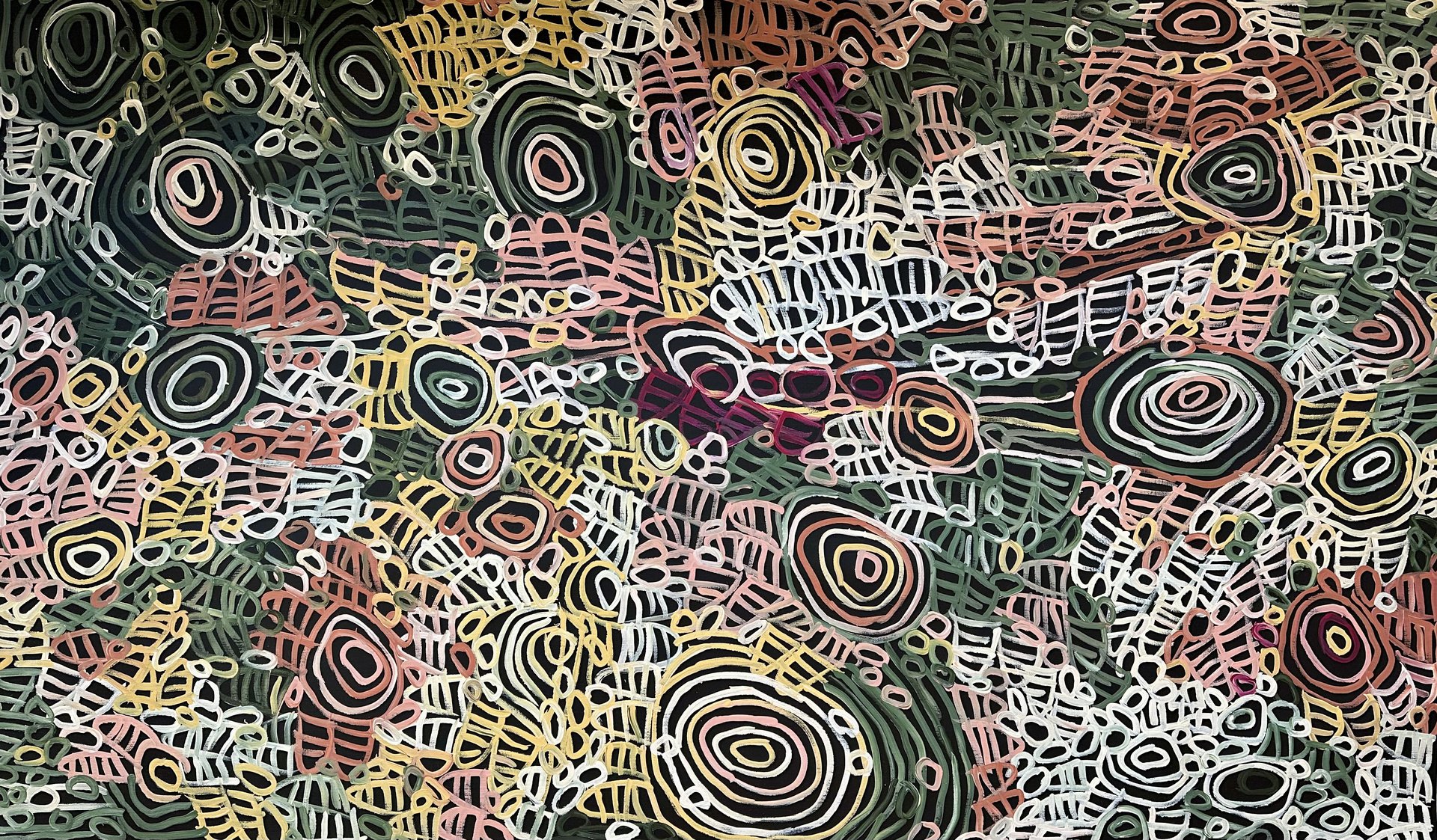
The Dreamtime
People often ask us what the Dreaming actually is. It's not an easy thing to explain in a few sentences, because it isn't a story in the way a book has a story, it's everything. For Aboriginal people, the Dreaming, sometimes called the Dreamtime, is the foundation of spiritual life, connection to Country, and the right way to live as central to us as any major religion is to anyone else in the world.
What the Dreaming Actually Means
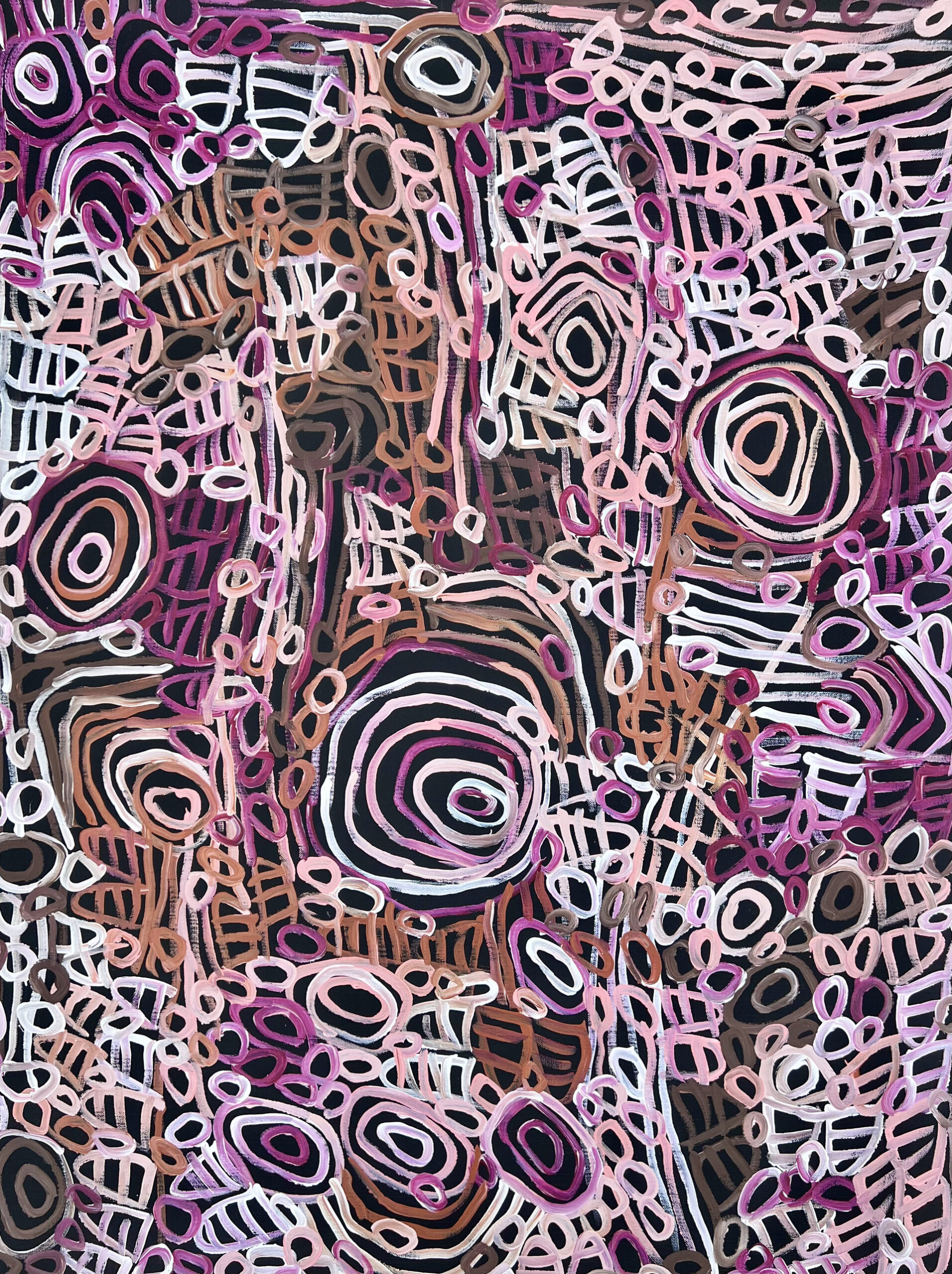
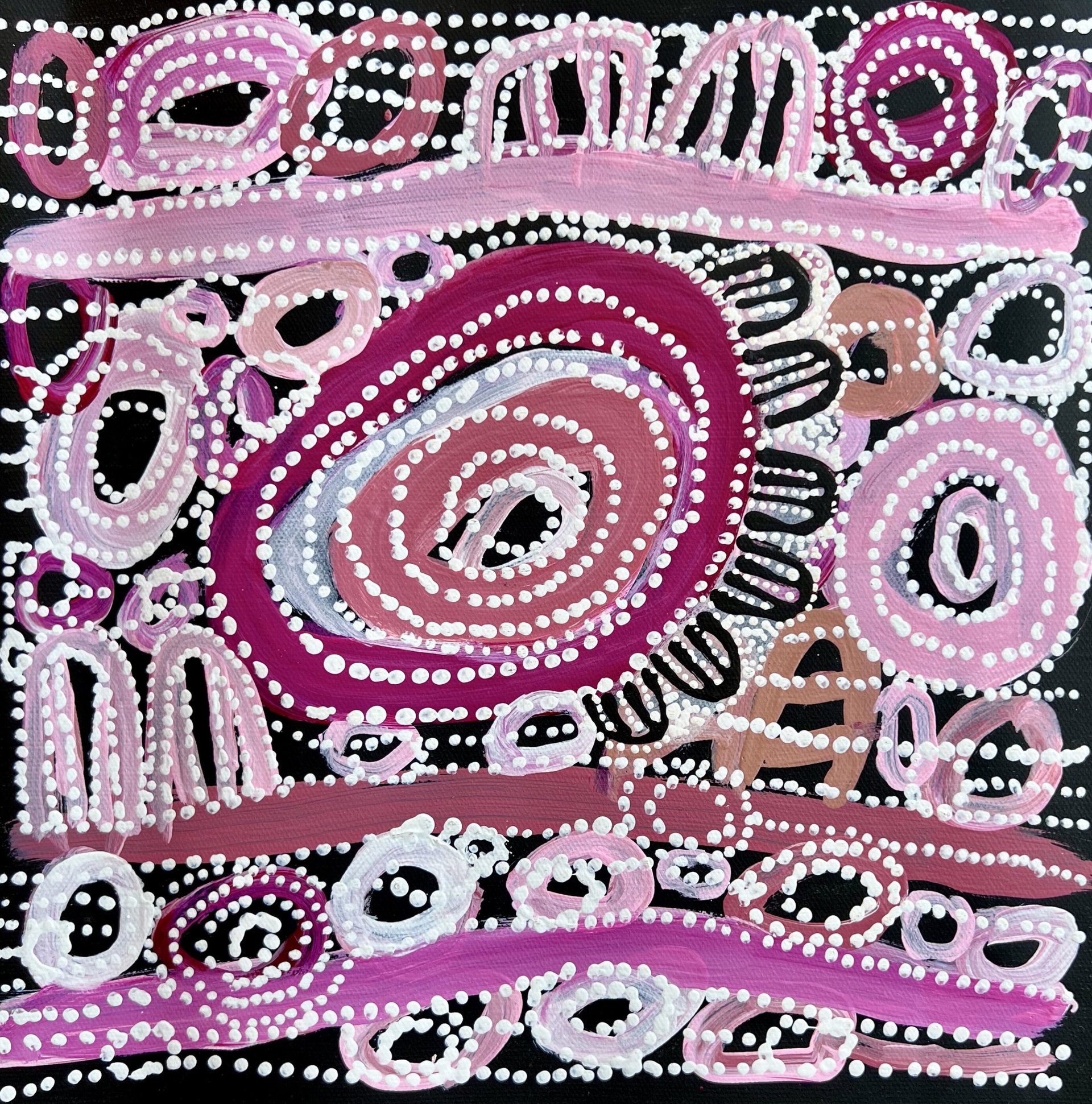
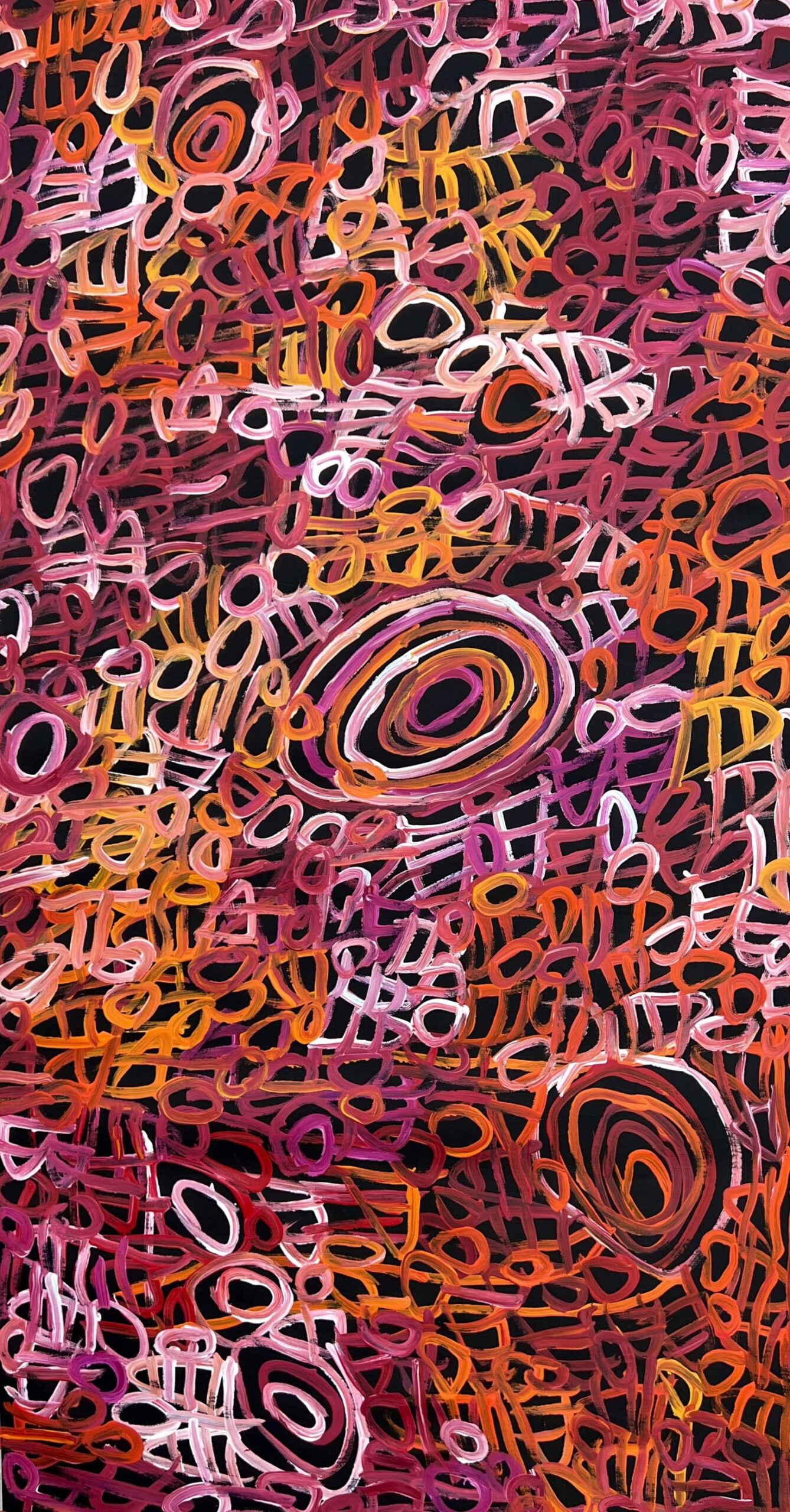
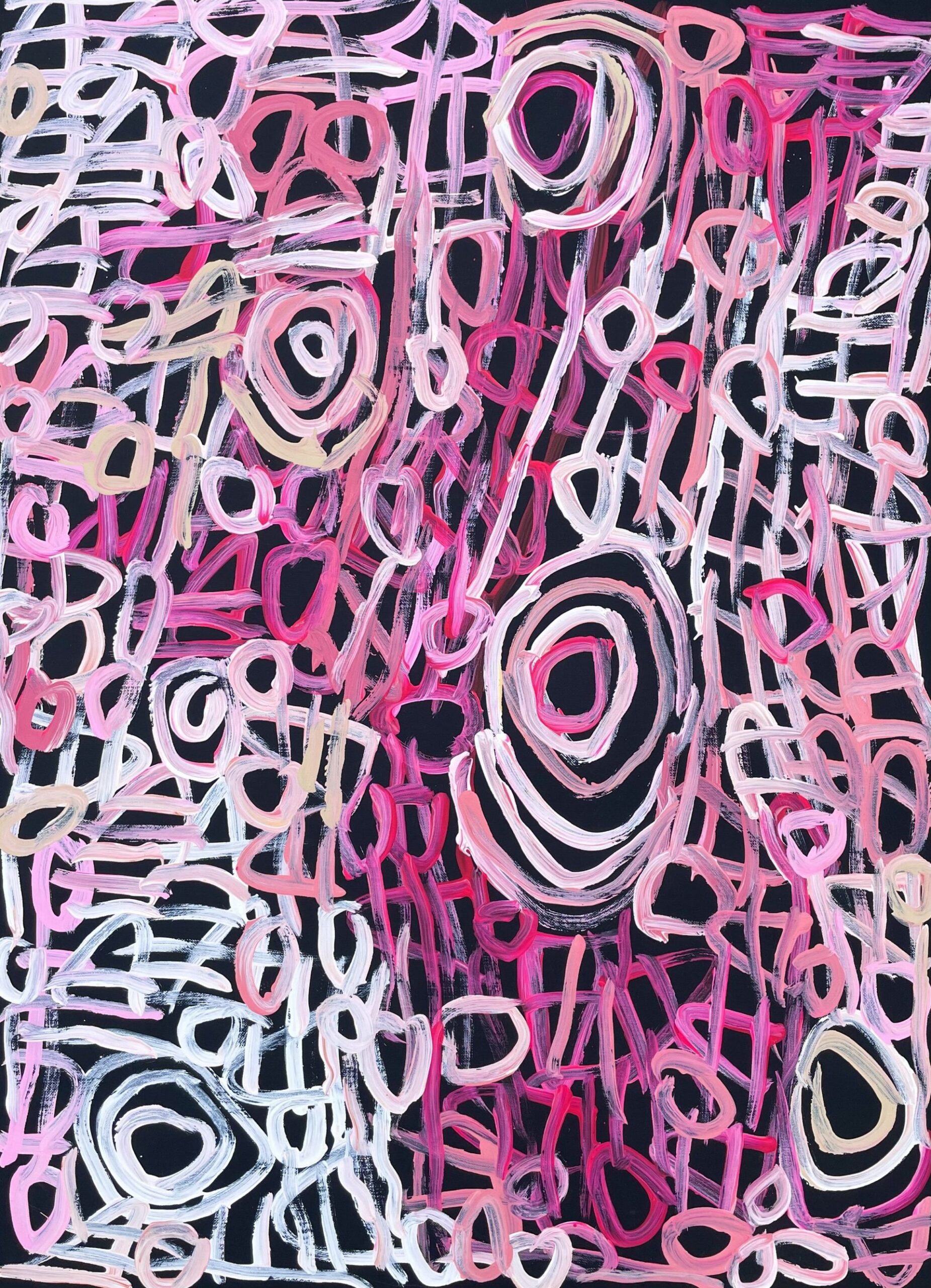
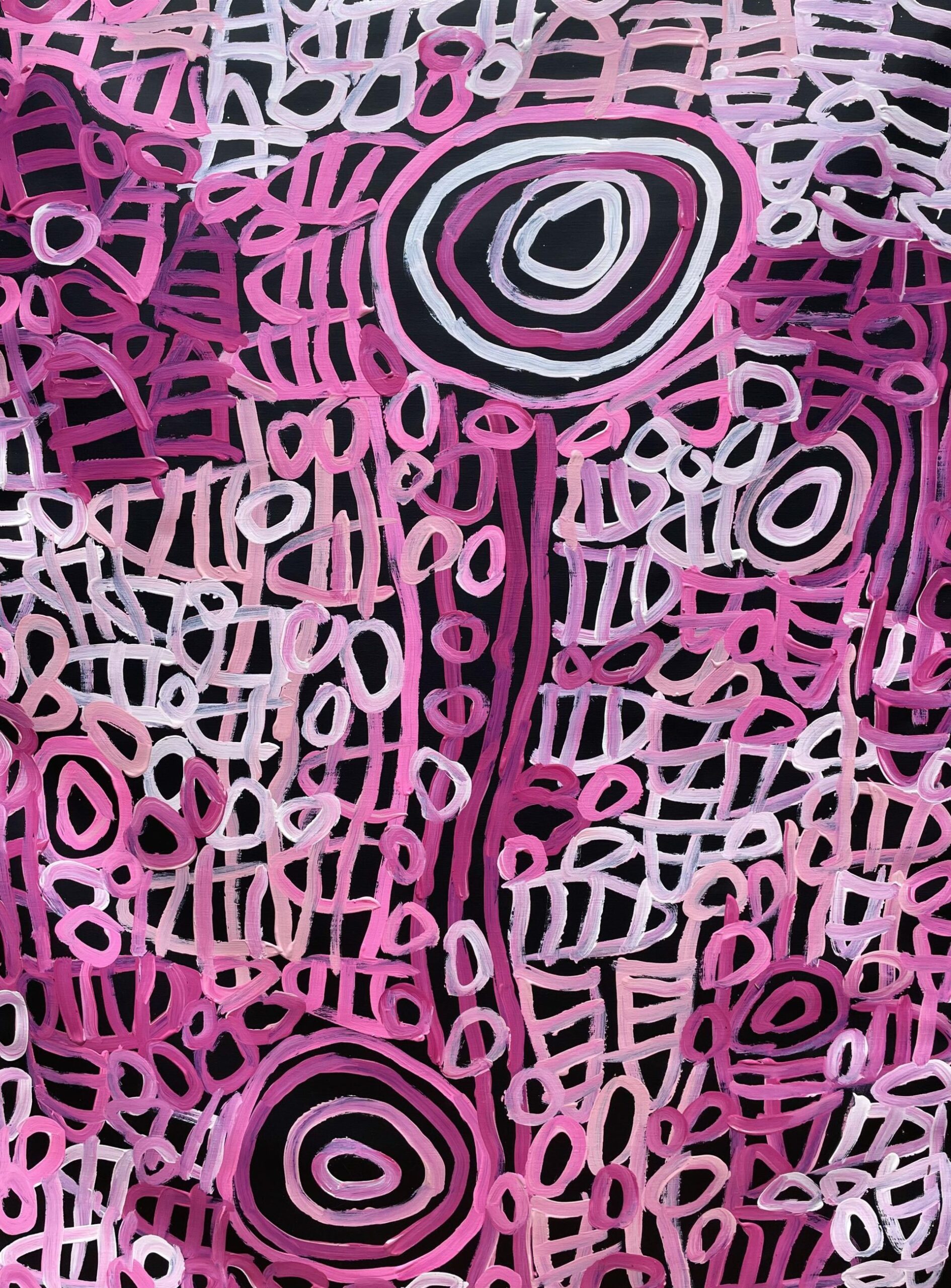
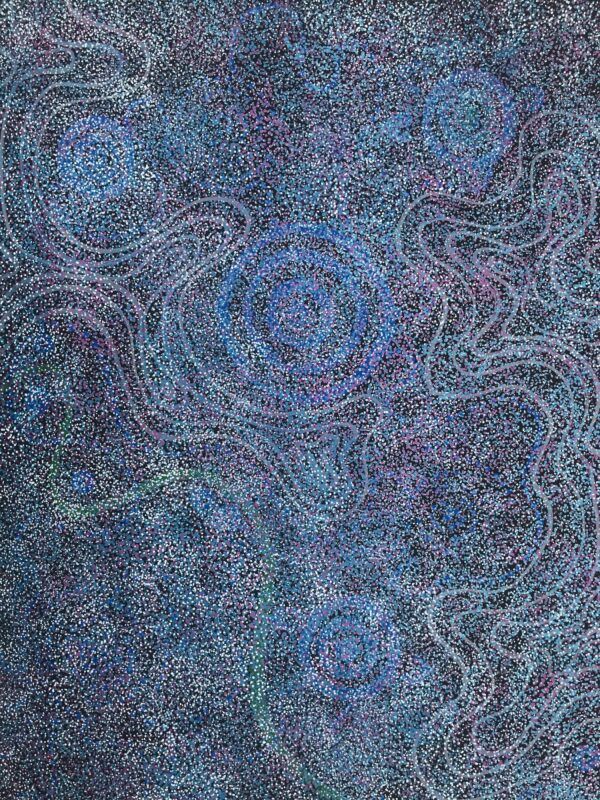
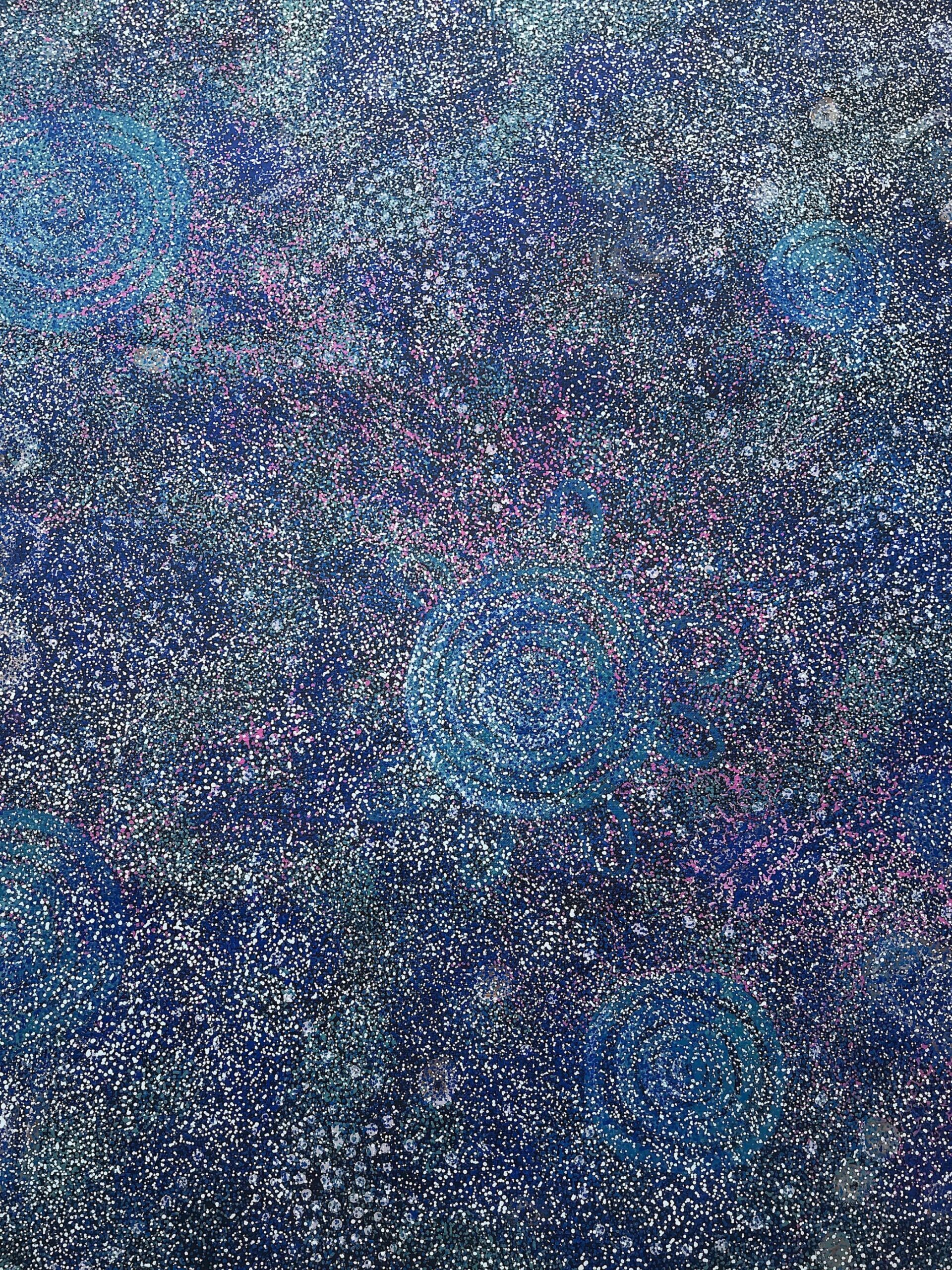
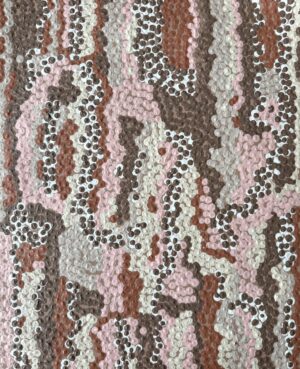
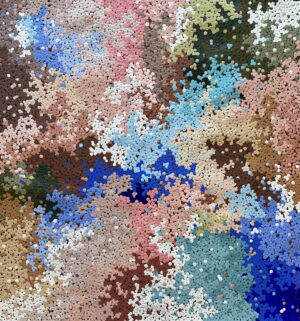
The Dreaming refers to the time of creation - a time beyond living memory, when ancestral beings moved across the land in human, animal, plant and insect form. As they travelled, they shaped the world as it exists today: the rivers, the hills, the waterholes, the rock formations. Everything in the landscape carries a story from that creation time, and those ancestors are the source of the symbols, designs and sacred knowledge that Aboriginal people still hold today.
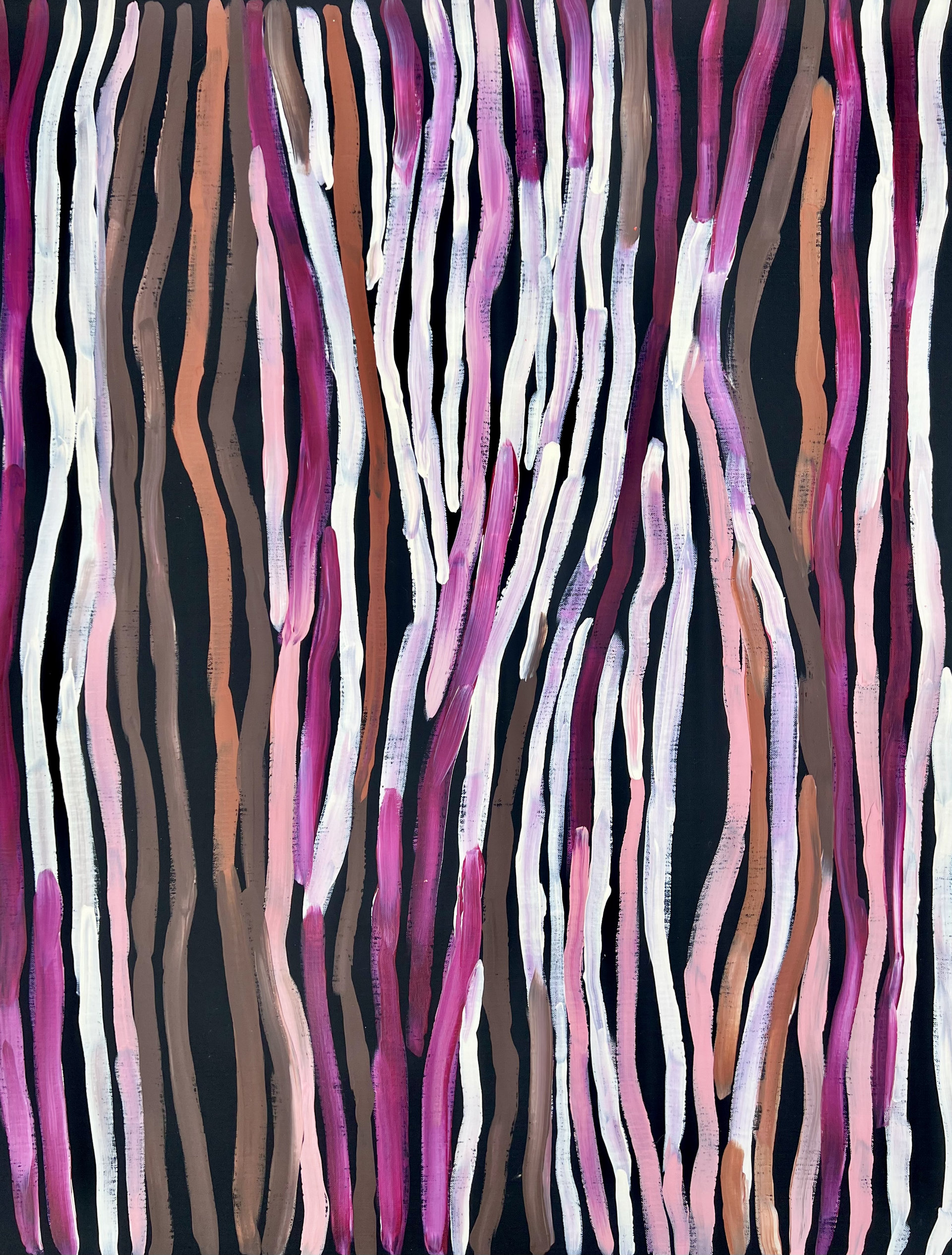
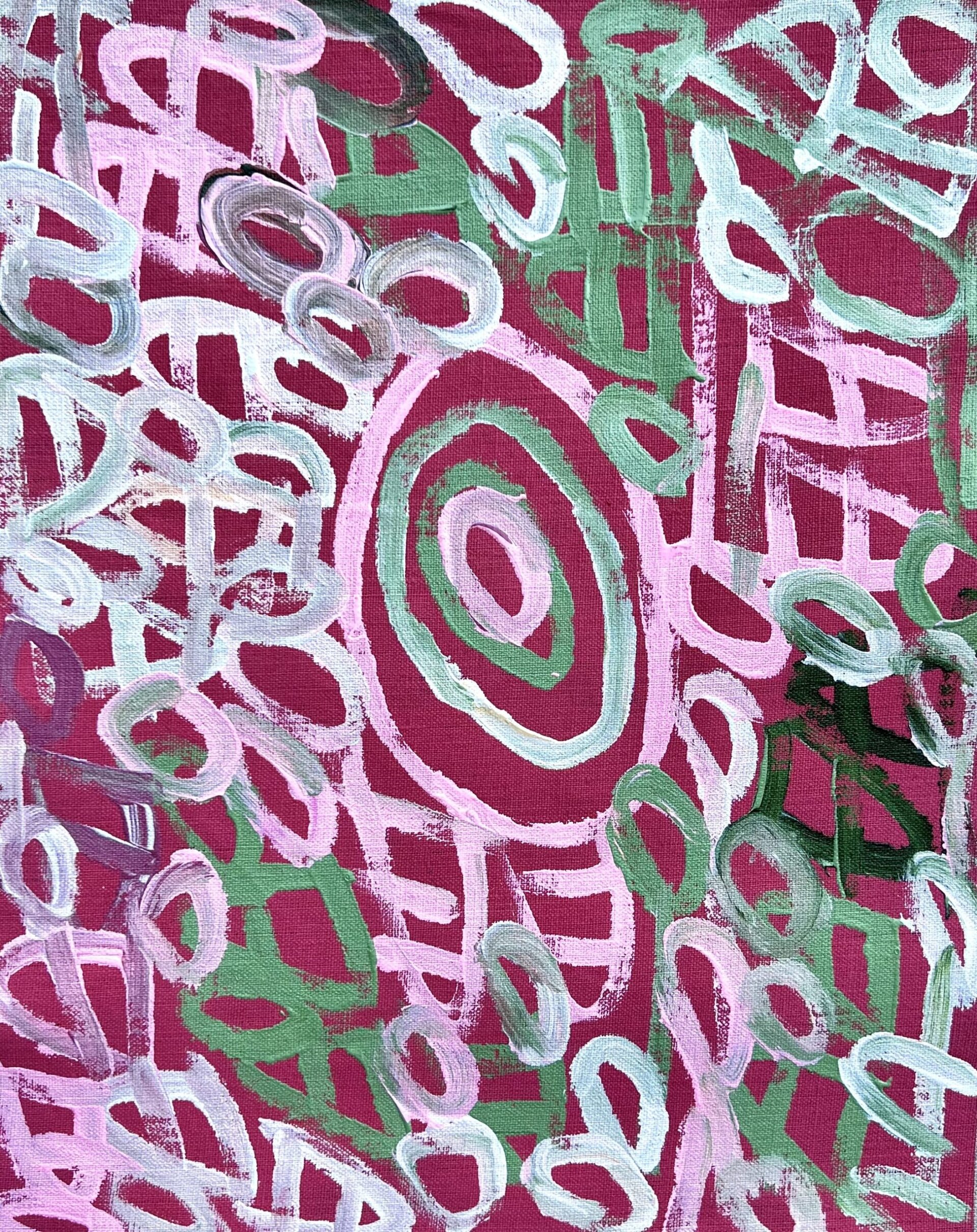
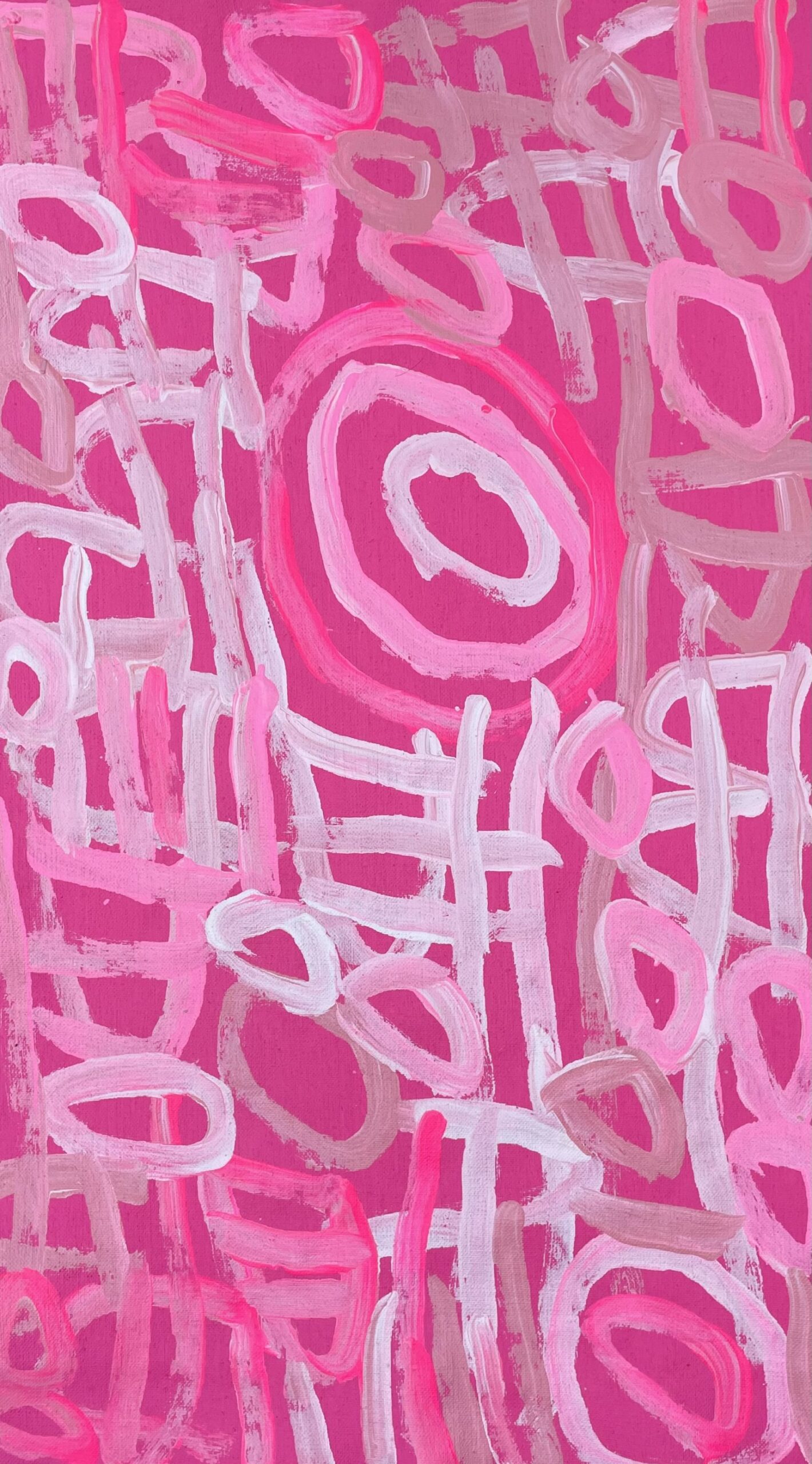
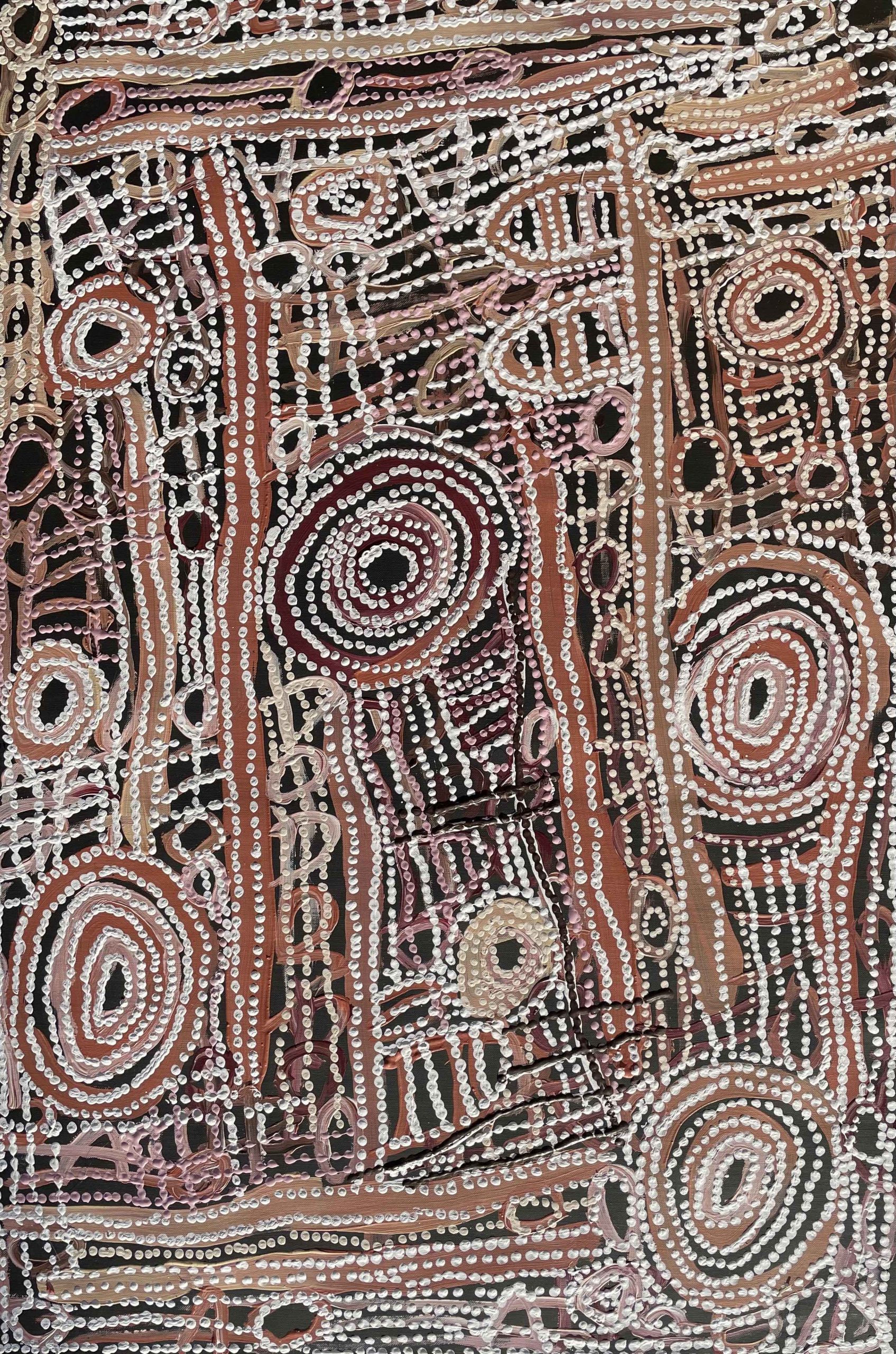
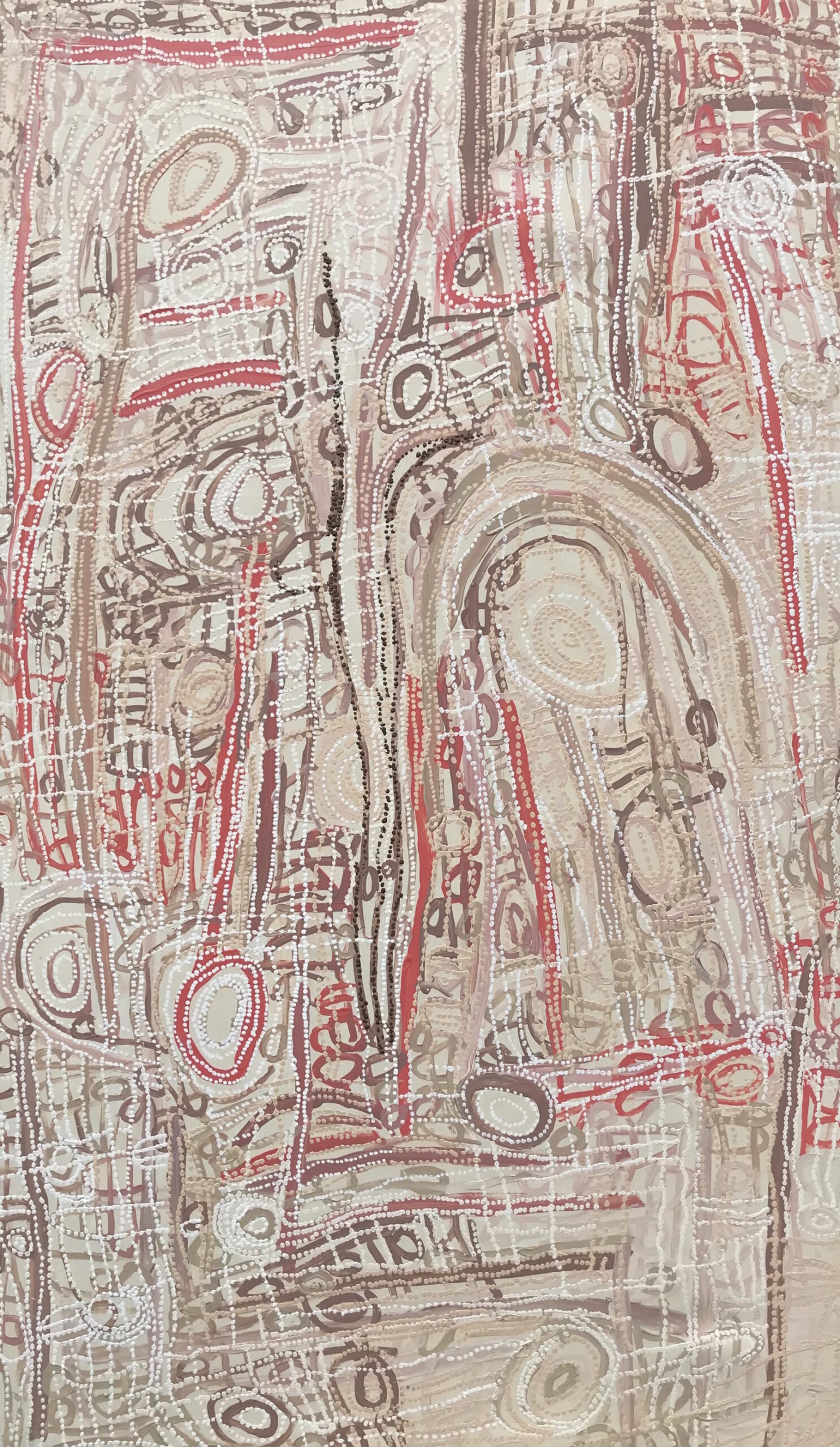
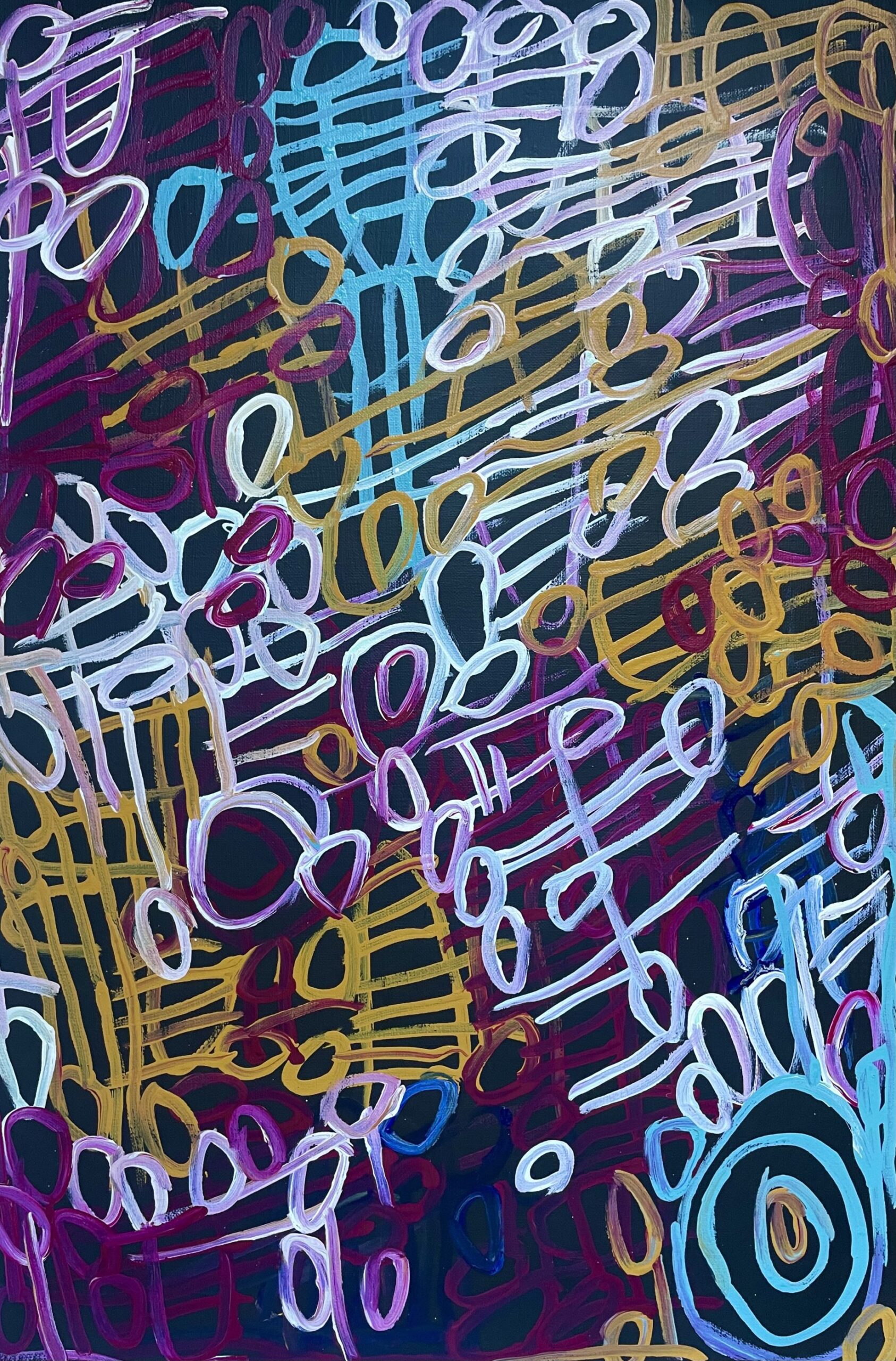
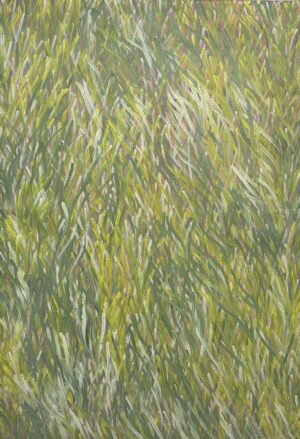
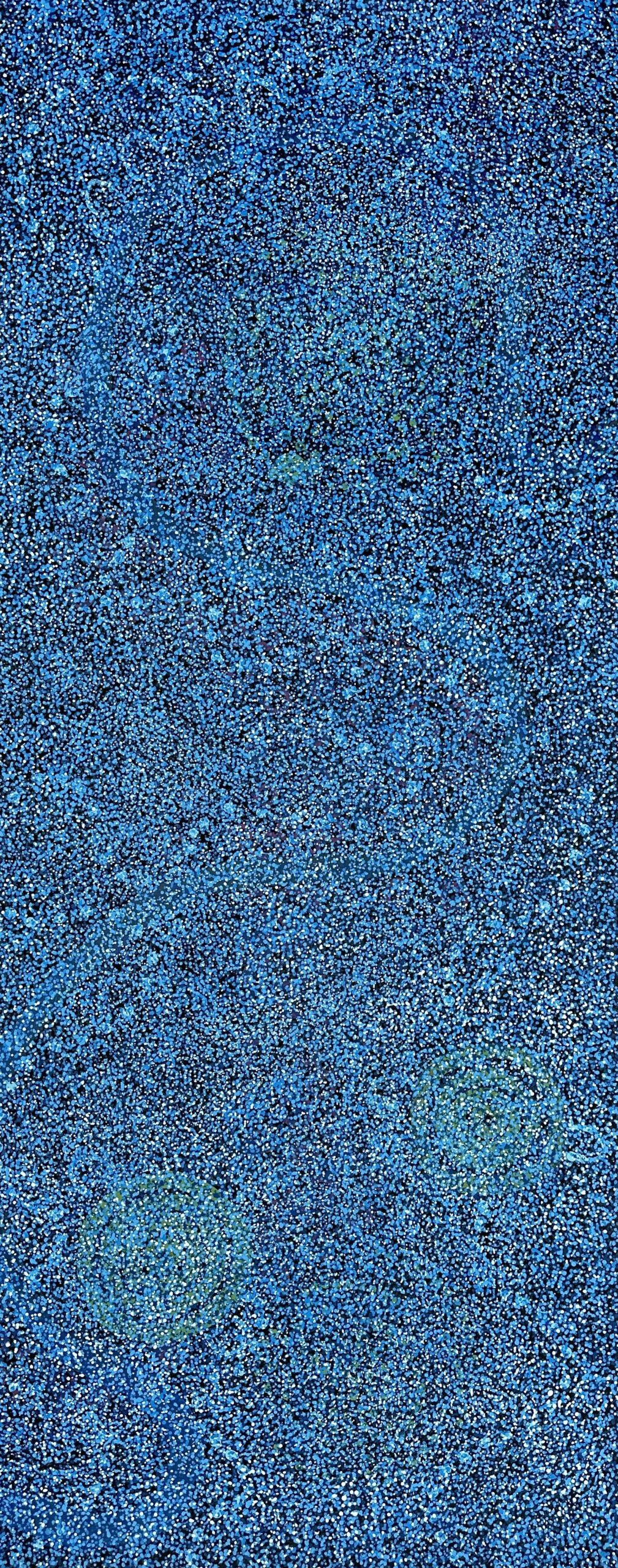
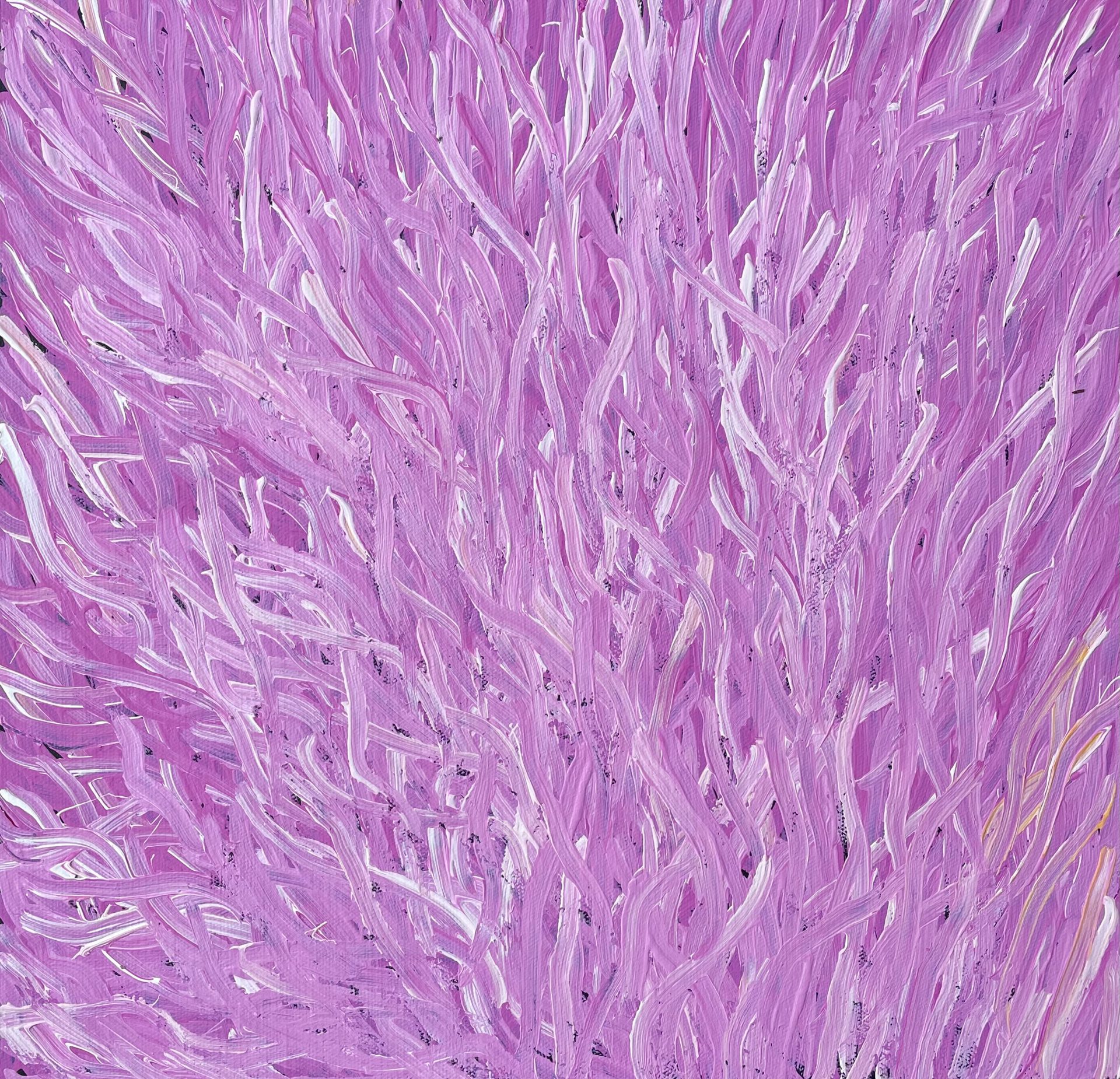
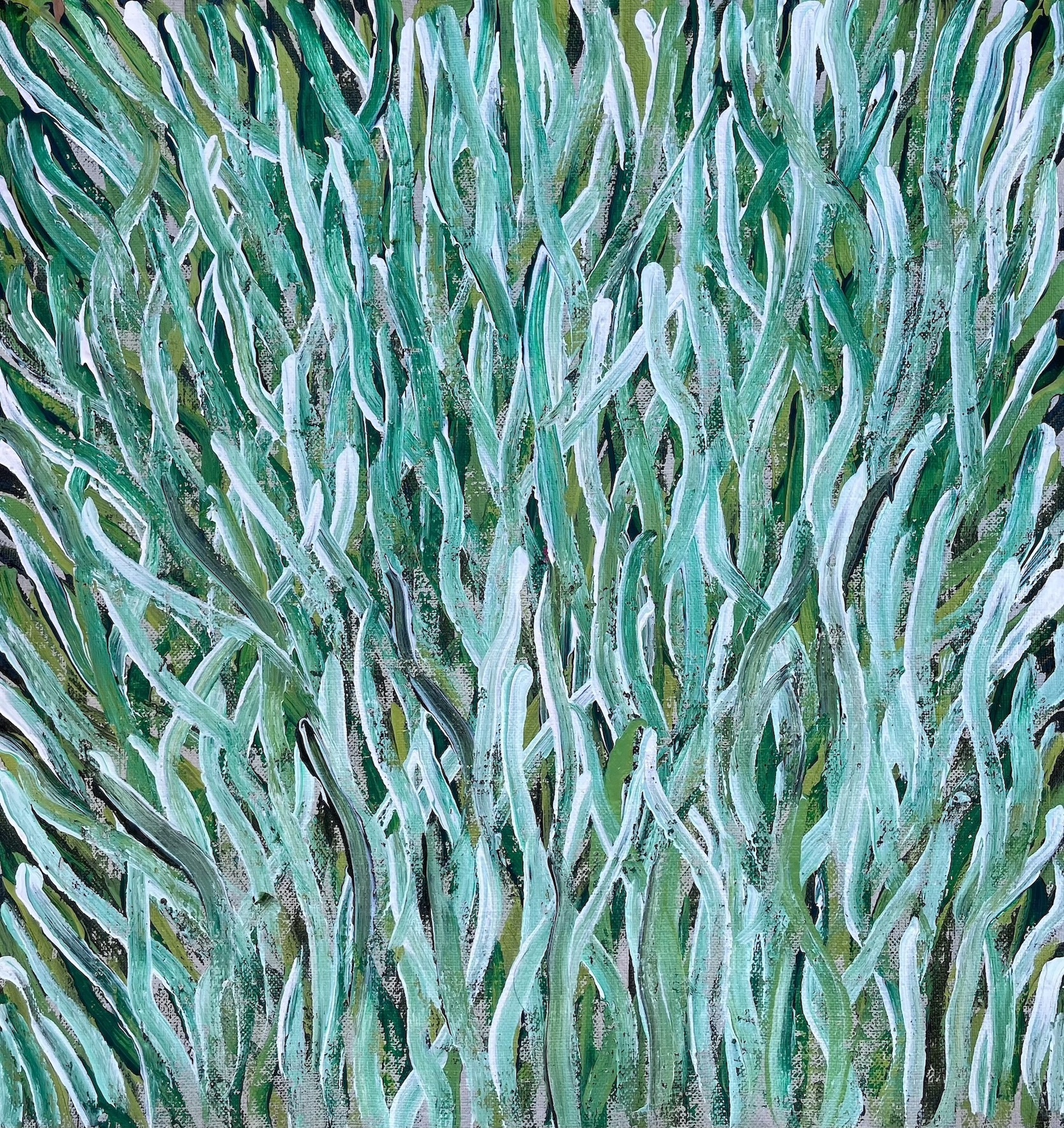
Every Aboriginal language group and family has its own Dreaming, or set of Dreamings, specific to their own Country and lineage. A Dreaming isn't a single universal story, it's deeply particular. Ownership of a Dreaming is specific to the people it belongs to, and what an artist paints is determined by their own relationship to their Country and their kinship connections, not something they can choose freely. To hold a Dreaming is also, in a real sense, to be held by it, it comes with both the right to paint that story and the responsibility to care for it properly.
This knowledge isn't written down in books. It's passed on the way it always has been from person to person, generation to generation, through story, song, ceremony and art. The Dreaming teaches children the difference between right and wrong, how to live within the lore of their community, how the natural world works, and how to find food and water throughout the year. It guides daily life just as much as it guides ceremony.