Awelye — Women's Ceremony
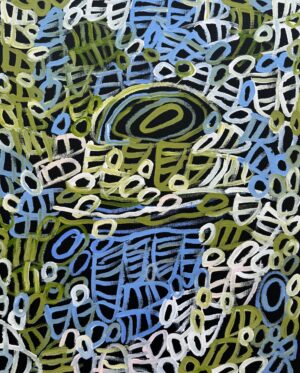
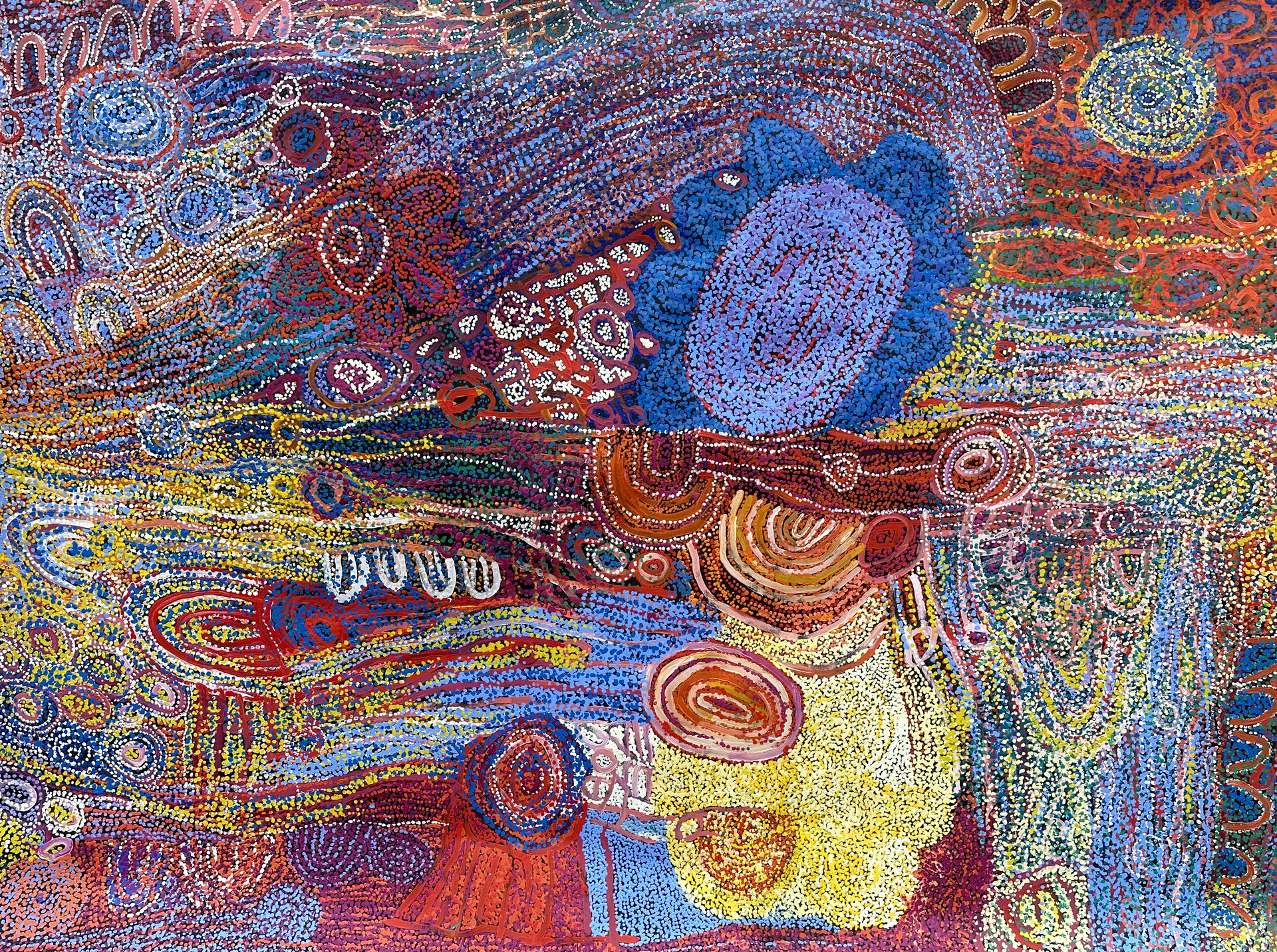
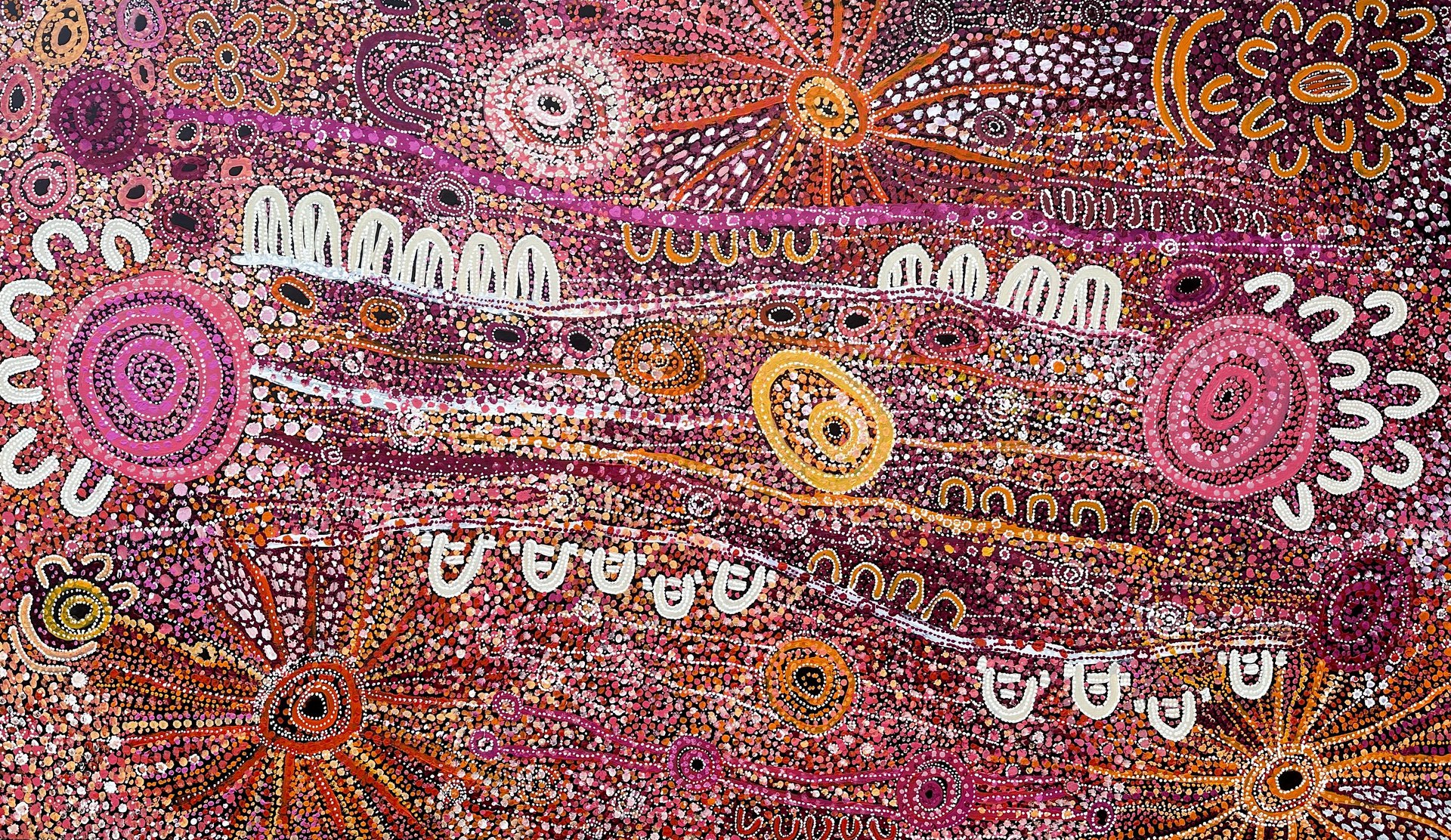
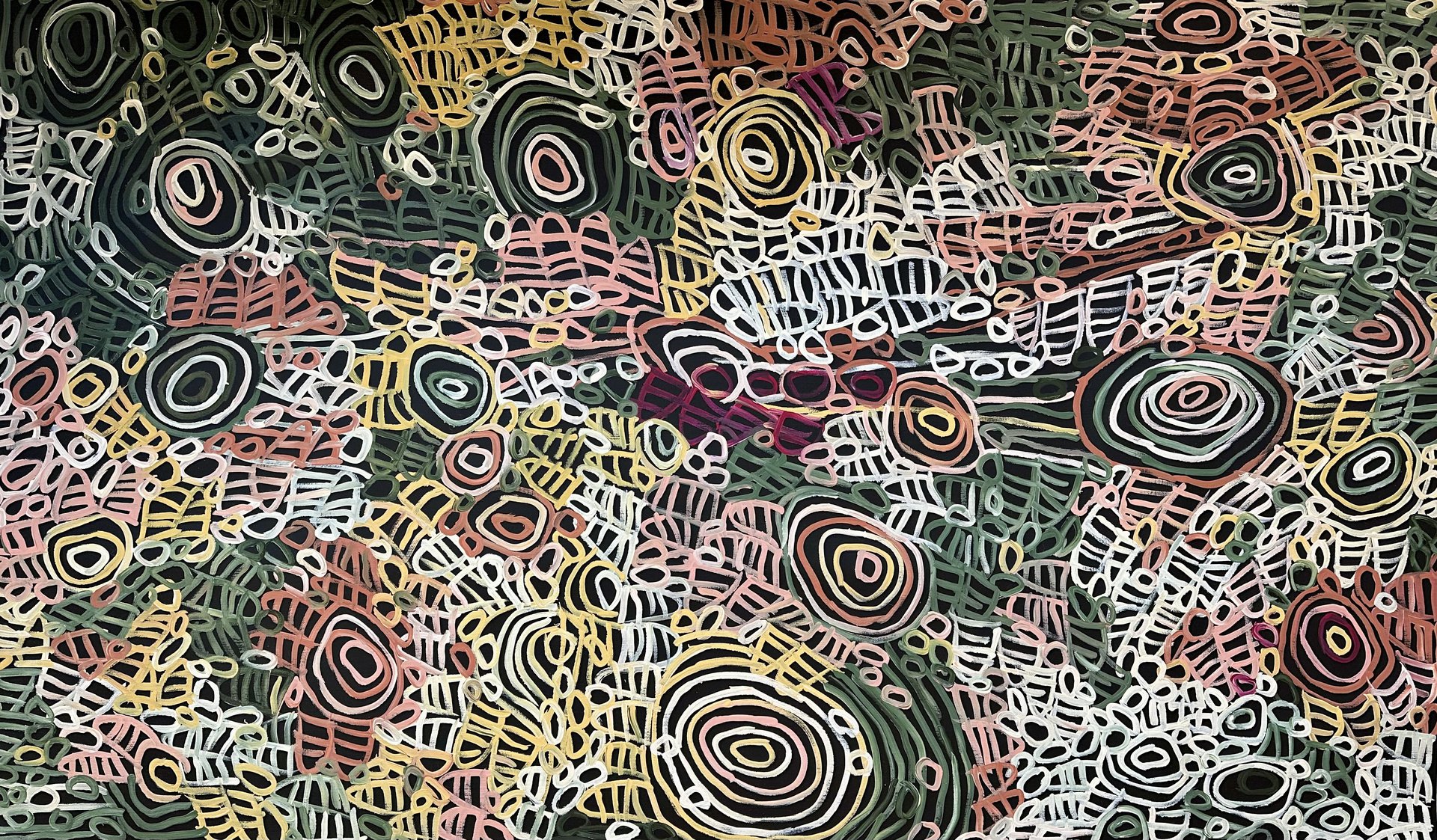
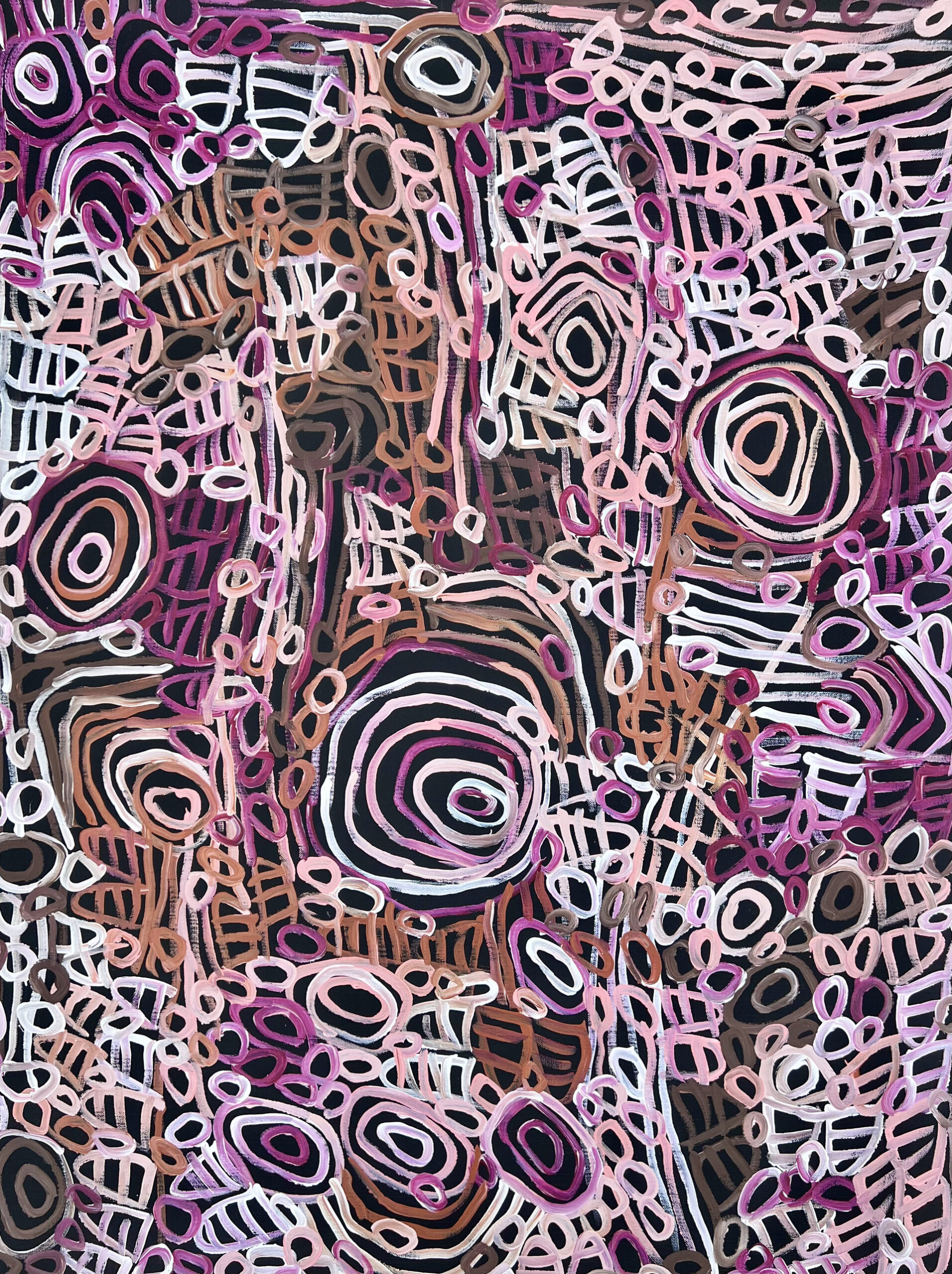
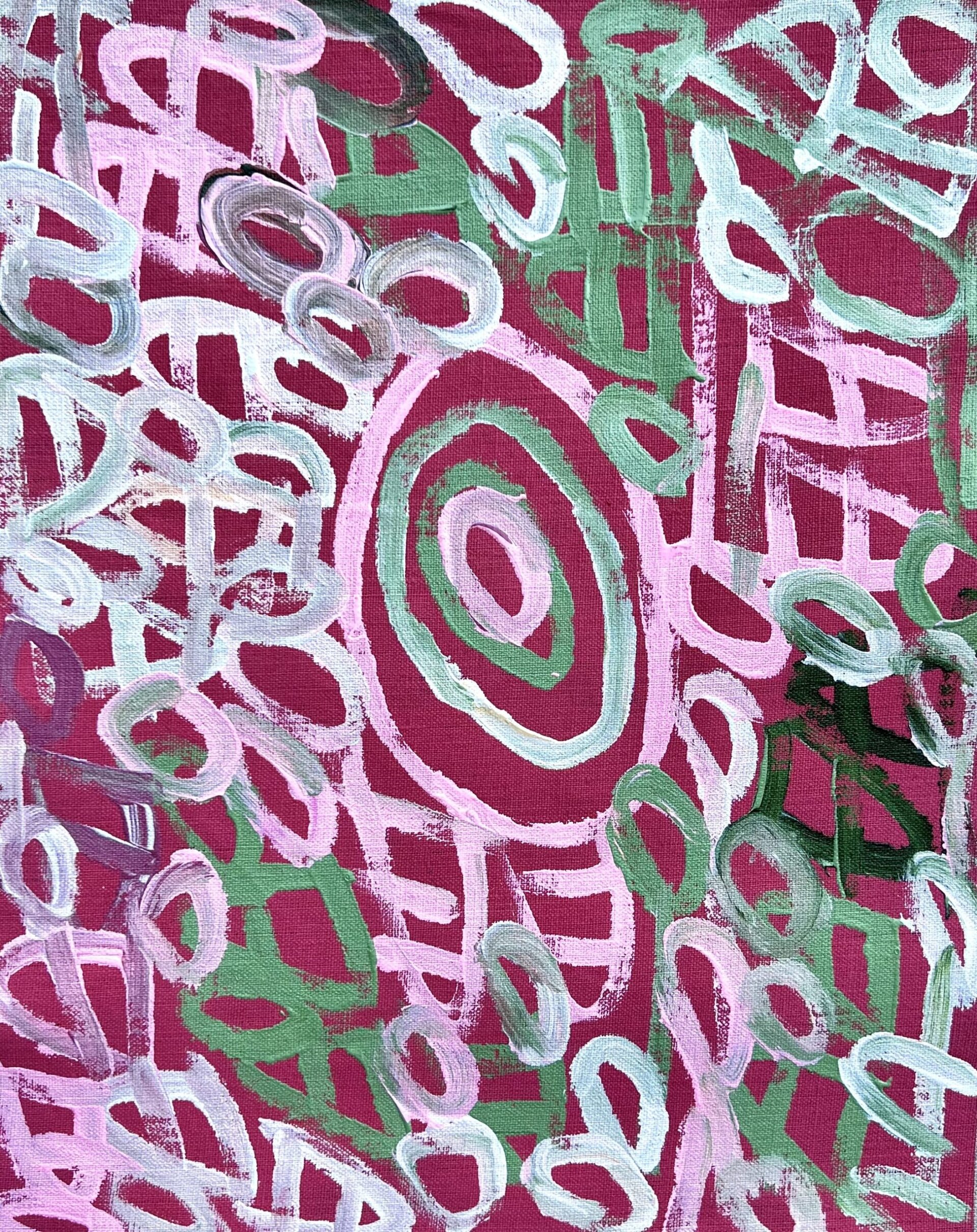
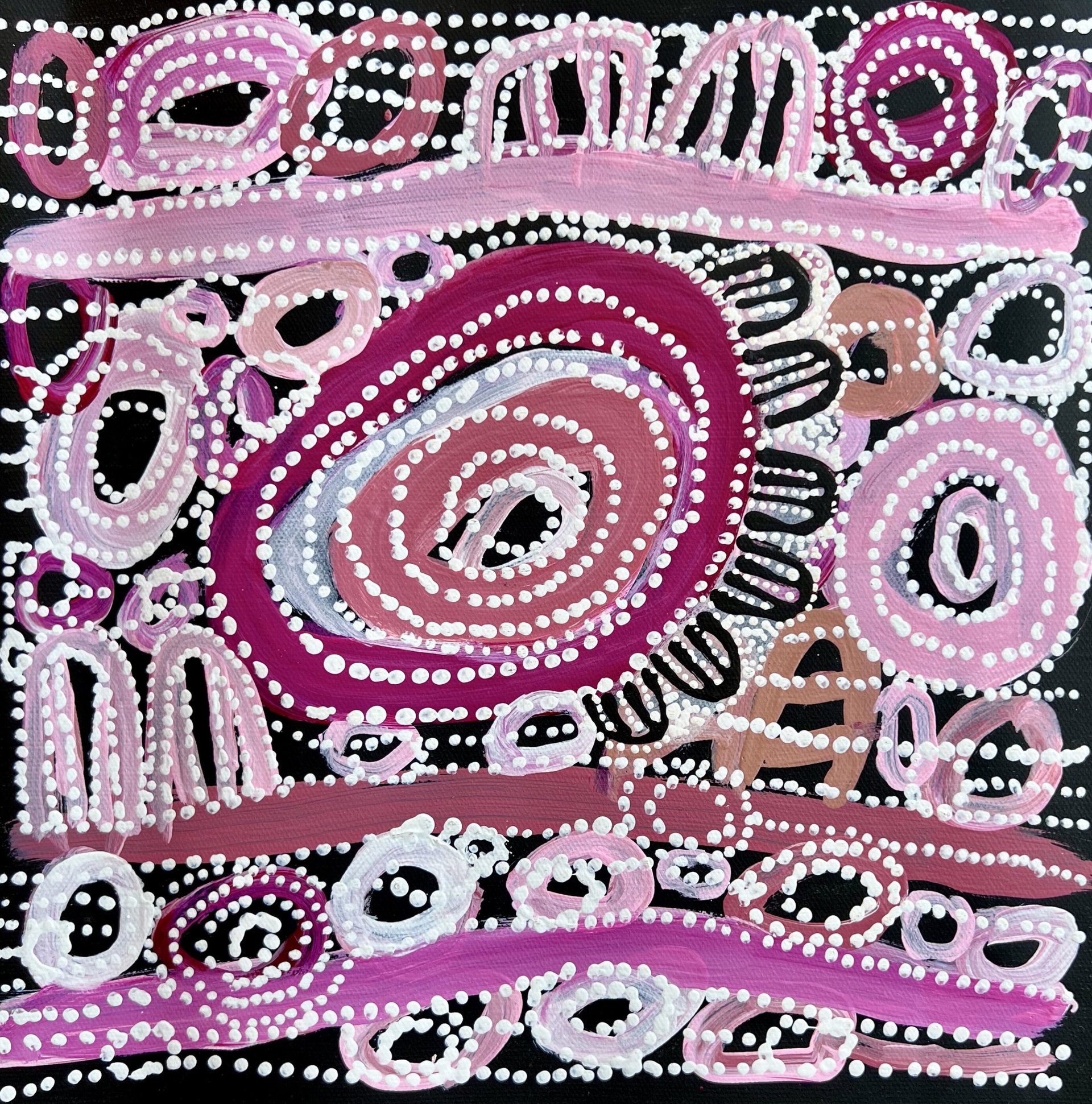
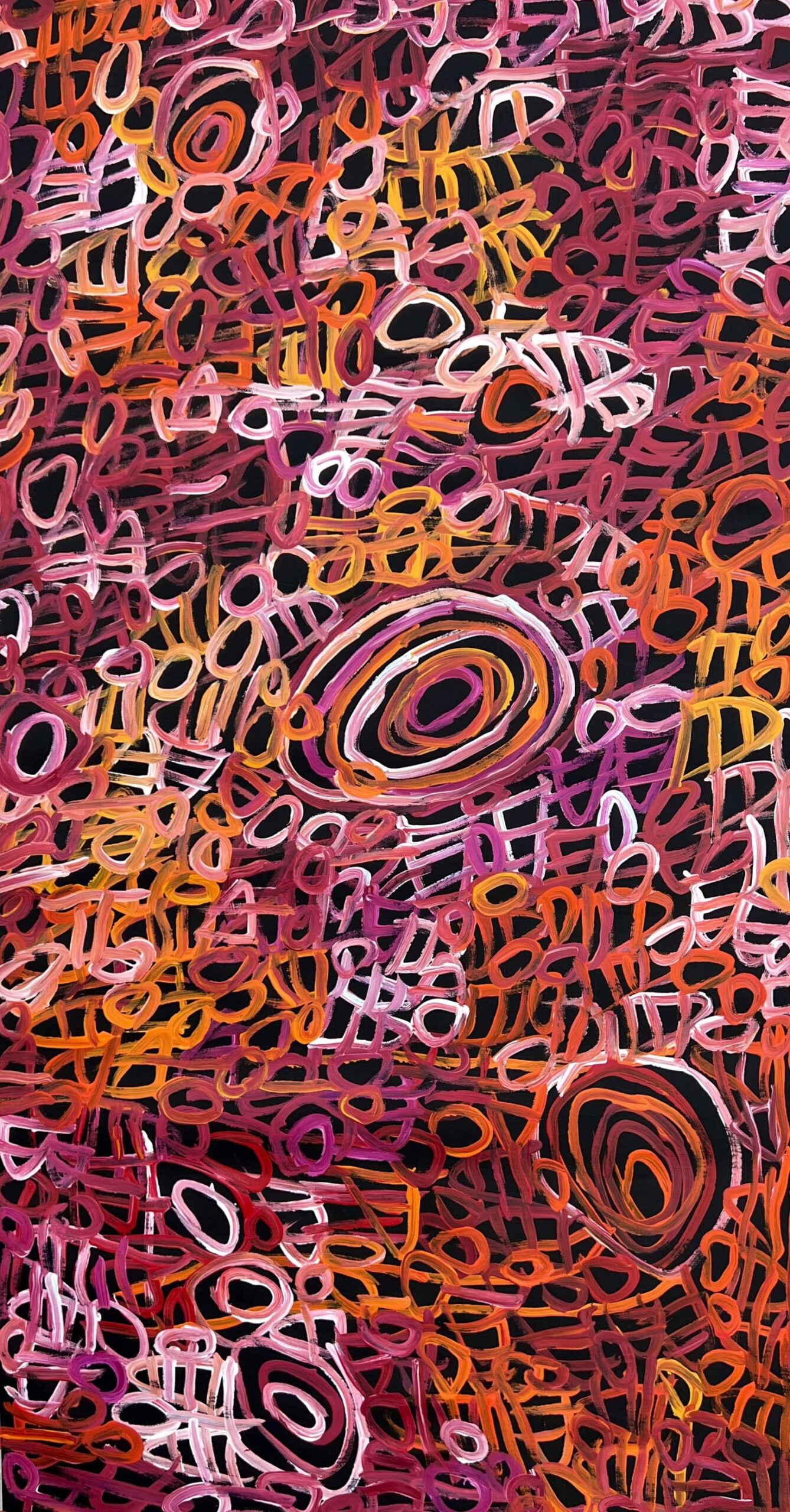
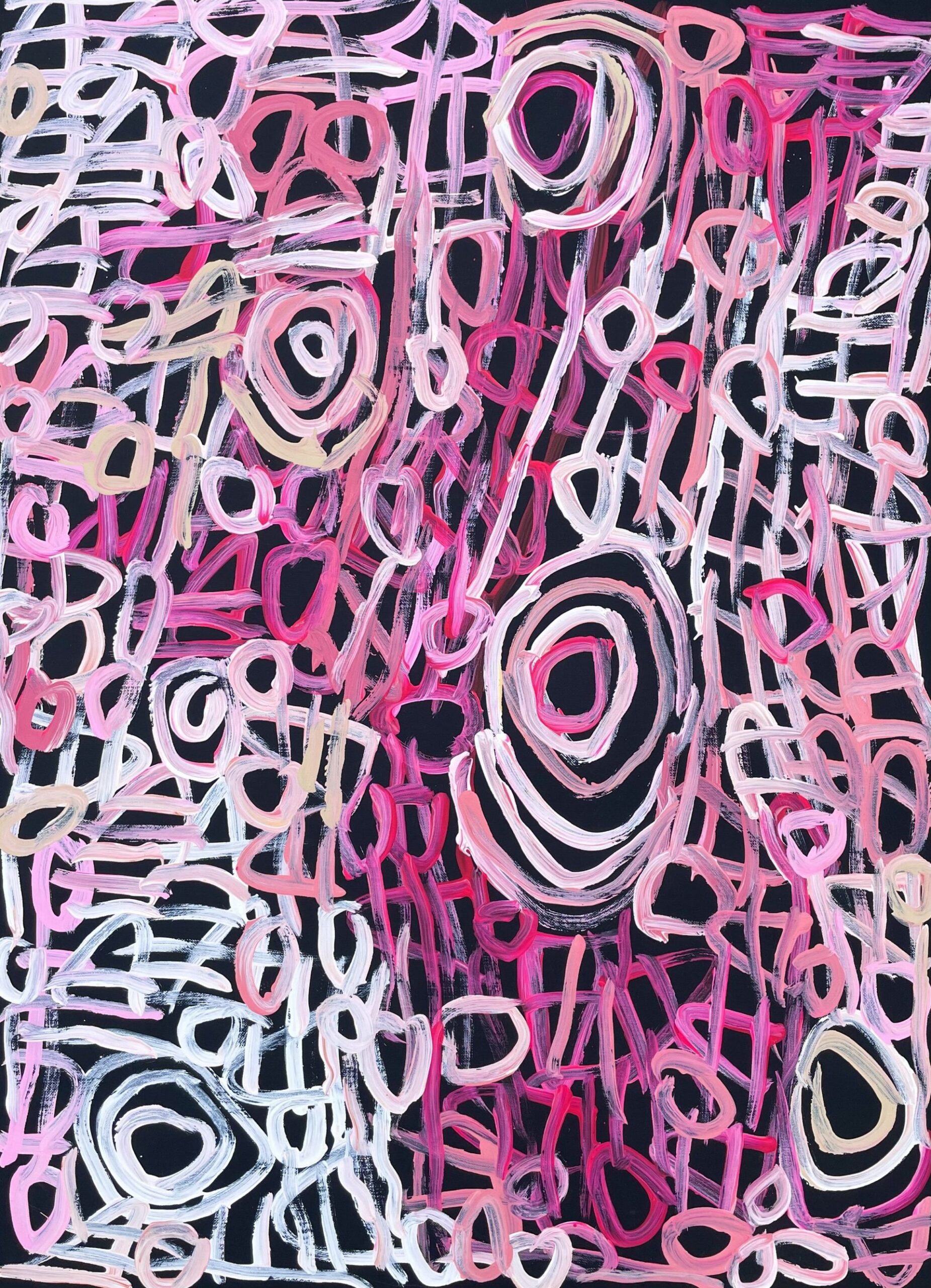
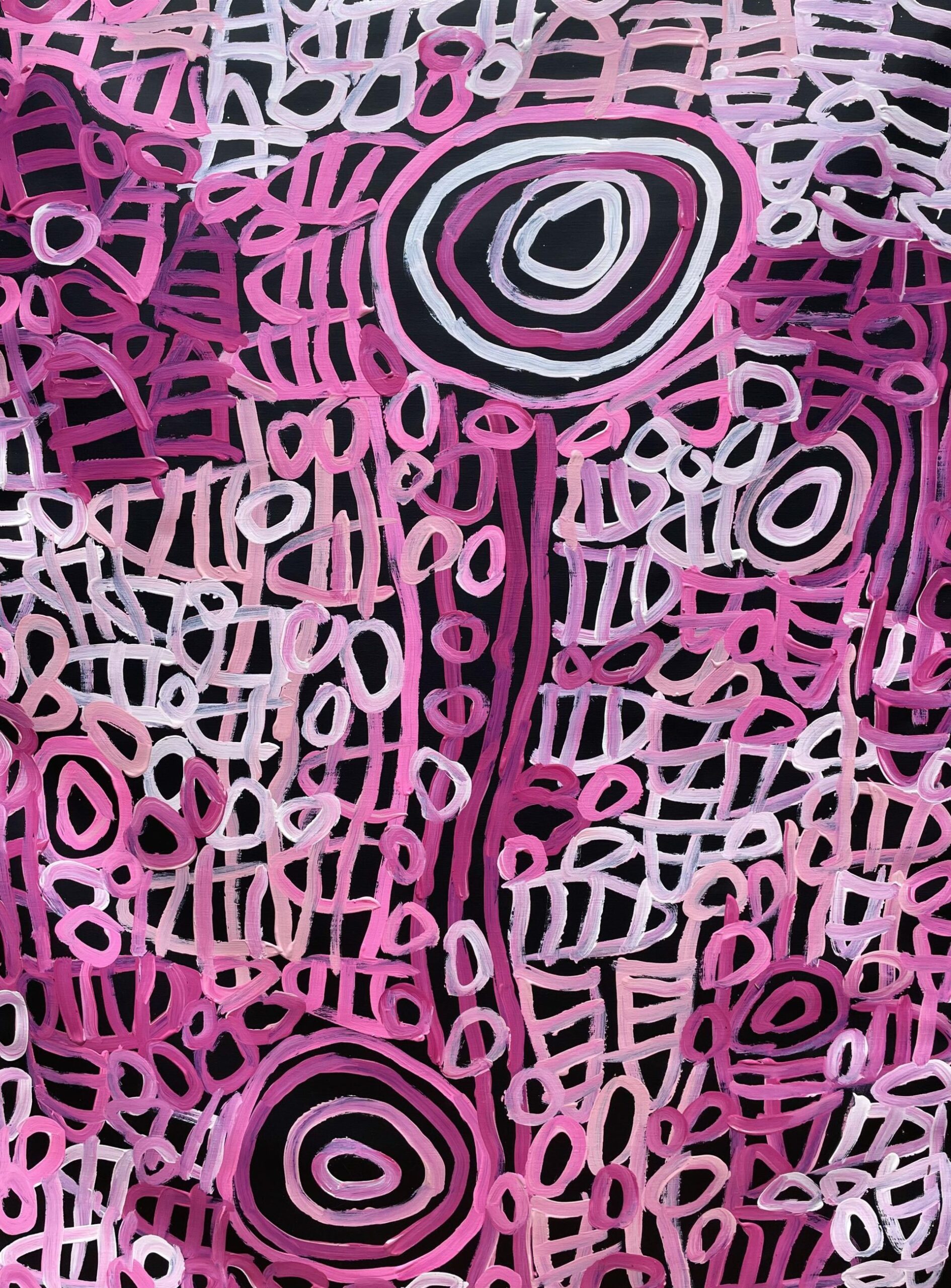
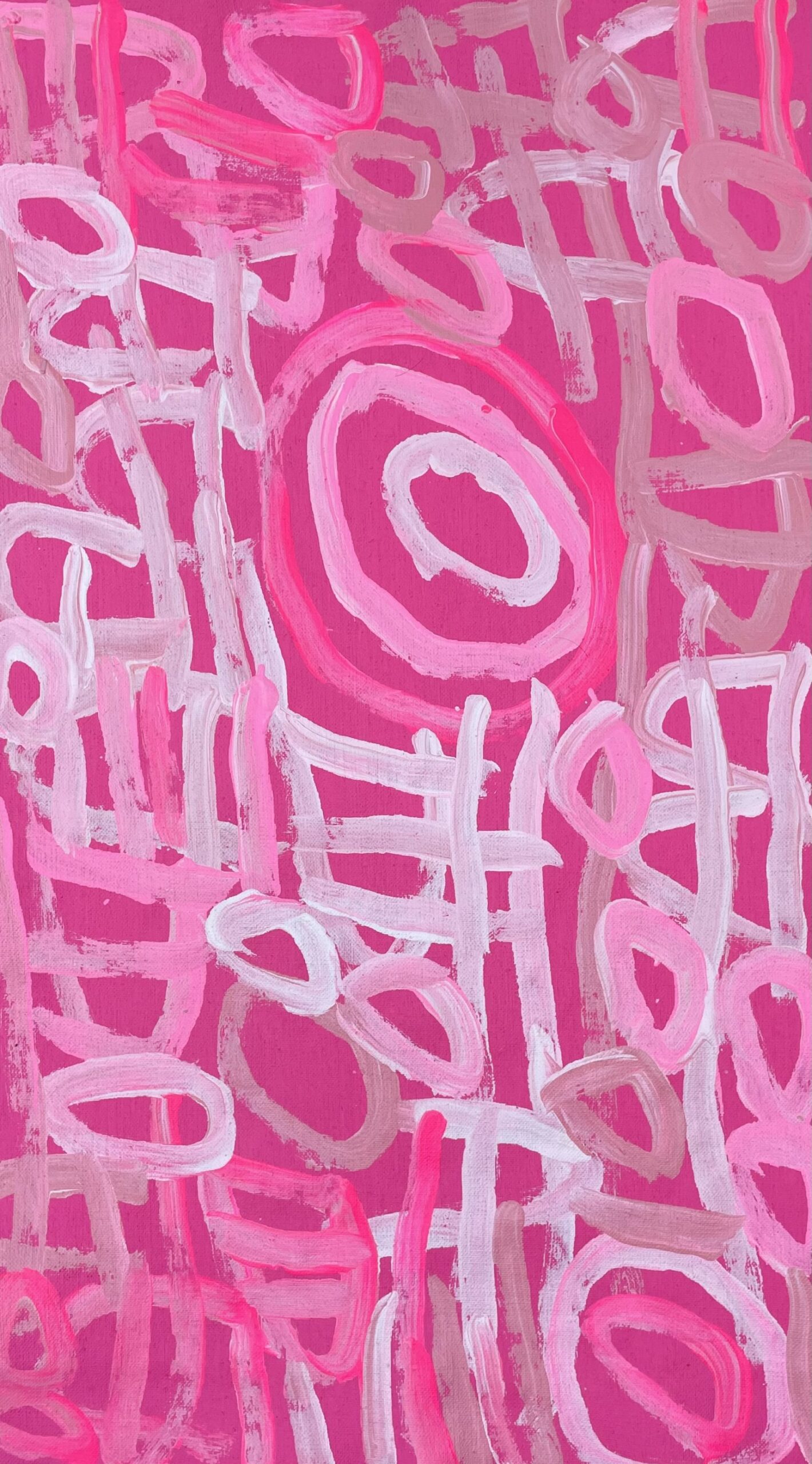
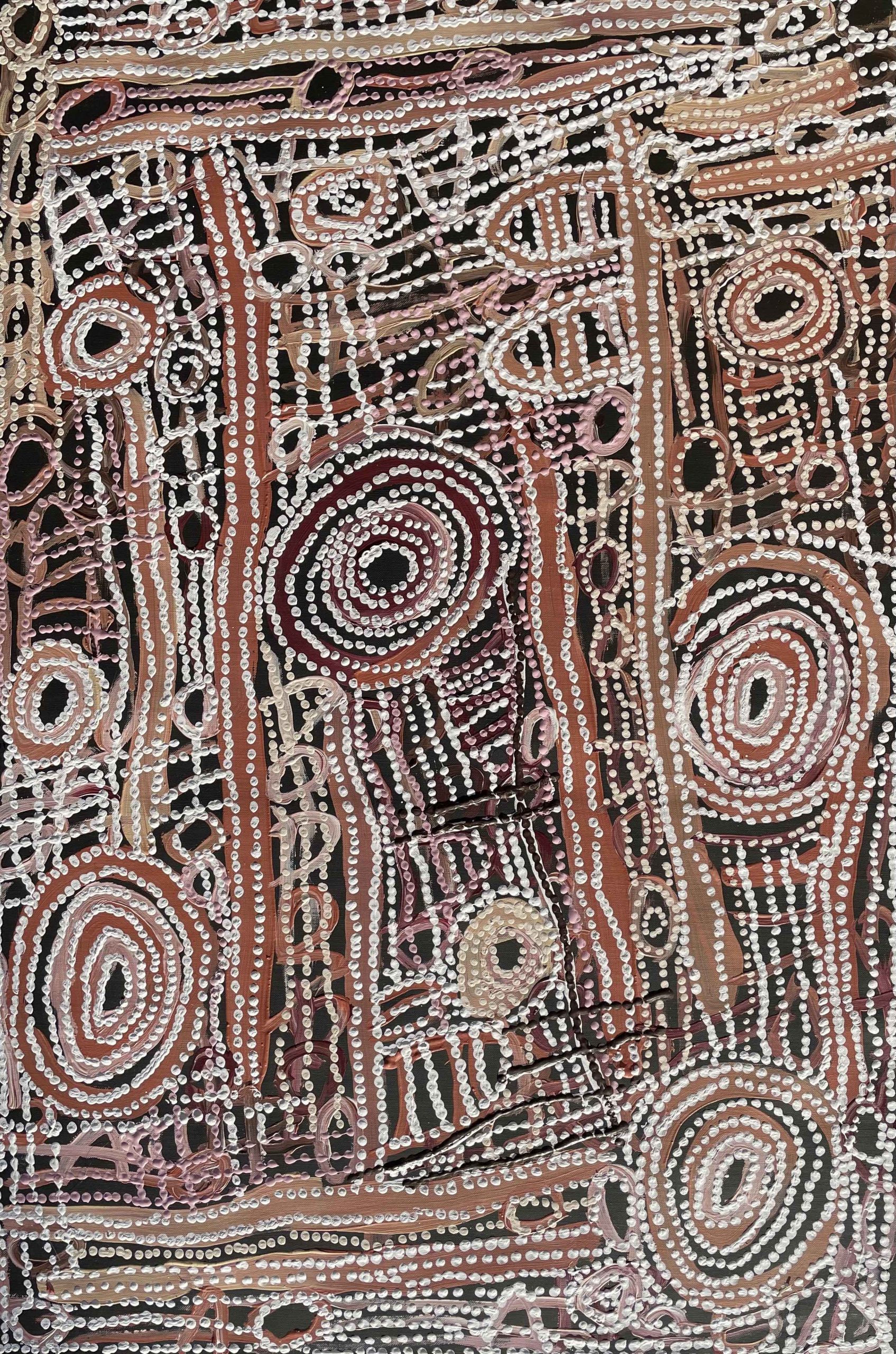
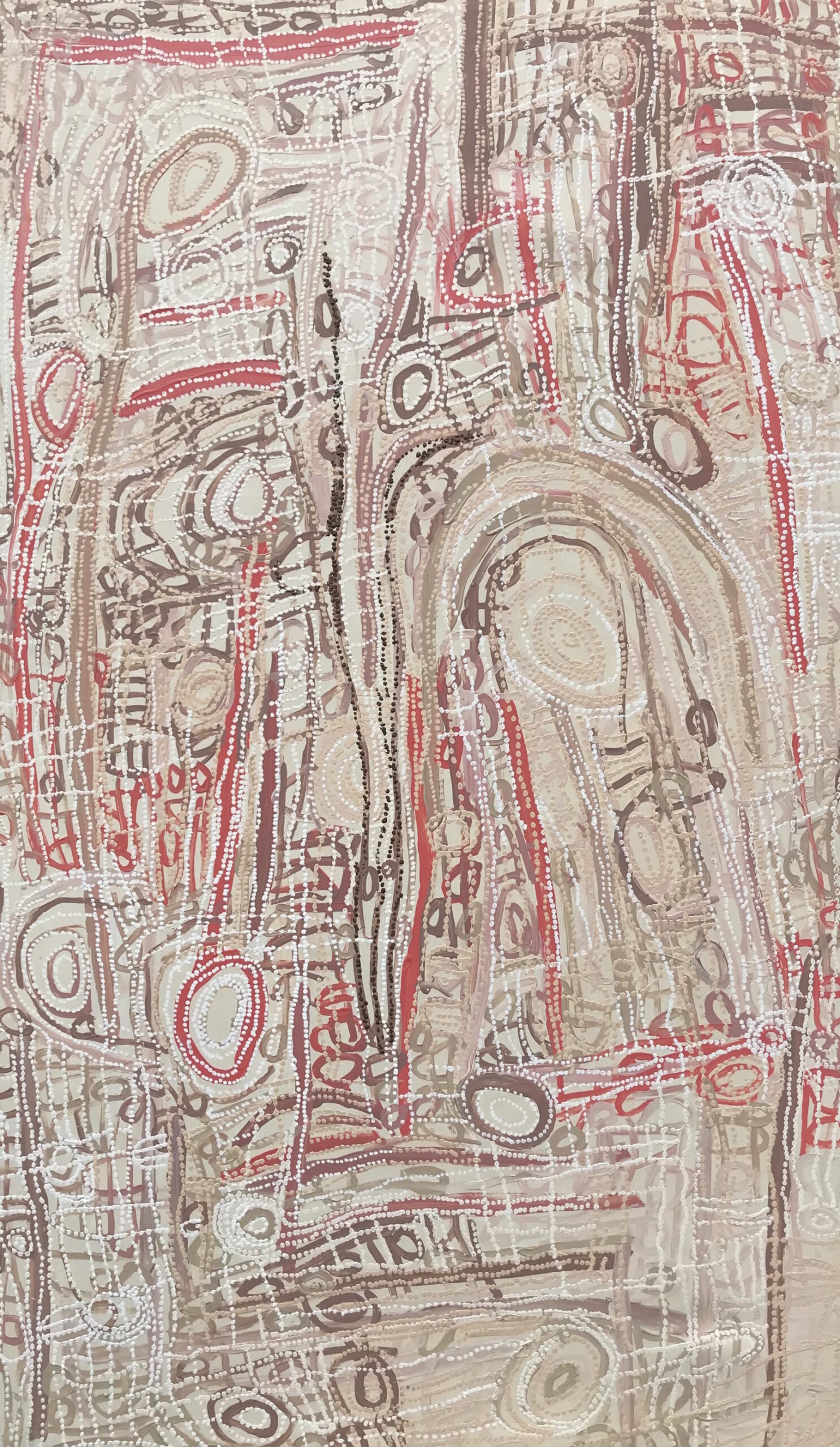
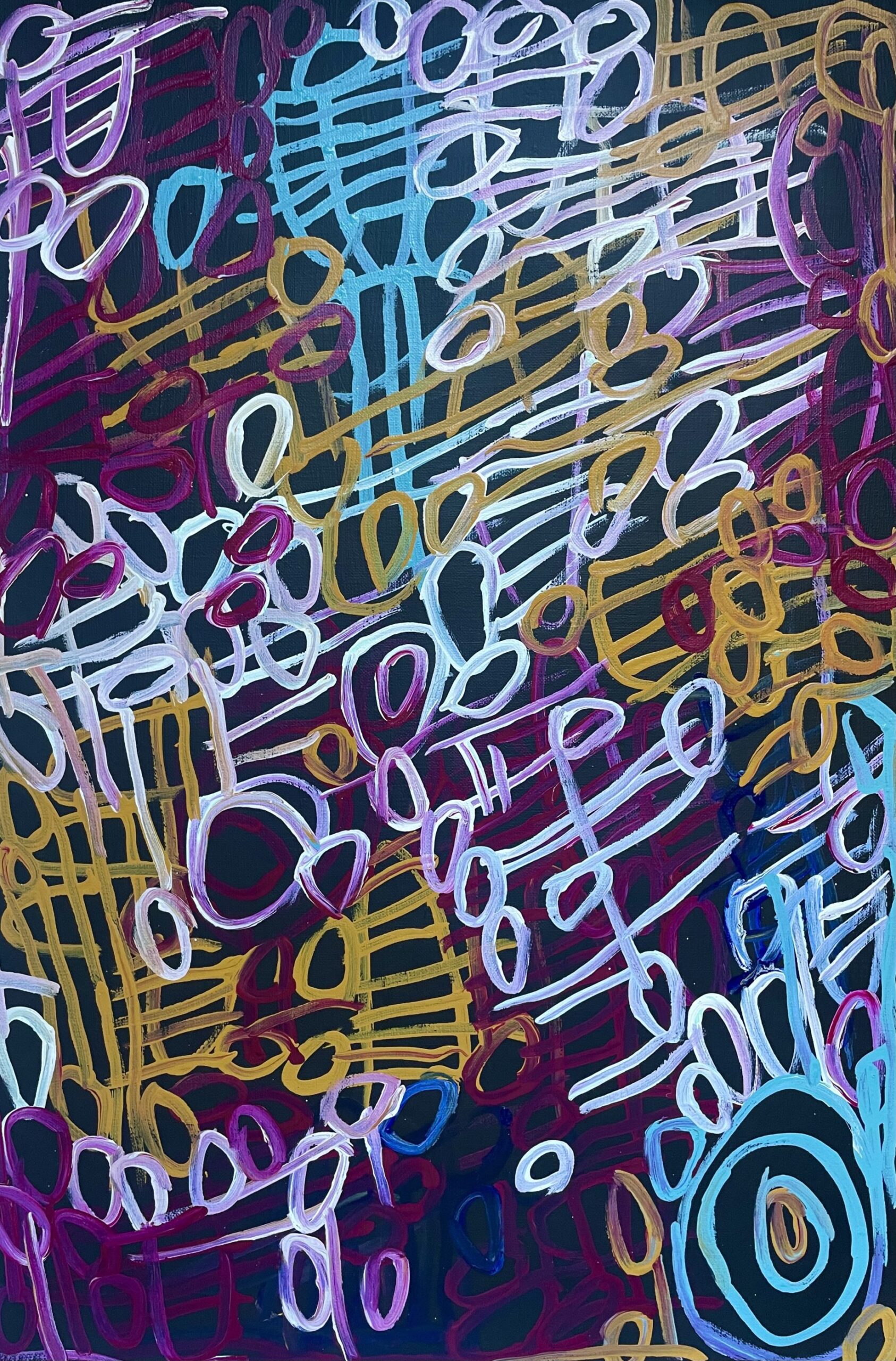
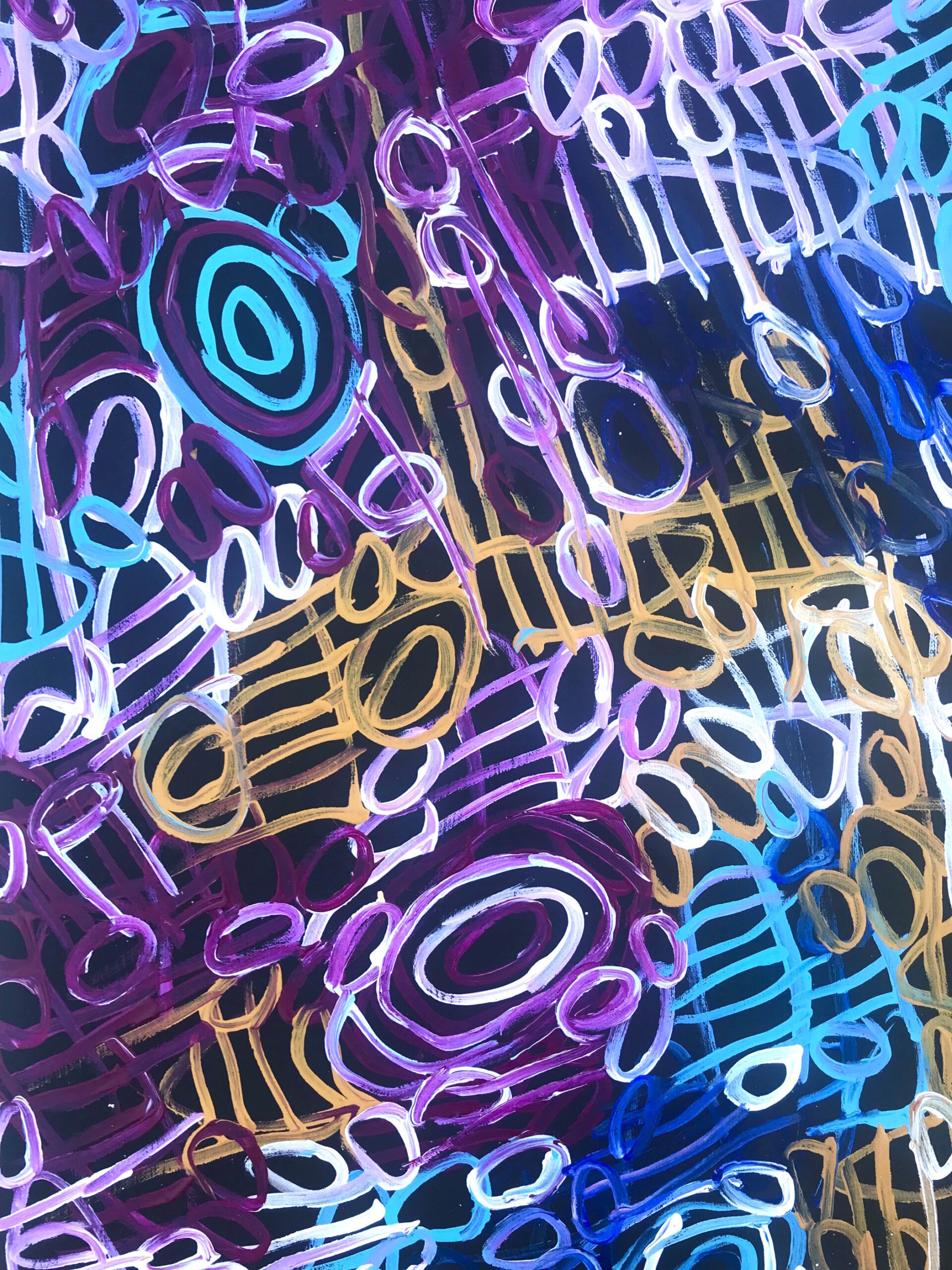
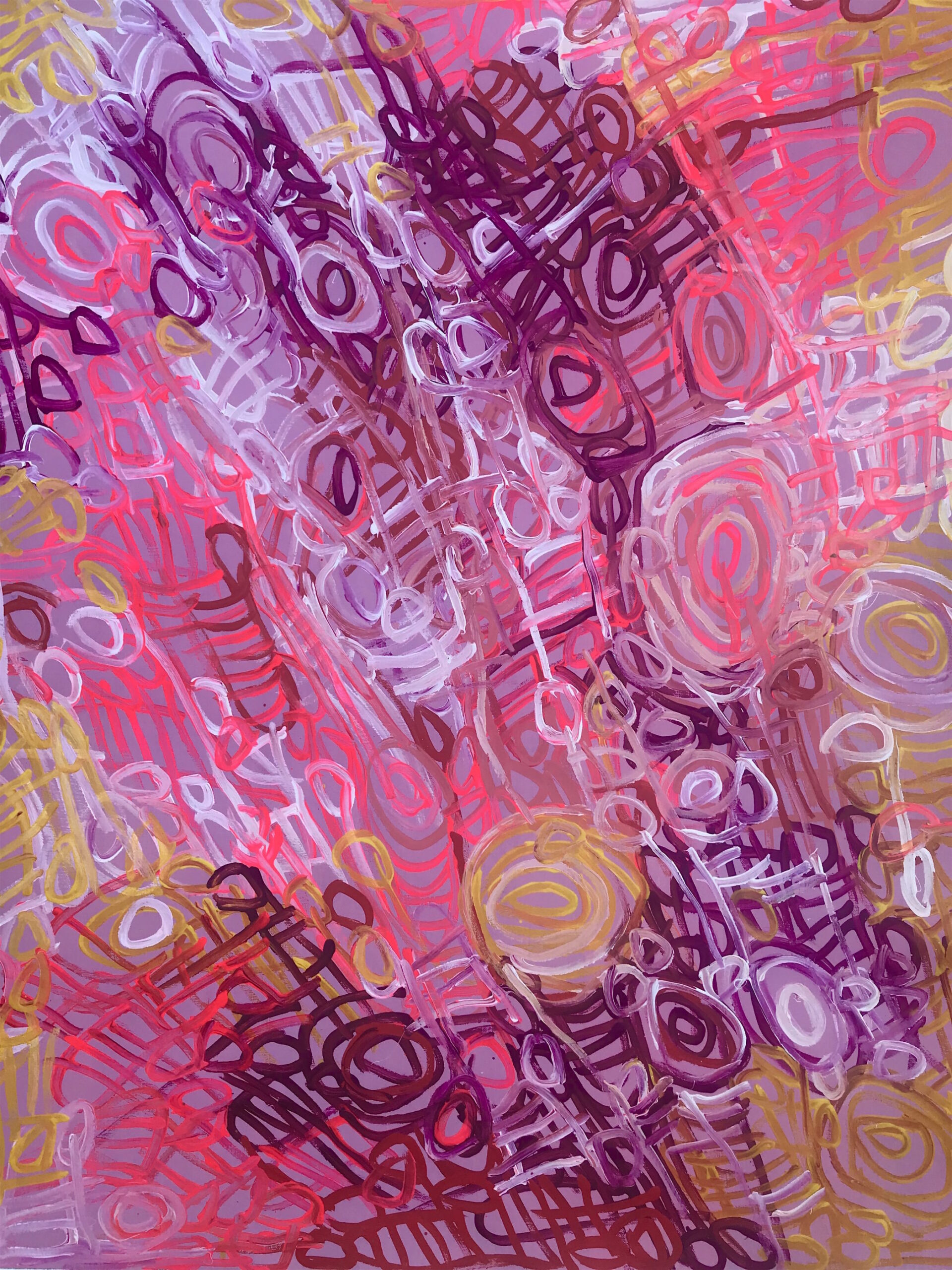
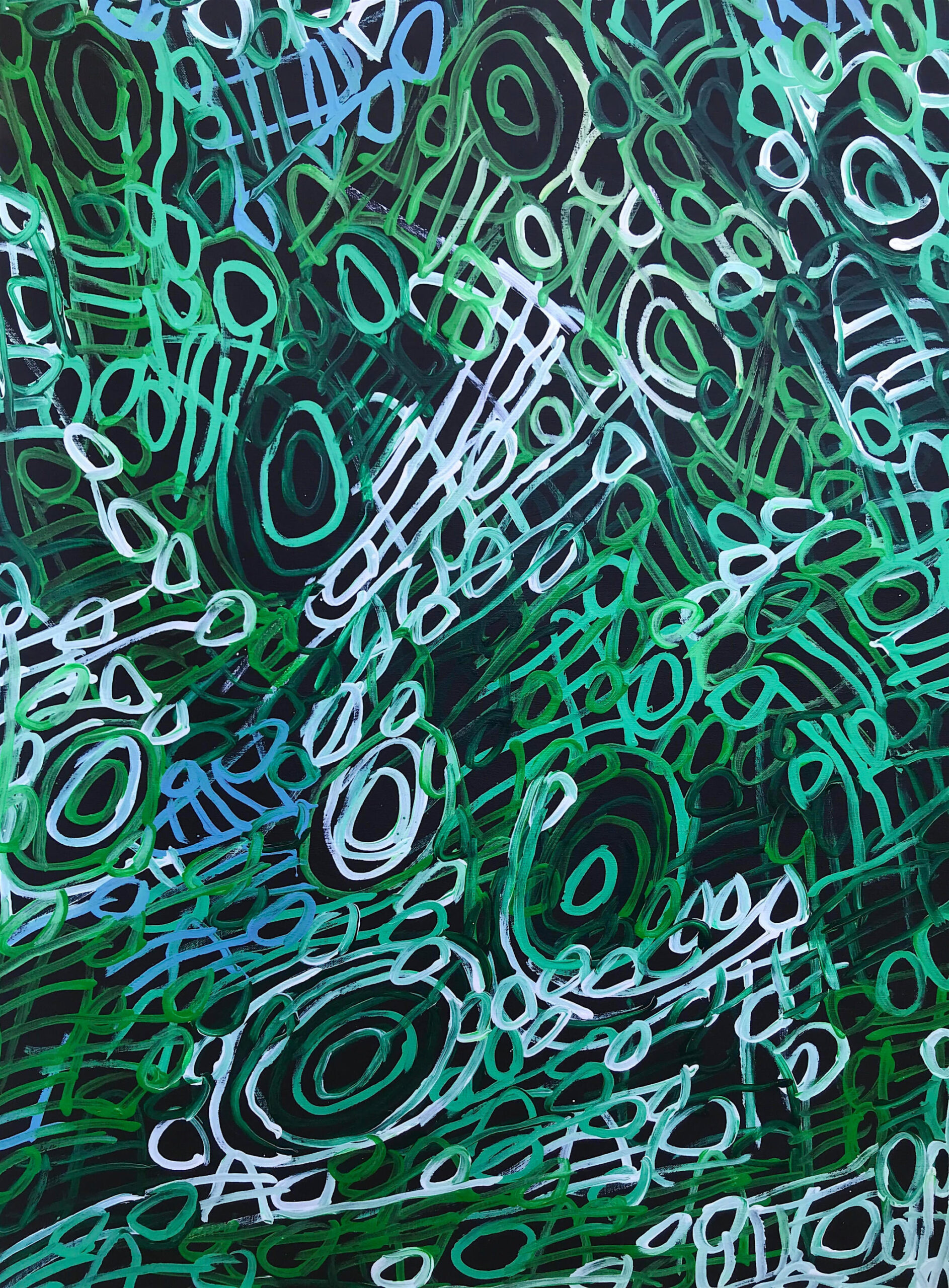
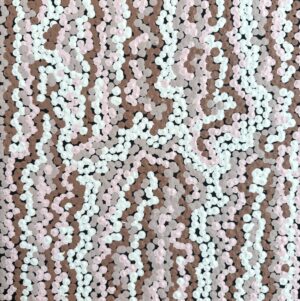
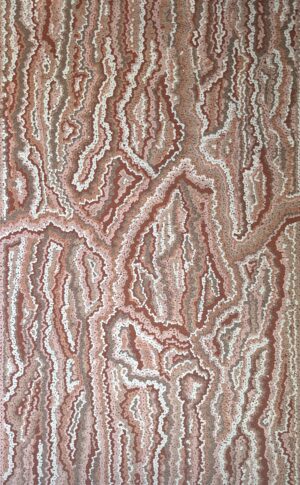
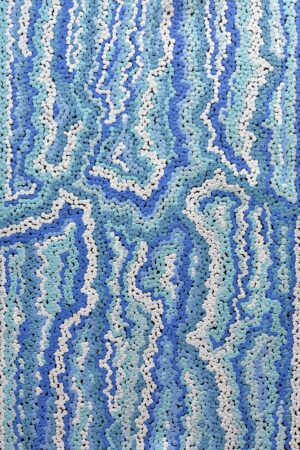
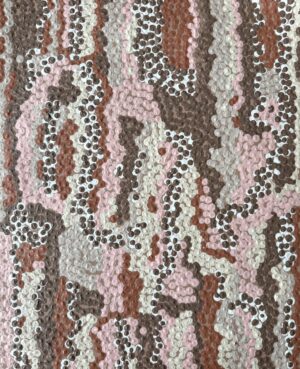
Awelye is the women's ceremony, and it's at the heart of many of the paintings our family is best known for, particularly the work of Minnie Pwerle, Barbara Weir, and Charmaine Pwerle. For Awelye, the women paint ceremonial designs across the top half of their bodies, using ochre mixed with animal fat, in patterns that vary depending on the occasion, the season and the seniority of the person wearing them. The most senior women lead the dancing and singing.
The U-shapes you'll often see in our family's paintings come directly from Awelye - they represent women seated, painted up for ceremony. When you see that shape in a Minnie Pwerle or Barbara Weir painting, you're looking at a direct depiction of this ceremony, not just a pattern.
Men's Ceremony
Men's ceremony, sometimes called Men's Business, is kept strictly for initiated men, and very little of it can be shared outside that group - even within our own family, it's not something we're able to talk about in detail. What we can say is that it relates to important stories that are only revealed to young men once they come of age, as part of their initiation into adult responsibilities, sacred sites and the lore they're expected to uphold for the rest of their lives. Going through initiation, and being trusted with this knowledge, is one of the most important steps in a young man's life.
While Utopia's art has always been strongly led by women, the men of the region have made an important and lasting contribution of their own. Some of the most respected elders and custodians of Anmatyerre and Atnwengerrp lore are also among the region's finest painters, and a newer generation of male artists continues to bring fresh perspective to that same tradition today.
Related Reading
Read about Charmaine Pwerle's Awelye Creation and other ceremony-related works.
Learn more about skin names and kinship.