pwerle-logo

Skin Names

Skin names

Skin names come up often when people learn about our family, you might see a skin name sitting alongside a legal name, the way Jade's does. People often ask what a skin name actually is, so we wanted to properly explain the system behind it, not just the name itself.

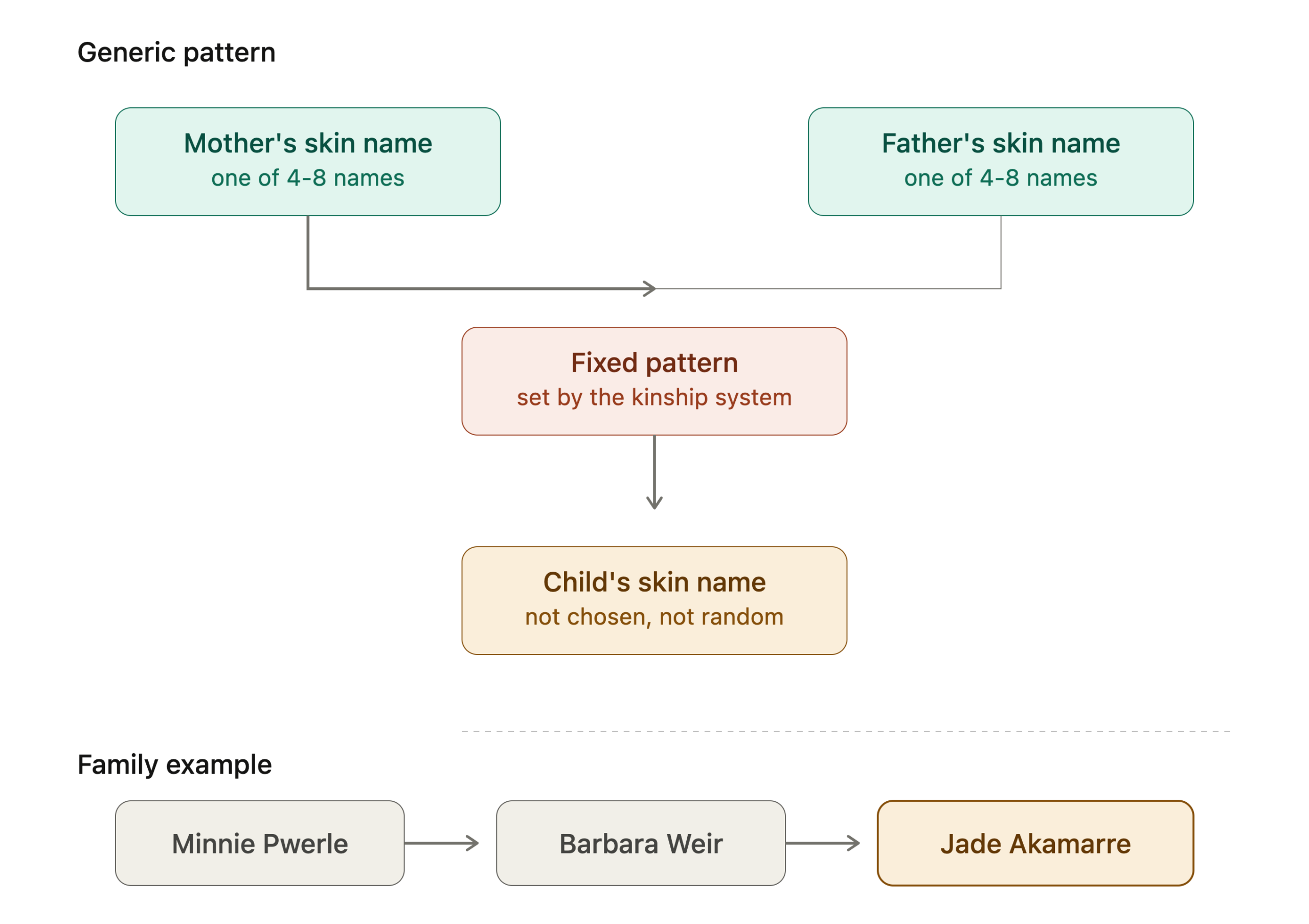
A skin name isn't a nickname, a title, or something you choose for yourself. It's part of a kinship system, sometimes called the subsection system that has organised Aboriginal family and community life across Central Australia for thousands of years. Every person is born into a skin name, determined by the skin names of their parents, and it shapes a huge amount about how that person relates to everyone else around them for the rest of their life.

How the System Works

In Central Australian Aboriginal society, most people belong to a subsection, or skin, group. Which skin you're born into is normally determined by your parents' skins, there's a set pattern that carries from one generation to the next, so a person's skin name isn't random, it follows directly from their family line.

Most language groups across Central Australia use a system of eight skin names, shared in a recognisable pattern across neighbouring groups, though the exact names differ from language to language. The Warlpiri, Pintupi/Luritja and Arrernte peoples all use this eight-name structure. Groups further west, like the Pitjantjatjara, use a six-section system. Our own family's language groups, Alyawarre and Anmatyerre, use a four-section system.

Because the system is shared in structure (even when the actual words differ) across so many neighbouring language groups, a person's skin name can also be understood, broadly, by people from other communities who use a related system, it's part of what lets Aboriginal people from different language groups still place each other within a shared kinship structure when they meet.

What a Skin Name Actually Determines

A skin name is best understood as a broad grouping of kin including people who are only distantly or notionally related to you, not just your immediate family. Through the skin system, it's possible to work out your relationship to almost anyone else in the community, even someone you've never met, simply by knowing their skin name.
Skin names determine real, practical things in day-to-day life and culture:
- Who you can and cannot marry
- Proper behaviour between different people; when to show respect, familiarity, or avoidance
- Rights and responsibilities within ceremony
- Land tenure and connection to specific Country
- A broad set of relations: for example, a man's own skin group includes his brothers and sisters, his father's father and his siblings, his son's children, and his brother's son's children

This is why a skin name carries real weight, far beyond being a name. It's a structural part of who you are connected to, what you're responsible for and how the wider community understands your place within it.

Skin Name and Legal Name, Side by Side

In our family, you'll often see a skin name used the way a surname might be used elsewhere - alongside, not instead of, a person's legal name. Jade is a good example: her legal name is Jade Torres, and her skin name is Akamarre, so she's known and paints as Jade Akamarre.
My name is Jade Torres, and my skin name is Jade Akamarre. I am a very proud Alyawarre woman from a community called Atnwengerrp.
— Jade Akamarre
Carrying both names together is common across our family and community, the legal name for the wider world, and the skin name as a living mark of kinship, culture and connection to Country.
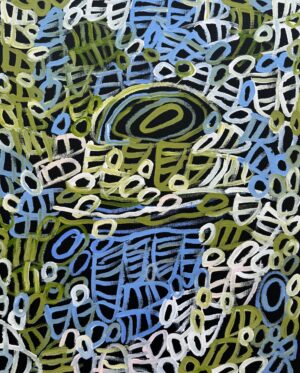
What It Means to Carry Akamarre: Jade's thoughts

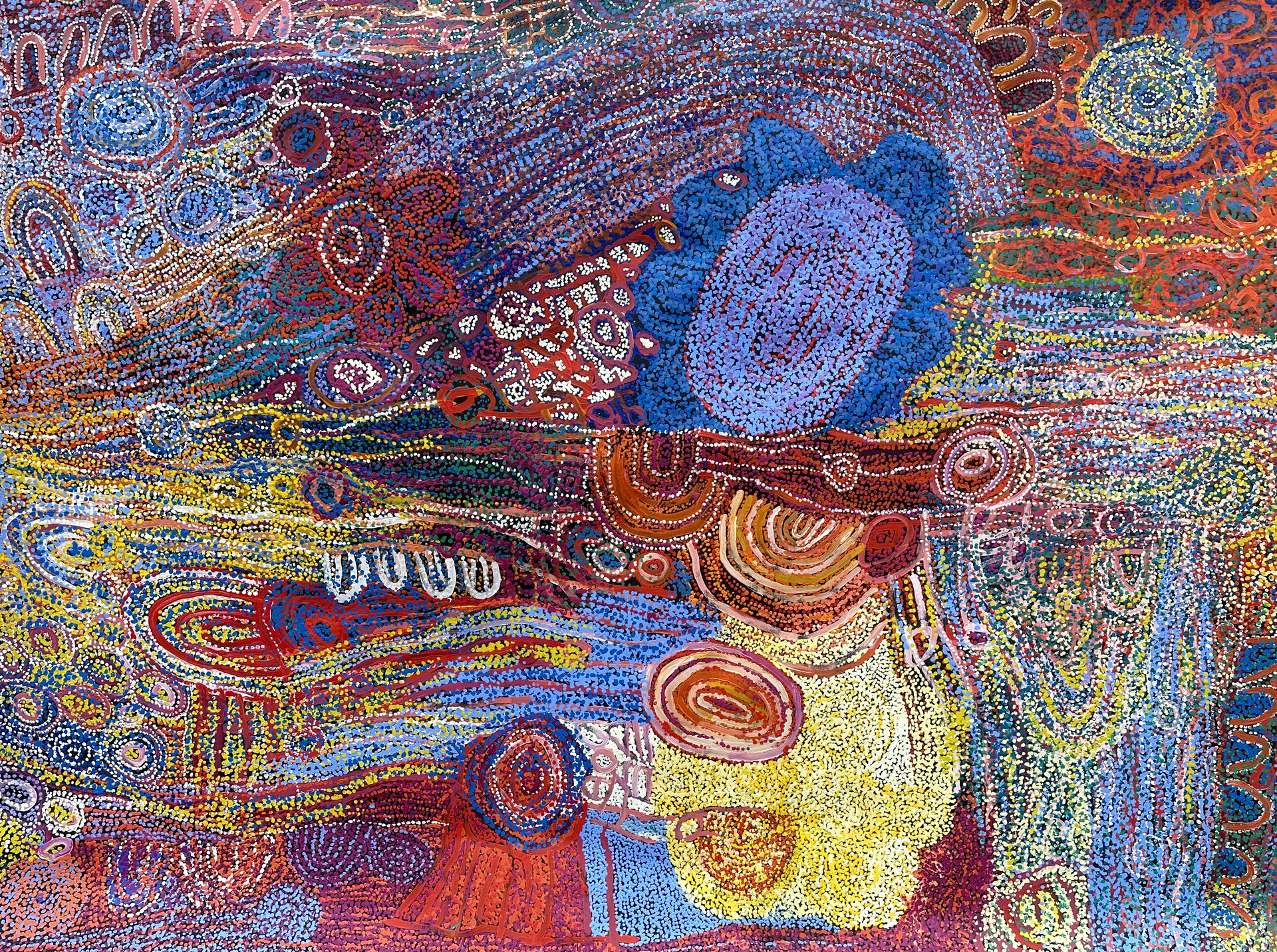
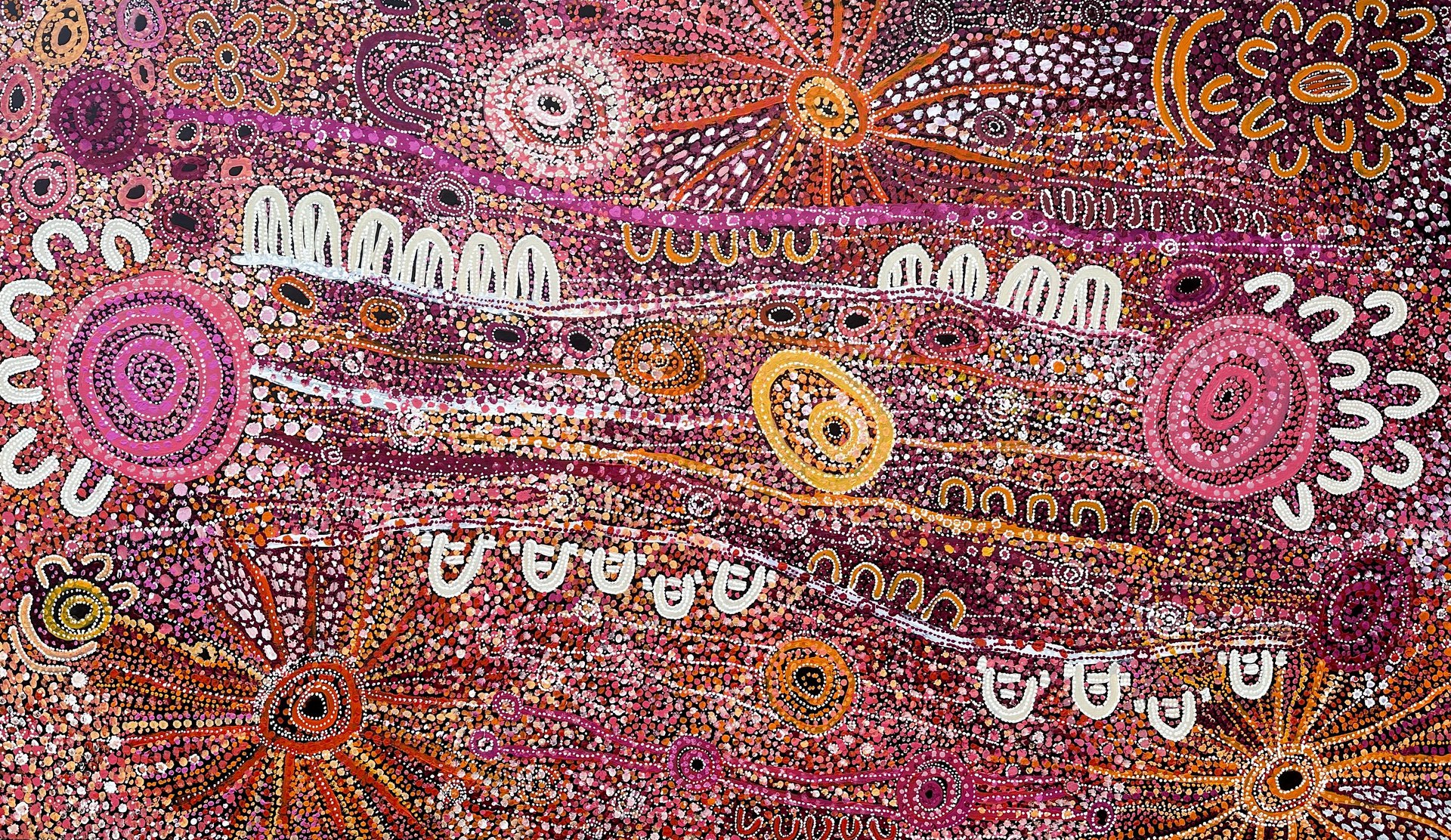
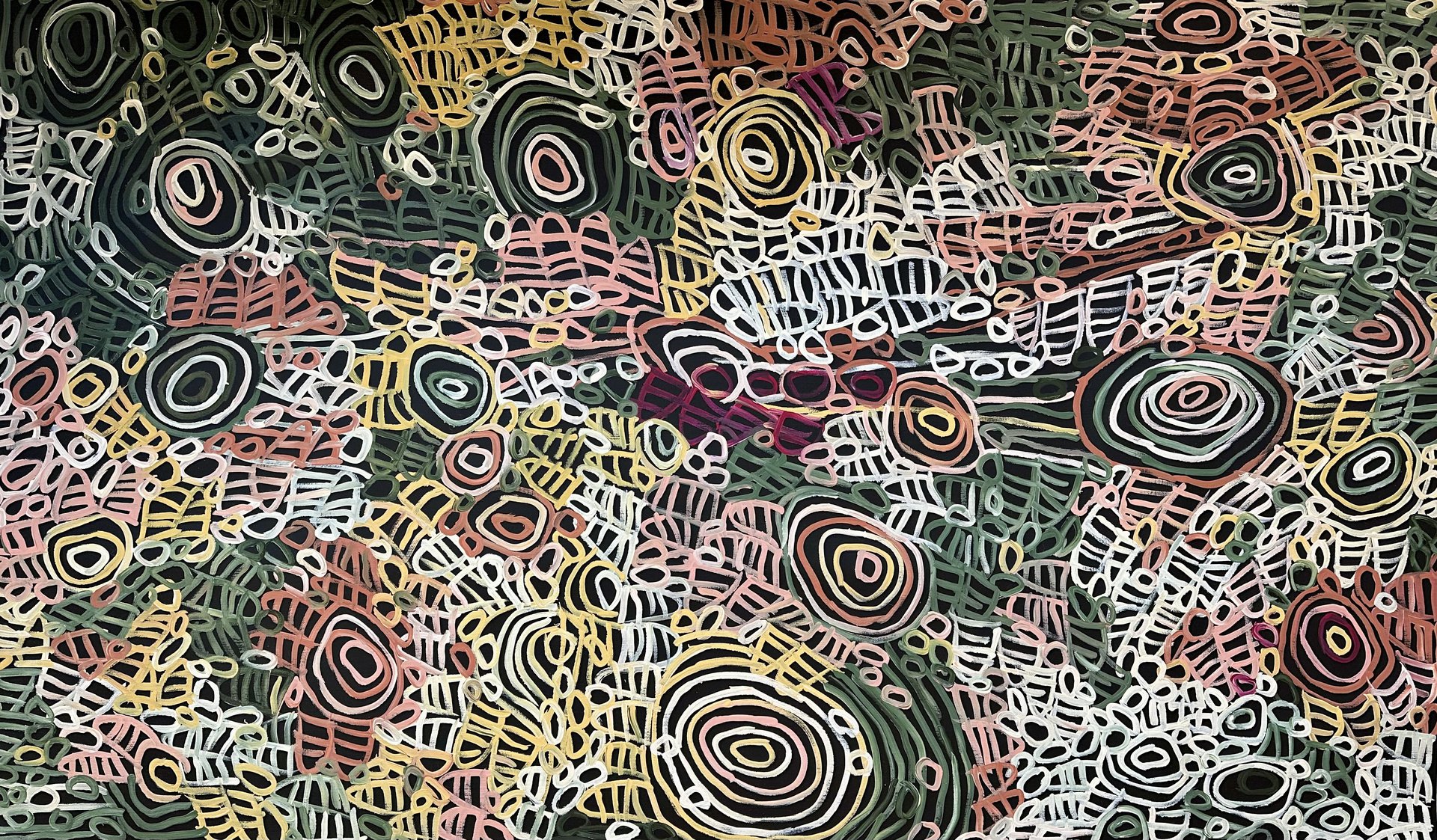
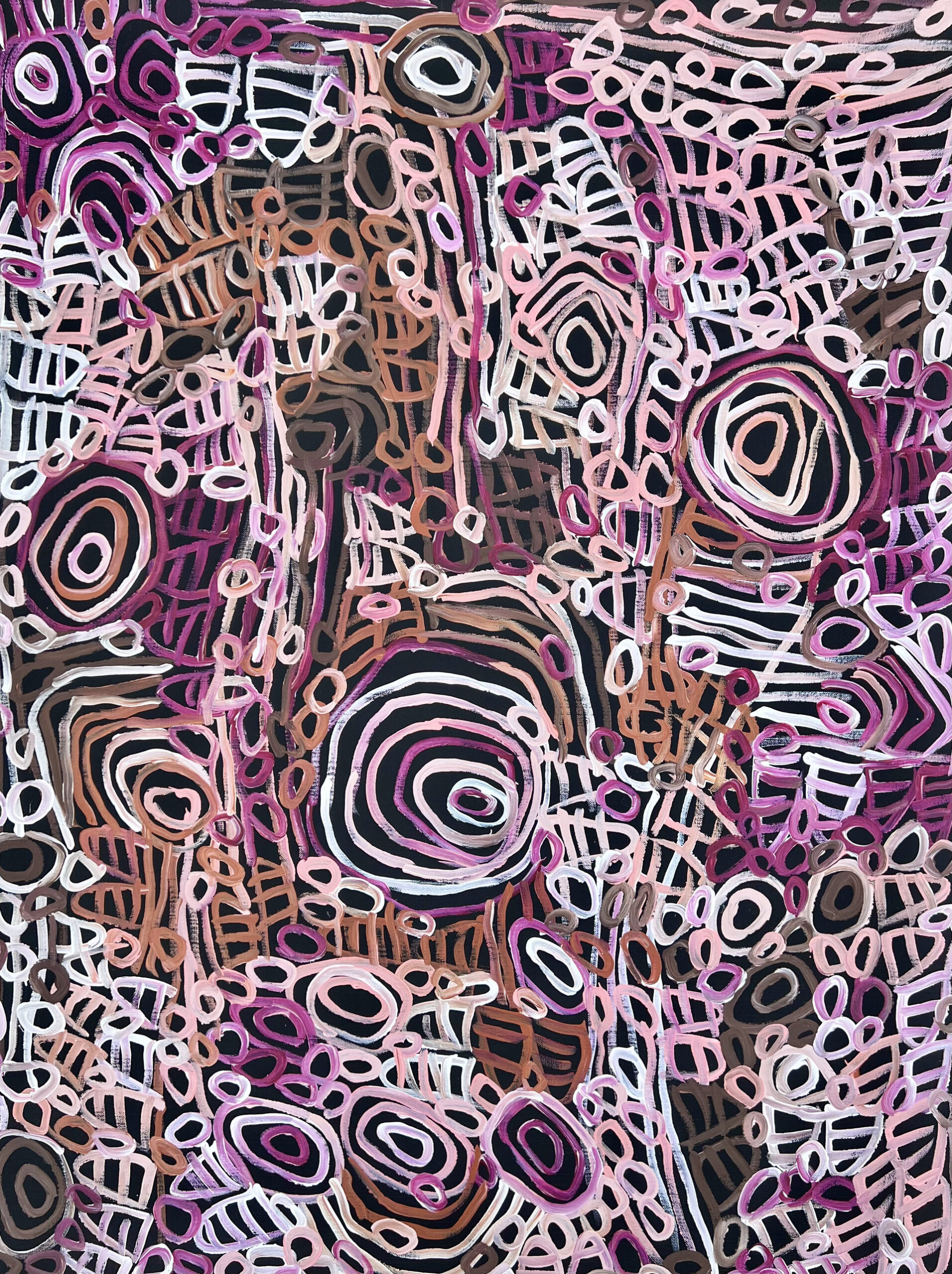
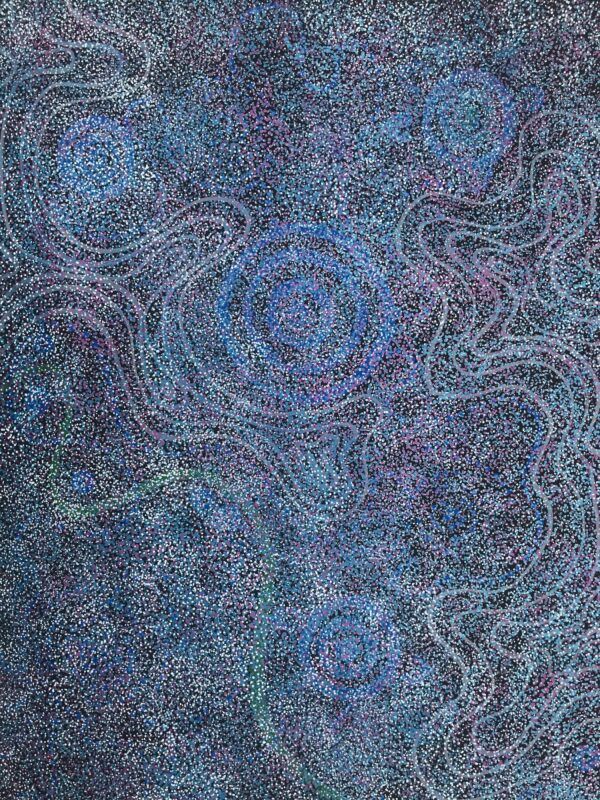
Jade paints under her skin name, Akamarre, as a way of carrying that responsibility openly, not just as an artist's name, but as a marker of who she's connected to, and what she's been entrusted with. When her grandmother Barbara Weir passed her first Dreaming to her - Atnwengerrp, My Grandmother's Country, she wasn't just teaching Jade how to paint a particular pattern. She was passing on a piece of the family's kinship responsibility, the same way it had been passed to Barbara and to Barbara's mother Minnie Pwerle before her.

That's the real reason names like this matter so much in our family, Akamarre isn't separate from Jade's art. It's a statement of where it comes from, and who she's responsible to.

Related Reading

Learn more about the Dreaming and how it lives in our paintings. Read more about Jade Akamarre, her Dreaming, and her family's story. Read about Family & Kinship and how it shapes our gallery.
subscribe to our newsletter

follow
© Copyright - Pwerle Gallery | Website Designed & Developed by Tangible.