pwerle-logo

Spirituality & Totems

Spirituality & Totems

In our culture, everything is connected - people, animals, plants, the land, even the sky. Nothing is separate, and nothing is just an object. Everything carries a spirit, and we're taught from a young age to treat the land and the creatures on it with the same respect we'd show a person.

What a Totem Is

A totem is an animal, plant or natural feature that belongs to a particular family or clan, sometimes a whole clan shares one, and sometimes a person is given their own at birth. Totems connect us back to the Dreaming and to the ancestral beings who, during the creation time, could move between human and animal form.

A goanna ancestor, for example, might appear as a man one moment and a goanna the next and that fluid connection is the reason a living person today can have a deep, personal relationship with a particular animal.

More Than One Totem

Most Aboriginal people don't carry just a single totem. It's common to hold several at once, a personal totem given individually, alongside totems shared with your family, your clan and your wider nation group. Each carries its own kind of connection: a personal totem often reflects something of your own character, while family and clan totems are shared with everyone who belongs to that same group, tying you to them and to the same obligations of care.

Totems are also closely tied to moiety - the division of the world, including people, into two complementary halves. Across much of Aboriginal Australia, everyone and everything belongs to one moiety or the other and the two halves work together, each caring for different parts of the same shared responsibility. A totem isn't something you own outright, it's something you're answerable for. Holding a totem means looking after that animal, plant or place, never harming it and making sure the knowledge attached to it is carried on to the next generation properly.
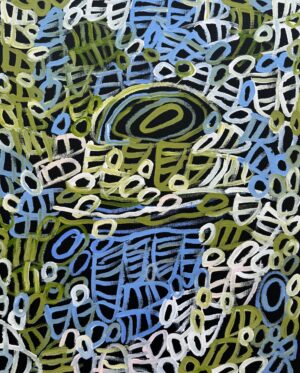
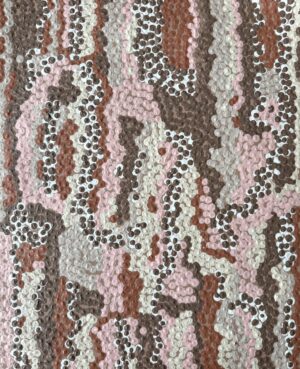
Mountain Devil Dreaming

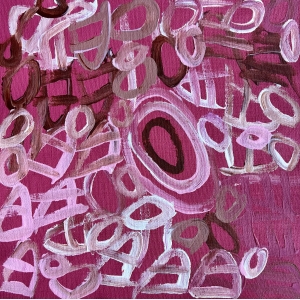
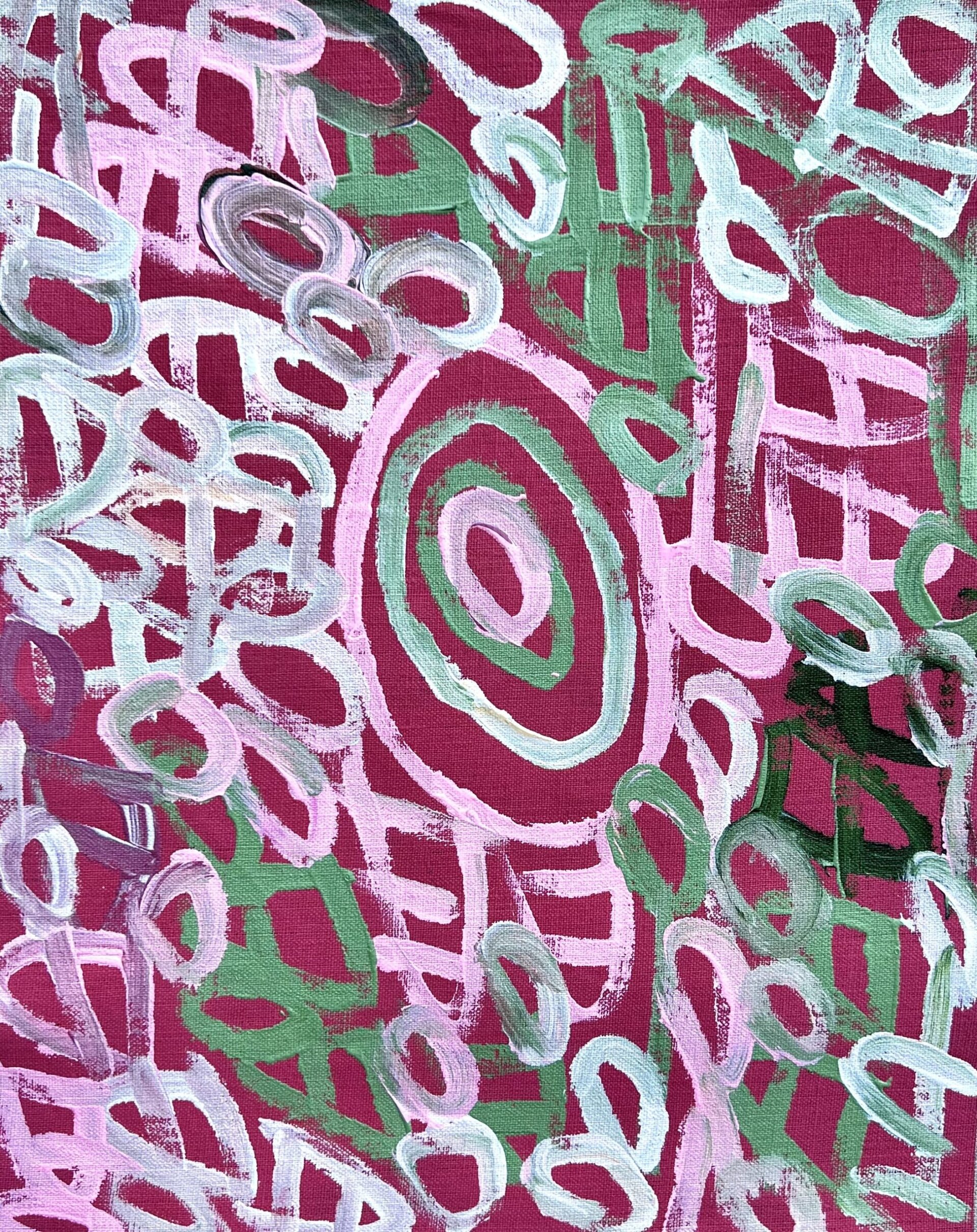
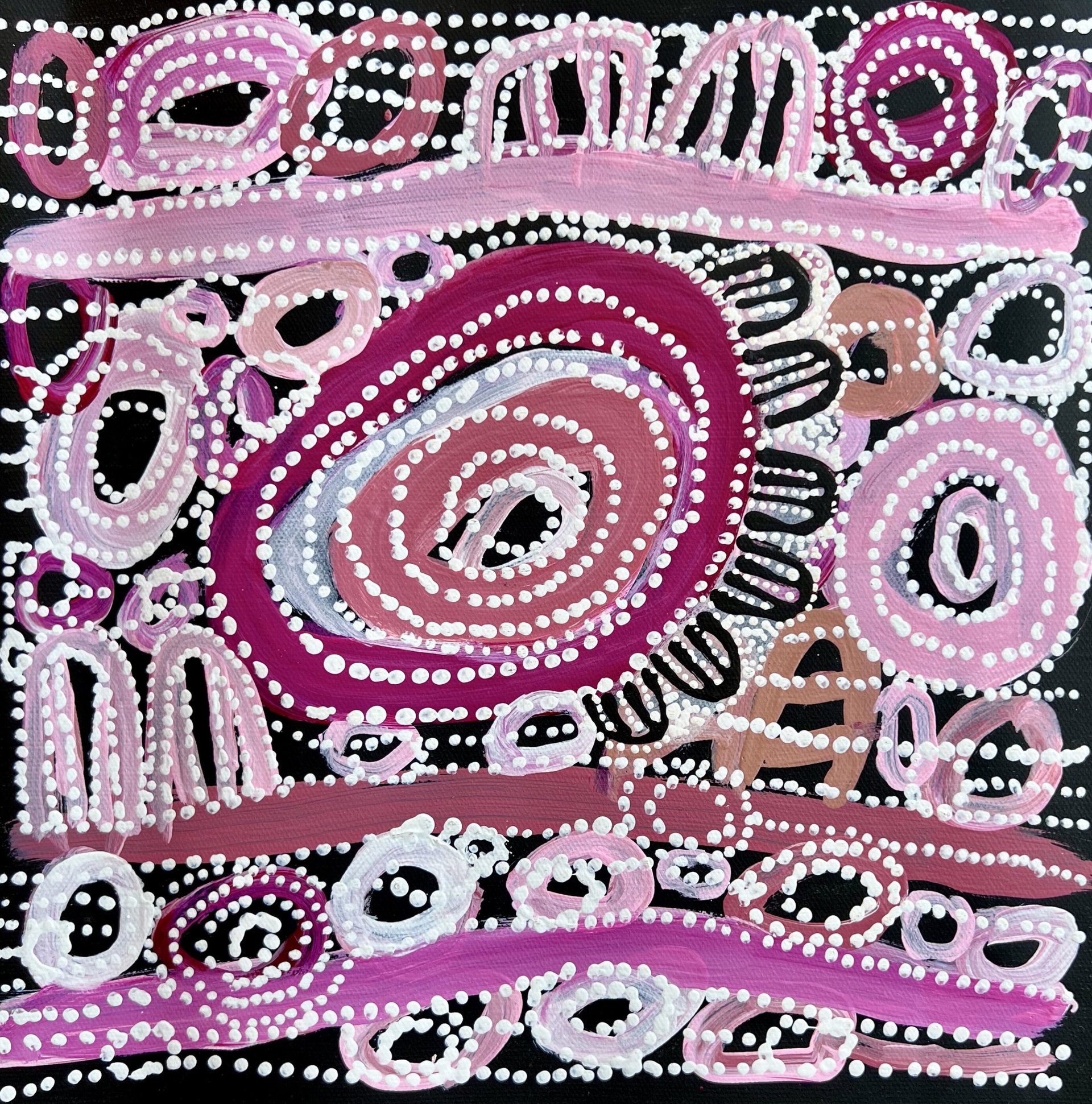
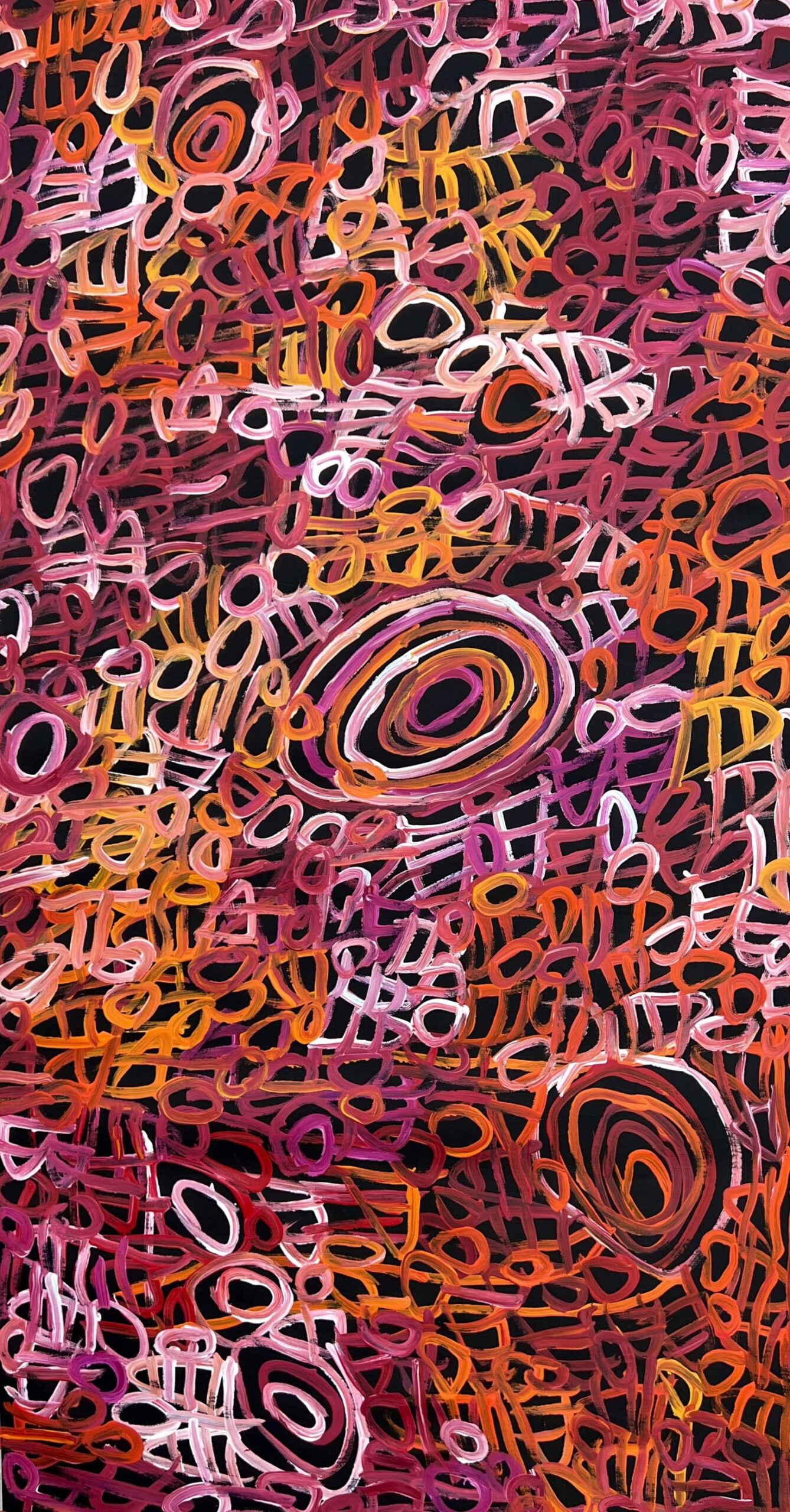
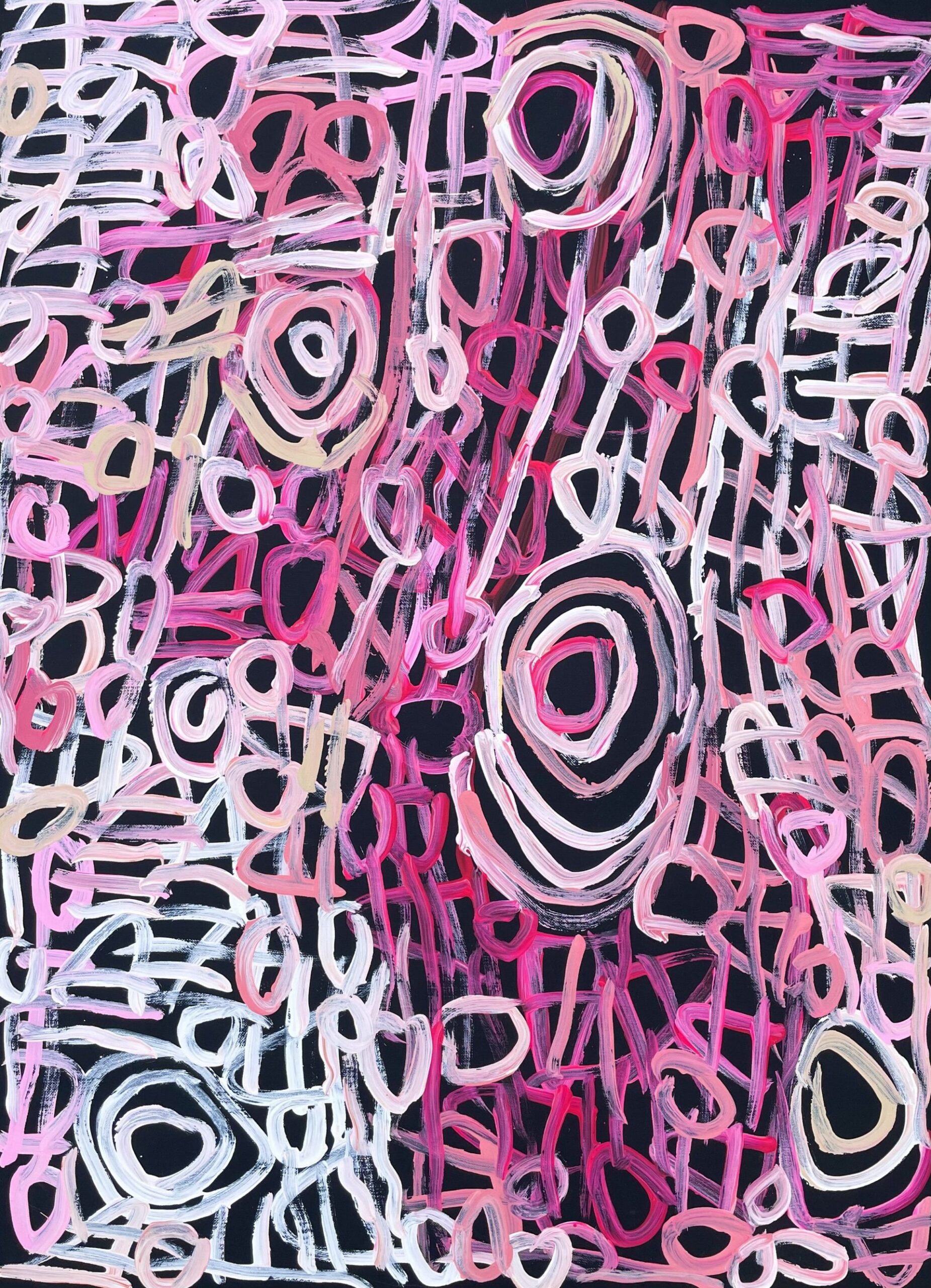
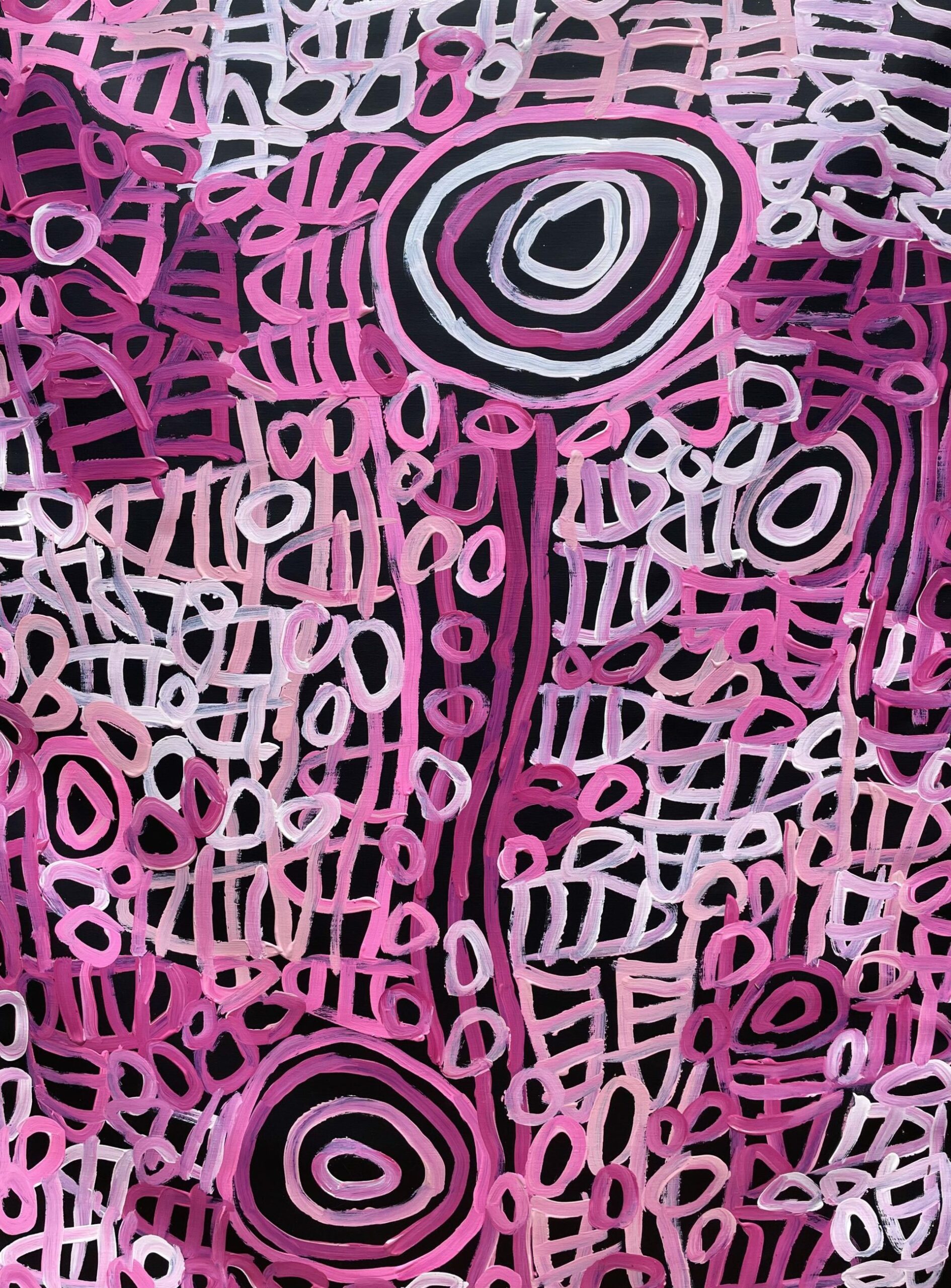
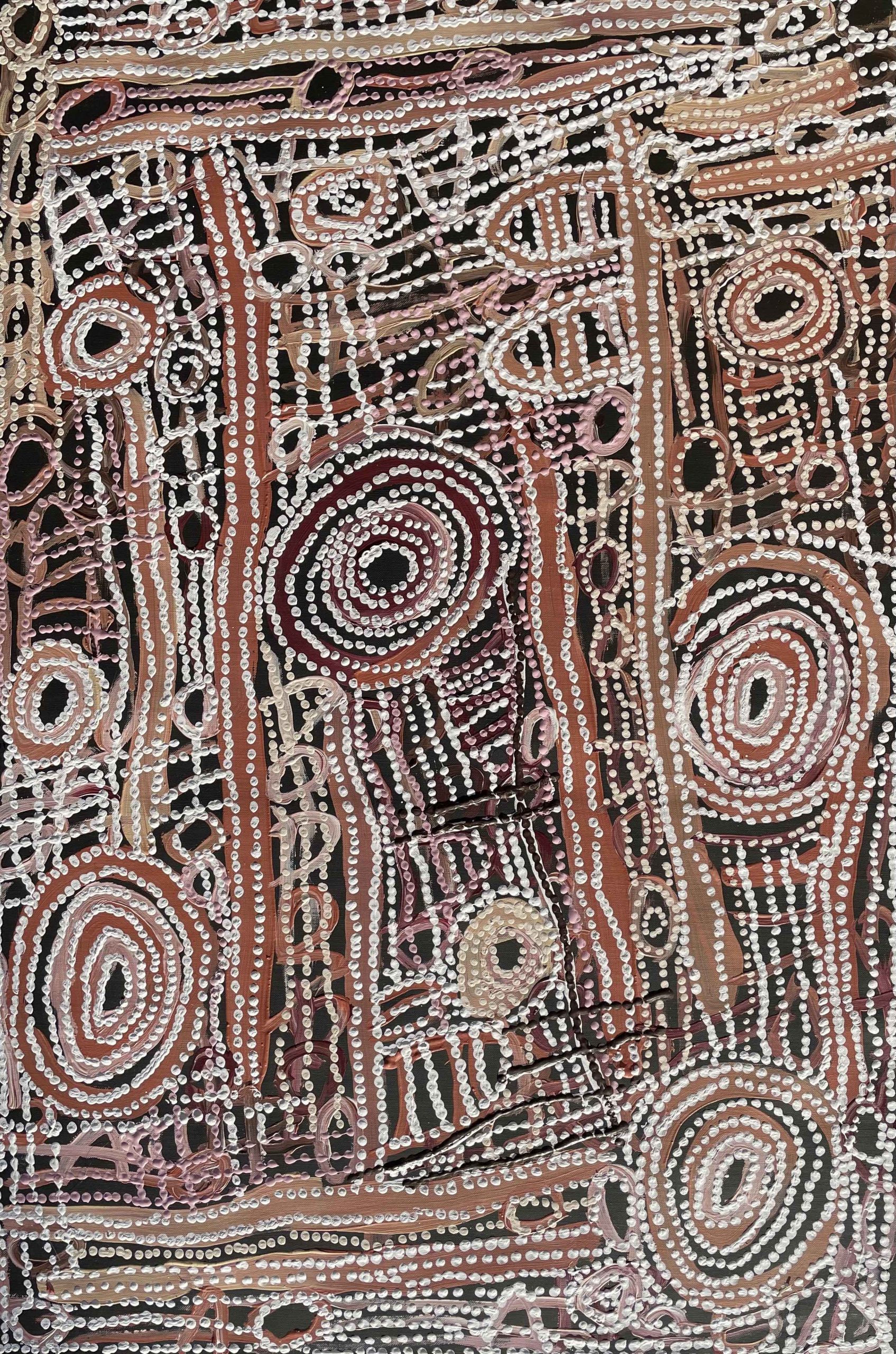
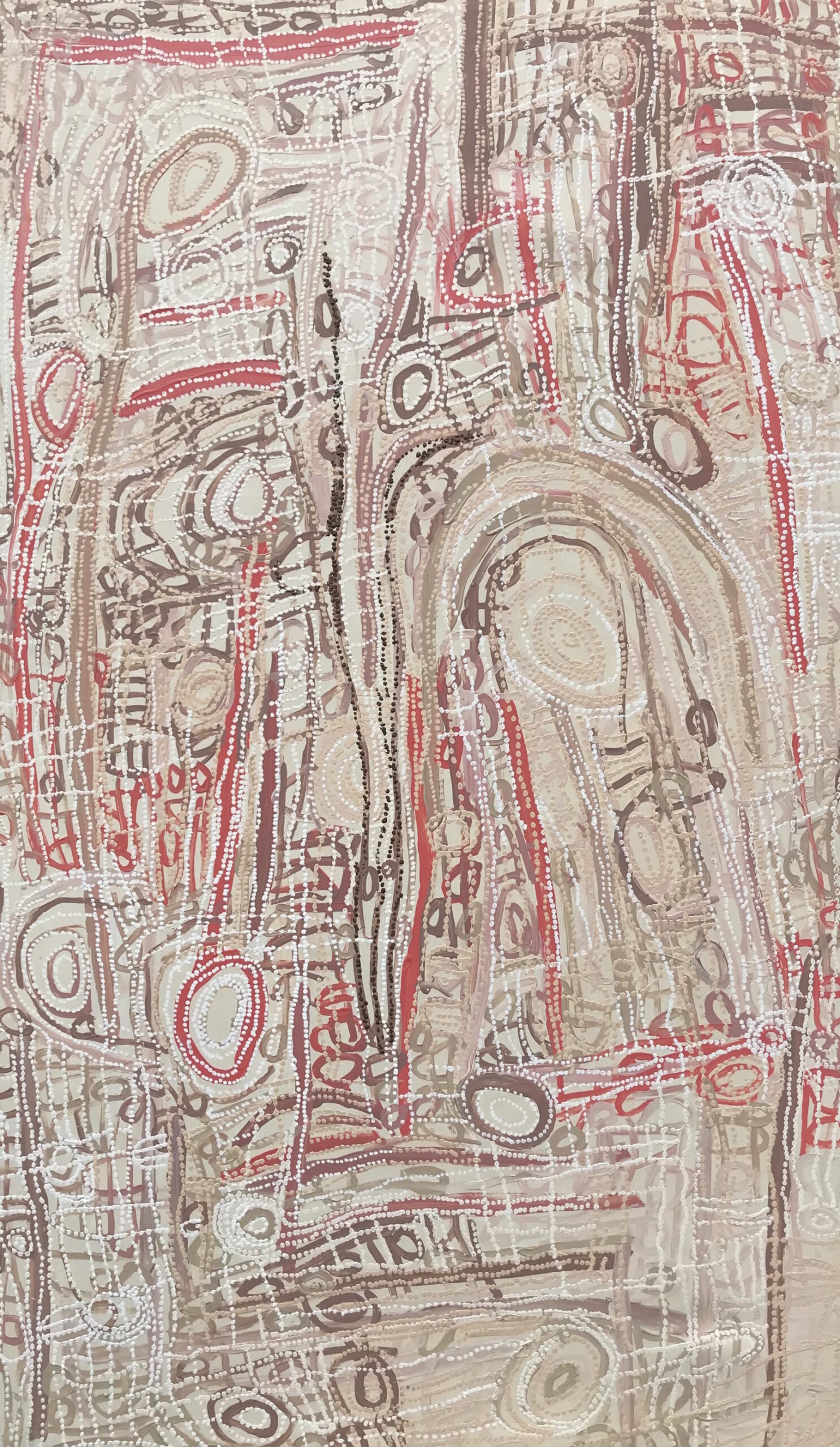
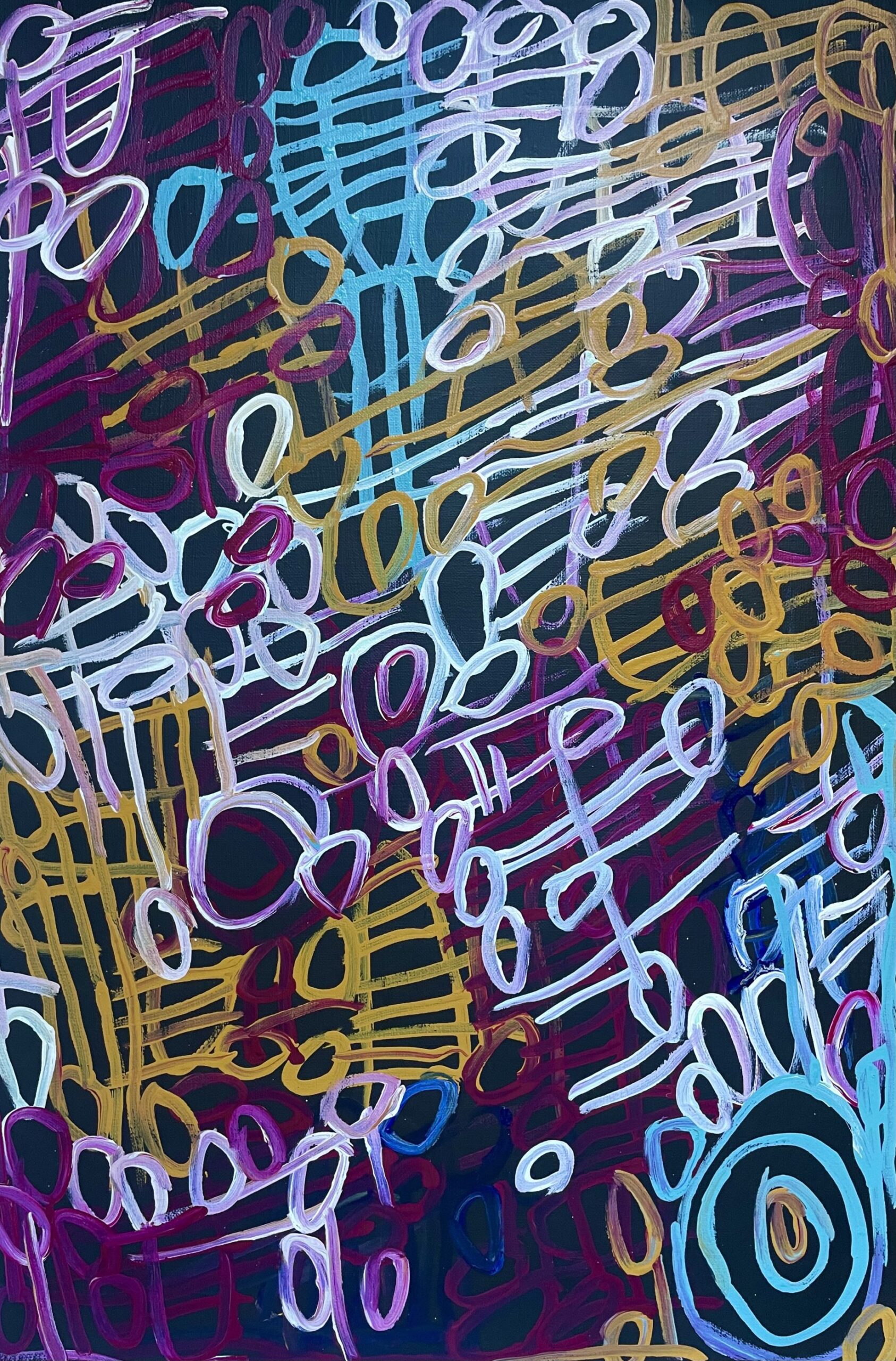
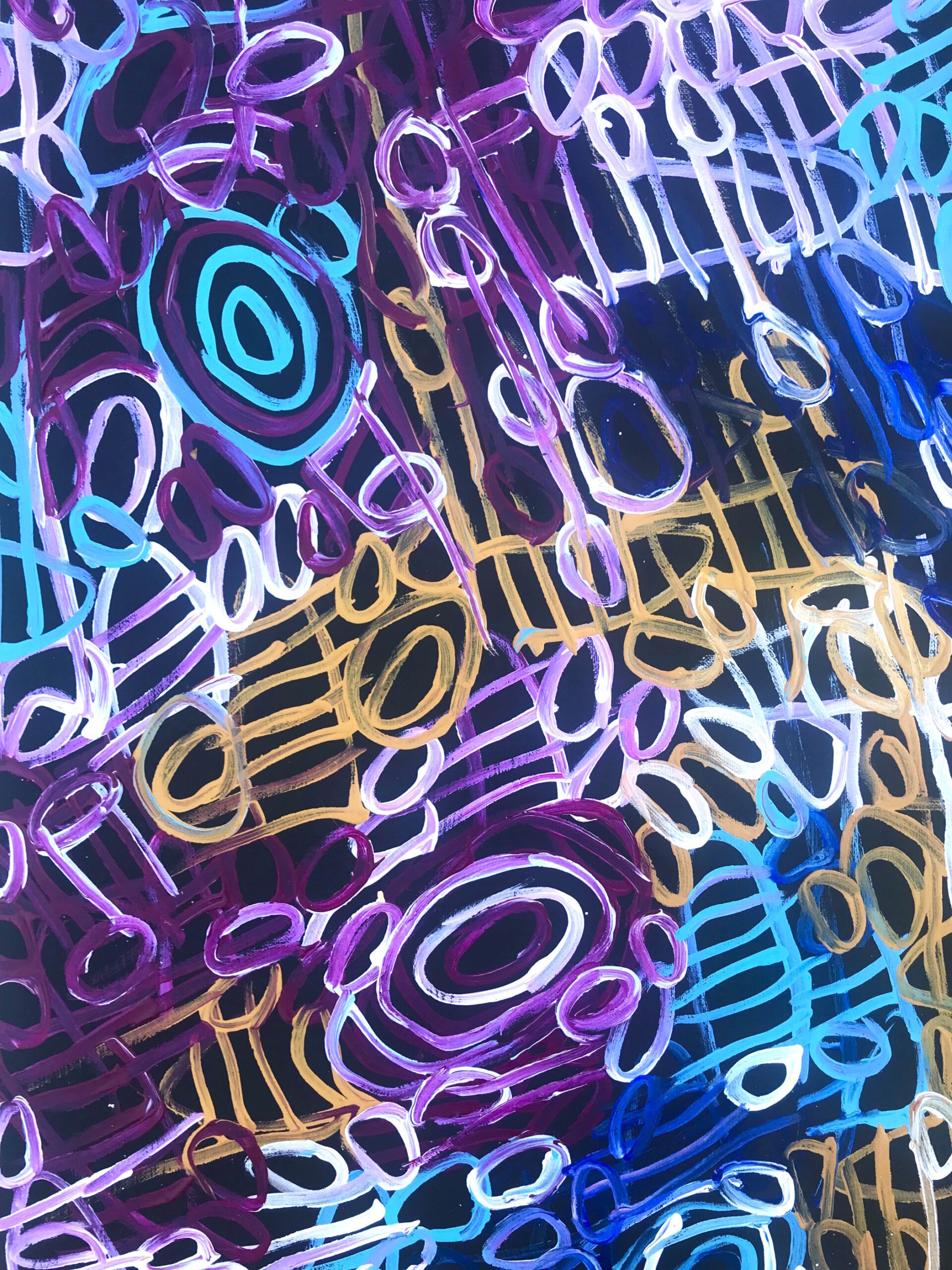
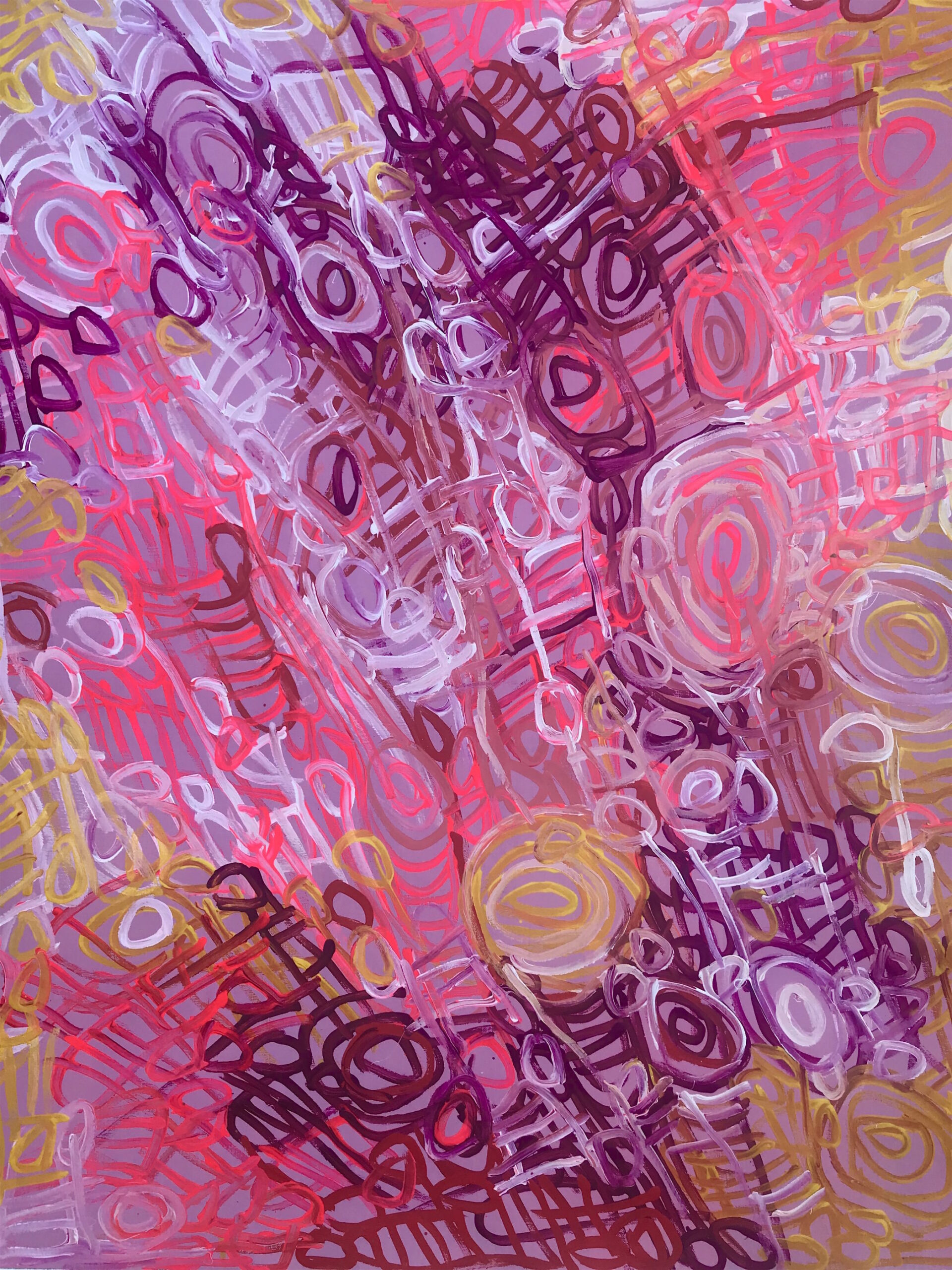
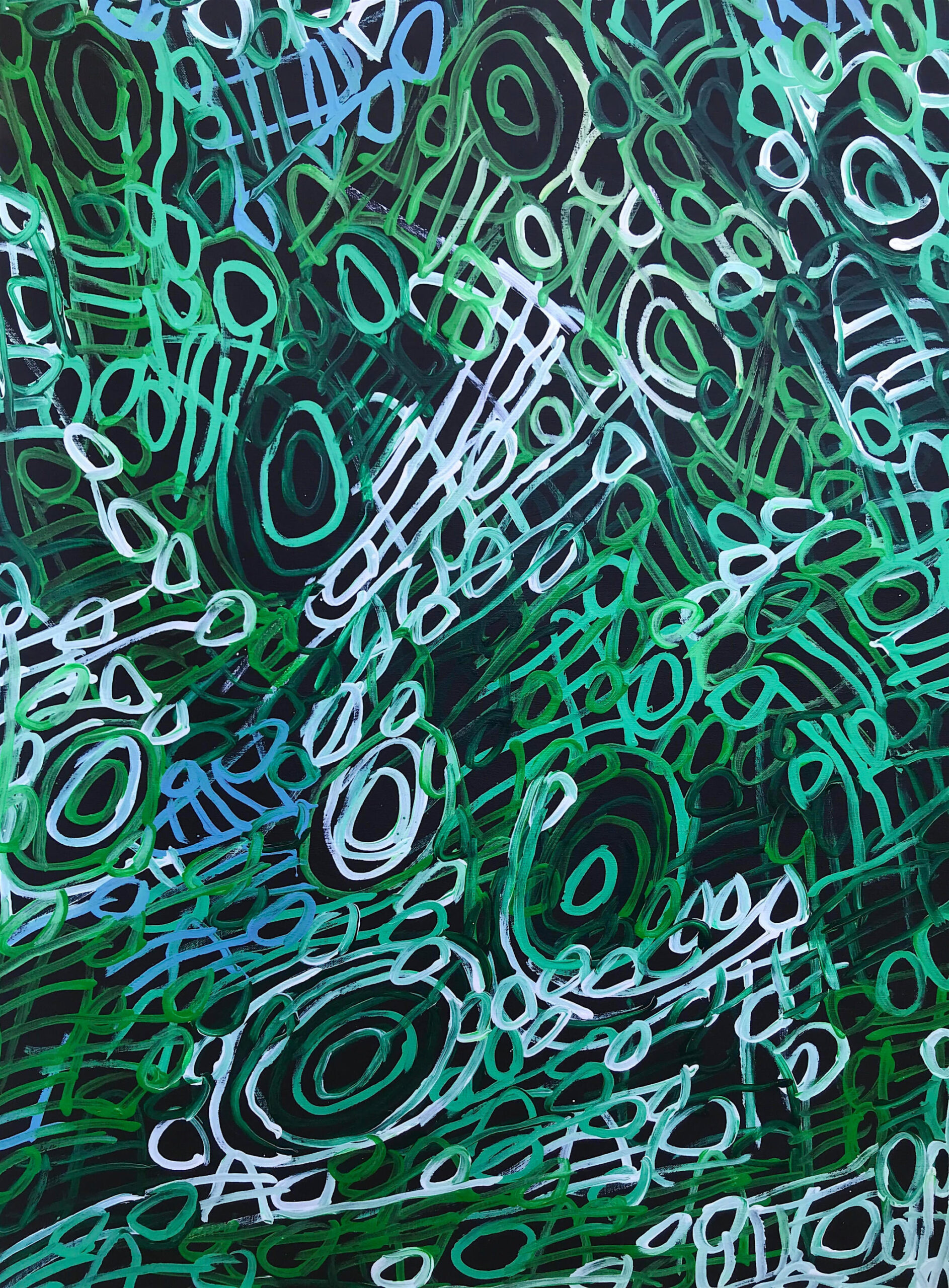
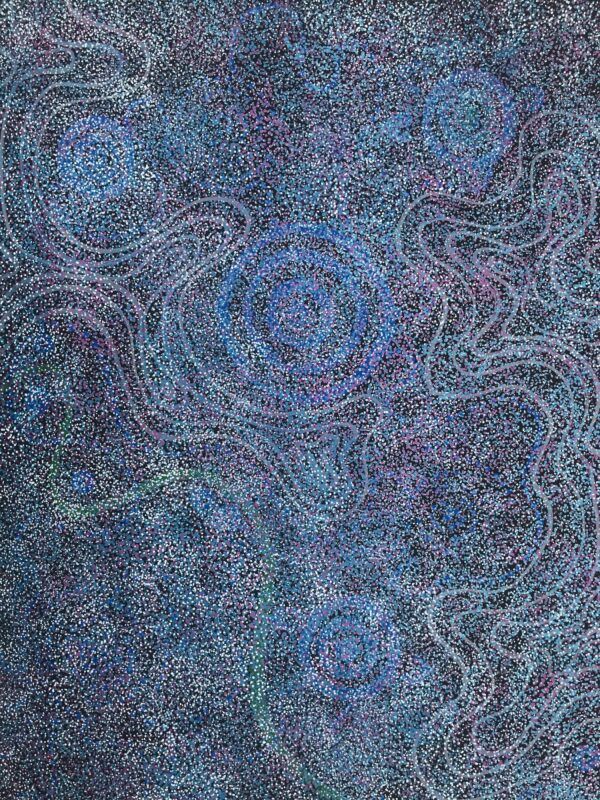
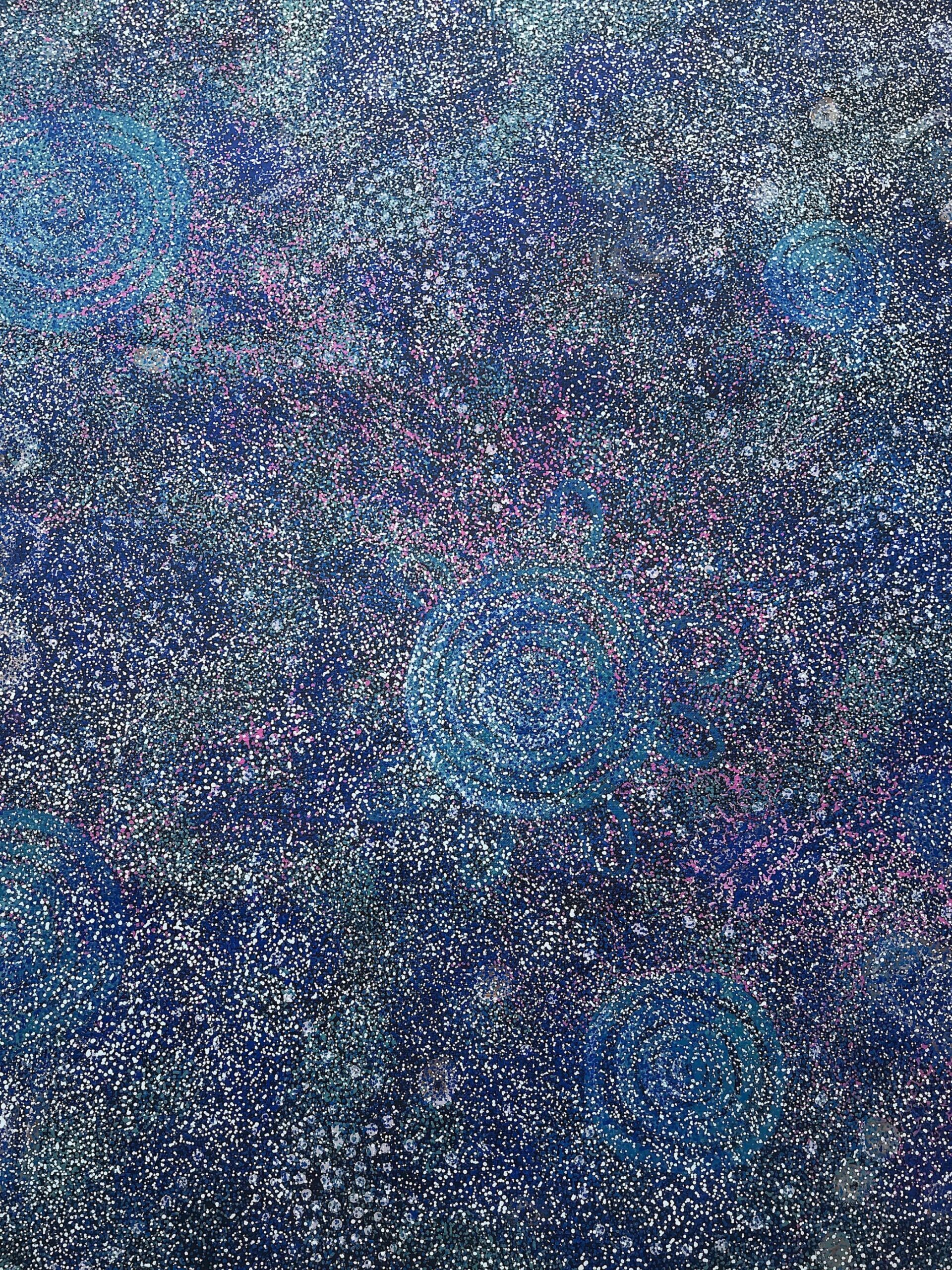
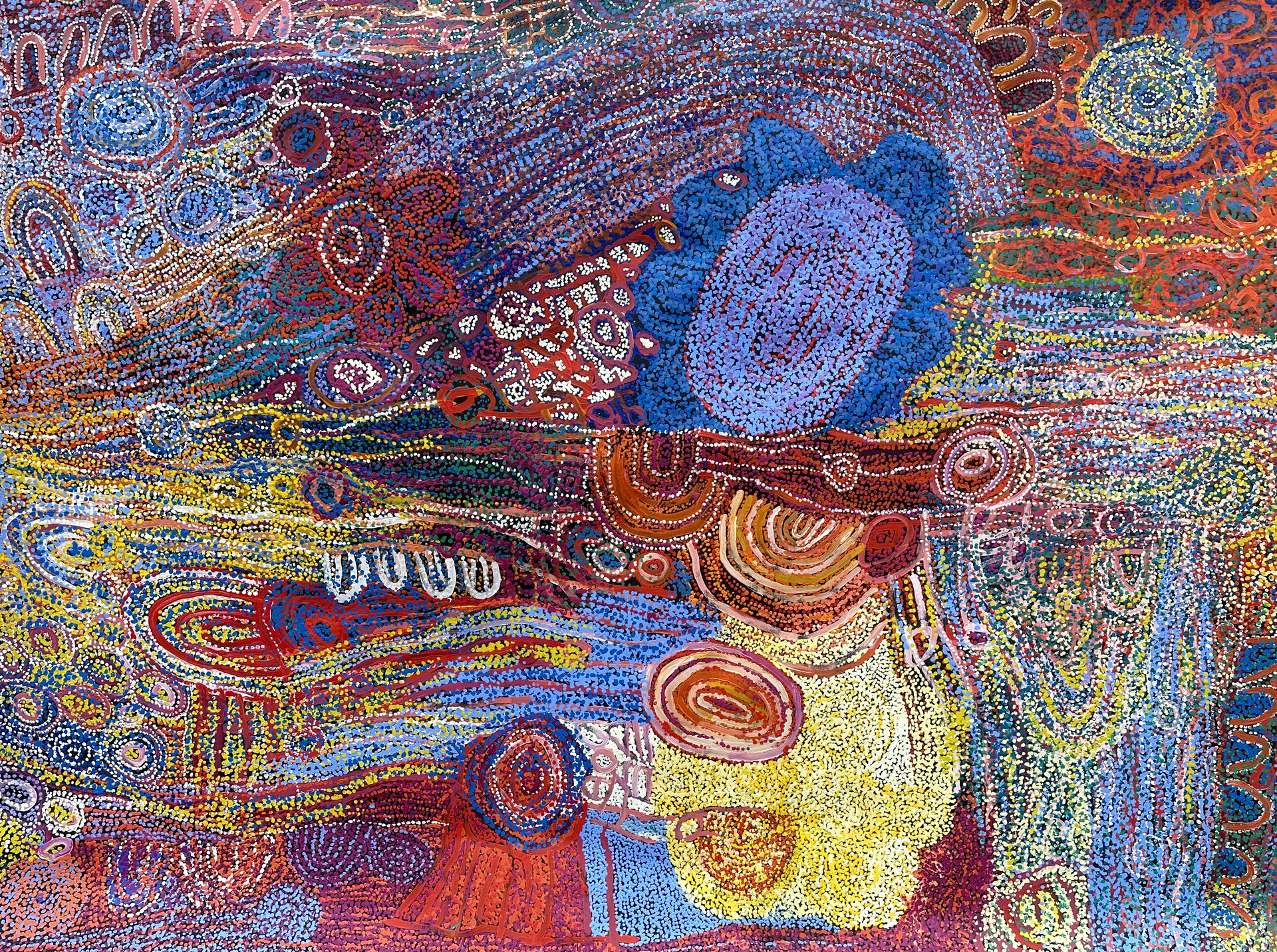
One story that means a great deal to our family is Mountain Devil Dreaming, known in language as Arnkerrth which belongs to the Petyarre side of our family: Kathleen, Gloria, Violet, Myrtle, Nancy and Ada Bird Petyarre, all sisters, and all nieces of Emily Kame Kngwarreye. It tells of an old woman who travelled the country in the form of the Thorny Devil lizard, a small, harmless creature covered in spikes that change colour to blend into the landscape. As she travelled, she shaped the land and marked out its sacred sites. Aboriginal people believe she carried ochre in a pouch on the back of her neck, depositing it across the country as she went and that ochre is what's still used in body paint for ceremony today.
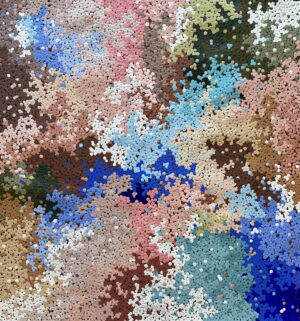
This Dreaming was passed down to the Petyarre sisters through their grandmother's side, tied to their Country of Atnangker, and it's an important songline shared by several clans across Central Australia. In ceremony, Arnkerrth is honoured through Awelye - the women paint her story onto their bodies and re-enact her journey through dance, so the connection between the people, the Country and their ancestor is renewed each time.

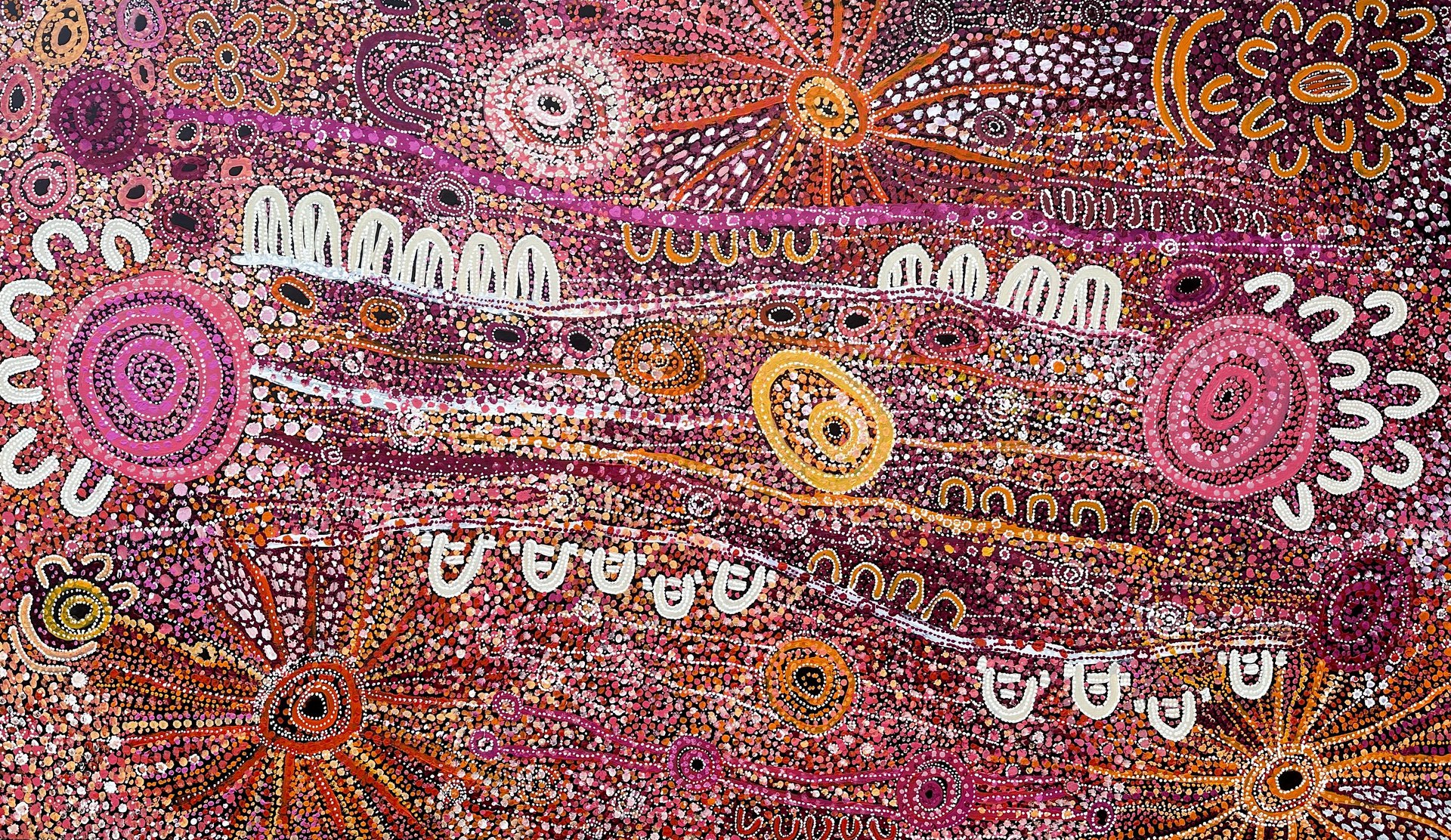
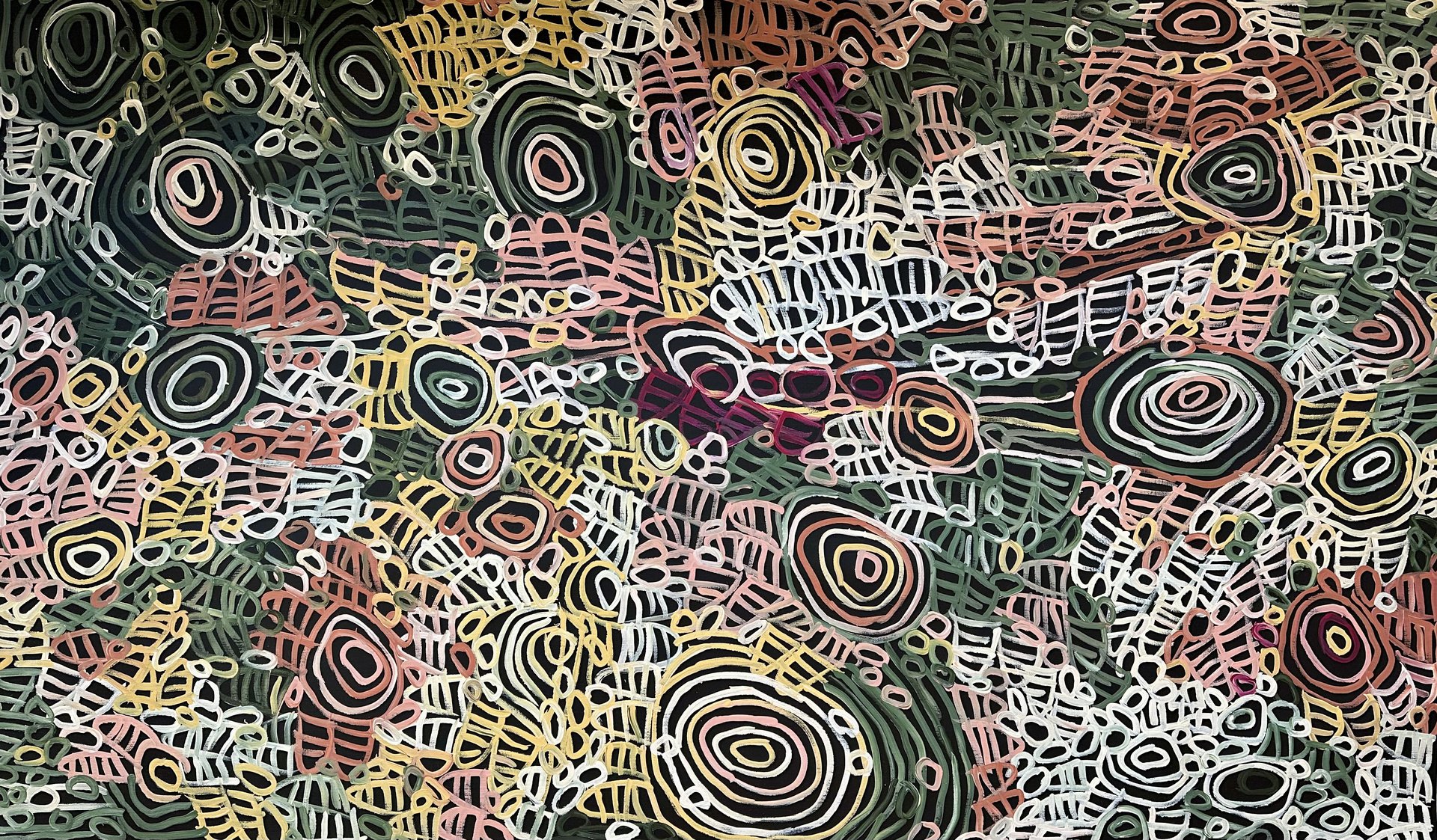
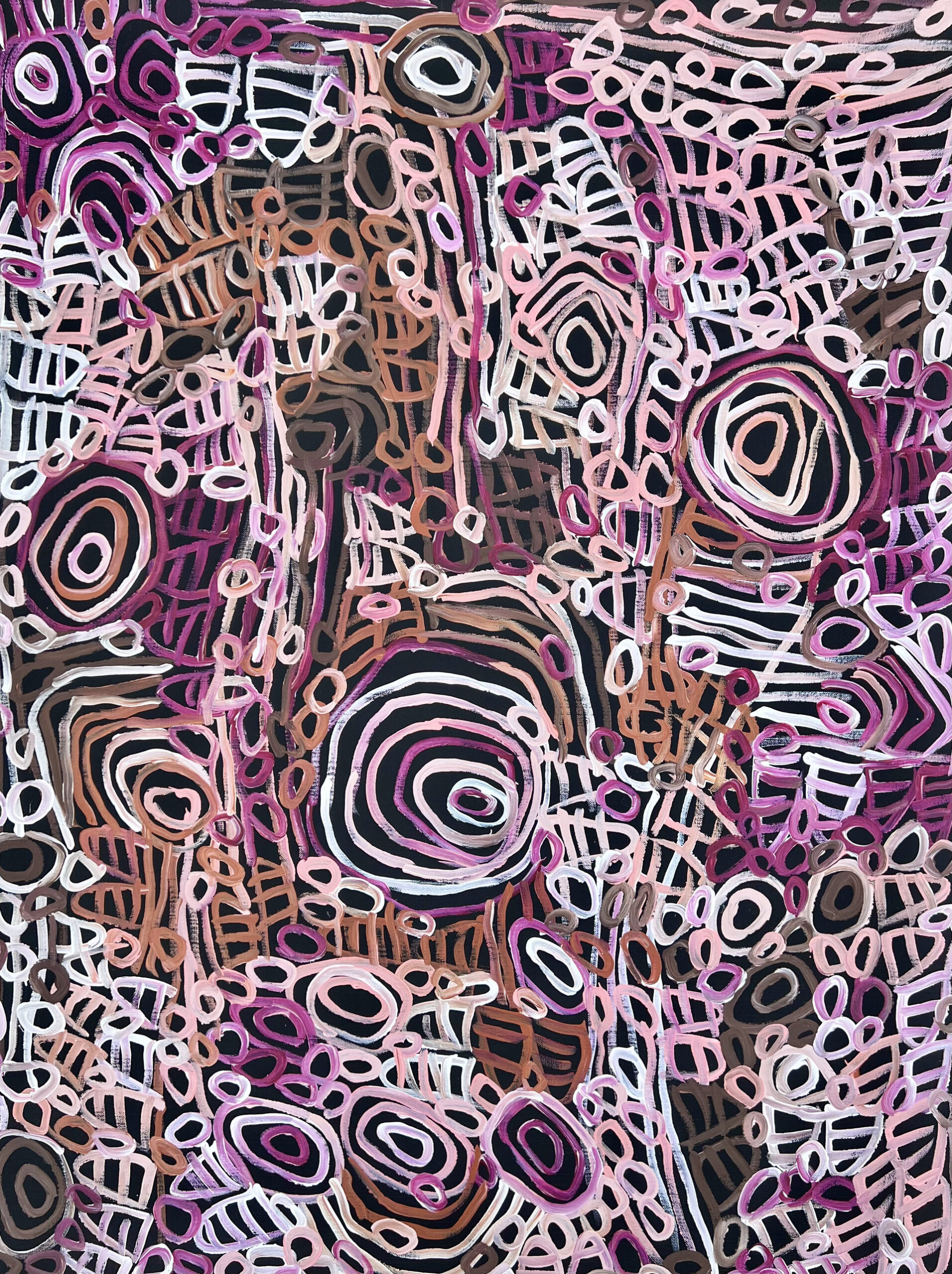
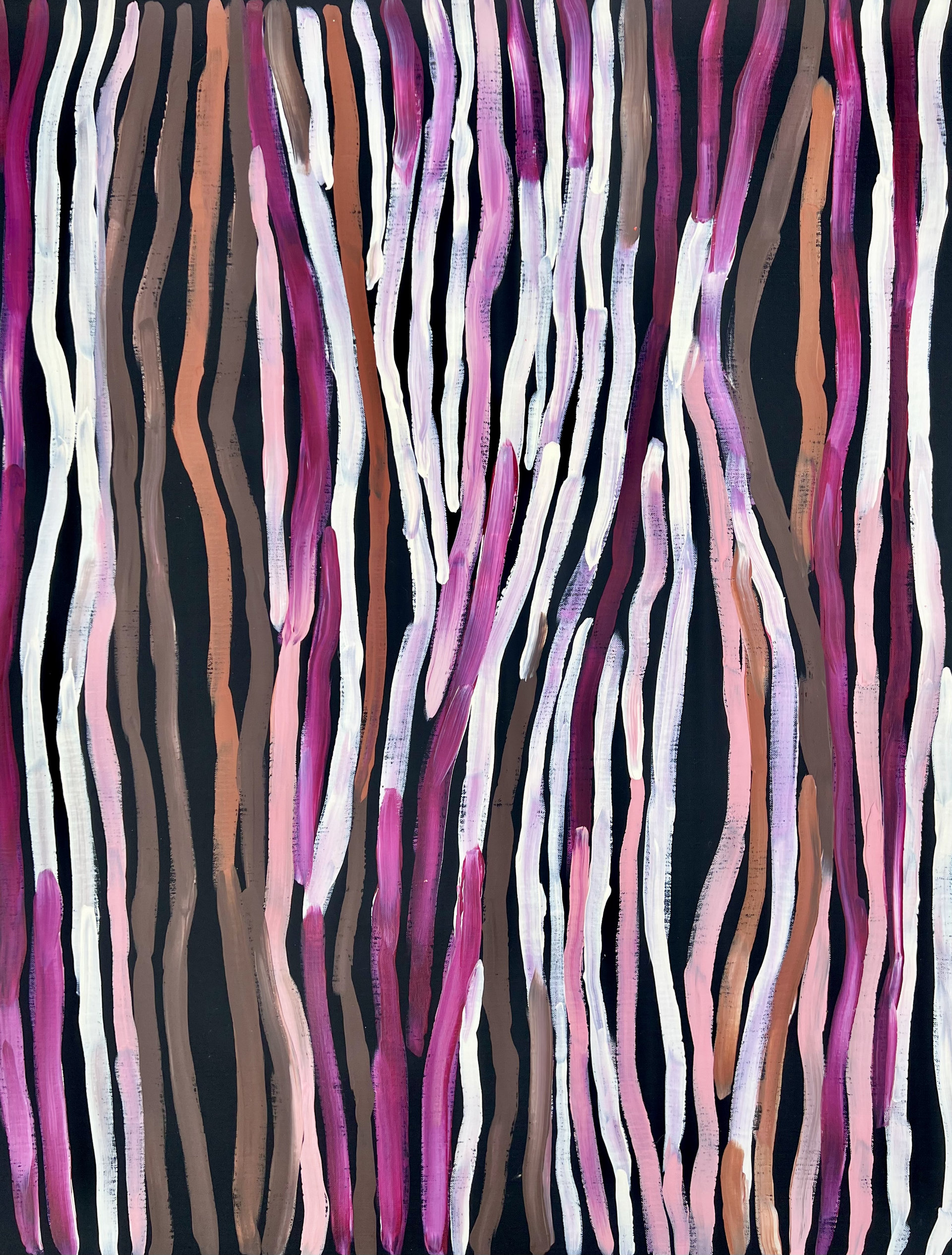
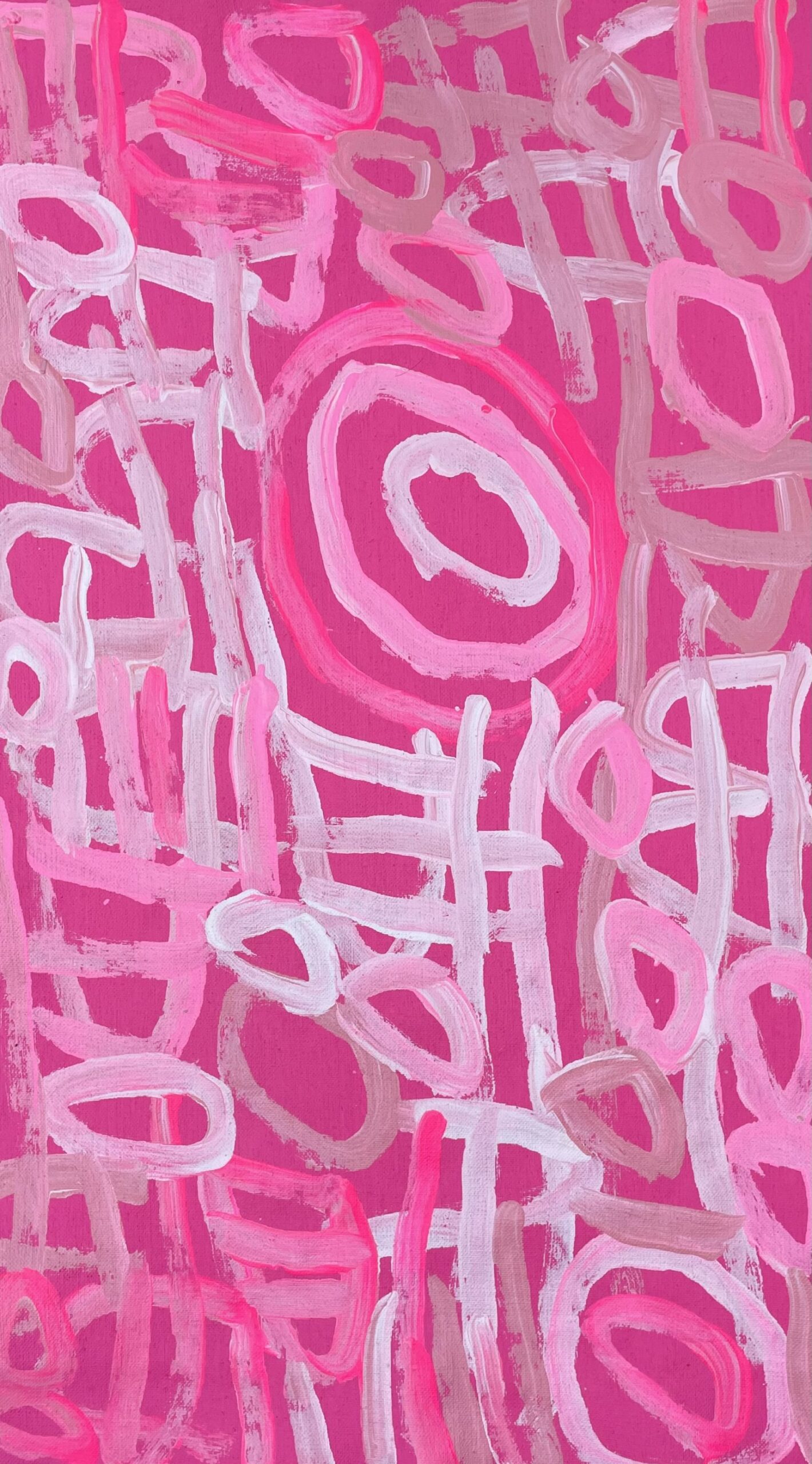
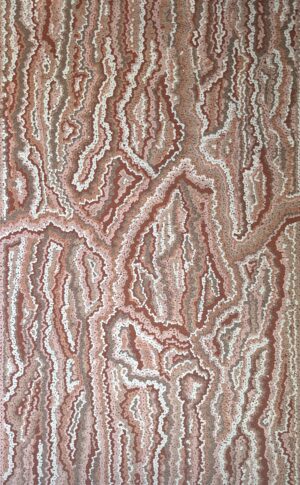
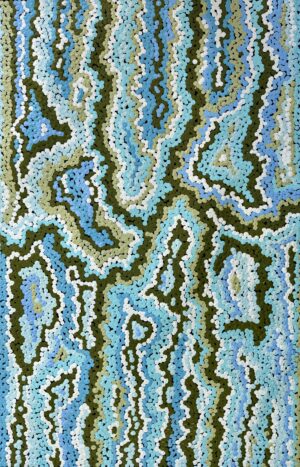
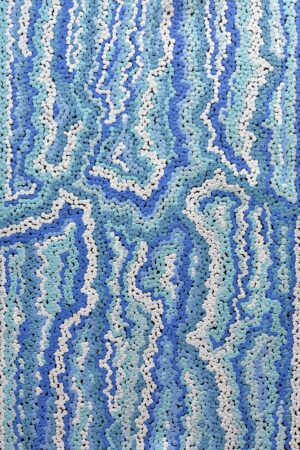
Each Petyarre sister carries this same Dreaming but paints it in her own way. Kathleen is known for mapping Arnkerrth's actual journey - the tracks and trails left behind as the old woman crossed the country. Gloria's interpretation looks instead to the lizard herself, her swirling, erratic brushstrokes capturing the pattern and shedding of the Thorny Devil's skin. Across the sisters' work, the same Dreaming takes on as many forms as there are women carrying it, proof that one totem can hold many true and different paintings, all faithful to the same story.
Many people in that family carry markings on their skin similar to the thorny lizard's pattern, something medical science has never been able to explain.

subscribe to our newsletter

follow
© Copyright - Pwerle Gallery | Website Designed & Developed by Tangible.